
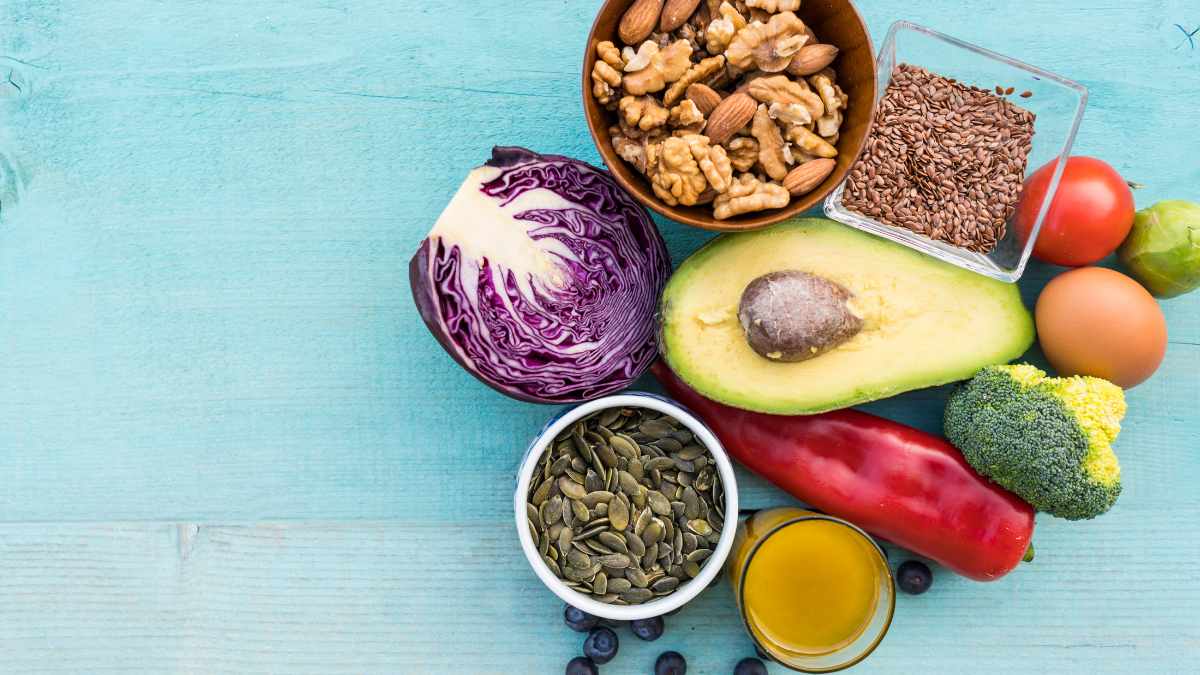

Introduction:
The ketogenic diet, commonly known as the keto diet, has gained immense popularity for its potential to promote weight loss and improve metabolic health. This low-carbohydrate, high-fat dietary approach encourages the body to enter a state of ketosis, where it burns fat for fuel instead of carbohydrates. While many people associate the keto diet with meat and dairy, vegetables also play a crucial role in maintaining nutritional balance. Understanding which vegetables are keto-friendly is essential for anyone looking to optimize their meal plans while adhering to this dietary framework.
Understanding the Keto Diet: Principles and Guidelines
The keto diet is fundamentally designed to reduce carbohydrate intake to a minimum, typically around 20 to 50 grams per day. This significant reduction in carbs forces the body to use fat as its primary energy source, resulting in the production of ketones. Adhering to this principle is crucial for achieving and maintaining ketosis. The diet is also characterized by a higher intake of healthy fats and moderate protein consumption.
In addition to macronutrient ratios, the keto diet emphasizes the importance of whole, unprocessed foods. This means prioritizing nutrient-dense foods that provide essential vitamins and minerals while keeping carbohydrate content low. Vegetables are an integral part of this approach, as they offer a variety of health benefits, including antioxidants, fiber, and essential nutrients.
When considering vegetables for a keto diet, it’s important to focus on those that are low in carbohydrates yet high in nutrients. This dual focus helps ensure that individuals can maintain their energy levels and overall health while adhering to the strict carb limits of the diet. Understanding the principles of the keto diet enables individuals to make informed choices about which vegetables to include in their meal plans.
Ultimately, the success of the keto diet hinges on a well-rounded approach that includes a variety of food groups. Incorporating the right vegetables not only enhances the flavor and texture of meals but also contributes to overall health and wellness.
Nutritional Composition of Vegetables in the Keto Context
Vegetables can be categorized based on their carbohydrate content, fiber levels, and overall nutritional value. In the context of the keto diet, it is essential to choose vegetables that are low in net carbs, which are calculated by subtracting fiber from total carbohydrates. This calculation allows individuals to better understand how the vegetable will impact their daily carb intake.
Leafy greens, such as spinach, kale, and arugula, are excellent choices for keto dieters. These vegetables are not only low in carbohydrates but also rich in vitamins A, C, and K, as well as minerals like calcium and iron. Additionally, they provide a good source of antioxidants, which can help combat oxidative stress in the body.
Cruciferous vegetables, including broccoli, cauliflower, and Brussels sprouts, are also highly recommended for those on a keto diet. These vegetables are low in carbs and high in fiber, making them an ideal option for promoting digestive health. They are also packed with vitamins and minerals that support overall well-being.
When evaluating the nutritional composition of vegetables, it’s important to consider not only their carb content but also their micronutrient profile. Including a variety of keto-friendly vegetables ensures that individuals can meet their nutritional needs while staying within their carbohydrate limits.
Low-Carbohydrate Vegetables: A Comprehensive Overview
A variety of low-carbohydrate vegetables can be easily incorporated into a keto diet. Some of the most popular options include zucchini, bell peppers, asparagus, and mushrooms. Zucchini, for instance, is incredibly versatile and can be spiralized into noodles or used in casseroles, while bell peppers add color and crunch to salads.
Another excellent choice is eggplant, which is low in carbs and can be used in various dishes, from ratatouille to grilled appetizers. Mushrooms, on the other hand, provide a savory umami flavor and can be used in stir-fries, soups, and salads. Asparagus is not only low in carbs but also high in vitamins A, C, and K, making it a nutritious addition to any meal.
It’s important to note that the carb content can vary among different varieties of the same vegetable. For instance, while spinach is low in carbs, sweet potatoes, despite being a vegetable, are relatively high in carbohydrates and are generally avoided on a keto diet. Therefore, careful selection is key to maintaining ketosis.
In addition to these options, other low-carb vegetables include radishes, cucumbers, and green beans. Incorporating a diverse range of these vegetables into meals can help prevent monotony and ensure a rich intake of nutrients.
High-Fiber Vegetables: Benefits for Keto Adherence
Fiber plays a crucial role in a healthy diet, and its importance is magnified in the context of the keto diet. High-fiber vegetables can aid in digestion, promote satiety, and help maintain stable blood sugar levels. This is particularly important for individuals on a low-carb diet, as fiber can offset some of the digestive issues that may arise from a lack of carbohydrates.
Vegetables such as artichokes, broccoli, and Brussels sprouts are excellent sources of fiber. Artichokes, for instance, are not only low in net carbs but also provide a significant amount of dietary fiber, which can help improve gut health. Including these types of vegetables in your diet can enhance overall digestive function and promote regularity.
Moreover, high-fiber vegetables can help individuals feel fuller for longer, which may assist with weight management. This satiety factor is particularly beneficial for those following a keto diet, as it can help reduce cravings and prevent overeating.
Incorporating high-fiber vegetables into a keto meal plan can also provide additional health benefits, such as improved heart health and reduced risk of chronic diseases. Overall, the inclusion of fiber-rich vegetables is a smart strategy for supporting both digestive health and adherence to the keto diet.
Evaluating the Glycemic Index of Keto-Friendly Vegetables
The glycemic index (GI) is a valuable tool for understanding how different foods impact blood sugar levels. Foods with a low GI are less likely to cause spikes in blood sugar, making them more suitable for a ketogenic diet. When selecting vegetables, it’s beneficial to choose those that have a low GI, as they can help maintain stable energy levels and support overall metabolic health.
Many keto-friendly vegetables, such as leafy greens and cruciferous vegetables, have a low glycemic index. For example, spinach and broccoli both score low on the GI scale, making them excellent choices for those looking to manage their blood sugar levels. This is particularly important for individuals who may be insulin resistant or have diabetes.
Conversely, some vegetables, such as carrots and beets, have a higher glycemic index and may not be suitable for strict keto dieters. While these vegetables can still be enjoyed in moderation, it’s essential to be mindful of portion sizes to avoid exceeding carbohydrate limits.
Understanding the glycemic index of vegetables can empower individuals to make informed choices that align with their health goals. Incorporating low-GI vegetables into a keto meal plan can enhance both nutritional quality and overall dietary adherence.
Practical Tips for Incorporating Vegetables into Keto Meals
Incorporating vegetables into a keto diet can be both enjoyable and straightforward. One effective strategy is to use vegetables as substitutes for higher-carb ingredients. For instance, zucchini noodles can replace traditional pasta, and cauliflower can be used to make low-carb rice or pizza crusts.
Meal prepping is another useful technique for ensuring that keto-friendly vegetables are readily available. Chopping and storing vegetables in advance can make it easier to add them to meals throughout the week. This not only saves time but also encourages the inclusion of a variety of vegetables in daily meals.
Experimenting with different cooking methods can also enhance the flavor and appeal of vegetables. Roasting, grilling, or sautéing vegetables with healthy fats like olive oil or coconut oil can bring out their natural sweetness and create delicious side dishes.
Finally, incorporating herbs and spices can elevate the taste of vegetables and make them more appealing. Using fresh herbs, garlic, and spices can transform a simple vegetable dish into a flavorful meal that complements the keto lifestyle.
Conclusions:
Navigating the world of vegetables while adhering to a ketogenic diet can be challenging, but it is essential for maintaining nutritional balance and overall health. By understanding the principles of the keto diet and the nutritional composition of vegetables, individuals can make informed choices that align with their dietary goals. Low-carbohydrate and high-fiber vegetables play a pivotal role in supporting ketosis and promoting digestive health. By evaluating the glycemic index and employing practical tips for meal preparation, individuals can successfully incorporate a variety of keto-friendly vegetables into their diets, enhancing both flavor and nutrition.
Read more:
- Keto Diet Basics – A comprehensive overview of the ketogenic diet, its principles, and guidelines.
- Nutritional Composition of Vegetables – A resource for exploring the nutritional information of various vegetables.
- The Importance of Fiber – An article discussing the benefits of dietary fiber and its role in health.
- Understanding the Glycemic Index – A guide to the glycemic index and how it affects blood sugar levels.
- Cooking Tips for Keto – A blog featuring tips and recipes for incorporating vegetables into a keto diet.