

Introduction:
The ketogenic diet, commonly known as the keto diet, has gained immense popularity due to its potential benefits in weight loss and metabolic health. This high-fat, low-carbohydrate dietary approach encourages the body to enter a state of ketosis, where it burns fat for fuel instead of carbohydrates. While many focus on the fats and proteins allowed in this diet, vegetables play a crucial role in providing essential nutrients and fiber. Understanding which vegetables fit into the keto framework is vital for anyone looking to maintain a balanced and healthful diet while adhering to low carbohydrate limits.
Understanding the Keto Diet: A Brief Overview of Principles
At its core, the keto diet is designed to drastically reduce carbohydrate intake and replace it with fat. This shift in macronutrient consumption alters the way your body generates energy, pushing it into a metabolic state known as ketosis. In ketosis, the liver converts fatty acids into ketones, which serve as an alternative energy source for the brain and body. The typical macronutrient breakdown for a standard keto diet is approximately 70-75% fats, 20-25% protein, and only 5-10% carbohydrates.
This significant reduction in carbohydrates is essential for achieving and maintaining ketosis. For most individuals, this translates to consuming 20 to 50 grams of carbohydrates per day. However, the exact amount can vary based on individual factors such as activity level, age, and metabolic health. The focus on fats and proteins allows for a satiating diet that can help curb hunger and cravings, making it easier to adhere to the diet over the long term.
While the primary goal of the keto diet is to limit carbohydrates, it is equally important to ensure that the diet remains nutritionally balanced. This is where vegetables come into play. They not only provide essential vitamins and minerals but also contribute dietary fiber, which is often lacking in low-carb diets. Therefore, selecting the right vegetables is crucial for achieving a successful keto lifestyle.
Moreover, the keto diet encourages the consumption of whole, unprocessed foods. This means that the vegetables you choose should ideally be fresh, organic, and free from additives. By prioritizing quality, you can enhance your overall health while still enjoying the benefits of a low-carb diet.
Nutritional Requirements: Carbohydrate Limits on Keto
Understanding the carbohydrate limits on a keto diet is essential for anyone looking to achieve ketosis. The primary goal is to keep total carbohydrate intake low, which means being mindful of the types and quantities of foods consumed. Carbohydrates are found in various foods, including grains, fruits, and vegetables. However, not all carbohydrates are created equal, and this is particularly true for vegetables.
When considering vegetables for a keto diet, it is important to differentiate between starchy and non-starchy vegetables. Starchy vegetables, such as potatoes, corn, and peas, are typically higher in carbohydrates and should be avoided or limited. On the other hand, non-starchy vegetables, which are lower in carbohydrates and higher in fiber, are more suitable for a keto diet. These include leafy greens, cruciferous vegetables, and certain types of squash.
To maintain ketosis, individuals must also be aware of the net carbohydrate count, which is calculated by subtracting fiber from the total carbohydrate content. Fiber is not digested by the body and, therefore, does not impact blood sugar levels. This means that many low-carb vegetables can be consumed in larger quantities without exceeding carbohydrate limits.
In addition to monitoring carbohydrate intake, it is essential to ensure that the vegetables consumed provide adequate vitamins and minerals. Many non-starchy vegetables are rich in essential nutrients, including vitamins A, C, K, and various B vitamins, as well as minerals like potassium and magnesium. This nutritional profile supports overall health and well-being while adhering to a low-carb lifestyle.
Low-Carb Vegetables: Key Players in a Keto Diet
Low-carb vegetables are the backbone of a successful keto diet, providing essential nutrients without significantly increasing carbohydrate intake. These vegetables are typically high in water content, which contributes to their low calorie and carbohydrate counts. Incorporating a variety of low-carb vegetables not only enhances the flavor and texture of meals but also ensures a diverse nutrient profile.
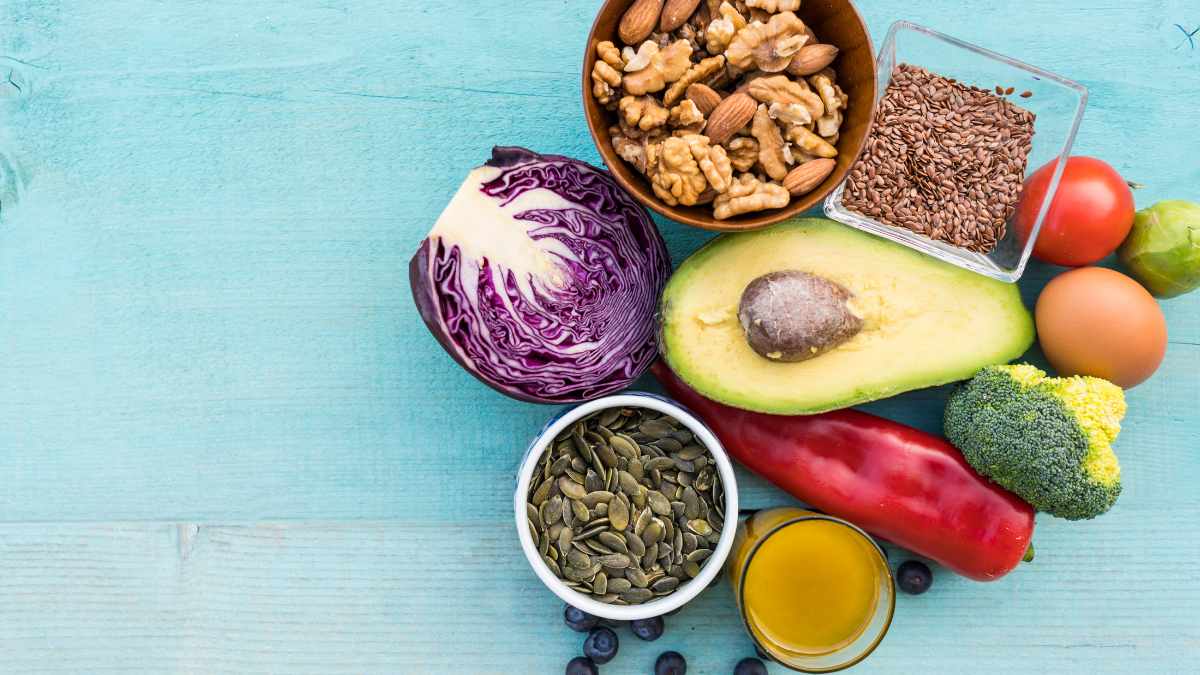
Some of the most popular low-carb vegetables include leafy greens such as spinach, kale, and arugula. These greens are incredibly versatile and can be used in salads, smoothies, or cooked dishes. They are rich in vitamins, minerals, and antioxidants, making them an excellent choice for anyone on a keto diet. Additionally, cruciferous vegetables like broccoli, cauliflower, and Brussels sprouts are also low in carbohydrates and high in fiber, providing numerous health benefits.
Other low-carb options include zucchini, bell peppers, and asparagus. Zucchini can be spiralized into noodles as a low-carb alternative to traditional pasta, while bell peppers add color and crunch to salads and stir-fries. Asparagus is not only low in carbs but also a good source of vitamins A, C, and K, as well as folate. By incorporating a wide range of these vegetables, you can create satisfying and nutritious meals that align with keto principles.
It’s also worth noting that certain herbs and spices can enhance the flavor of low-carb vegetables without adding significant carbohydrates. Fresh herbs like basil, cilantro, and parsley can elevate the taste of dishes while providing additional nutrients. By experimenting with different combinations of low-carb vegetables, you can keep your meals exciting and enjoyable throughout your keto journey.
Top Keto-Friendly Vegetables: Nutritional Profiles Explained
When it comes to selecting the best vegetables for a keto diet, understanding their nutritional profiles is essential. Here are some top keto-friendly vegetables and their key nutritional components:
-
Spinach: This leafy green is incredibly low in carbohydrates, with only about 1 gram of net carbs per cup when cooked. It is packed with vitamins A, C, and K, as well as iron and calcium, making it a nutrient-dense choice for keto dieters.
-
Broccoli: With around 4 grams of net carbs per cup, broccoli is an excellent source of fiber, vitamins C and K, and folate. Its versatility allows it to be enjoyed steamed, roasted, or even blended into soups.
-
Cauliflower: A popular substitute for grains and legumes, cauliflower contains about 3 grams of net carbs per cup. It can be used to make cauliflower rice, pizza crusts, or mashed as a low-carb alternative to potatoes.
-
Zucchini: This summer squash is another low-carb favorite, with approximately 2 grams of net carbs per cup. Zucchini can be spiralized into noodles or grilled, providing a satisfying base for various dishes.
-
Bell Peppers: Colorful and flavorful, bell peppers contain about 4 grams of net carbs per cup. They are rich in vitamins A and C and can be enjoyed raw in salads or cooked in stir-fries.
By incorporating these vegetables into your meals, you can ensure that you are meeting your nutritional needs while staying within the carbohydrate limits of a keto diet. Each of these vegetables offers unique flavors and textures, allowing for a diverse and enjoyable eating experience.
Cooking Methods: Preserving Nutrients in Keto Vegetables
The way you prepare and cook vegetables can significantly impact their nutritional value. To maximize the benefits of low-carb vegetables on a keto diet, it is essential to choose cooking methods that preserve their nutrients. Steaming, sautéing, and roasting are some of the best techniques for retaining vitamins and minerals while enhancing flavor.
Steaming is one of the healthiest cooking methods, as it helps to retain water-soluble vitamins like vitamin C and various B vitamins. This method is particularly effective for leafy greens and cruciferous vegetables. By steaming these vegetables lightly, you can maintain their vibrant colors and crisp textures while ensuring they remain nutrient-dense.
Sautéing is another popular method that allows for quick cooking while preserving nutrients. Using healthy fats like olive oil or coconut oil can enhance the flavor of vegetables while providing additional healthy fats to your meal. This technique works well for vegetables like bell peppers, zucchini, and asparagus, allowing them to retain their crunch and vibrant colors.
Roasting vegetables is an excellent way to bring out their natural sweetness and flavors. While this method may cause some loss of certain vitamins, it can enhance the overall taste and texture of vegetables like broccoli, cauliflower, and Brussels sprouts. Roasting at high temperatures for a short period can help caramelize the sugars in the vegetables, making them more enjoyable to eat.
Regardless of the cooking method chosen, it is essential to avoid overcooking vegetables, as this can lead to nutrient loss. Aim for a balance between cooking them enough to enhance flavor and texture while retaining their nutritional value. By being mindful of cooking techniques, you can enjoy the full benefits of low-carb vegetables on your keto journey.
Incorporating Vegetables: Meal Planning for Keto Success
Incorporating vegetables into a keto meal plan requires thoughtful consideration to ensure that you remain within carbohydrate limits while maximizing nutrient intake. Meal planning is a powerful tool that can help you achieve success on the keto diet. By preparing meals in advance, you can ensure that you have a variety of low-carb vegetables on hand and reduce the temptation to reach for high-carb options.
Start by creating a weekly meal plan that includes a diverse range of low-carb vegetables. Consider incorporating a variety of cooking methods to keep meals interesting. For instance, you might plan to have steamed broccoli with grilled chicken one night, a zucchini noodle stir-fry the next, and a roasted cauliflower side dish with steak on another evening. This variety not only enhances flavor but also ensures that you receive a wide array of nutrients.
In addition to planning main meals, consider how you can incorporate vegetables into snacks and side dishes. Raw vegetables with a healthy dip, such as guacamole or ranch dressing, can make for satisfying and nutritious snacks. Salads made with leafy greens, topped with keto-friendly ingredients like avocado, nuts, and cheese, can serve as excellent side dishes or even main meals.
Finally, keep track of your vegetable intake and net carbohydrates using a food diary or a tracking app. This will help you stay accountable and ensure that you are meeting your nutritional goals while adhering to the principles of the keto diet. By being intentional about your vegetable consumption and meal planning, you can enjoy the benefits of a low-carb lifestyle while maintaining a balanced and healthful diet.
Conclusions:
Incorporating the right vegetables into a keto diet is essential for achieving nutritional balance and supporting overall health. By focusing on low-carb, nutrient-dense options, you can enjoy a variety of flavors and textures while staying within carbohydrate limits. Understanding cooking methods and meal planning strategies further enhances your ability to maintain a successful keto lifestyle. With careful consideration and creativity, vegetables can play a vital role in your ketogenic journey, providing essential nutrients and contributing to your overall well-being.
Read more
- Keto Diet Basics – A comprehensive overview of the ketogenic diet, including its principles and benefits.
- Low-Carb Vegetables – A detailed list of low-carb vegetables suitable for a keto diet, along with their nutritional profiles.
- Cooking Methods for Vegetables – An informative article discussing various cooking methods and their impact on nutrient retention in vegetables.
- Meal Planning on Keto – A guide to effective meal planning for a ketogenic diet, including tips for incorporating vegetables.
- Nutritional Benefits of Vegetables – A resource detailing the nutritional benefits of various vegetables and their role in a balanced diet.