Introduction:
The ketogenic diet, commonly referred to as keto, has gained significant popularity over the years as a method for weight loss and improved health. This low-carbohydrate, high-fat diet aims to shift the body’s metabolism from burning glucose to burning fat for energy. While many foods are encouraged on a keto diet, certain vegetables must be limited or avoided entirely due to their carbohydrate content. Understanding which vegetables fit into a ketogenic lifestyle is crucial for maintaining the desired state of ketosis.
Understanding the Ketogenic Diet and Its Restrictions
The ketogenic diet primarily focuses on drastically reducing carbohydrate intake while increasing fat consumption. This macronutrient shift prompts the body to enter a metabolic state known as ketosis, where it becomes efficient at burning fat for energy. To achieve and maintain ketosis, individuals typically aim for a daily carbohydrate intake of around 20 to 50 grams. This restriction means that not all vegetables can be included in a keto diet, particularly those that are high in carbohydrates.
In the context of the ketogenic diet, not all vegetables are created equal. While many vegetables are low in carbs and rich in nutrients, others can significantly hinder progress by contributing excessive carbohydrates. Therefore, understanding the carbohydrate content of various vegetables is essential for anyone looking to adhere to a strict keto regimen.
Moreover, the quality of the carbohydrates consumed is just as important as the quantity. The focus should be on low-glycemic vegetables that provide essential vitamins and minerals without spiking blood sugar levels. This understanding is crucial for individuals aiming to optimize their health while following a ketogenic lifestyle.
Lastly, it is important to recognize that the keto diet is not just about restriction; it is also about making informed choices. By learning which vegetables are high in carbohydrates, individuals can better navigate their dietary options and maintain a balanced intake of nutrients while staying within their carbohydrate limits.
The Role of Carbohydrates in a Keto Diet
Carbohydrates serve as the primary source of energy for the body, but on a ketogenic diet, their role shifts dramatically. The goal is to minimize carbohydrate intake to force the body to utilize fat as its main fuel source. This metabolic shift can lead to various benefits, including weight loss, improved mental clarity, and increased energy levels. However, consuming too many carbohydrates can easily disrupt this process.
In essence, carbohydrates can be categorized into simple and complex forms. Simple carbohydrates, found in sugary foods and some starchy vegetables, can lead to rapid spikes in blood sugar. Complex carbohydrates, on the other hand, are found in whole grains and legumes but are still not suitable for a ketogenic diet due to their higher carb content.
When it comes to vegetables, the focus should be on those that are low in carbohydrates but high in fiber, vitamins, and minerals. Fiber plays a crucial role in digestive health and can help mitigate some of the digestive issues that may arise on a high-fat diet. However, it is essential to monitor the total carbohydrate intake, as fiber is still counted towards the daily limit.
Ultimately, understanding the role of carbohydrates in a keto diet is vital for making informed food choices. By prioritizing low-carb vegetables, individuals can enjoy a variety of flavors and textures while still adhering to their dietary goals.
High-Carb Vegetables: A Comprehensive List
Certain vegetables are notoriously high in carbohydrates and should be avoided on a ketogenic diet. These include starchy vegetables such as potatoes, sweet potatoes, corn, and peas. For instance, a medium-sized potato contains approximately 37 grams of carbohydrates, which can quickly exceed the daily limit for those on a keto diet.
Other vegetables that fall into the high-carb category include carrots, beets, and parsnips. While these vegetables offer nutritional benefits, their carbohydrate content can be problematic. For example, one cup of cooked carrots contains about 12 grams of carbohydrates, which can add up quickly when combined with other foods throughout the day.
Additionally, certain legumes, such as beans and lentils, are often considered healthy but are high in carbohydrates. A cup of cooked black beans contains around 40 grams of carbohydrates, making them unsuitable for a keto diet.
It’s essential to be mindful of portion sizes when consuming vegetables, as even low-carb options can contribute to the overall carb count if consumed in large quantities. By recognizing which vegetables are high in carbohydrates, individuals can make better choices that align with their ketogenic goals.
Analyzing the Glycemic Index of Common Vegetables
The glycemic index (GI) measures how quickly foods raise blood sugar levels. Foods with a high GI can lead to rapid spikes in blood sugar, which is counterproductive for those on a ketogenic diet. Understanding the GI of various vegetables can help individuals choose options that are more compatible with their dietary goals.
For example, vegetables like zucchini, spinach, and broccoli have a low glycemic index and are excellent choices for a ketogenic diet. In contrast, vegetables like potatoes and corn have a high GI, which can lead to increased blood sugar levels and should be avoided.
The glycemic load (GL) is another important factor to consider, as it takes into account both the GI and the carbohydrate content of a food. Vegetables with a low glycemic load are preferable on a keto diet, as they provide essential nutrients without significantly impacting blood sugar levels.
Incorporating low-GI vegetables into meals can enhance the nutritional profile while helping to maintain stable energy levels. This approach not only supports ketosis but also promotes overall health and well-being.
Alternatives to Non-Keto Vegetables for Nutritional Balance
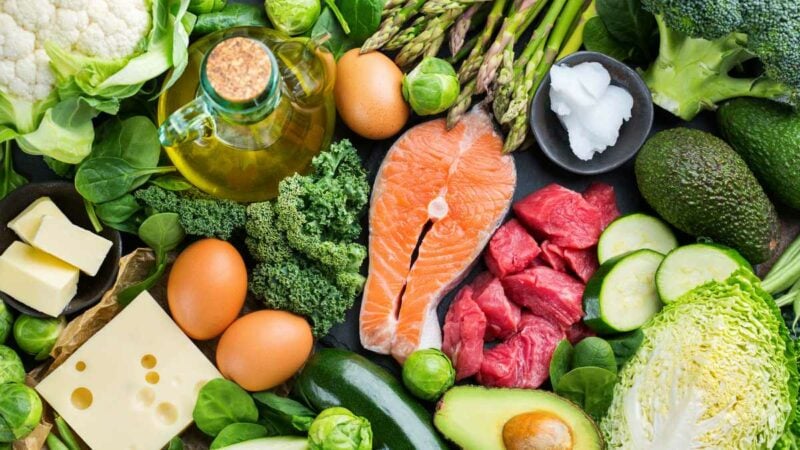
Finding alternatives to high-carb vegetables is essential for maintaining a balanced diet on a ketogenic plan. Leafy greens such as spinach, kale, and arugula are excellent substitutes that provide essential vitamins and minerals without the added carbohydrates. These greens are versatile and can be used in salads, smoothies, or as a base for various dishes.
Cruciferous vegetables like cauliflower, broccoli, and Brussels sprouts are also fantastic options. Cauliflower, in particular, has gained popularity as a low-carb substitute for rice and mashed potatoes, making it a staple in many keto recipes. These vegetables are not only low in carbs but also high in fiber, promoting digestive health.
Another alternative is to incorporate mushrooms, which are low in carbohydrates and rich in nutrients. They can add depth of flavor to various dishes and serve as a meat substitute in vegetarian meals.
By focusing on these alternatives, individuals on a ketogenic diet can still enjoy a wide variety of flavors and textures while ensuring they meet their nutritional needs. This approach can help prevent feelings of deprivation and make the diet more sustainable in the long term.
Practical Tips for Incorporating Keto-Friendly Vegetables
Incorporating keto-friendly vegetables into your diet can be both enjoyable and straightforward. One effective strategy is to plan meals around low-carb vegetables, ensuring they form the foundation of your dishes. For instance, using zucchini noodles instead of traditional pasta can create a satisfying meal without the excess carbohydrates.
Another tip is to experiment with different cooking methods. Roasting, grilling, or sautéing vegetables can enhance their flavors and make them more appealing. Adding herbs and spices can also elevate the taste, making it easier to enjoy a variety of low-carb options.
Meal prepping is another practical approach to ensure that keto-friendly vegetables are readily available. By washing, chopping, and storing vegetables in advance, individuals can save time during the week and reduce the temptation to reach for high-carb options.
Lastly, staying informed about the carbohydrate content of various vegetables can empower individuals to make better choices. Utilizing apps or websites that provide nutritional information can aid in meal planning and help maintain adherence to the ketogenic diet.
Conclusions:
Navigating the world of vegetables on a ketogenic diet can be challenging, but it is essential for achieving and maintaining ketosis. By understanding the carbohydrate content, glycemic index, and suitable alternatives, individuals can make informed choices that align with their dietary goals. Emphasizing low-carb, nutrient-dense vegetables can lead to a more enjoyable and sustainable ketogenic lifestyle.
Read more:
- Keto Diet Basics – A comprehensive overview of the ketogenic diet, including its benefits and restrictions.
- The Glycemic Index Explained – A detailed explanation of the glycemic index and its relevance to carbohydrate management.
- Low-Carb Vegetables for Keto – A guide to low-carb vegetables that are suitable for a ketogenic diet.
- Vegetable Carbohydrate Content – The USDA FoodData Central database provides detailed nutritional information on various vegetables.
- Meal Prep for Keto – Tips and strategies for meal prepping on a ketogenic diet to ensure adherence and variety.