

Introduction:
The ketogenic diet has gained immense popularity as a weight loss and health improvement strategy. This low-carbohydrate, high-fat diet encourages the body to enter a state of ketosis, where it burns fat for fuel instead of carbohydrates. However, not all vegetables fit neatly into this dietary framework. Understanding which vegetables are not keto-approved is crucial for anyone looking to maximize the benefits of this diet while avoiding potential pitfalls.
Understanding the Keto Diet and Its Vegetable Restrictions
The ketogenic diet typically restricts carbohydrate intake to about 20-50 grams per day, which necessitates careful selection of foods, including vegetables. The primary goal is to reduce carbohydrate consumption to a level that encourages the body to enter ketosis. In this state, the body becomes highly efficient at burning fat for energy, leading to weight loss and improved metabolic health.
Vegetables, while generally healthy, can contain varying amounts of carbohydrates. This makes it essential for those on a keto diet to be discerning about which vegetables they consume. Certain vegetables, particularly those that are starchy or high in sugars, can quickly add up in carbohydrate content. Therefore, understanding the carbohydrate content of vegetables is vital for maintaining ketosis.
In addition to carbohydrate content, the fiber content of vegetables can also play a role in their keto-friendliness. Fiber is a type of carbohydrate that the body cannot digest, and it does not impact blood sugar levels. This means that non-starchy vegetables that are high in fiber can often be consumed in larger quantities without affecting ketosis.
Ultimately, the key to successfully navigating the vegetable landscape on a ketogenic diet lies in knowledge and awareness. By understanding which vegetables are high in carbohydrates, individuals can make informed choices that align with their dietary goals.
Identifying High-Carbohydrate Vegetables to Avoid
When it comes to vegetables, not all are created equal in terms of carbohydrate content. High-carbohydrate vegetables can significantly impact daily carb limits and potentially disrupt ketosis. Common culprits include root vegetables, legumes, and certain squashes.
Root vegetables, such as potatoes, sweet potatoes, and carrots, are particularly high in starch and sugars. For example, a medium-sized potato can contain over 30 grams of carbohydrates, making it a poor choice for a keto diet. Similarly, sweet potatoes, while nutritious, are also high in carbs and should be avoided or consumed in very limited quantities.
Legumes, including beans and lentils, are another category of vegetables that should be limited on a keto diet. Despite being rich in protein and fiber, they also come with a hefty carbohydrate load. A cup of cooked black beans, for instance, can contain around 40 grams of carbohydrates, which is more than the daily limit for many individuals on a ketogenic diet.
Certain squashes, such as butternut and acorn squash, while delicious, are also high in carbohydrates. These vegetables can contain upwards of 15 grams of carbs per cup, making them less than ideal for those trying to maintain a state of ketosis. Understanding these categories of vegetables is crucial for anyone serious about adhering to the ketogenic lifestyle.
The Impact of Starchy Vegetables on Ketosis
Starchy vegetables are particularly detrimental to those following a ketogenic diet. These vegetables are high in carbohydrates, which can raise blood sugar levels and kick the body out of ketosis. The body relies on a delicate balance of carbohydrates and fats, and introducing starchy vegetables can disrupt this balance.
When starchy vegetables are consumed, they are broken down into glucose, leading to an increase in blood sugar levels. This spike in blood sugar can trigger insulin production, which signals the body to store fat rather than burn it. As a result, individuals may find it challenging to maintain the fat-burning state that is central to the ketogenic diet.
Moreover, the presence of insulin can lead to cravings and increased hunger, making it difficult to stick to the diet. This cycle can create a frustrating experience for those trying to lose weight or improve their metabolic health. Therefore, avoiding starchy vegetables is essential for maintaining the benefits of ketosis.
In summary, the impact of starchy vegetables on ketosis cannot be overstated. Their high carbohydrate content can derail progress and make it difficult to achieve desired health outcomes. Understanding this relationship is vital for anyone committed to the ketogenic lifestyle.
Analyzing the Glycemic Index of Common Vegetables
The glycemic index (GI) is a measure of how quickly a food raises blood sugar levels. Foods with a high GI can lead to rapid spikes in blood sugar, which is particularly concerning for those on a ketogenic diet. By analyzing the GI of common vegetables, individuals can make more informed choices about what to include in their meals.
Low-GI vegetables, such as leafy greens, broccoli, and cauliflower, are excellent choices for a ketogenic diet. These vegetables have minimal impact on blood sugar levels and are low in carbohydrates, making them ideal for maintaining ketosis. In contrast, high-GI vegetables, like carrots and beets, can raise blood sugar levels significantly and should be consumed in moderation.
It’s important to note that the GI of a vegetable can be influenced by how it is prepared. For example, cooking methods can alter the carbohydrate structure and, consequently, the GI. Steamed or raw vegetables typically have a lower GI than those that are boiled or mashed.
Understanding the glycemic index of vegetables can provide valuable insight into how they will affect the body. By prioritizing low-GI options, individuals on a ketogenic diet can better manage their carbohydrate intake and maintain stable blood sugar levels.
Non-Keto-Approved Vegetables: A Comprehensive List
To simplify the process of selecting vegetables on a ketogenic diet, it can be helpful to have a comprehensive list of non-keto-approved options. This list includes vegetables that are high in carbohydrates and should generally be avoided.
- Potatoes: Both white and sweet potatoes are high in starch and should be avoided.
- Corn: Often considered a vegetable, corn is actually a grain and is high in carbohydrates.
- Carrots: While nutritious, carrots are relatively high in sugar compared to other vegetables.
- Beets: These root vegetables are also high in sugar and should be limited.
- Peas: Green peas contain a significant amount of carbohydrates and can disrupt ketosis.
Other vegetables to watch out for include parsnips, butternut squash, and acorn squash. These vegetables, while healthy in moderation, can quickly add up in carbohydrate content.
By being aware of these non-keto-approved vegetables, individuals can avoid common pitfalls and make better choices that align with their dietary goals. This knowledge empowers individuals to navigate their food choices more effectively.
Strategies for Incorporating Low-Carb Veggies in Meals
Incorporating low-carb vegetables into meals is essential for anyone on a ketogenic diet. These vegetables provide essential nutrients without compromising carbohydrate limits. Here are some strategies to effectively include them in your diet.
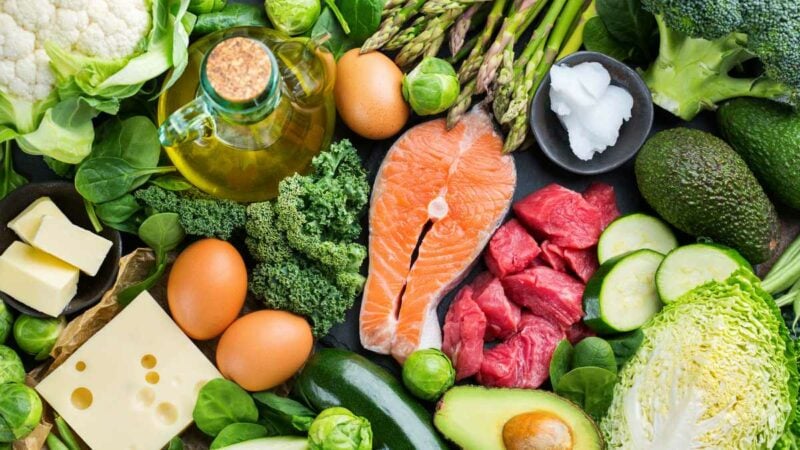
First, prioritize leafy greens such as spinach, kale, and arugula. These vegetables are low in carbohydrates and can be used as the base for salads or added to smoothies. They are also versatile and can be sautéed, steamed, or used in soups.
Second, consider using cauliflower as a substitute for higher-carb ingredients. Cauliflower can be riced, mashed, or even used to make pizza crusts. This vegetable is incredibly adaptable and can help satisfy cravings for traditional carb-heavy foods.
Third, incorporate cruciferous vegetables like broccoli and Brussels sprouts into your meal plans. These vegetables are not only low in carbs but also rich in fiber and vitamins. Roasting or steaming them can enhance their flavor and make them a delicious side dish.
Lastly, don’t forget about herbs and spices. Fresh herbs like cilantro, parsley, and basil can add flavor and nutrition without adding significant carbohydrates. Utilizing these strategies can help ensure that meals remain interesting and satisfying while adhering to the principles of the ketogenic diet.
Conclusions:
Navigating the world of vegetables on a ketogenic diet can be challenging, but understanding which vegetables are not keto-approved is crucial for maintaining ketosis. By focusing on low-carb, high-fiber options and avoiding starchy vegetables, individuals can optimize their dietary choices. Implementing effective strategies for incorporating low-carb veggies into meals can make the ketogenic lifestyle both enjoyable and sustainable.
Read more:
- Keto Diet Basics – A comprehensive overview of the ketogenic diet and its principles.
- Understanding Glycemic Index – Information on the glycemic index and its relevance to dietary choices.
- Low-Carb Vegetables – A list of low-carb vegetables suitable for a ketogenic diet.
- The Impact of Starchy Foods – A study on the effects of starchy foods on blood sugar levels.
- Keto-Friendly Recipes – A resource for finding delicious keto-friendly recipes that incorporate low-carb vegetables.