

Introduction:
The ketogenic diet has gained immense popularity in recent years as a powerful approach to weight loss and improved health. By drastically reducing carbohydrate intake and replacing it with fat, the body enters a state of ketosis, where it becomes highly efficient at burning fat for energy. Breakfast, often touted as the most important meal of the day, poses unique challenges and opportunities for those adhering to a keto lifestyle. Understanding the nutritional needs and making informed choices can pave the way for a successful start to your day on a ketogenic diet.
Understanding the Ketogenic Diet and Its Nutritional Needs
The ketogenic diet primarily focuses on a high-fat, moderate-protein, and very low-carbohydrate intake. This macronutrient distribution is crucial for achieving and maintaining ketosis, where the body shifts from using glucose as its primary fuel source to utilizing ketones derived from fat. Typically, the macronutrient ratio for a ketogenic diet is approximately 70-75% fat, 20-25% protein, and 5-10% carbohydrates.
For breakfast, this means selecting foods that are rich in healthy fats while being low in carbohydrates. Understanding the nutritional needs of this diet is essential for creating meals that not only satisfy hunger but also support metabolic health. Foods such as avocados, eggs, and nuts are excellent sources of fat and protein, making them staples in a keto breakfast.
Additionally, it’s important to consider the quality of the fats consumed. Healthy fats, such as those found in olive oil, coconut oil, and fatty fish, provide essential fatty acids and support overall health. Meanwhile, avoiding trans fats and processed oils is crucial for maintaining optimal health on a ketogenic diet.
Lastly, hydration plays a vital role in a ketogenic lifestyle. The body tends to excrete more water and electrolytes when in ketosis, so incorporating electrolyte-rich beverages or foods into breakfast can help maintain balance and prevent symptoms of the "keto flu."
Key Macronutrient Ratios for a Successful Keto Breakfast
When planning a keto breakfast, adhering to the correct macronutrient ratios is critical. A successful meal should ideally contain high levels of healthy fats, moderate protein, and minimal carbohydrates. This balance not only supports ketosis but also helps sustain energy levels throughout the morning.
For example, a breakfast composed of three scrambled eggs cooked in butter, accompanied by a side of avocado, provides a rich source of fats and protein while keeping carbohydrates low. This meal aligns well with the recommended macronutrient ratios, ensuring that you remain in ketosis while feeling satiated.
Another effective strategy is to incorporate keto-friendly smoothies. By using low-carb ingredients such as spinach, avocado, and unsweetened almond milk, you can create a nutrient-dense breakfast that is easy to prepare and consume on the go. Adding a scoop of protein powder can further enhance the protein content while keeping carbs in check.
It’s also beneficial to monitor portion sizes, as even keto-friendly foods can contribute to excess caloric intake if consumed in large quantities. Tracking your macronutrient intake can be a useful tool for ensuring that your breakfast aligns with your overall dietary goals.
Top Keto-Friendly Ingredients for Breakfast Options
To craft a delicious and satisfying keto breakfast, it’s essential to know which ingredients to include. Eggs are a quintessential keto staple, offering a wealth of protein and healthy fats. They can be prepared in various ways—scrambled, poached, or made into an omelet—making them versatile for any palate.
Avocados are another powerhouse ingredient, rich in monounsaturated fats and fiber. They can be enjoyed sliced, mashed, or blended into smoothies, providing a creamy texture that enhances many breakfast dishes. Furthermore, avocados are low in carbohydrates, making them an ideal choice for maintaining ketosis.
Nuts and seeds, such as almonds, chia seeds, and flaxseeds, are excellent additions as well. They provide healthy fats, protein, and essential nutrients, making them perfect for topping yogurt or oatmeal alternatives made from nuts. However, it’s important to be mindful of portion sizes, as they can be calorie-dense.
Lastly, full-fat dairy products like Greek yogurt and cheese can be included in a keto breakfast. They offer a good source of protein and fat, but opting for unsweetened and full-fat versions is crucial to keep carbohydrate intake low. These ingredients can be combined in various ways to create satisfying and nutritious meals.
Evaluating Popular Keto Breakfast Recipes and Their Benefits
There are numerous keto breakfast recipes that have gained popularity for their taste and nutritional benefits. For instance, keto pancakes made from almond flour or coconut flour are a fantastic alternative to traditional pancakes. They provide the same satisfying texture while keeping carbohydrates to a minimum, making them a great option for those craving something sweet.
Another popular choice is the keto breakfast casserole, which can be prepared in advance and enjoyed throughout the week. Typically made with eggs, cheese, and vegetables, this dish is packed with protein and healthy fats, offering a hearty start to the day. The ability to customize the ingredients also allows for a variety of flavors and textures.
Chia seed pudding is another excellent option that is both nutritious and easy to prepare. By soaking chia seeds in unsweetened almond milk overnight, you create a pudding-like consistency that can be flavored with vanilla or cocoa powder. This dish is rich in omega-3 fatty acids and fiber, promoting satiety and digestive health.
Lastly, smoothie bowls made with low-carb ingredients can provide a refreshing breakfast option. By blending spinach, avocado, and unsweetened coconut milk, you can create a nutrient-dense base that can be topped with nuts and seeds for added texture and flavor.
Meal Prep Strategies for Quick Keto Breakfast Solutions
Meal prepping can be a game-changer for those following a ketogenic diet, especially when it comes to breakfast. Preparing meals in advance not only saves time but also ensures that you have convenient, keto-friendly options readily available. One effective strategy is to batch-cook egg muffins. By whisking eggs with vegetables, cheese, and cooked meats, you can pour the mixture into muffin tins and bake them. These muffins can be stored in the refrigerator and reheated for a quick breakfast.
Another time-saving approach is to prepare overnight oats using chia seeds or flaxseeds instead of traditional oats. By mixing these seeds with unsweetened almond milk and letting them soak overnight, you create a satisfying breakfast that can be easily customized with various toppings.
Smoothie packs are also a fantastic option for those who prefer a quick, on-the-go breakfast. By pre-portioning your favorite low-carb ingredients into freezer bags, you can simply blend them with your choice of liquid in the morning for a nutritious meal in minutes.
Lastly, consider investing in a slow cooker or instant pot for preparing larger batches of breakfast dishes, such as breakfast casseroles or stews. This allows for minimal hands-on time while providing you with hearty meals that can be enjoyed throughout the week.
Common Mistakes to Avoid When Choosing Keto Breakfasts
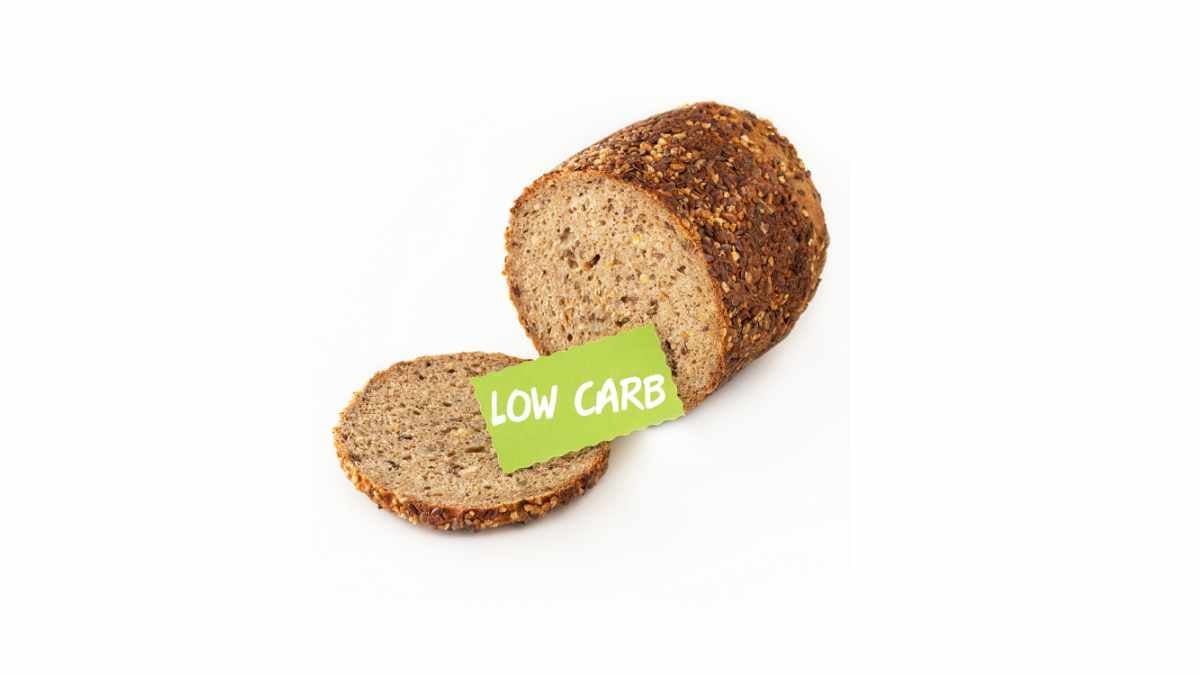
When navigating the world of keto breakfasts, it’s essential to be aware of common pitfalls that can derail your efforts. One of the most significant mistakes is underestimating carbohydrate content in seemingly healthy foods. Many products marketed as "low-carb" can still contain hidden sugars or high-carb ingredients, so always read labels carefully.
Another common error is relying too heavily on processed keto foods. While convenience is appealing, many packaged products can be high in unhealthy fats or additives. Prioritizing whole, natural foods is crucial for maintaining health and achieving long-term success on a ketogenic diet.
Additionally, some individuals may neglect the importance of balancing macronutrients. A breakfast that is overly focused on protein without sufficient fat can lead to increased hunger later in the day. Striking the right balance is key to staying satisfied and energized.
Finally, many people overlook the importance of hydration and electrolytes. As the body adjusts to ketosis, it excretes more water and electrolytes, which can lead to dehydration and imbalances. Incorporating electrolyte-rich foods or beverages into your breakfast routine can help mitigate these issues.
Conclusions:
Choosing the right breakfast on a ketogenic diet is vital for maintaining ketosis and supporting overall health. By understanding the nutritional needs, selecting appropriate ingredients, and avoiding common mistakes, you can create satisfying and delicious meals that align with your dietary goals. With careful planning and preparation, breakfast can become an enjoyable and nourishing part of your keto journey.
Read more
- Keto Diet Basics – A comprehensive guide to the ketogenic diet, covering its principles and benefits.
- Macronutrient Ratios for Keto – Detailed information on the ideal macronutrient ratios for a successful ketogenic diet.
- Keto Breakfast Ideas – A collection of keto-friendly breakfast recipes and ideas to inspire your morning meals.
- Meal Prep for Keto – Strategies and tips for effective meal prepping on a ketogenic diet.
- Common Keto Mistakes – An insightful article discussing common pitfalls to avoid while following a ketogenic diet.