

Se hai un abbonamento attivo ACCEDI QUI
Introduction:
The ketogenic diet, commonly referred to as the keto diet, has gained immense popularity for its potential benefits in weight loss and metabolic health. One of the most frequently asked questions by those new to this low-carb, high-fat diet is whether certain beloved foods, such as hamburgers, fit into their meal plans. This article delves into the suitability of hamburgers for the keto diet, examining their nutritional composition, potential alternatives, and expert opinions.
Understanding the Keto Diet Basics
The keto diet is a low-carbohydrate, high-fat diet designed to shift the body’s metabolism from glucose to ketones, which are derived from fat. By drastically reducing carbohydrate intake and replacing it with fat, the body enters a state known as ketosis. In ketosis, the liver converts fat into ketones, which serve as an alternative energy source for the brain and body.
The primary goal of the keto diet is to limit daily carbohydrate intake to about 20-50 grams, depending on individual tolerance and metabolic goals. This restriction forces the body to burn fat for fuel, which can lead to significant weight loss and improved metabolic markers. Protein intake is moderate, typically around 20% of daily calories, to prevent muscle loss and support bodily functions.
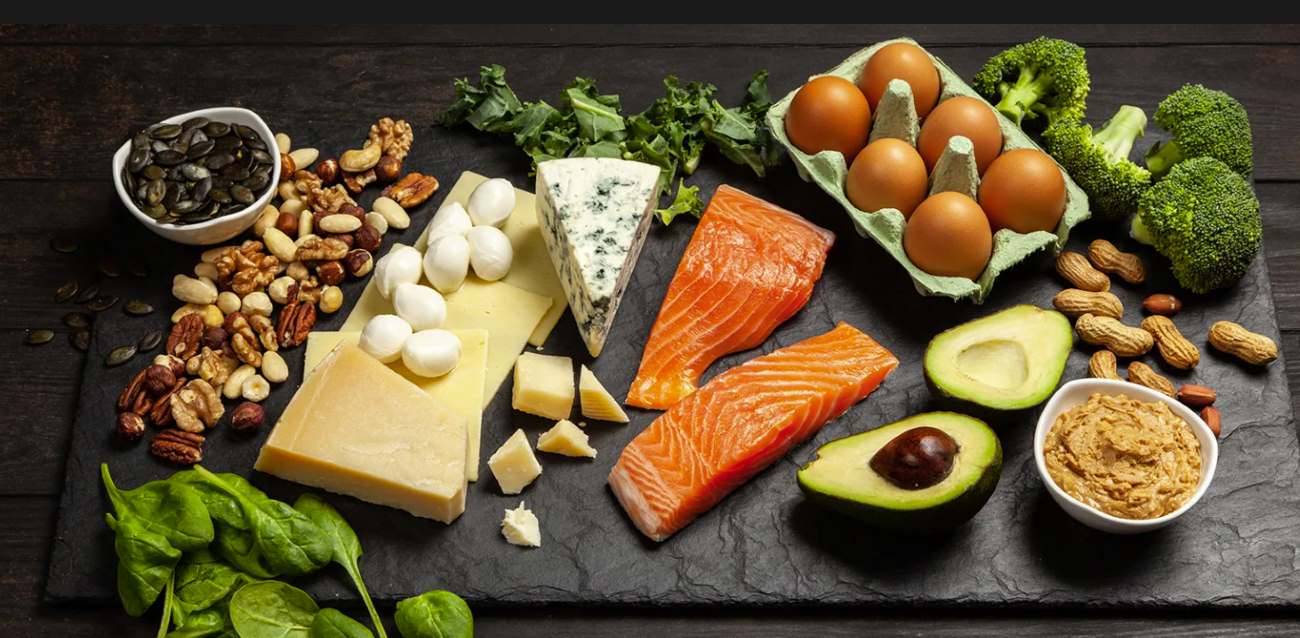
Foods commonly consumed on the keto diet include meats, fish, eggs, dairy, nuts, seeds, and low-carb vegetables. High-carb foods such as grains, legumes, fruits, and sugary products are minimized or eliminated. This dietary pattern can be challenging to maintain but offers various health benefits, including improved blood sugar control and reduced inflammation.
Adherence to the keto diet requires careful meal planning and a thorough understanding of food compositions. Many traditional meals, including hamburgers, need to be modified to fit within the diet’s strict carbohydrate limits. This often involves substituting high-carb components with keto-friendly alternatives.
Understanding the basics of the keto diet is crucial for anyone attempting to determine whether a particular food, like a hamburger, is suitable. By focusing on macronutrient ratios and the quality of food sources, individuals can make informed decisions that support their dietary goals.
Nutritional Composition of a Hamburger
A traditional hamburger consists of a beef patty, a bun, and various toppings such as lettuce, tomato, cheese, pickles, and condiments. Each component contributes to the overall nutritional profile, which includes macronutrients like protein, fat, and carbohydrates, as well as micronutrients such as vitamins and minerals.
The beef patty is the primary source of protein and fat in a hamburger. A typical 4-ounce beef patty contains approximately 20-25 grams of protein and 15-20 grams of fat, depending on the fat content of the meat. Beef is also rich in essential nutrients like iron, zinc, and B vitamins, which are important for overall health.
The hamburger bun, typically made from refined wheat flour, is the main source of carbohydrates in a traditional hamburger. A standard bun can contain anywhere from 20 to 30 grams of carbohydrates, which can significantly impact the total carb count of the meal. This high carb content is a major consideration for those on a keto diet.
Toppings and condiments can also affect the nutritional composition of a hamburger. For example, cheese adds additional fat and protein, while vegetables like lettuce and tomato contribute minimal carbohydrates and provide fiber and vitamins. Condiments such as ketchup and mayonnaise can vary in their carb content, with ketchup being relatively high in sugar.
When evaluating the suitability of a hamburger for the keto diet, it’s essential to consider each component’s macronutrient contribution. While the beef patty aligns well with keto principles due to its high fat and protein content, the bun poses a significant challenge due to its carbohydrate load.
By understanding the nutritional composition of a hamburger, individuals can make informed decisions about modifications needed to fit within their keto dietary framework. This often involves substituting or eliminating certain components to reduce the overall carbohydrate content.
Carbohydrate Content in Hamburger Buns
The hamburger bun is often the primary concern for those on a keto diet due to its high carbohydrate content. Traditional hamburger buns are made from refined wheat flour, which is high in carbohydrates and can quickly exceed the daily carb limit set by the keto diet.
A standard hamburger bun typically contains between 20 to 30 grams of carbohydrates. This amount alone can account for a significant portion of the daily carb allowance on a keto diet, which is generally restricted to 20-50 grams per day. Consuming a traditional bun can easily disrupt ketosis and hinder the diet’s effectiveness.
Refined wheat flour, the main ingredient in most hamburger buns, has a high glycemic index, meaning it can cause rapid spikes in blood sugar levels. This is counterproductive for those on a keto diet, as maintaining stable blood sugar levels is crucial for staying in ketosis and achieving the diet’s metabolic benefits.
In addition to the high carbohydrate content, traditional hamburger buns offer little in terms of nutritional value. They are often low in fiber, vitamins, and minerals, providing mostly empty calories. This lack of nutritional density makes them less desirable for those seeking to optimize their health on a keto diet.
For individuals on a keto diet, finding alternatives to traditional hamburger buns is essential. Options such as lettuce wraps, portobello mushroom caps, or keto-friendly buns made from almond flour or coconut flour can provide a low-carb solution while still allowing the enjoyment of a hamburger.
Understanding the carbohydrate content and nutritional shortcomings of traditional hamburger buns is crucial for anyone on a keto diet. By exploring and adopting alternative options, individuals can enjoy hamburgers without compromising their dietary goals.
Keto-Friendly Hamburger Alternatives
For those on a keto diet, finding suitable alternatives to traditional hamburger components is essential to enjoy this classic meal without exceeding carbohydrate limits. Several keto-friendly options can replace high-carb ingredients while maintaining the flavor and satisfaction of a hamburger.
One popular alternative to the traditional hamburger bun is using lettuce wraps. Large leaves of iceberg or romaine lettuce can encase the beef patty and toppings, providing a low-carb, crunchy alternative. Lettuce wraps are virtually carb-free and add a refreshing texture to the burger.
Another option is using portobello mushroom caps as a bun substitute. These large, meaty mushrooms can be grilled or roasted and used to sandwich the beef patty and toppings. Portobello mushrooms are low in carbohydrates and add a unique, savory flavor to the burger.
Keto-friendly buns made from almond flour, coconut flour, or flaxseed meal are also available. These alternatives are specifically designed to be low in carbohydrates while providing a bread-like texture. Many recipes for homemade keto buns can be found online, allowing for customization and control over ingredients.
For those who prefer a more substantial bun alternative, cloud bread, also known as oopsie bread, is a popular choice. Made from eggs and cream cheese, cloud bread is light, fluffy, and low in carbs. It can be baked into bun shapes and used as a substitute for traditional hamburger buns.
Finally, some individuals on a keto diet opt to enjoy their hamburger as a "naked" burger, without any bun or wrap. By focusing on the beef patty and toppings, they can create a satisfying meal that aligns with keto principles. Adding extra toppings such as avocado, bacon, and cheese can enhance the flavor and nutritional profile.
By exploring these keto-friendly hamburger alternatives, individuals can enjoy this classic dish without compromising their dietary goals. Each option offers a unique twist on the traditional hamburger, allowing for variety and creativity in meal planning.
Health Impacts of Hamburgers on Keto
Hamburgers, when modified to fit a keto diet, can offer several health benefits. The primary component, the beef patty, is a rich source of protein and healthy fats, which are essential macronutrients on a keto diet. Protein supports muscle maintenance and repair, while fats provide a sustained energy source.
Consuming hamburgers without the high-carb bun can help maintain ketosis, the metabolic state crucial for the keto diet’s effectiveness. By avoiding carbohydrate spikes, individuals can keep their blood sugar levels stable, which is beneficial for metabolic health and weight management.
The inclusion of nutrient-dense toppings such as avocado, cheese, and low-carb vegetables can enhance the nutritional profile of a keto-friendly hamburger. Avocado, for example, provides healthy monounsaturated fats, fiber, and essential vitamins and minerals. Cheese adds calcium and additional protein, while vegetables contribute fiber and micronutrients.
However, it’s important to consider the quality of the beef used in the hamburger. Grass-fed beef is often recommended over conventionally raised beef due to its higher content of omega-3 fatty acids and antioxidants. Choosing high-quality meat can improve the overall health benefits of the meal.
While hamburgers can be a healthy option on a keto diet, moderation is key. Overconsumption of red meat has been associated with certain health risks, including heart disease and colorectal cancer. Balancing hamburger consumption with other protein sources such as fish, poultry, and plant-based options is advisable.
In summary, hamburgers can be a nutritious and satisfying option on a keto diet when prepared with low-carb alternatives and high-quality ingredients. By focusing on the nutritional composition and variety, individuals can enjoy the health benefits while adhering to their dietary goals.
Expert Opinions on Keto and Hamburgers
Experts in nutrition and ketogenic diets offer varied perspectives on the inclusion of hamburgers in a keto meal plan. Many agree that with appropriate modifications, hamburgers can fit well within the dietary framework of keto, providing a balance of protein and healthy fats.
Dr. Eric Westman, a leading researcher in low-carb diets, emphasizes the importance of focusing on whole, unprocessed foods. He suggests that grass-fed beef patties, combined with low-carb toppings and alternatives to traditional buns, can make hamburgers a viable option for those on a keto diet.
Nutritionist Maria Emmerich, known for her expertise in ketogenic nutrition, advocates for creativity in meal planning. She recommends using alternatives like lettuce wraps or keto-friendly buns to enjoy hamburgers without compromising ketosis. Emmerich also highlights the importance of incorporating nutrient-dense toppings to enhance the meal’s overall nutritional value.
Dr. Dominic D’Agostino, a prominent researcher in ketogenic diets, underscores the significance of maintaining ketosis for metabolic health. He advises that individuals on a keto diet should be mindful of their carbohydrate intake and opt for hamburger modifications that align with their dietary goals. D’Agostino supports the use of high-quality meat and low-carb alternatives to traditional buns.
Dietitian Franziska Spritzler, who specializes in low-carb and ketogenic diets, points out that hamburgers can be a convenient and satisfying option for those on a keto diet. She encourages the use of homemade or carefully selected store-bought keto buns and emphasizes the importance of portion control and variety in the diet.
Overall, expert opinions suggest that hamburgers can be included in a keto diet with thoughtful modifications. By focusing on high-quality ingredients, low-carb alternatives, and balanced meal planning, individuals can enjoy hamburgers while adhering to their keto dietary goals.
Conclusion:
Hamburgers can be a suitable and enjoyable option for those on a keto diet with the right modifications. Understanding the keto diet basics, the nutritional composition of hamburgers, and the carbohydrate content in traditional buns is crucial. By exploring keto-friendly alternatives and considering the health impacts, individuals can make informed decisions. Expert opinions support the inclusion of modified hamburgers in a keto meal plan, emphasizing the importance of quality ingredients and balanced nutrition. With careful planning and creativity, hamburgers can fit seamlessly into a keto lifestyle.
Read More…
- The Ketogenic Diet: A Detailed Beginner’s Guide to Keto – Healthline provides an in-depth guide to understanding the ketogenic diet, including its benefits and potential risks.
- Nutritional Information for a Beef Patty – The USDA FoodData Central offers detailed nutritional information on various foods, including beef patties.
- Carbohydrate Content in Common Foods – NutritionValue.org provides comprehensive data on the carbohydrate content of various foods, including hamburger buns.
- Keto-Friendly Hamburger Bun Recipes – Diet Doctor offers a variety of keto-friendly bun recipes that can be used as alternatives to traditional hamburger buns.
- Expert Opinions on the Keto Diet – Diet Doctor features insights and opinions from leading experts in ketogenic and low-carb diets.