

Se hai un abbonamento attivo ACCEDI QUI
Keto Diet Breakfast Options: What to Eat
Introduction:
The ketogenic diet, commonly known as the keto diet, has gained widespread popularity for its potential benefits in weight loss, improved mental clarity, and enhanced energy levels. Central to the success of this diet is the careful planning of meals, especially breakfast, which sets the tone for the rest of the day. In this article, we will delve into the essentials of keto diet breakfasts, covering the basics, key nutritional principles, food options, recipes, common mistakes, and expert tips to help you optimize your morning meal.
Understanding the Basics of Keto Diet Breakfasts
The keto diet is a low-carbohydrate, high-fat diet that encourages the body to enter a state of ketosis, where it burns fat for fuel instead of carbohydrates. Breakfast on a keto diet should, therefore, be low in carbs and high in healthy fats and moderate in protein. This macronutrient balance helps maintain ketosis and provides sustained energy throughout the day.
A typical keto breakfast avoids traditional high-carb foods such as bread, cereals, and fruits. Instead, it focuses on foods rich in fats like avocados, eggs, and nuts. Incorporating these foods into your breakfast can help you stay full longer and reduce cravings for unhealthy snacks.
It’s important to note that the quality of fats consumed is crucial. Opt for healthy fats such as those found in olive oil, coconut oil, and fatty fish. Avoid trans fats and highly processed oils, which can negatively impact your health.
Hydration is another key aspect of a keto breakfast. Drinking water or keto-friendly beverages like bulletproof coffee (coffee with added fats like butter or MCT oil) can help you stay hydrated and support metabolic processes.
Planning your keto breakfast in advance can save time and ensure you have the right ingredients on hand. Meal prepping can be particularly useful, allowing you to enjoy a nutritious breakfast even on busy mornings.
Lastly, listen to your body. Everyone’s nutritional needs and responses to the keto diet can vary. Adjust your breakfast choices based on how you feel and your specific health goals.
Key Nutritional Principles of Keto Breakfasts
The primary nutritional principle of a keto breakfast is to keep carbohydrate intake very low, typically below 20-50 grams per day. This restriction forces the body to use fat as its primary energy source, leading to the production of ketones.
Protein intake should be moderate. While protein is essential for muscle maintenance and repair, excessive protein can be converted into glucose through gluconeogenesis, potentially disrupting ketosis. Aim for about 20-25% of your daily calories from protein.
Fats should make up the majority of your calorie intake, around 70-75%. Focus on healthy fats like those from avocados, nuts, seeds, and oils. These fats provide energy, support cell function, and help absorb fat-soluble vitamins.
Fiber is another important component, even though it is technically a carbohydrate. Since fiber is not digested and absorbed in the same way as other carbs, it does not affect blood sugar levels. Include fiber-rich, low-carb vegetables like spinach and kale in your breakfast to support digestive health.
Micronutrients, such as vitamins and minerals, should not be overlooked. A well-rounded keto breakfast should include foods that provide essential nutrients like potassium, magnesium, and vitamins B and C. These can be found in leafy greens, nuts, and seeds.
Lastly, consider the glycemic index (GI) of the foods you consume. Foods with a low GI have a minimal impact on blood sugar levels, which is beneficial for maintaining ketosis and preventing insulin spikes.
High-Fat, Low-Carb Breakfast Foods to Consider
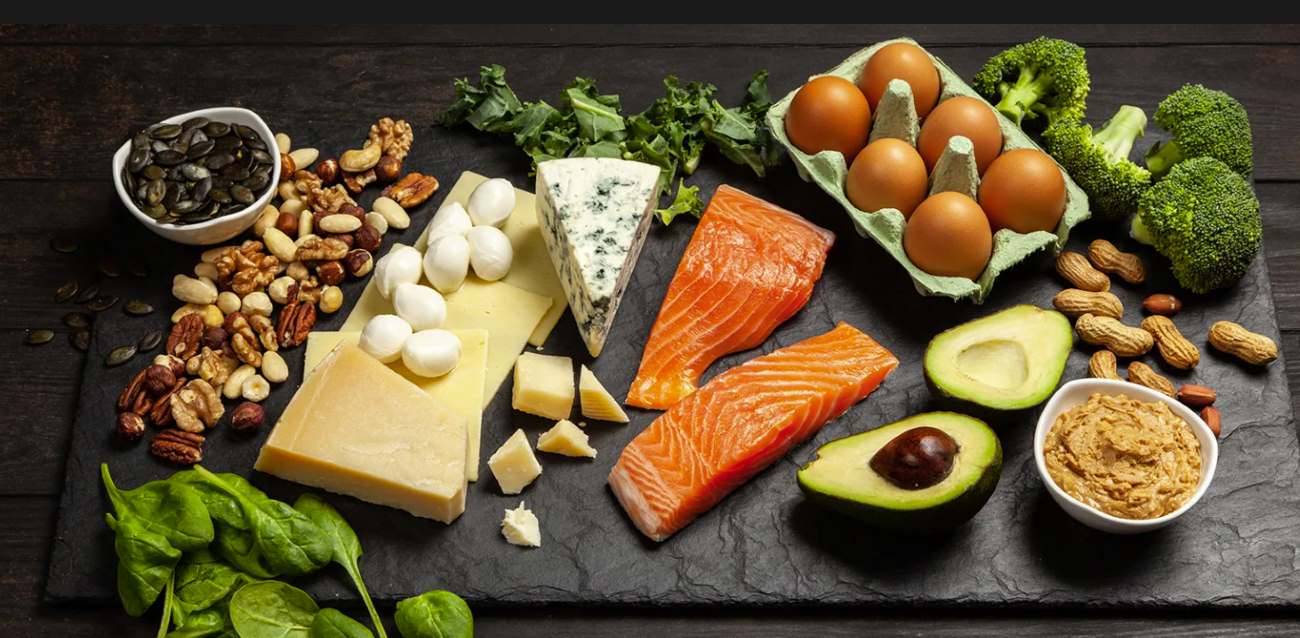
Eggs are a staple in keto breakfasts due to their versatility and nutrient density. They are an excellent source of high-quality protein and healthy fats. You can prepare them scrambled, boiled, poached, or as an omelet with low-carb vegetables.
Avocados are another keto-friendly food, rich in healthy monounsaturated fats and fiber. They can be sliced and added to eggs, blended into smoothies, or enjoyed on their own with a sprinkle of salt and pepper.
Nuts and seeds, such as almonds, chia seeds, and flaxseeds, provide a good source of fats and fiber. They can be used to make keto-friendly granola or added to yogurt for a crunchy texture.
Cheese and full-fat dairy products, like Greek yogurt and cream cheese, are also suitable for keto breakfasts. They offer fats and proteins while being low in carbs. Pair them with nuts or use them in keto-friendly recipes.
Fatty fish, such as salmon and mackerel, can be included in your breakfast for a boost of omega-3 fatty acids. Smoked salmon with cream cheese on a cucumber slice is a delicious and nutritious option.
Lastly, consider using coconut oil or MCT oil in your breakfast. These oils are easily converted into ketones and can provide a quick source of energy. They can be added to coffee, smoothies, or used in cooking.
Quick and Easy Keto Breakfast Recipes
1. Keto Avocado and Egg Bowl
Ingredients:
- 1 ripe avocado
- 2 eggs
- Salt and pepper to taste
- 1 tablespoon olive oil
Instructions:
- Cut the avocado in half and remove the pit.
- Scoop out a bit of the flesh to create a larger cavity.
- Crack an egg into each half of the avocado.
- Season with salt and pepper.
- Drizzle with olive oil.
- Bake at 375°F (190°C) for 15-20 minutes until the eggs are set.
2. Keto Chia Seed Pudding
Ingredients:
- 3 tablespoons chia seeds
- 1 cup unsweetened almond milk
- 1 teaspoon vanilla extract
- Stevia or erythritol to taste
Instructions:
- Mix all ingredients in a bowl.
- Stir well to combine.
- Refrigerate overnight.
- Stir before serving and top with nuts or berries.
3. Keto Spinach and Cheese Omelet
Ingredients:
- 2 eggs
- 1/2 cup fresh spinach
- 1/4 cup shredded cheese
- Salt and pepper to taste
- 1 tablespoon butter
Instructions:
- Beat the eggs in a bowl.
- Heat butter in a pan over medium heat.
- Add spinach and cook until wilted.
- Pour in the eggs and cook until they start to set.
- Sprinkle cheese on top.
- Fold the omelet and cook until cheese is melted.
4. Keto Bulletproof Coffee
Ingredients:
- 1 cup brewed coffee
- 1 tablespoon unsalted butter
- 1 tablespoon MCT oil
Instructions:
- Brew a cup of coffee.
- Add butter and MCT oil.
- Blend until frothy.
- Serve immediately.
5. Keto Almond Flour Pancakes
Ingredients:
- 1 cup almond flour
- 2 eggs
- 1/4 cup unsweetened almond milk
- 1 teaspoon baking powder
- Stevia or erythritol to taste
Instructions:
- Mix all ingredients in a bowl.
- Heat a non-stick pan over medium heat.
- Pour batter to form small pancakes.
- Cook until bubbles form on the surface, then flip.
- Cook until golden brown.
Common Mistakes in Keto Breakfast Planning
One common mistake is not consuming enough fats. Since the keto diet relies heavily on fat for energy, skimping on this macronutrient can leave you feeling tired and hungry. Ensure your breakfast includes sufficient healthy fats to keep you satiated.
Another mistake is overconsuming protein. While protein is important, too much can kick you out of ketosis. Balance your protein intake and focus more on fats to maintain ketosis.
Skipping vegetables is a frequent error. Vegetables provide essential vitamins, minerals, and fiber. Incorporate low-carb vegetables like spinach, kale, and bell peppers into your breakfast to ensure a well-rounded meal.
Relying too heavily on processed keto products can be detrimental. Many packaged keto foods contain hidden carbs and unhealthy ingredients. Opt for whole, unprocessed foods to maximize the benefits of the keto diet.
Neglecting hydration can also be problematic. The keto diet has a diuretic effect, increasing the need for fluids. Start your day with a glass of water and continue to hydrate throughout the day.
Lastly, not planning ahead can lead to poor food choices. Meal prepping and planning your breakfasts in advance can help you stick to your keto goals and avoid the temptation of high-carb foods.
Expert Tips for Optimizing Your Keto Breakfast
Start your day with a balanced keto breakfast that includes a variety of nutrients. Incorporate a mix of healthy fats, moderate protein, and low-carb vegetables to ensure you get a well-rounded meal.
Experiment with different recipes to keep your breakfasts interesting. Variety can help you stay committed to the keto diet and prevent meal fatigue. Try new ingredients and cooking methods to discover your favorite keto breakfast options.
Use high-quality ingredients. Opt for organic, grass-fed, and free-range products whenever possible. These options are often more nutrient-dense and free from harmful additives.
Consider intermittent fasting. Some keto dieters find that skipping breakfast and having their first meal later in the day helps them maintain ketosis and manage their calorie intake. Listen to your body and find a routine that works for you.
Monitor your ketone levels. Using tools like ketone strips or a blood ketone meter can help you track your progress and ensure you are staying in ketosis. Adjust your breakfast choices based on your readings.
Stay informed and seek advice from experts. The keto diet is constantly evolving, and new research is emerging. Follow reputable sources and consult with healthcare professionals to stay updated and make informed decisions about your diet.
Conclusion:
A well-planned keto breakfast is essential for maintaining ketosis and achieving your health goals. By understanding the basics, adhering to key nutritional principles, choosing the right foods, and avoiding common mistakes, you can optimize your morning meal for sustained energy and overall well-being. Experiment with different recipes and seek expert advice to continually improve your keto breakfast routine.
Read More…
- Diet Doctor – Keto Breakfast Recipes: A comprehensive collection of keto breakfast recipes with detailed nutritional information.
- Healthline – Ketogenic Diet 101: An in-depth guide to the ketogenic diet, including benefits, risks, and meal planning tips.
- Ruled.me – Keto Breakfast Ideas: A variety of creative and easy-to-make keto breakfast recipes.
- Perfect Keto – Common Keto Mistakes: An article highlighting common mistakes people make on the keto diet and how to avoid them.
- Keto Connect – Best Keto Breakfasts: A curated list of the best keto breakfast options with step-by-step instructions.
By following these guidelines and utilizing the resources provided, you can master the art of keto breakfast planning and enjoy delicious, satisfying meals that support your health and wellness journey.