

Se hai un abbonamento attivo ACCEDI QUI
Keto Diet: Essential Foods and Ingredients
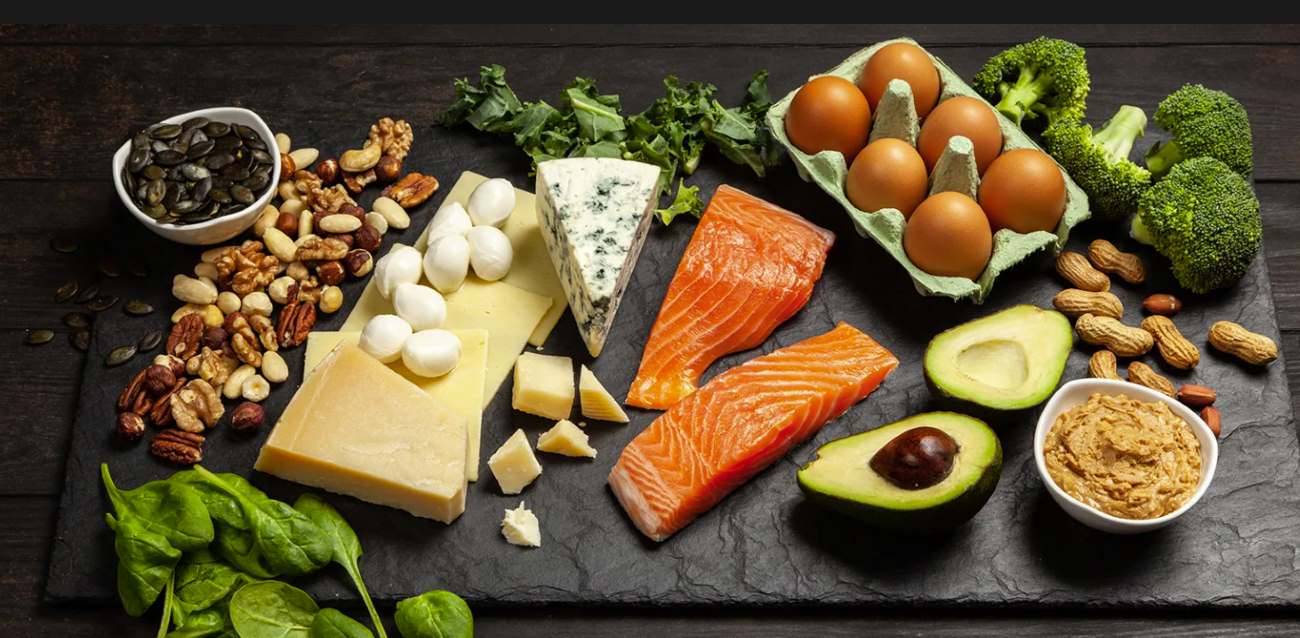
Introduction: The ketogenic diet, commonly known as the keto diet, has gained immense popularity for its potential benefits in weight loss, improved mental clarity, and enhanced energy levels. This high-fat, low-carb diet focuses on shifting the body’s metabolism from carbohydrates to fats, leading to a state known as ketosis. In this comprehensive guide, we will delve into the essential foods and ingredients that form the backbone of a successful keto diet.
Introduction to the Keto Diet Principles
The keto diet is predicated on the principle of drastically reducing carbohydrate intake while increasing fat consumption. This shift in macronutrient ratios forces the body to enter a metabolic state called ketosis, where it burns fat for fuel instead of glucose. Typically, a keto diet comprises about 70-75% fat, 20-25% protein, and 5-10% carbohydrates.
Ketosis is achieved when the liver converts fats into ketones, which then serve as the primary energy source for the body. This metabolic state is not only effective for weight loss but also offers various health benefits, including improved mental focus and sustained energy levels.
Adhering to the keto diet requires a thorough understanding of which foods to include and which to avoid. Carbohydrate-rich foods such as bread, pasta, and sugary snacks are off-limits, while high-fat foods like avocados, nuts, and oils become staples.
The diet also emphasizes moderate protein intake, ensuring that the body does not convert excess protein into glucose, which could disrupt ketosis. Therefore, selecting high-quality protein sources is crucial.
Understanding the principles behind the keto diet is essential for anyone looking to embark on this nutritional journey. It provides the foundation for making informed food choices that align with the diet’s objectives.
In summary, the keto diet is a high-fat, low-carb eating plan designed to induce ketosis, a metabolic state where the body burns fat for fuel. This diet requires careful selection of foods to ensure proper macronutrient balance and achieve desired health outcomes.
Key Benefits of Following a Keto Diet
One of the most touted benefits of the keto diet is its effectiveness in weight loss. By shifting the body’s primary energy source from carbohydrates to fats, the diet promotes the burning of stored fat, leading to significant weight reduction.
Improved mental clarity and focus are other notable benefits. Ketones, the byproducts of fat metabolism, are an efficient fuel source for the brain, potentially enhancing cognitive function and reducing brain fog.
Sustained energy levels are another advantage of the keto diet. Unlike carbohydrates, which can cause blood sugar spikes and crashes, fats provide a more stable and long-lasting energy source, helping to maintain consistent energy levels throughout the day.
The keto diet may also offer benefits for individuals with type 2 diabetes. By reducing carbohydrate intake, the diet helps to stabilize blood sugar levels and improve insulin sensitivity, potentially reducing the need for medication.
Another benefit is the potential for improved cardiovascular health. The diet encourages the consumption of healthy fats, which can help to increase levels of HDL (good) cholesterol and decrease levels of LDL (bad) cholesterol, thereby supporting heart health.
Lastly, the keto diet has been linked to reduced inflammation. Chronic inflammation is associated with various health conditions, including heart disease and cancer. By minimizing carbohydrate intake and focusing on anti-inflammatory foods, the diet may help to reduce inflammation in the body.
Essential Fats for a Keto Diet Plan
Healthy fats are the cornerstone of the keto diet, providing the primary source of energy. Avocados are a fantastic option, rich in monounsaturated fats and essential nutrients like potassium and fiber.
Olive oil is another excellent fat source, known for its heart-healthy monounsaturated fats and antioxidants. It’s versatile and can be used in cooking or as a salad dressing.
Coconut oil is popular in the keto community due to its medium-chain triglycerides (MCTs), which are easily converted into ketones, providing a quick energy boost. It’s ideal for cooking at high temperatures and adds a unique flavor to dishes.
Butter and ghee are also keto-friendly fats. These dairy products are rich in saturated fats and can be used in cooking or as a spread. Ghee, in particular, is lactose-free, making it suitable for those with dairy sensitivities.
Nuts and seeds, such as almonds, walnuts, chia seeds, and flaxseeds, are excellent sources of healthy fats and provide additional fiber and protein. They make for convenient snacks and can be added to various dishes.
Lastly, fatty fish like salmon, mackerel, and sardines are crucial for a keto diet. They are rich in omega-3 fatty acids, which support heart health and reduce inflammation. Including these fish in your diet ensures a good balance of essential fats.
High-Quality Protein Sources in Keto
Protein is an essential macronutrient in the keto diet, but it’s important to consume it in moderation to avoid disrupting ketosis. Grass-fed beef is a high-quality protein source, rich in essential amino acids and healthy fats.
Poultry, such as chicken and turkey, provides lean protein options. Opt for organic and free-range varieties to ensure higher nutritional quality and avoid added hormones and antibiotics.
Eggs are a versatile and nutrient-dense protein source. They are rich in essential vitamins and minerals and can be prepared in various ways to keep meals interesting.
Fish and seafood, including shrimp, crab, and lobster, offer high-quality protein and essential omega-3 fatty acids. They are low in carbs and can be incorporated into a variety of dishes.
Dairy products like cheese, Greek yogurt, and cottage cheese provide protein and healthy fats. Choose full-fat versions to align with the keto diet’s macronutrient ratios.
Lastly, plant-based protein sources such as tofu and tempeh can be included in a keto diet. These options are particularly useful for vegetarians and vegans following a keto lifestyle. Ensure they are prepared with low-carb ingredients to maintain ketosis.
Low-Carb Vegetables for Keto Diets
Low-carb vegetables are essential in a keto diet, providing necessary vitamins, minerals, and fiber without disrupting ketosis. Leafy greens like spinach, kale, and Swiss chard are excellent choices, low in carbs and high in nutrients.
Cruciferous vegetables such as broccoli, cauliflower, and Brussels sprouts are also keto-friendly. They are low in carbohydrates and provide essential vitamins, minerals, and antioxidants.
Zucchini and other squash varieties can be used as low-carb alternatives to pasta and noodles. They are versatile and can be incorporated into various keto recipes.
Bell peppers, although slightly higher in carbs, can still be included in moderation. They add color, flavor, and essential nutrients to meals.
Mushrooms are another great low-carb vegetable option. They are low in calories and carbs and can be used in a variety of dishes, from salads to stir-fries.
Lastly, asparagus is a nutrient-dense vegetable that fits well into a keto diet. It is low in carbs and high in fiber, vitamins, and minerals, making it a valuable addition to your meal plan.
Keto-Friendly Snacks and Ingredients
Snacking on a keto diet can be challenging, but there are plenty of keto-friendly options to keep you satisfied. Nuts and seeds, such as almonds, walnuts, and sunflower seeds, are excellent snack choices, providing healthy fats and protein.
Cheese is another convenient keto snack. String cheese, cheese cubes, and cheese crisps are easy to carry and offer a good balance of fat and protein.
Avocado-based snacks, like guacamole or simply sliced avocado with a sprinkle of salt, are nutritious and filling options. They provide healthy fats and essential nutrients.
Olives are a great keto snack, rich in healthy fats and low in carbs. They can be enjoyed on their own or added to salads and other dishes.
Pork rinds are a popular keto snack, offering a crunchy texture and high fat content. They are a great alternative to traditional chips and can be found in various flavors.
Lastly, dark chocolate with a high cocoa content (70% or higher) can be enjoyed in moderation. It provides a small amount of carbs along with healthy fats and antioxidants, making it a satisfying treat for those on a keto diet.
Conclusion: The keto diet, with its emphasis on high-fat, low-carb foods, offers numerous health benefits, from weight loss to improved mental clarity and sustained energy levels. By understanding the essential foods and ingredients that align with the keto principles, you can create a balanced and satisfying meal plan that supports your health goals.
Read More…
-
Healthline – Ketogenic Diet 101: A Detailed Beginner’s Guide: This comprehensive guide provides an in-depth look at the keto diet, including its principles, benefits, and food recommendations.
-
Diet Doctor – Keto Diet Foods: What to Eat and Avoid: This resource offers a detailed list of keto-friendly foods and ingredients, helping you make informed choices for your meal plan.
-
Ruled.me – The Ketogenic Diet: A Detailed Beginner’s Guide to Keto: This beginner’s guide covers everything you need to know about starting and maintaining a keto diet, including meal plans and recipes.
-
Perfect Keto – The Ultimate Guide to Keto Diet Foods: This guide provides a thorough overview of keto-friendly foods, including fats, proteins, and low-carb vegetables.
-
Verywell Fit – What to Eat on a Ketogenic Diet: This article offers a comprehensive list of foods to eat and avoid on a keto diet, along with tips for meal planning and grocery shopping.