
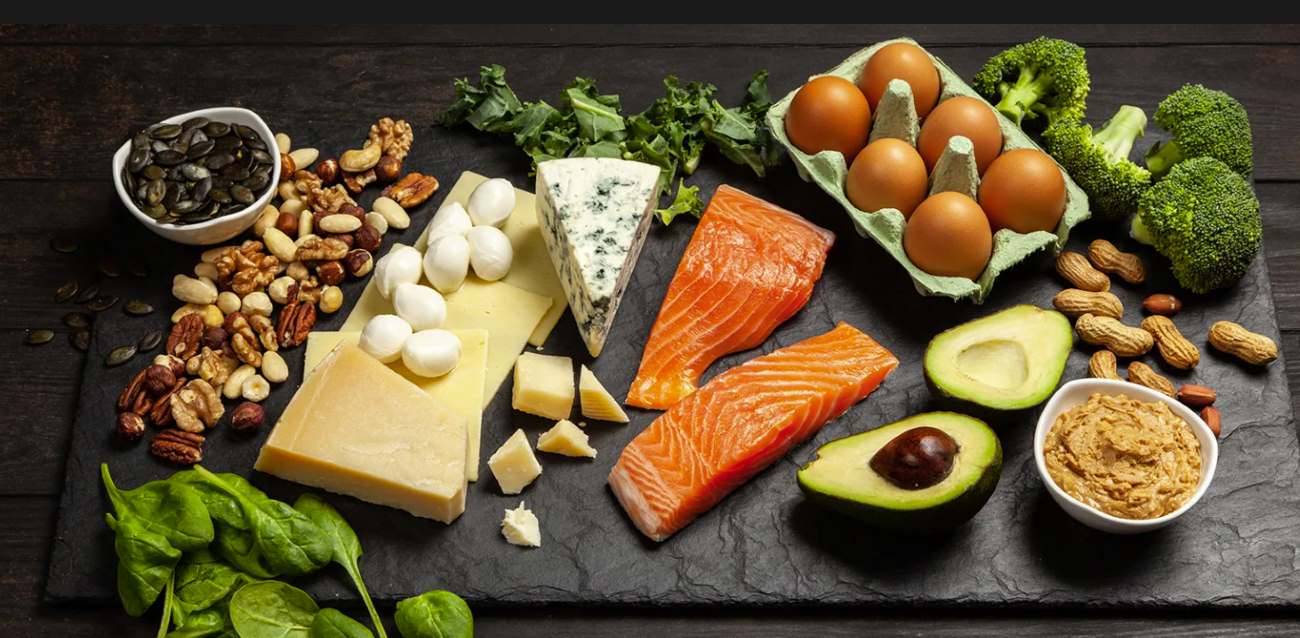

Keto-Friendly Cheeses: A Comprehensive Guide
Introduction
Introduction: The ketogenic diet, commonly known as the keto diet, has gained immense popularity for its potential health benefits, including weight loss and improved metabolic health. One of the key components of the keto diet is the consumption of high-fat, low-carb foods. Cheese, a beloved dairy product, fits perfectly into this dietary framework. However, not all cheeses are created equal when it comes to keto compatibility. This comprehensive guide delves into the world of keto-friendly cheeses, exploring their nutritional profiles, health benefits, and how to incorporate them into your diet.
Introduction to Keto-Friendly Cheeses
Cheese is a versatile and delicious food that can be enjoyed in various forms and flavors. For those following a keto diet, cheese offers a rich source of fats and proteins while being low in carbohydrates. This makes it an ideal food choice for maintaining ketosis, the metabolic state where the body burns fat for fuel instead of carbohydrates.
The key to selecting keto-friendly cheeses lies in understanding their macronutrient composition. Cheeses that are high in fat and low in carbohydrates are the most suitable for a keto diet. While many cheeses fit this profile, some varieties are particularly beneficial due to their nutritional content and minimal carbohydrate levels.
Keto-friendly cheeses are not only limited to traditional hard cheeses like cheddar and parmesan but also include softer varieties like brie and camembert. Each type of cheese offers unique flavors and textures, allowing for a diverse and enjoyable keto diet.
It’s important to note that while cheese can be a valuable addition to a keto diet, moderation is key. Overconsumption of cheese can lead to excessive calorie intake, which may hinder weight loss goals. Therefore, it’s essential to balance cheese consumption with other nutrient-dense, low-carb foods.
In addition to their macronutrient benefits, many keto-friendly cheeses also provide essential micronutrients such as calcium, vitamin A, and vitamin B12. These nutrients play crucial roles in maintaining overall health and supporting bodily functions.
By understanding the different types of keto-friendly cheeses and their nutritional benefits, you can make informed choices that enhance your keto diet experience while enjoying the rich and diverse flavors that cheese has to offer.
Nutritional Profile of Keto Cheeses
The nutritional profile of keto-friendly cheeses is characterized by high fat content, moderate protein levels, and minimal carbohydrates. This macronutrient composition aligns perfectly with the requirements of a ketogenic diet, which emphasizes low-carb, high-fat foods to maintain ketosis.
Fat is the primary macronutrient in most keto-friendly cheeses, providing a rich source of energy. Cheeses like cheddar, gouda, and brie contain significant amounts of saturated and unsaturated fats, which are essential for maintaining energy levels and supporting various bodily functions.
Protein is another important component of keto-friendly cheeses. While not as abundant as fat, the protein content in cheese contributes to muscle maintenance and repair. Cheeses such as mozzarella and cottage cheese offer a good balance of protein and fat, making them suitable for a keto diet.
Carbohydrate content in keto-friendly cheeses is typically very low, often less than 1 gram per serving. This minimal carbohydrate presence ensures that cheese consumption does not interfere with ketosis. However, it’s important to check nutrition labels, as some processed cheeses may contain added sugars or fillers that increase their carb content.
In addition to macronutrients, keto-friendly cheeses are rich in essential micronutrients. Calcium, a vital mineral for bone health, is abundant in cheeses like parmesan and swiss. Vitamin A, important for vision and immune function, is found in significant amounts in cheddar and gouda. Vitamin B12, crucial for nerve function and red blood cell formation, is present in most dairy products, including cheese.
Another beneficial component of cheese is conjugated linoleic acid (CLA), a type of fat that has been associated with various health benefits, including improved metabolic health and reduced inflammation. CLA is particularly abundant in grass-fed dairy products.
Understanding the nutritional profile of keto-friendly cheeses allows you to make informed dietary choices that support your keto lifestyle while providing essential nutrients for overall health and well-being.
Top Keto-Friendly Cheese Varieties
When it comes to selecting the best cheeses for a keto diet, several varieties stand out due to their favorable macronutrient profiles and rich flavors. Here are some of the top keto-friendly cheese varieties to consider:
-
Cheddar Cheese: Cheddar is a popular choice for keto dieters due to its high fat content and low carbohydrate levels. A typical serving of cheddar cheese contains around 9 grams of fat, 7 grams of protein, and less than 1 gram of carbohydrates. Its sharp and tangy flavor makes it a versatile addition to various dishes.
-
Brie: This soft, creamy cheese is not only delicious but also keto-friendly. Brie contains approximately 8 grams of fat, 6 grams of protein, and less than 1 gram of carbohydrates per serving. Its rich texture and mild flavor make it perfect for snacking or pairing with low-carb vegetables.
-
Parmesan: Known for its hard texture and strong, nutty flavor, parmesan is an excellent choice for a keto diet. It provides about 7 grams of fat, 10 grams of protein, and less than 1 gram of carbohydrates per serving. Parmesan can be grated over salads, used in cooking, or enjoyed on its own.
-
Gouda: Gouda is a semi-hard cheese with a smooth texture and mildly sweet flavor. It contains around 8 grams of fat, 7 grams of protein, and less than 1 gram of carbohydrates per serving. Gouda is versatile and can be used in sandwiches, melted over dishes, or enjoyed as a snack.
-
Mozzarella: This soft, mild cheese is a staple in many keto-friendly recipes. Mozzarella offers approximately 6 grams of fat, 7 grams of protein, and less than 1 gram of carbohydrates per serving. It’s commonly used in salads, pizzas, and casseroles.
-
Swiss Cheese: Swiss cheese, with its distinctive holes and mild flavor, is another great option for keto dieters. It provides about 9 grams of fat, 8 grams of protein, and less than 1 gram of carbohydrates per serving. Swiss cheese is perfect for sandwiches, omelets, and as a snack.
These cheese varieties not only fit well within the macronutrient requirements of a keto diet but also offer a range of flavors and textures to keep your meals interesting and enjoyable.
Health Benefits of Keto Cheeses
Incorporating keto-friendly cheeses into your diet can offer several health benefits beyond their macronutrient composition. Here are some of the key health advantages associated with consuming keto cheeses:
-
Bone Health: Cheese is an excellent source of calcium, a mineral essential for maintaining strong bones and teeth. Regular consumption of calcium-rich cheeses like parmesan and cheddar can help prevent osteoporosis and support overall bone health.
-
Heart Health: While cheese contains saturated fats, recent research suggests that not all saturated fats are harmful. Some studies indicate that the fats found in dairy products, including cheese, may have a neutral or even positive effect on heart health. Additionally, cheeses like brie and gouda contain beneficial fatty acids such as CLA, which may help reduce inflammation and improve cardiovascular health.
-
Weight Management: The high fat and protein content in keto-friendly cheeses can promote satiety and reduce hunger, making it easier to adhere to a low-carb diet and manage weight effectively. The combination of fat and protein helps stabilize blood sugar levels and prevent overeating.
-
Gut Health: Some cheeses, particularly aged varieties like parmesan and gouda, contain probiotics—beneficial bacteria that support gut health. Probiotics can improve digestion, enhance immune function, and contribute to a balanced gut microbiome.
-
Nutrient Density: In addition to macronutrients, cheese provides essential vitamins and minerals such as vitamin A, vitamin B12, zinc, and phosphorus. These nutrients play crucial roles in various bodily functions, including vision, immune response, and energy metabolism.
-
Muscle Maintenance: The protein content in cheese supports muscle maintenance and repair, which is particularly important for those engaging in regular physical activity. Consuming adequate protein from sources like cheese can help preserve lean muscle mass while following a keto diet.
By incorporating a variety of keto-friendly cheeses into your diet, you can enjoy these health benefits while maintaining ketosis and supporting overall well-being.
How to Incorporate Keto Cheeses in Diet
Incorporating keto-friendly cheeses into your diet can be both enjoyable and versatile. Here are some practical tips and ideas on how to include these delicious cheeses in your daily meals:
-
Snacking: Cheese makes for a convenient and satisfying snack. Pair slices of cheddar, gouda, or brie with low-carb vegetables like cucumber, bell peppers, or celery. You can also enjoy cheese on its own or with a handful of nuts for a quick and easy keto-friendly snack.
-
Salads: Add crumbled or grated cheese to your salads for extra flavor and nutrition. Feta, blue cheese, and parmesan are excellent choices for enhancing the taste and texture of your salads. Combine them with leafy greens, avocado, olives, and a drizzle of olive oil for a delicious keto salad.
-
Baking: Cheese can be used in various keto-friendly baking recipes. Mozzarella is commonly used in keto pizza crusts and bread recipes due to its meltability and mild flavor. You can also use cream cheese in keto desserts like cheesecakes and fat bombs.
-
Cooking: Incorporate cheese into your main dishes for added richness and flavor. Use shredded cheddar or mozzarella in casseroles, omelets, and frittatas. Melt brie or gouda over grilled meats or vegetables for a creamy and indulgent touch.
-
Sauces and Dips: Create keto-friendly cheese sauces and dips to elevate your meals. Combine cream cheese, cheddar, and heavy cream to make a rich and creamy cheese sauce for vegetables or meats. You can also make a keto-friendly cheese dip by mixing cream cheese with herbs and spices.
-
Cheese Boards: Assemble a keto-friendly cheese board for entertaining or as a special treat. Include a variety of cheeses such as brie, gouda, and blue cheese, along with low-carb accompaniments like olives, nuts, and sliced meats. This makes for an impressive and delicious keto-friendly appetizer.
By incorporating these ideas into your meal planning, you can enjoy the diverse flavors and textures of keto-friendly cheeses while staying on track with your dietary goals.
Common Myths About Keto Cheeses
Despite the popularity of the keto diet and the inclusion of cheese, several myths and misconceptions persist. Here are some common myths about keto-friendly cheeses and the facts that debunk them:
-
Myth: All Cheeses Are Keto-Friendly: Not all cheeses are suitable for a keto diet. Some cheeses, especially processed varieties, may contain added sugars or fillers that increase their carbohydrate content. It’s essential to choose natural, full-fat cheeses and check nutrition labels to ensure they fit within your carb limits.
-
Myth: Cheese Causes Weight Gain: While cheese is calorie-dense, it can be part of a balanced keto diet when consumed in moderation. The high fat and protein content in cheese can promote satiety and reduce overall calorie intake, potentially aiding in weight management rather than causing weight gain.
-
Myth: Cheese Is Bad for Heart Health: The relationship between cheese and heart health is complex. While cheese contains saturated fats, recent research suggests that dairy fats may not be as harmful as once thought. Some studies indicate that cheese consumption may have a neutral or positive effect on heart health, especially when part of a balanced diet.
-
Myth: Cheese Causes Digestive Issues: While some individuals may be lactose intolerant or sensitive to dairy, many people can enjoy cheese without digestive problems. Aged cheeses like cheddar, parmesan, and gouda have lower lactose levels and are often better tolerated by those with lactose sensitivity.
-
Myth: Cheese Lacks Nutritional Value: Cheese is a nutrient-dense food that provides essential vitamins and minerals, including calcium, vitamin A, vitamin B12, and zinc. These nutrients play important roles in bone health, immune function, and overall well-being.
-
Myth: Cheese Is Addictive: While cheese contains compounds that can stimulate pleasure centers in the brain, labeling it as "addictive" is an oversimplification. Enjoying cheese as part of a balanced keto diet is perfectly acceptable and can contribute to dietary satisfaction and adherence.
By understanding and addressing these myths, you can make informed decisions about incorporating keto-friendly cheeses into your diet without unnecessary concerns.
Conclusion
In conclusion, keto-friendly cheeses are a delicious and versatile addition to the ketogenic diet. Their high fat and low carbohydrate content make them ideal for maintaining ketosis while providing essential nutrients and health benefits. By selecting the right varieties and incorporating them into your meals, you can enjoy the rich flavors and textures of cheese while supporting your dietary goals. Remember to consume cheese in moderation and balance it with other nutrient-dense, low-carb foods for optimal health and well-being.
Read More…
-
Healthline: Best and Worst Cheeses for Keto: This article provides an in-depth look at various cheese options and their suitability for a keto diet.
-
Diet Doctor: Top 10 Cheeses for a Keto Diet: A comprehensive guide to the best cheeses for a ketogenic lifestyle, including nutritional information and usage tips.
-
Verywell Fit: Cheese Nutrition Facts and Health Benefits: Detailed nutritional profiles and health benefits of different cheese varieties.
-
WebMD: The Health Benefits of Cheese: An overview of the various health benefits associated with cheese consumption.
-
Harvard T.H. Chan School of Public Health: The Nutrition Source – Cheese: A scientific perspective on the nutritional value and health implications of cheese.