
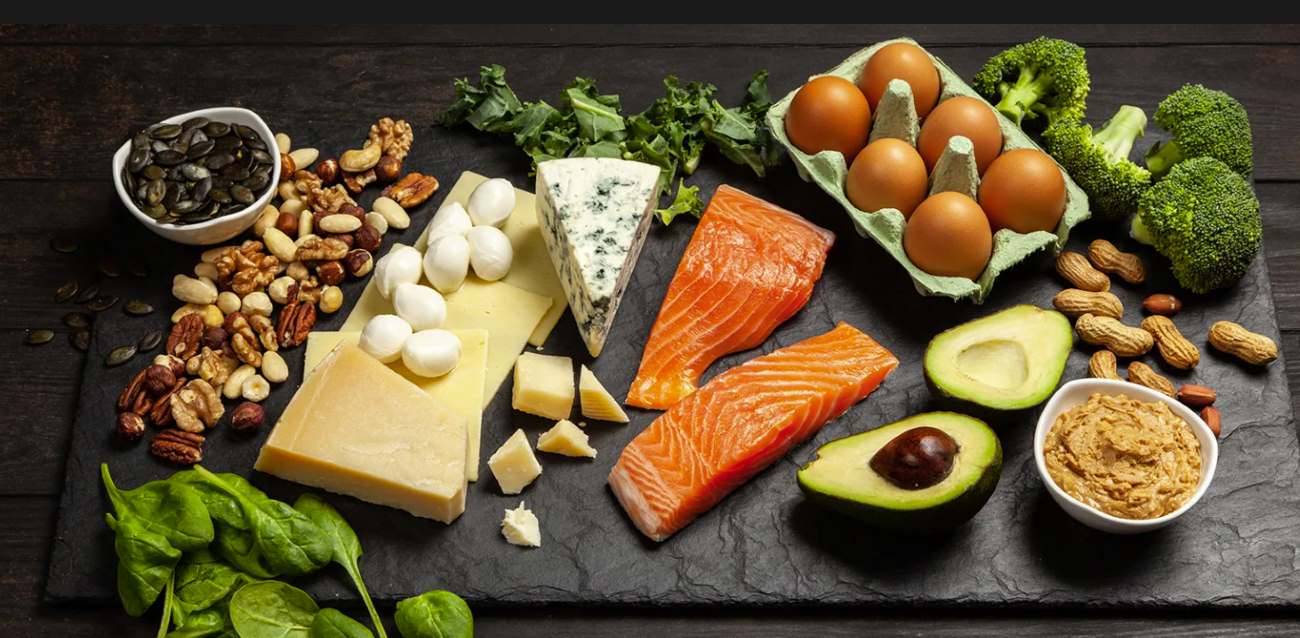

Optimal Keto-Friendly Fruits: A Guide
Introduction
The ketogenic diet, commonly known as the keto diet, is a low-carb, high-fat diet that has gained immense popularity for its potential benefits in weight loss and overall health improvement. One of the key challenges for those on a keto diet is identifying which fruits can be consumed without disrupting ketosis. Unlike traditional diets where fruits are generally considered healthy and beneficial, the keto diet requires careful selection due to the natural sugars present in most fruits. This guide aims to help you navigate the world of keto-friendly fruits, ensuring you can enjoy the nutritional benefits without compromising your dietary goals.
Introduction to Keto-Friendly Fruits
When embarking on a keto diet, the primary goal is to minimize carbohydrate intake to induce a state of ketosis, where the body burns fat for energy instead of glucose. Fruits, while packed with essential vitamins, minerals, and antioxidants, often contain high levels of natural sugars, making them a tricky addition to a keto regimen. However, not all fruits are off-limits. Certain fruits are low in carbohydrates and can be enjoyed in moderation without jeopardizing your state of ketosis.
Understanding which fruits are keto-friendly involves looking at their net carb content, which is calculated by subtracting fiber from total carbohydrates. Fruits with a lower net carb content are more suitable for a keto diet. These fruits not only satisfy your sweet cravings but also provide essential nutrients that support overall health.
In this guide, we will explore a variety of fruits that fit well within the parameters of a keto diet. We will also discuss their nutritional benefits, how to choose the best options, and ways to incorporate them into your meals. By the end of this article, you’ll have a comprehensive understanding of how to enjoy fruits while staying true to your keto lifestyle.
Nutritional Benefits of Keto Fruits
Keto-friendly fruits offer a myriad of nutritional benefits that can enhance your overall health while adhering to the low-carb requirements of the diet. These fruits are typically rich in vitamins, minerals, and antioxidants, which play crucial roles in maintaining bodily functions and preventing diseases.
Firstly, many keto-compatible fruits are excellent sources of vitamin C, an essential nutrient that supports the immune system, promotes skin health, and acts as a powerful antioxidant. For instance, berries such as strawberries and raspberries are low in carbs and high in vitamin C, making them ideal for a keto diet.
Secondly, these fruits often contain significant amounts of dietary fiber, which is important for digestive health. Fiber aids in maintaining regular bowel movements, preventing constipation, and supporting a healthy gut microbiome. Avocados, for example, are not only low in carbs but also high in fiber and healthy fats, contributing to satiety and digestive health.
Moreover, keto fruits can provide important minerals like potassium and magnesium, which are vital for muscle function, heart health, and electrolyte balance. Maintaining adequate levels of these minerals is particularly important on a keto diet, as the reduction in carbohydrate intake can sometimes lead to electrolyte imbalances.
In addition to vitamins and minerals, keto-friendly fruits are rich in antioxidants, which help combat oxidative stress and reduce inflammation in the body. Blueberries, though slightly higher in carbs than other berries, can be consumed in moderation and offer a high antioxidant content.
Lastly, the natural sweetness of keto fruits can help satisfy sugar cravings without spiking blood glucose levels, making it easier to stick to the diet. This can be particularly beneficial for those transitioning from a high-carb diet to a keto lifestyle.
Top Low-Carb Fruits for Keto Diets
Selecting the right fruits for a keto diet involves choosing those with the lowest net carb content. Here are some of the top low-carb fruits that can be enjoyed on a keto diet:
-
Avocados: Technically a fruit, avocados are incredibly low in carbs and high in healthy fats and fiber. One half of an avocado contains only about 2 grams of net carbs, making it a perfect addition to a keto meal.
-
Berries: Strawberries, raspberries, blackberries, and blueberries are among the best fruits for keto due to their low carb content. For example, a half-cup serving of raspberries contains approximately 3 grams of net carbs.
-
Coconut: Fresh coconut meat is low in carbs and high in healthy fats and fiber. One ounce of shredded coconut contains about 2.5 grams of net carbs.
-
Tomatoes: Often mistaken for a vegetable, tomatoes are actually a fruit and are low in carbs. One medium tomato contains about 4 grams of net carbs, making it a versatile ingredient for keto recipes.
-
Olives: Another fruit that is often overlooked, olives are low in carbs and high in healthy fats. A serving of 10 small olives contains approximately 1.5 grams of net carbs.
-
Lemons and Limes: These citrus fruits are low in carbs and can be used to add flavor to water, salads, and various dishes. One ounce of lemon or lime juice contains about 2 grams of net carbs.
How to Choose Keto-Compatible Fruits
Choosing the right fruits for a keto diet requires careful consideration of their carbohydrate content and overall nutritional profile. Here are some tips to help you make the best choices:
-
Check Net Carbs: Always look at the net carb content of the fruit. Net carbs are calculated by subtracting the fiber content from the total carbohydrates. Fruits with lower net carbs are more suitable for a keto diet.
-
Portion Control: Even low-carb fruits can add up in carbs if consumed in large quantities. Practice portion control to ensure you stay within your daily carb limit.
-
Seasonal and Fresh: Opt for seasonal and fresh fruits whenever possible. They are likely to be more nutrient-dense and free from added sugars and preservatives found in canned or dried fruits.
-
Organic Options: Consider choosing organic fruits to avoid pesticides and other chemicals. Organic fruits may also have a higher nutrient content compared to conventionally grown varieties.
-
Read Labels: If you are purchasing packaged fruits, such as frozen berries, read the labels carefully to ensure there are no added sugars or syrups that can increase the carb content.
-
Experiment and Monitor: Everyone’s body reacts differently to certain foods. Experiment with different fruits and monitor how they affect your ketosis and overall well-being. Keep a food diary to track your carb intake and any changes in your body’s response.
Incorporating Keto Fruits in Your Meals
Incorporating keto-friendly fruits into your meals can add variety, flavor, and nutritional benefits. Here are some creative ways to include these fruits in your keto diet:
-
Smoothies: Blend low-carb fruits like berries and avocados with unsweetened almond milk or coconut milk for a delicious and nutrient-packed smoothie. Add a scoop of keto-friendly protein powder for an extra boost.
-
Salads: Add sliced avocados, tomatoes, and olives to your salads for added flavor and healthy fats. Top with a homemade vinaigrette made from olive oil and lemon juice.
-
Snacks: Enjoy a handful of berries or a few olives as a quick and easy snack. Pair them with a source of protein, such as cheese or nuts, to keep you full and satisfied.
-
Desserts: Create keto-friendly desserts using low-carb fruits. For example, make a berry compote to top a serving of keto cheesecake or whip up an avocado chocolate mousse for a decadent treat.
-
Breakfast: Incorporate fruits into your breakfast by adding them to yogurt or cottage cheese. Choose plain, full-fat options to keep the carb content low.
-
Flavor Enhancers: Use lemon or lime juice to enhance the flavor of your dishes. Squeeze some juice over grilled fish, chicken, or vegetables for a zesty kick.
Common Misconceptions About Keto Fruits
There are several misconceptions about fruits and the keto diet that can lead to confusion. Here are some common myths debunked:
-
All Fruits Are High in Carbs: While many fruits are high in carbs, there are several low-carb options that can be enjoyed on a keto diet. It’s important to choose fruits with lower net carb content.
-
Fruits Are Not Necessary on Keto: Some people believe that fruits should be completely avoided on a keto diet. However, keto-friendly fruits provide essential vitamins, minerals, and antioxidants that support overall health.
-
Dried Fruits Are Keto-Friendly: Dried fruits are often high in sugars and carbs due to the removal of water content. They are generally not suitable for a keto diet, even in small quantities.
-
Fruit Juices Are Keto-Compatible: Most fruit juices are high in sugars and carbs, making them unsuitable for a keto diet. It’s better to consume whole fruits in moderation.
-
All Berries Are Equal: While berries are generally lower in carbs compared to other fruits, their carb content can vary. For example, blueberries have a higher carb content than strawberries or raspberries, so portion control is essential.
-
Keto Fruits Can Be Eaten Freely: Even low-carb fruits should be consumed in moderation to ensure you stay within your daily carb limit. Overindulging in keto-friendly fruits can still disrupt ketosis.
Conclusion
Navigating the world of fruits while on a keto diet can be challenging, but with the right knowledge and choices, you can enjoy the nutritional benefits of fruits without compromising your dietary goals. By selecting low-carb, nutrient-dense fruits and incorporating them into your meals creatively, you can satisfy your sweet cravings and support your overall health. Remember to practice portion control and monitor your body’s response to different fruits to ensure you stay in ketosis. With this guide, you’re well-equipped to make informed decisions about keto-friendly fruits and enjoy a balanced, delicious keto lifestyle.
Read More…
-
Keto Diet: A Comprehensive Beginner’s Guide – Healthline provides an in-depth look at the keto diet, including food lists and tips for beginners.
-
Top 10 Low-Carb Fruits for Keto – Diet Doctor offers a detailed list of low-carb fruits suitable for a keto diet, along with their nutritional information.
-
The Benefits of Avocado on Keto – Ruled.me explains why avocados are a perfect fit for the keto diet, highlighting their health benefits and versatility.
-
Keto-Friendly Berry Recipes – Delish features a collection of keto-friendly recipes that incorporate berries, providing delicious ways to enjoy these low-carb fruits.
-
Understanding Net Carbs – Diet Doctor explains the concept of net carbs and how to calculate them, which is crucial for making informed food choices on a keto diet.