

Se hai un abbonamento attivo ACCEDI QUI
Optimal Keto Lunch Options: A Guide
Introduction:
The ketogenic diet, commonly known as the keto diet, has gained immense popularity for its potential health benefits, including weight loss, improved mental clarity, and enhanced energy levels. However, adhering to this low-carb, high-fat diet can be challenging, especially when it comes to planning meals. This guide aims to provide you with comprehensive insights into crafting the perfect keto lunch, ensuring it is both nutritious and satisfying. We will delve into the fundamental principles of the keto diet, key nutritional components, ingredient selection, quick recipes, meal prepping tips, and common pitfalls to avoid.
Understanding the Keto Diet and Its Benefits
The ketogenic diet is a high-fat, low-carbohydrate eating plan that forces the body to burn fats rather than carbohydrates for energy. When carbohydrate intake is significantly reduced, the body enters a metabolic state called ketosis. During ketosis, the liver converts fats into ketones, which serve as an alternative energy source.
One of the primary benefits of the keto diet is weight loss. By reducing carbohydrate intake, the body is prompted to burn stored fat for energy, leading to a reduction in body fat. Additionally, the keto diet can help stabilize blood sugar levels, making it beneficial for individuals with type 2 diabetes or insulin resistance.
Mental clarity and improved cognitive function are also notable benefits of the keto diet. Ketones are a more efficient fuel for the brain than glucose, leading to enhanced focus and mental sharpness. Many individuals on the keto diet report increased energy levels and reduced fatigue, which can be attributed to the steady supply of energy from fats.
The keto diet has also been linked to improved heart health. By reducing carbohydrate intake and increasing healthy fat consumption, individuals may experience lower triglyceride levels and increased HDL (good) cholesterol levels. This can contribute to a reduced risk of heart disease.
Moreover, the keto diet can have anti-inflammatory effects. Chronic inflammation is a contributing factor to various health conditions, including arthritis, metabolic syndrome, and certain cancers. By reducing carbohydrate intake and increasing the consumption of anti-inflammatory fats, the keto diet may help alleviate inflammation.
Lastly, the keto diet may support better digestion and gut health. By eliminating processed foods and sugars, individuals can improve their gut microbiome, leading to better digestion and reduced gastrointestinal issues.
Key Nutritional Components of a Keto Lunch
A well-balanced keto lunch should consist of high-quality fats, moderate protein, and minimal carbohydrates. Understanding these key nutritional components is essential for crafting a meal that aligns with the principles of the keto diet.
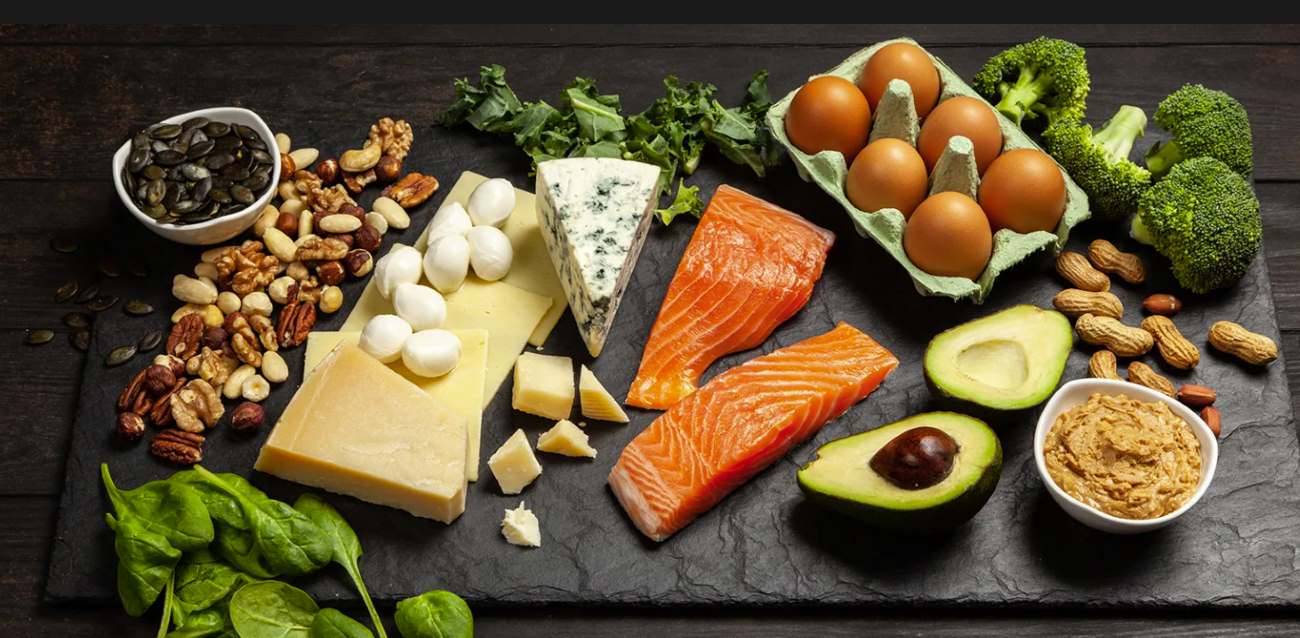
High-quality fats are the cornerstone of the keto diet. These fats provide the primary source of energy and help keep you satiated throughout the day. Healthy fat sources include avocados, nuts and seeds, olive oil, coconut oil, and fatty fish such as salmon.
Protein is another critical component of a keto lunch. While the keto diet is not high-protein, it is essential to consume adequate protein to support muscle maintenance and overall health. Good sources of protein include poultry, beef, pork, eggs, and plant-based options like tofu and tempeh.
Carbohydrates should be kept to a minimum in a keto lunch. The goal is to limit carb intake to around 20-50 grams per day to maintain ketosis. Focus on non-starchy vegetables such as leafy greens, broccoli, cauliflower, and zucchini, which are low in carbs and high in essential nutrients.
Fiber is an often-overlooked component of the keto diet but is crucial for digestive health. While many high-fiber foods are also high in carbs, non-starchy vegetables and certain seeds like chia and flax are excellent sources of fiber that fit within keto guidelines.
Electrolytes are vital for maintaining proper hydration and preventing the "keto flu," a common set of symptoms experienced when transitioning to a keto diet. Ensure your lunch includes sources of sodium, potassium, and magnesium, such as leafy greens, nuts, seeds, and avocados.
Lastly, hydration is essential on the keto diet. Drinking plenty of water helps support digestion, nutrient absorption, and overall health. Consider incorporating hydrating foods like cucumbers and adding a pinch of salt to your water to maintain electrolyte balance.
Selecting High-Quality Keto Ingredients
Choosing high-quality ingredients is crucial for maximizing the health benefits of your keto lunch. Opting for organic, grass-fed, and sustainably sourced products can make a significant difference in the nutritional value of your meals.
When selecting fats, prioritize those that are unprocessed and free from trans fats. Extra virgin olive oil, coconut oil, and avocado oil are excellent choices. These oils are rich in monounsaturated and saturated fats, which are stable at high temperatures and beneficial for heart health.
For protein sources, consider grass-fed and pasture-raised meats. These options are typically higher in omega-3 fatty acids and antioxidants compared to conventionally raised meats. Wild-caught fish, such as salmon and mackerel, are also superior choices due to their higher omega-3 content.
Vegetables should be fresh, organic, and non-starchy. Leafy greens like spinach, kale, and arugula are nutrient-dense and low in carbs. Cruciferous vegetables such as broccoli, cauliflower, and Brussels sprouts are also excellent options, providing fiber and essential vitamins.
Nuts and seeds are valuable additions to a keto lunch, offering healthy fats, protein, and fiber. Choose raw or dry-roasted varieties without added sugars or unhealthy oils. Almonds, walnuts, chia seeds, and flaxseeds are particularly beneficial for their nutrient profiles.
Dairy products can be included in a keto lunch, but it’s essential to choose full-fat, minimally processed options. Grass-fed butter, ghee, and cheeses like cheddar, mozzarella, and goat cheese are preferable. Avoid products with added sugars or artificial ingredients.
Finally, consider the quality of any packaged or processed keto-friendly products you use. Read labels carefully to ensure they are free from hidden sugars, unhealthy fats, and artificial additives. Opt for products with simple, natural ingredients to maintain the integrity of your keto diet.
Quick and Easy Keto Lunch Recipes
Creating quick and easy keto lunches doesn’t have to be complicated. Here are some simple recipes that are both delicious and compliant with keto guidelines.
1. Avocado Chicken Salad
Combine cooked, shredded chicken breast with diced avocado, chopped celery, and a dollop of mayonnaise. Season with salt, pepper, and a squeeze of lemon juice. Serve on a bed of mixed greens for a satisfying and nutritious lunch.
2. Zucchini Noodles with Pesto
Spiralize zucchini into noodles and sauté in olive oil until tender. Toss with homemade or store-bought pesto sauce, and top with grated Parmesan cheese and cherry tomatoes. This dish is light, flavorful, and packed with healthy fats.
3. Egg and Spinach Muffins
Whisk together eggs, chopped spinach, diced bell peppers, and crumbled feta cheese. Pour the mixture into a greased muffin tin and bake at 350°F (175°C) for 20-25 minutes. These muffins are perfect for meal prepping and can be enjoyed hot or cold.
4. Tuna Salad Lettuce Wraps
Mix canned tuna with mayonnaise, diced pickles, and a touch of mustard. Spoon the mixture onto large lettuce leaves and roll up to create wraps. These are easy to assemble and make for a light yet filling lunch option.
5. Cauliflower Fried Rice
Pulse cauliflower florets in a food processor until they resemble rice grains. Sauté with diced onions, garlic, and mixed vegetables in coconut oil. Add soy sauce or tamari and scrambled eggs for a keto-friendly take on fried rice.
6. Greek Salad with Grilled Chicken
Combine chopped cucumbers, tomatoes, red onions, Kalamata olives, and feta cheese. Toss with olive oil, lemon juice, and oregano. Top with grilled chicken breast for a protein-packed, Mediterranean-inspired lunch.
Tips for Meal Prepping Keto Lunches
Meal prepping is a valuable strategy for maintaining a keto diet, especially during busy weekdays. Here are some tips to help you efficiently prepare keto lunches in advance.
1. Plan Your Menu
Start by planning your meals for the week. Choose recipes that are easy to prepare and store well. Having a clear menu helps streamline your grocery shopping and ensures you have all the necessary ingredients on hand.
2. Batch Cooking
Batch cooking is an efficient way to prepare multiple meals at once. Cook large quantities of proteins like chicken, beef, or fish, and portion them out for the week. Similarly, prepare large batches of vegetables and keto-friendly sides that can be easily reheated.
3. Use Proper Storage Containers
Invest in high-quality storage containers that keep your meals fresh and organized. Glass containers with airtight lids are ideal for maintaining the quality of your food. Label each container with the date and contents to keep track of your meals.
4. Portion Control
Portion control is crucial for maintaining ketosis and achieving your dietary goals. Use a food scale to measure out appropriate serving sizes of proteins, fats, and vegetables. This helps ensure you stay within your daily macronutrient targets.
5. Prep Ingredients Separately
To maintain the texture and flavor of your meals, consider prepping ingredients separately and assembling them just before eating. For example, keep dressings and sauces in small containers and add them to your salads or dishes right before consumption.
6. Keep Snacks Handy
In addition to your main meals, prepare keto-friendly snacks to have on hand. Hard-boiled eggs, cheese sticks, nuts, and seed bars are convenient options that can help curb hunger between meals and keep you on track with your keto diet.
Common Mistakes to Avoid in Keto Lunches
While the keto diet can be highly effective, there are common mistakes that can hinder your progress. Here are some pitfalls to avoid when preparing keto lunches.
1. Overeating Protein
While protein is essential, consuming too much can kick you out of ketosis. Excess protein can be converted into glucose through a process called gluconeogenesis. Stick to moderate protein portions and focus on getting the majority of your calories from fats.
2. Ignoring Hidden Carbs
Many foods contain hidden carbs that can add up quickly. Be vigilant about reading labels and tracking your carb intake. Ingredients like sauces, dressings, and processed foods often contain added sugars and starches that can derail your keto efforts.
3. Not Getting Enough Electrolytes
Electrolyte imbalances are common on the keto diet, leading to symptoms like fatigue, headaches, and muscle cramps. Ensure your lunch includes sources of sodium, potassium, and magnesium, or consider taking supplements to maintain proper electrolyte levels.
4. Skipping Vegetables
It’s easy to neglect vegetables on a keto diet, but they are crucial for providing essential nutrients and fiber. Focus on non-starchy vegetables that are low in carbs but high in vitamins and minerals. Incorporate a variety of greens, cruciferous vegetables, and other low-carb options into your lunches.
5. Relying on Processed Foods
While there are many keto-friendly processed foods available, relying too heavily on them can lead to nutrient deficiencies and poor health. Prioritize whole, unprocessed foods to ensure you are getting a balanced intake of nutrients.
6. Not Drinking Enough Water
Hydration is vital on the keto diet, as the body excretes more water and electrolytes when in ketosis. Aim to drink at least 8-10 glasses of water per day and consider adding a pinch of salt to your water to help retain electrolytes.
Conclusion:
Crafting the perfect keto lunch requires a balance of high-quality fats, moderate protein, and minimal carbohydrates. By understanding the principles of the keto diet, selecting nutrient-dense ingredients, and avoiding common pitfalls, you can create delicious and satisfying meals that support your health goals. Whether you’re new to keto or a seasoned practitioner, these tips and recipes will help you stay on track and enjoy the benefits of this popular dietary approach.
Read More…
-
Healthline – Ketogenic Diet 101: A Detailed Beginner’s Guide
- This comprehensive guide covers the basics of the keto diet, its benefits, and how to get started.
-
Diet Doctor – Keto Diet Foods: Top 10 Foods for a Ketogenic Diet
- A detailed list of the best foods to include in your keto diet, with explanations of their nutritional benefits.
-
Ruled.me – The Best Keto Meal Prep Ideas
- Practical tips and recipes for meal prepping on a keto diet, ensuring you stay on track throughout the week.
-
Perfect Keto – 47 Easy Keto Lunch Ideas to Take to Work
- A collection of easy and delicious keto lunch recipes that are perfect for taking to work or enjoying at home.
-
Keto Connect – Common Keto Mistakes and How to Avoid Them
- An insightful article on common mistakes people make on the keto diet and how to avoid them for optimal results.