
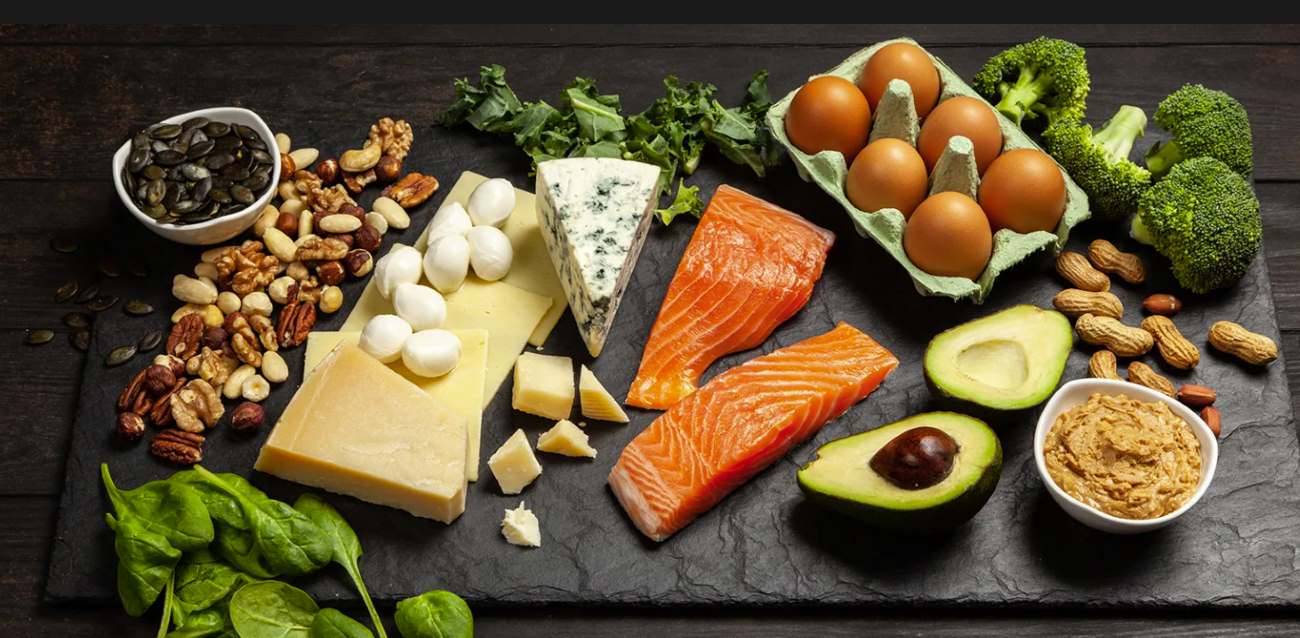

Permissible Fruits on a Keto Diet
Introduction:
The ketogenic (keto) diet has gained immense popularity due to its potential benefits for weight loss, blood sugar control, and overall health. However, one of the primary challenges for those embarking on a keto journey is understanding which foods fit within the diet’s strict carbohydrate limits. Fruits, known for their natural sugars, often pose a dilemma. This article delves into the permissible fruits on a keto diet, ensuring you can enjoy the nutritional benefits of fruits without compromising your ketosis.
Understanding Keto Diet and Fruit Restrictions
The keto diet is a high-fat, moderate-protein, and very low-carbohydrate diet. The primary goal is to shift the body’s metabolism from burning glucose (sugar) to burning ketones (fat) for energy, a state known as ketosis. To achieve this, daily carbohydrate intake is typically limited to around 20-50 grams. This restriction necessitates careful selection of foods, particularly fruits, which are naturally high in sugars.
Fruits are often considered healthy due to their vitamins, minerals, and fiber content. However, the natural sugars in fruits can quickly add up, potentially knocking one out of ketosis. Therefore, understanding which fruits are low in carbohydrates and can be consumed in moderation is crucial for keto dieters.
Not all fruits are created equal in the context of a keto diet. Some fruits, such as bananas, grapes, and mangoes, are high in sugars and should be avoided or consumed in very small quantities. On the other hand, there are fruits that are low in carbs and can be included in a keto meal plan without jeopardizing ketosis.
The key is to focus on fruits that have a low glycemic index (GI) and low net carb content. Net carbs are calculated by subtracting fiber from total carbohydrates, as fiber does not significantly impact blood sugar levels. By choosing fruits with low net carbs, you can enjoy their flavors and benefits while staying within your carb limit.
In the following sections, we will explore some of the most keto-friendly fruits, providing detailed information on their nutritional profiles and how they can be incorporated into a ketogenic diet.
Low-Carb Fruits: An Overview for Keto Dieters
When selecting fruits for a keto diet, it’s essential to prioritize those with the lowest carb content. These fruits not only help maintain ketosis but also provide essential nutrients and antioxidants. Here, we present an overview of some of the best low-carb fruits for keto dieters.
-
Avocados: Technically a fruit, avocados are incredibly low in carbs and high in healthy fats, making them a staple in the keto diet. They are rich in fiber, potassium, and various vitamins, contributing to overall health and satiety.
-
Berries: Berries such as strawberries, raspberries, blackberries, and blueberries are relatively low in carbs compared to other fruits. They are also packed with antioxidants, vitamins, and fiber, making them a nutritious addition to a keto diet in moderation.
-
Coconut: Both fresh coconut meat and unsweetened coconut products are excellent for keto. They are high in fat and fiber while being low in carbs. Coconut also offers a unique flavor and texture to keto recipes.
-
Lemons and Limes: These citrus fruits are low in carbs and can be used to add flavor to water, salads, and various dishes. They are also rich in vitamin C and other antioxidants.
-
Tomatoes: Often mistaken for vegetables, tomatoes are low in carbs and can be included in a keto diet. They provide vitamins A and C, potassium, and antioxidants like lycopene.
By incorporating these low-carb fruits into your diet, you can enjoy the benefits of fruit without exceeding your carb limit. In the following sections, we will delve deeper into the specifics of each of these fruits and how they can be used in a keto-friendly way.
Avocados: The Ultimate Keto-Friendly Fruit
Avocados are a unique fruit that stands out in the keto community due to their exceptional nutritional profile. Unlike most fruits, avocados are low in carbohydrates and high in healthy fats, making them an ideal choice for those following a ketogenic diet.
One medium avocado contains approximately 12 grams of carbohydrates, but 10 grams of these are fiber, resulting in only 2 grams of net carbs. This low net carb content allows you to enjoy avocados without worrying about exceeding your daily carb limit. Additionally, the high fiber content promotes digestive health and helps maintain a feeling of fullness.
Avocados are also rich in monounsaturated fats, particularly oleic acid, which is known for its heart health benefits. These healthy fats are essential on a keto diet, as they provide a primary source of energy and support various bodily functions. Furthermore, avocados are packed with vitamins and minerals, including potassium, magnesium, and vitamins C, E, K, and several B vitamins.
Incorporating avocados into your keto diet is easy and versatile. They can be used in salads, smoothies, and keto-friendly desserts, or simply enjoyed on their own with a sprinkle of salt and pepper. Avocado oil is another excellent option for cooking and dressing salads, providing the same health benefits in a different form.
Moreover, avocados have been linked to various health benefits beyond their macronutrient profile. Studies suggest that they may help reduce inflammation, improve cholesterol levels, and support weight management. These benefits make avocados not only a keto-friendly fruit but also a valuable addition to a healthy diet.
In summary, avocados are a powerhouse of nutrition that fits perfectly into a ketogenic lifestyle. Their low net carb content, high healthy fat content, and numerous health benefits make them an ultimate keto-friendly fruit. Next, we will explore another group of fruits that can be enjoyed on a keto diet: berries.
Berries: Nutrient-Dense and Low in Carbs
Berries are a delightful and nutritious option for those on a keto diet. While many fruits are high in sugars, berries offer a lower-carb alternative that can be enjoyed in moderation. They are also rich in antioxidants, vitamins, and fiber, contributing to overall health and well-being.
-
Strawberries: Strawberries are one of the most popular berries and are relatively low in carbs. One cup of sliced strawberries contains about 12 grams of carbs, with 3 grams of fiber, resulting in 9 grams of net carbs. They are also an excellent source of vitamin C, manganese, and various antioxidants.
-
Raspberries: Raspberries are another keto-friendly berry with a low carb content. One cup of raspberries contains approximately 15 grams of carbs, but 8 grams of these are fiber, resulting in only 7 grams of net carbs. They are also rich in vitamin C, vitamin K, and several antioxidants.
-
Blackberries: Blackberries are similar to raspberries in their carb content and nutritional profile. One cup of blackberries contains about 14 grams of carbs, with 8 grams of fiber, resulting in 6 grams of net carbs. They are also high in vitamins C and K, as well as various antioxidants.
-
Blueberries: Blueberries are slightly higher in carbs compared to other berries but can still be enjoyed in moderation on a keto diet. One cup of blueberries contains approximately 21 grams of carbs, with 4 grams of fiber, resulting in 17 grams of net carbs. They are packed with vitamins C and K, as well as powerful antioxidants like anthocyanins.
-
Cranberries: Fresh cranberries are low in carbs and can be included in a keto diet. One cup of fresh cranberries contains about 12 grams of carbs, with 4 grams of fiber, resulting in 8 grams of net carbs. They are also rich in vitamin C, vitamin E, and various antioxidants.
Incorporating berries into your keto diet can be done in various ways. They can be added to smoothies, salads, and keto-friendly desserts, or enjoyed as a snack with a dollop of whipped cream. Berries not only add a burst of flavor but also provide essential nutrients and antioxidants that support overall health.
In conclusion, berries are a nutrient-dense and low-carb fruit option for keto dieters. Their rich antioxidant content, vitamins, and fiber make them a valuable addition to a ketogenic lifestyle. Next, we will explore another keto-friendly fruit: coconut.
Coconut: High-Fat Fruit Ideal for Keto Diet
Coconut is a versatile and keto-friendly fruit that is high in healthy fats and low in carbs. Both fresh coconut meat and unsweetened coconut products, such as coconut oil, coconut milk, and coconut flour, can be incorporated into a ketogenic diet.
Fresh coconut meat is rich in medium-chain triglycerides (MCTs), a type of fat that is easily absorbed and used by the body for energy. One cup of shredded coconut meat contains approximately 12 grams of carbs, with 7 grams of fiber, resulting in 5 grams of net carbs. This low net carb content makes coconut an excellent choice for keto dieters.
Coconut oil is another popular keto-friendly product derived from coconut. It is composed almost entirely of fats, with no carbs, making it an ideal cooking oil for those on a ketogenic diet. Coconut oil is also rich in MCTs, which can help boost ketone production and support energy levels.
Coconut milk and coconut cream are also valuable additions to a keto diet. Unsweetened coconut milk is low in carbs and can be used as a dairy-free alternative in various recipes. One cup of unsweetened coconut milk contains about 2 grams of carbs, with 1 gram of fiber, resulting in 1 gram of net carbs. Coconut cream, which is thicker and richer than coconut milk, is also low in carbs and high in healthy fats.
Coconut flour is a low-carb, gluten-free alternative to traditional flour. It is made from dried coconut meat and is high in fiber, making it an excellent option for keto baking. One-quarter cup of coconut flour contains approximately 16 grams of carbs, with 10 grams of fiber, resulting in 6 grams of net carbs.
Incorporating coconut into your keto diet can be done in various ways. Fresh coconut meat can be enjoyed as a snack or added to smoothies and salads. Coconut oil can be used for cooking, baking, and even in coffee as a keto-friendly creamer. Coconut milk and coconut cream can be used in soups, curries, and desserts, while coconut flour can be used in baking keto-friendly bread, muffins, and pancakes.
In summary, coconut is a high-fat, low-carb fruit that is ideal for a ketogenic diet. Its versatility and rich nutritional profile make it a valuable addition to a keto lifestyle. Next, we will explore another group of keto-friendly fruits: lemons and limes.
Lemons and Limes: Low-Carb Citrus Options
Lemons and limes are citrus fruits that are low in carbs and can be used to add flavor and nutrition to a keto diet. These fruits are rich in vitamin C, antioxidants, and other essential nutrients, making them a healthy addition to various dishes and beverages.
One medium lemon contains approximately 5 grams of carbs, with 1.6 grams of fiber, resulting in 3.4 grams of net carbs. Similarly, one medium lime contains about 7 grams of carbs, with 2 grams of fiber, resulting in 5 grams of net carbs. Their low net carb content allows you to enjoy their tangy flavor without compromising your ketosis.
Lemons and limes are also known for their high vitamin C content, which supports immune function, skin health, and antioxidant protection. Additionally, they contain other beneficial compounds such as flavonoids, which have anti-inflammatory and antioxidant properties.
Incorporating lemons and limes into your keto diet can be done in various ways. Their juice and zest can be used to add flavor to water, teas, and other beverages. They can also be used in salad dressings, marinades, and sauces to enhance the flavor of various dishes.
Lemon and lime juice can also be used in keto-friendly desserts, such as lemon bars, lime cheesecake, and lemon-lime fat bombs. Their tangy flavor pairs well with other keto-friendly ingredients, creating delicious and refreshing treats.
Moreover, lemons and limes can be used to enhance the flavor of seafood, chicken, and vegetable dishes. A squeeze of lemon or lime juice can brighten up the flavors and add a refreshing twist to your meals.
In summary, lemons and limes are low-carb citrus options that can be enjoyed on a keto diet. Their tangy flavor, high vitamin C content, and versatility make them a valuable addition to a ketogenic lifestyle. By incorporating these fruits into your diet, you can enjoy their nutritional benefits and enhance the flavor of your meals.
Conclusion:
Navigating the world of fruits on a keto diet can be challenging due to their natural sugar content. However, by selecting low-carb options like avocados, berries, coconut, and citrus fruits like lemons and limes, you can enjoy the nutritional benefits of fruits without compromising your ketosis. These fruits not only provide essential vitamins, minerals, and antioxidants but also add variety and flavor to your keto meals. By making informed choices, you can successfully incorporate these permissible fruits into your ketogenic lifestyle and enjoy their health benefits.
Read More…
- Healthline: The Ketogenic Diet: A Detailed Beginner’s Guide to Keto – A comprehensive guide to understanding the basics of the keto diet, including food choices and health benefits.
- Diet Doctor: Keto Diet Food List – What to Eat and Avoid – A detailed list of foods to eat and avoid on a keto diet, including information on low-carb fruits.
- Medical News Today: The Best Low-Carb Fruits – An article discussing various low-carb fruits that are suitable for a keto diet.
- Verywell Fit: Best Fruits for a Low-Carb Diet – A resource providing information on the best fruits to include in a low-carb or keto diet.
- Perfect Keto: The Ultimate Guide to Keto-Friendly Fruits – A guide to understanding which fruits are keto-friendly and how to incorporate them into your diet.