
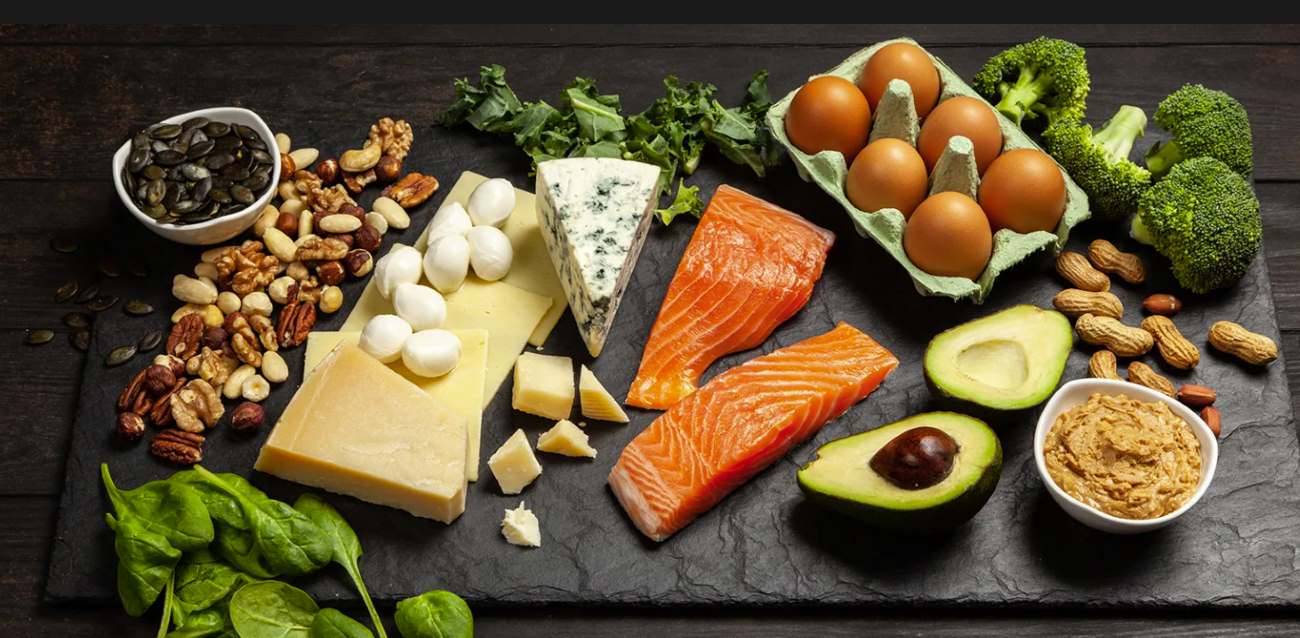

Prohibited Foods in the Keto Diet
Introduction:
The ketogenic diet, commonly known as the keto diet, has gained immense popularity due to its potential benefits in weight loss, mental clarity, and overall health. However, adhering to this low-carb, high-fat diet requires a clear understanding of which foods to avoid to maintain a state of ketosis. This article delves into the prohibited foods in the keto diet, explaining why certain foods are off-limits and how they can disrupt your keto journey.
Understanding the Keto Diet: A Brief Overview
The ketogenic diet is a high-fat, low-carbohydrate diet designed to shift the body’s metabolism from burning glucose to burning fat. By significantly reducing carbohydrate intake and increasing fat consumption, the body enters a state of ketosis. In ketosis, the liver converts fats into ketones, which serve as an alternative energy source for the brain and body.
Originally developed in the 1920s to treat epilepsy, the keto diet has since been adopted for its various health benefits, including weight loss, improved mental focus, and better blood sugar control. The standard ketogenic diet typically consists of 70-75% fat, 20-25% protein, and only 5-10% carbohydrates.
Achieving and maintaining ketosis requires strict adherence to these macronutrient ratios. Consuming too many carbs can quickly knock the body out of ketosis, making it essential to understand which foods to avoid. This diet emphasizes whole, unprocessed foods while limiting or eliminating high-carb and sugar-rich foods.
While the keto diet can be highly effective, it is not without its challenges. One of the most significant hurdles is identifying and avoiding foods that can disrupt ketosis. This article will explore the types of foods that are prohibited on the keto diet and explain why they should be avoided.
By understanding the principles of the keto diet and the reasons behind food restrictions, individuals can make informed choices and successfully navigate their keto journey. Let’s delve into the specific categories of prohibited foods and their impact on ketosis.
Why Some Foods Are Prohibited in Keto
The primary goal of the keto diet is to maintain a state of ketosis, where the body relies on fat for fuel instead of carbohydrates. Certain foods are prohibited on the keto diet because they contain high levels of carbohydrates, which can quickly elevate blood sugar levels and disrupt ketosis.
Carbohydrates are broken down into glucose, which the body uses for energy. When carbohydrate intake is high, the body does not need to burn fat for fuel, preventing ketosis. Therefore, foods rich in carbs, such as grains, starchy vegetables, and sugary snacks, are off-limits on the keto diet.
Another reason some foods are prohibited is their glycemic index (GI). Foods with a high GI cause rapid spikes in blood sugar levels, leading to insulin release and subsequent storage of fat. To maintain ketosis, it is crucial to avoid high-GI foods that can interfere with the body’s ability to burn fat efficiently.
Processed foods often contain hidden sugars and unhealthy fats, making them unsuitable for the keto diet. These foods can also contain additives and preservatives that may negatively impact health. Whole, unprocessed foods are preferred to ensure a clean and effective keto diet.
Additionally, some foods contain hidden carbs that can be easily overlooked. These hidden carbs can accumulate and push the daily carb intake above the recommended limit, disrupting ketosis. Being mindful of food labels and ingredient lists is essential to avoid these hidden carbs.
Finally, certain foods may be prohibited due to their potential to cause inflammation or other health issues. For example, some individuals may need to avoid dairy or gluten-containing foods due to sensitivities or allergies. Personalizing the keto diet to accommodate individual health needs is crucial for long-term success.
High-Carb Foods to Avoid on Keto
Grains and grain-based products are among the top high-carb foods to avoid on the keto diet. This includes wheat, rice, oats, barley, and products made from these grains, such as bread, pasta, and cereals. These foods are rich in carbohydrates and can quickly elevate blood sugar levels, disrupting ketosis.
Starchy vegetables, such as potatoes, sweet potatoes, corn, and peas, are also high in carbohydrates and should be avoided on the keto diet. While these vegetables are nutritious, their high starch content makes them unsuitable for maintaining ketosis.
Legumes, including beans, lentils, and chickpeas, are another category of high-carb foods to avoid. Although they are excellent sources of protein and fiber, their carbohydrate content is too high for the keto diet. Substituting legumes with low-carb vegetables can help maintain ketosis.
Fruits, particularly those high in natural sugars like bananas, apples, oranges, and grapes, should be limited or avoided on the keto diet. Berries, such as strawberries, blueberries, and raspberries, can be consumed in moderation due to their lower carb content.
Dairy products, especially those with added sugars or high lactose content, can also be problematic. Milk, flavored yogurt, and certain cheeses contain more carbs than allowed on the keto diet. Opting for full-fat, low-carb dairy options like heavy cream and hard cheeses can help stay within carb limits.
Finally, certain condiments and sauces, such as ketchup, barbecue sauce, and salad dressings, often contain added sugars and hidden carbs. Reading labels and choosing keto-friendly alternatives, such as mustard, mayonnaise, and olive oil-based dressings, is essential for maintaining ketosis.
Sugar-Rich Foods That Disrupt Ketosis
Sugary snacks and desserts, such as cakes, cookies, candies, and ice cream, are among the most obvious sugar-rich foods to avoid on the keto diet. These treats are loaded with sugar and can cause a rapid spike in blood glucose levels, effectively disrupting ketosis.
Beverages like soda, fruit juices, and energy drinks are also high in sugar and should be eliminated from the keto diet. These drinks can contain an alarming amount of carbohydrates, often exceeding the daily carb limit in just one serving.
Breakfast cereals, even those marketed as "healthy" or "whole grain," often contain significant amounts of added sugars. Starting the day with a high-sugar breakfast can hinder the ability to achieve and maintain ketosis. Opting for low-carb, high-fat breakfast options is a better choice.
Certain fruits, particularly those high in fructose, can also disrupt ketosis. While fruits are generally considered healthy, their natural sugar content can be too high for the keto diet. Limiting fruit intake to low-carb options like berries can help maintain ketosis.
Baked goods, including bread, muffins, and pastries, are typically made with refined flour and sugar, making them unsuitable for the keto diet. These foods can quickly elevate blood sugar levels and prevent the body from burning fat for fuel.
Lastly, many processed foods contain hidden sugars that can easily go unnoticed. Reading ingredient labels carefully and avoiding products with added sugars, high-fructose corn syrup, or other sweeteners is crucial for staying in ketosis. Opting for whole, unprocessed foods is the best way to avoid hidden sugars.
Processed Foods and Their Impact on Keto
Processed foods are often high in unhealthy fats, sugars, and additives, making them unsuitable for the keto diet. These foods can interfere with ketosis and negatively impact overall health. Avoiding processed foods is essential for maintaining a clean and effective keto diet.
Many processed foods contain trans fats, which are harmful to health and can increase the risk of heart disease. Trans fats are commonly found in margarine, shortening, and many commercially baked goods. Choosing whole, unprocessed fats like olive oil, coconut oil, and butter is a healthier option.
Processed meats, such as sausages, hot dogs, and deli meats, often contain added sugars, fillers, and preservatives. These additives can add hidden carbs and unhealthy ingredients to the diet. Opting for fresh, unprocessed meats ensures a cleaner keto diet.
Snack foods like chips, crackers, and pretzels are typically high in carbs and unhealthy fats. These snacks can quickly disrupt ketosis and contribute to weight gain. Choosing low-carb, high-fat snacks like nuts, seeds, and cheese can help maintain ketosis.
Frozen meals and convenience foods are often loaded with hidden sugars, unhealthy fats, and preservatives. These meals may seem convenient, but they can hinder the ability to achieve and maintain ketosis. Preparing meals from scratch using whole, unprocessed ingredients is a better approach.
Finally, many processed foods contain artificial sweeteners and additives that can negatively impact health. These additives can cause digestive issues, inflammation, and other health problems. Sticking to whole, natural foods and avoiding processed products is essential for a successful keto diet.
Hidden Carbs: Foods You Might Overlook
Certain vegetables, such as carrots, beets, and winter squash, contain more carbs than you might expect. While these vegetables are nutritious, their carb content can add up quickly, making it important to monitor portion sizes and choose lower-carb options.
Nuts and seeds are popular snacks on the keto diet, but some varieties contain more carbs than others. For example, cashews and pistachios have higher carb content compared to almonds and macadamia nuts. Being mindful of portion sizes and choosing lower-carb nuts can help maintain ketosis.
Dairy products, particularly those with added flavors or sweeteners, can contain hidden carbs. Flavored yogurts, sweetened milk alternatives, and certain cheeses can add unexpected carbs to the diet. Opting for plain, full-fat dairy products is a better choice for staying in ketosis.
Certain condiments and sauces, such as ketchup, barbecue sauce, and salad dressings, often contain added sugars and hidden carbs. Reading labels and choosing keto-friendly alternatives, such as mustard, mayonnaise, and olive oil-based dressings, is essential for maintaining ketosis.
Processed meats, such as sausages, hot dogs, and deli meats, can contain fillers and additives that add hidden carbs. Choosing fresh, unprocessed meats ensures a cleaner keto diet and helps avoid unexpected carbs.
Lastly, beverages like flavored water, sports drinks, and certain coffee drinks can contain hidden sugars and carbs. These drinks can quickly add up and disrupt ketosis. Sticking to water, unsweetened tea, and black coffee is the best way to avoid hidden carbs and maintain ketosis.
Conclusion:
The ketogenic diet can offer numerous health benefits, but it requires careful attention to food choices to maintain ketosis. By understanding which foods are prohibited and why, individuals can make informed decisions and successfully navigate their keto journey. Avoiding high-carb, sugar-rich, and processed foods, as well as being mindful of hidden carbs, is essential for achieving and maintaining ketosis. With the right knowledge and dedication, the keto diet can be a powerful tool for improving health and well-being.
Read More…
- Healthline: Ketogenic Diet 101 – A comprehensive guide to the ketogenic diet, including its benefits and how to get started.
- Diet Doctor: Ketogenic Diet Foods – What to Eat and What to Avoid – Detailed information on keto-friendly foods and those to avoid.
- Ruled.me: The Ketogenic Diet – A Detailed Beginner’s Guide – An in-depth guide to the keto diet, including meal plans and recipes.
- Keto Connect: Hidden Carbs in Keto Foods – A useful resource for identifying hidden carbs in common foods.
- Perfect Keto: The Ultimate Guide to the Ketogenic Diet – A thorough guide to the keto diet, covering everything from the science behind ketosis to practical tips for success.