

Se hai un abbonamento attivo ACCEDI QUI
Introduction:
The ketogenic diet, commonly known as the keto diet, has gained immense popularity due to its potential benefits for weight loss and overall health. By focusing on high-fat, moderate-protein, and low-carbohydrate intake, the keto diet aims to shift the body’s metabolism into a state of ketosis. This article will delve into the nine fundamental rules of the keto diet, providing a comprehensive understanding of how to effectively implement and sustain this dietary approach.
Understanding the Basics of the Keto Diet
The keto diet is a low-carb, high-fat diet that shares many similarities with the Atkins and low-carb diets. It involves drastically reducing carbohydrate intake and replacing it with fat. This reduction in carbs puts your body into a metabolic state called ketosis.
When you follow the keto diet, your body becomes incredibly efficient at burning fat for energy. It also turns fat into ketones in the liver, which can supply energy for the brain. The keto diet can cause significant reductions in blood sugar and insulin levels, which, along with the increased ketones, have numerous health benefits.
The primary goal of the keto diet is to enter and maintain a state of ketosis, where the body uses fat as its primary source of fuel. This is achieved by significantly reducing carbohydrate intake and increasing fat consumption. The macronutrient breakdown typically involves around 70-80% of calories from fat, 20-25% from protein, and 5-10% from carbohydrates.
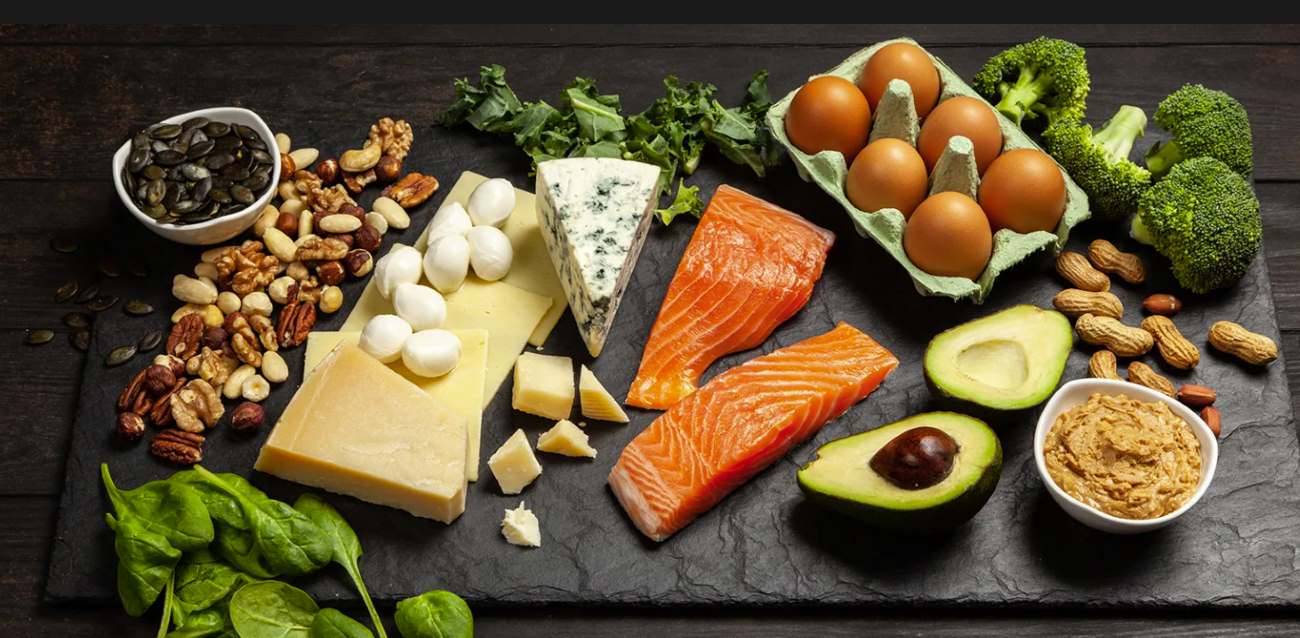
Understanding the basics of the keto diet is crucial for anyone looking to adopt this lifestyle. It requires a complete overhaul of your eating habits, focusing on foods that are high in healthy fats, moderate in protein, and very low in carbohydrates. This can include foods like meat, fish, eggs, butter, nuts, healthy oils, avocados, and plenty of low-carb vegetables.
The keto diet also emphasizes the importance of avoiding processed foods and sugars, which can spike insulin levels and kick you out of ketosis. Instead, it encourages whole, nutrient-dense foods that support overall health and well-being. By understanding these basics, you can set a solid foundation for your keto journey.
The Science Behind Ketosis and Fat Burning
Ketosis is a natural metabolic state where the body, deprived of glucose from carbohydrates, starts breaking down fats into ketones to use as a primary energy source. This process is the cornerstone of the keto diet, as it shifts the body’s energy reliance from carbohydrates to fats.
When carbohydrate intake is significantly reduced, insulin levels drop, and the body begins to break down stored fat into molecules called ketones. These ketones are then used by the body and brain for energy. This shift not only aids in weight loss but also provides a steady energy supply, reducing the peaks and troughs associated with carbohydrate consumption.
The process of ketosis also has several health benefits beyond weight loss. It can improve mental clarity and focus, as the brain uses ketones more efficiently than glucose. Additionally, ketosis has been shown to reduce inflammation, which is linked to various chronic diseases, including heart disease and cancer.
The fat-burning aspect of ketosis is particularly beneficial for those looking to lose weight. When the body is in ketosis, it becomes more efficient at burning fat for energy. This includes both the fat you consume and the stored fat in your body. As a result, many people experience significant weight loss when following a keto diet.
Moreover, ketosis helps to preserve muscle mass during weight loss. Unlike other diets that can lead to muscle loss, the keto diet’s high-fat and moderate-protein intake support muscle maintenance. This is crucial for overall health and metabolic function, as muscle tissue burns more calories at rest compared to fat tissue.
Understanding the science behind ketosis and fat burning is essential for anyone considering the keto diet. It highlights the importance of macronutrient balance and the body’s remarkable ability to adapt to different energy sources. By harnessing the power of ketosis, you can achieve sustainable weight loss and improved health.
Rule 1: Drastically Reduce Carbohydrate Intake
The first and most critical rule of the keto diet is to drastically reduce carbohydrate intake. Carbohydrates are the body’s primary source of energy, and by limiting them, you force your body to find alternative fuel sources, namely fats. This reduction is essential for entering and maintaining ketosis.
To achieve ketosis, most people need to limit their carbohydrate intake to around 20-50 grams per day. This can vary depending on individual factors such as age, gender, and activity level. The key is to find the right balance that allows your body to switch from using glucose to ketones for energy.
Reducing carbohydrate intake means eliminating or significantly cutting back on foods like bread, pasta, rice, sugary snacks, and most fruits. Instead, focus on low-carb vegetables, nuts, seeds, and healthy fats. Reading food labels and tracking your carb intake can be helpful in ensuring you stay within your daily limits.
It’s also important to be mindful of hidden carbs in processed foods and condiments. Many packaged foods contain added sugars and starches that can quickly add up and derail your progress. Opt for whole, unprocessed foods whenever possible to keep your carb intake in check.
The transition to a low-carb diet can be challenging, especially if you’re used to consuming a lot of carbohydrates. However, with time and practice, it becomes easier to identify and avoid high-carb foods. Planning your meals and snacks in advance can also help you stay on track and make healthier choices.
By drastically reducing your carbohydrate intake, you set the stage for your body to enter ketosis and start burning fat for fuel. This foundational rule is the cornerstone of the keto diet and is essential for achieving the desired metabolic state and reaping the associated health benefits.
Rule 2: Increase Healthy Fats Consumption
The second fundamental rule of the keto diet is to increase your consumption of healthy fats. Since the keto diet involves reducing carbohydrates, fats become the primary source of energy. Consuming adequate amounts of healthy fats is crucial for maintaining energy levels and supporting overall health.
Healthy fats include sources like avocados, nuts, seeds, olive oil, coconut oil, and fatty fish. These fats provide essential fatty acids and nutrients that support brain function, hormone production, and cellular health. Incorporating a variety of these fats into your diet ensures you get a well-rounded intake of nutrients.
It’s important to distinguish between healthy fats and unhealthy fats. Trans fats and highly processed oils, such as those found in fried foods and many packaged snacks, should be avoided. These unhealthy fats can increase inflammation and the risk of chronic diseases. Instead, focus on whole, unprocessed sources of fat.
One of the benefits of increasing healthy fat consumption is improved satiety. Fats are more calorie-dense than carbohydrates and proteins, meaning they can help you feel fuller for longer. This can reduce overall calorie intake and support weight loss efforts, as you’re less likely to experience hunger and cravings.
Incorporating healthy fats into your meals can be done in various ways. For example, you can add avocado to your salads, use olive oil for cooking, snack on nuts and seeds, and include fatty fish like salmon in your diet. Experimenting with different recipes and ingredients can make it easier to enjoy a high-fat diet.
Increasing healthy fats consumption is a vital component of the keto diet. It not only provides the necessary energy for your body but also supports various bodily functions and overall well-being. By prioritizing healthy fats, you can enhance the effectiveness of the keto diet and enjoy its numerous health benefits.
Rule 3: Moderate Protein Intake for Balance
The third rule of the keto diet is to moderate your protein intake. While protein is an essential macronutrient, consuming too much can interfere with ketosis. The goal is to find a balance that supports muscle maintenance and overall health without disrupting the metabolic state of ketosis.
Protein is necessary for building and repairing tissues, producing enzymes and hormones, and supporting immune function. However, excessive protein intake can lead to gluconeogenesis, a process where the body converts protein into glucose. This can raise blood sugar levels and potentially kick you out of ketosis.
To maintain ketosis, protein intake should be moderate, typically around 20-25% of your daily caloric intake. This can vary based on individual needs and activity levels. It’s important to choose high-quality protein sources, such as lean meats, fish, eggs, and plant-based options like tofu and tempeh.
Balancing protein intake can be achieved by planning your meals and being mindful of portion sizes. Including a source of protein in each meal is important, but it should be complemented with healthy fats and low-carb vegetables. This ensures a well-rounded and satisfying meal that supports ketosis.
It’s also important to listen to your body and adjust your protein intake as needed. If you’re highly active or engaging in strength training, you may require slightly more protein to support muscle recovery and growth. Conversely, if you’re more sedentary, you may need less protein to maintain ketosis.
Moderating protein intake is crucial for the success of the keto diet. It helps maintain the delicate balance of macronutrients needed to stay in ketosis while supporting overall health and well-being. By finding the right protein balance, you can optimize your keto diet and achieve your health and weight loss goals.
Rule 4: Stay Hydrated and Maintain Electrolytes
The fourth rule of the keto diet is to stay hydrated and maintain your electrolyte balance. Proper hydration and electrolyte levels are essential for overall health and can help mitigate some of the common side effects of transitioning to a keto diet, such as the "keto flu."
When you reduce carbohydrate intake, your body excretes more water and electrolytes, which can lead to dehydration and imbalances. This is because carbohydrates hold onto water in the body, and when they are reduced, water is lost along with electrolytes like sodium, potassium, and magnesium.
Staying hydrated involves drinking plenty of water throughout the day. Aim for at least 8-10 glasses of water daily, and more if you’re active or live in a hot climate. Drinking water not only helps maintain hydration but also supports various bodily functions, including digestion and circulation.
In addition to water, it’s important to replenish electrolytes. Sodium, potassium, and magnesium are the key electrolytes that need to be balanced on a keto diet. You can increase your sodium intake by adding a little extra salt to your meals or consuming broth. Potassium-rich foods include avocados, leafy greens, and nuts, while magnesium can be found in nuts, seeds, and dark chocolate.
Some people on the keto diet find it helpful to take electrolyte supplements, especially during the initial transition phase. These supplements can provide a convenient way to ensure you’re getting enough electrolytes and can help prevent symptoms like headaches, fatigue, and muscle cramps.
Monitoring your hydration and electrolyte levels is an ongoing process. Pay attention to your body’s signals, such as thirst, energy levels, and muscle function. Adjust your water and electrolyte intake as needed to maintain balance and support your overall health on the keto diet.
Staying hydrated and maintaining electrolytes is a fundamental rule of the keto diet. It helps prevent dehydration and electrolyte imbalances, which can lead to discomfort and hinder your progress. By prioritizing hydration and electrolyte balance, you can enhance your keto experience and achieve better health outcomes.
Conclusion:
The keto diet offers a unique approach to weight loss and health by shifting the body’s metabolism from carbohydrates to fats. By understanding the basics of the diet, the science behind ketosis, and adhering to the fundamental rules, you can effectively implement and sustain this dietary lifestyle. Reducing carbohydrate intake, increasing healthy fats, moderating protein, and maintaining hydration and electrolytes are key components for success on the keto diet. By following these guidelines, you can achieve your health and weight loss goals while enjoying the numerous benefits of ketosis.
Read More…
- Healthline: Ketogenic Diet 101 – A comprehensive guide to the keto diet, including benefits, risks, and meal plans.
- Diet Doctor: Ketogenic Diet for Beginners – An in-depth resource for those new to the keto diet, offering practical tips and recipes.
- Mayo Clinic: Ketogenic Diet – An expert overview of the keto diet, including its effects on health and potential risks.
- Harvard T.H. Chan School of Public Health: Ketogenic Diet – A detailed analysis of the keto diet’s impact on weight loss and overall health.
- WebMD: Ketogenic Diet – A slideshow explaining the keto diet, its benefits, and considerations for those interested in trying it.