
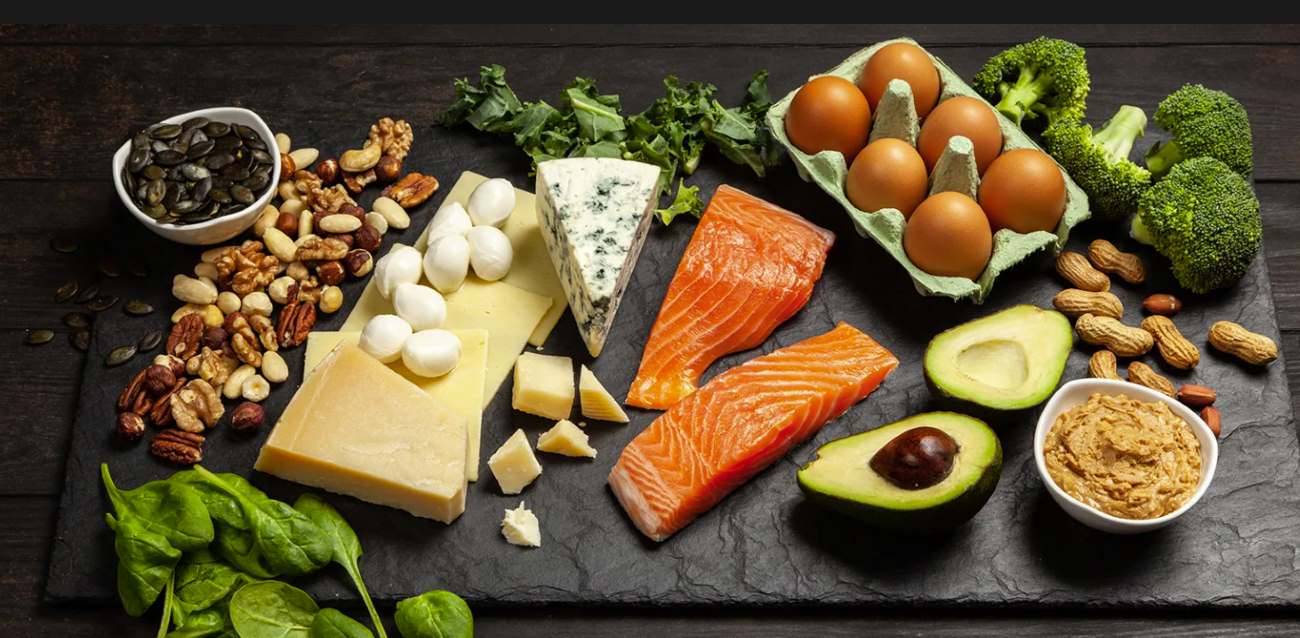

Introduction: The ketogenic diet, commonly known as the keto diet, has gained immense popularity due to its potential benefits for weight loss, improved energy levels, and better mental clarity. One of the key aspects of this diet is the focus on low-carb, high-fat foods. However, navigating the world of keto-friendly foods can be challenging. This guide aims to provide a comprehensive overview of unlimited keto-friendly foods, helping you make informed choices for your keto journey.
Introduction to Keto-Friendly Foods
Keto-friendly foods are those that align with the macronutrient ratios of the ketogenic diet, which typically include high fats, moderate proteins, and very low carbohydrates. These foods are essential for maintaining ketosis, a metabolic state where the body burns fat for fuel instead of carbohydrates. Understanding which foods are keto-friendly can simplify meal planning and ensure you stay on track with your dietary goals.
The primary focus of keto-friendly foods is to minimize carbohydrate intake while maximizing healthy fats and adequate protein. This balance helps in maintaining ketosis, which is crucial for the effectiveness of the keto diet. Foods rich in healthy fats, such as avocados, nuts, and seeds, are staples in a keto diet. Additionally, low-carb vegetables and high-protein options play a significant role in providing essential nutrients without disrupting ketosis.
One of the advantages of keto-friendly foods is their ability to keep you full and satisfied. High-fat foods are known for their satiating properties, which can help reduce overall calorie intake and support weight loss. Moreover, the inclusion of nutrient-dense vegetables and proteins ensures that you receive essential vitamins and minerals, promoting overall health and well-being.
Another critical aspect of keto-friendly foods is their impact on blood sugar levels. By minimizing carbohydrate intake, these foods help stabilize blood sugar and insulin levels, which can be beneficial for individuals with insulin resistance or type 2 diabetes. This stabilization can also lead to improved energy levels and reduced cravings for sugary foods.
It’s important to note that not all fats and proteins are created equal. Emphasizing whole, unprocessed foods over processed options is crucial for maximizing the health benefits of the keto diet. Processed foods often contain hidden sugars and unhealthy fats that can hinder your progress and negatively impact your health.
In summary, keto-friendly foods are essential for maintaining ketosis and achieving the benefits of the ketogenic diet. By focusing on high-fat, moderate-protein, and low-carb options, you can enjoy a variety of delicious and satisfying meals while supporting your health and dietary goals.
Understanding the Keto Diet Basics
The ketogenic diet is a high-fat, low-carbohydrate diet designed to shift the body’s metabolism from relying on glucose for energy to utilizing ketones, which are produced from fat. This metabolic state, known as ketosis, is the cornerstone of the keto diet and is achieved by drastically reducing carbohydrate intake and increasing fat consumption.
To maintain ketosis, it’s essential to understand the macronutrient ratios that define the keto diet. Typically, the diet consists of approximately 70-75% fat, 20-25% protein, and 5-10% carbohydrates. This macronutrient distribution forces the body to burn fat for fuel, leading to the production of ketones, which are then used as an alternative energy source.
One of the primary goals of the keto diet is to reduce carbohydrate intake to a level that prevents the body from using glucose as its main energy source. This usually means consuming no more than 20-50 grams of net carbs per day, depending on individual factors such as activity level and metabolic health. Net carbs are calculated by subtracting fiber and certain sugar alcohols from the total carbohydrate content.
The keto diet emphasizes the consumption of healthy fats, such as those found in avocados, olive oil, and fatty fish. These fats are not only essential for maintaining ketosis but also provide numerous health benefits, including improved heart health and reduced inflammation. Additionally, moderate protein intake is crucial for preserving muscle mass and supporting overall bodily functions.
It’s important to note that the transition to ketosis can take several days to a few weeks, during which some individuals may experience symptoms known as the "keto flu." These symptoms, which can include fatigue, headache, and irritability, are temporary and can be mitigated by staying hydrated, replenishing electrolytes, and gradually reducing carbohydrate intake.
Overall, understanding the basics of the keto diet is essential for successfully implementing and maintaining this dietary approach. By focusing on the appropriate macronutrient ratios and prioritizing healthy fats and proteins, individuals can achieve and sustain ketosis, leading to the numerous benefits associated with the ketogenic diet.
Key Benefits of Unlimited Keto Foods
One of the most significant benefits of unlimited keto-friendly foods is weight loss. By reducing carbohydrate intake and increasing fat consumption, the body is forced to burn fat for energy, leading to a reduction in body fat. Additionally, the satiating nature of high-fat foods helps control appetite and reduce overall calorie intake.
Improved mental clarity and cognitive function are also notable benefits of the keto diet. Ketones, the alternative energy source produced during ketosis, are known to provide a more stable and efficient fuel for the brain compared to glucose. This can result in enhanced focus, memory, and overall cognitive performance.
Stabilized blood sugar levels are another key advantage of unlimited keto-friendly foods. By minimizing carbohydrate intake, the diet helps prevent spikes and crashes in blood sugar, which can be particularly beneficial for individuals with insulin resistance or type 2 diabetes. This stabilization can also lead to more consistent energy levels throughout the day.
Reduced inflammation is a further benefit associated with the keto diet. Many keto-friendly foods, such as fatty fish, nuts, and seeds, contain anti-inflammatory properties that can help reduce chronic inflammation in the body. This can lead to improved overall health and a lower risk of developing chronic diseases.
The keto diet has also been shown to improve cardiovascular health. By emphasizing healthy fats and reducing the intake of processed carbohydrates, the diet can help lower triglyceride levels, increase HDL (good) cholesterol, and reduce LDL (bad) cholesterol. These changes can contribute to a healthier heart and a reduced risk of cardiovascular disease.
Lastly, unlimited keto-friendly foods can support better digestive health. The diet encourages the consumption of fiber-rich vegetables and healthy fats, which can promote a healthy gut microbiome and improve digestion. Additionally, the reduction in processed foods and sugars can help alleviate digestive issues such as bloating and gas.
In summary, the key benefits of unlimited keto-friendly foods include weight loss, improved mental clarity, stabilized blood sugar levels, reduced inflammation, enhanced cardiovascular health, and better digestive health. These benefits make the keto diet an attractive option for individuals seeking to improve their overall health and well-being.
List of Unlimited Keto-Friendly Vegetables
Leafy greens are a cornerstone of the keto diet due to their low carbohydrate content and high nutrient density. Vegetables such as spinach, kale, and Swiss chard are excellent choices, providing essential vitamins and minerals while keeping carb intake minimal. These greens can be used in salads, smoothies, and various cooked dishes.
Cruciferous vegetables are another group of keto-friendly options. Broccoli, cauliflower, Brussels sprouts, and cabbage are not only low in carbs but also rich in fiber and antioxidants. These vegetables can be roasted, steamed, or sautéed, making them versatile additions to any keto meal plan.
Zucchini and other summer squashes are also great for a keto diet. With their mild flavor and low carbohydrate content, they can be used in a variety of dishes, from zoodles (zucchini noodles) to casseroles. Zucchini is particularly popular for its ability to mimic higher-carb foods like pasta and bread.
Avocados are a unique vegetable in the keto world due to their high fat content. They are an excellent source of healthy monounsaturated fats, fiber, and essential nutrients like potassium. Avocados can be eaten on their own, added to salads, or used to make guacamole, providing a creamy texture and rich flavor to keto dishes.
Bell peppers, particularly green ones, are another keto-friendly vegetable. They are low in carbs and high in vitamins A and C, making them a nutritious addition to your diet. Bell peppers can be eaten raw, stuffed with keto-friendly fillings, or added to stir-fries and salads.
Lastly, mushrooms are a versatile and low-carb vegetable that can be incorporated into many keto recipes. They are rich in B vitamins and minerals like selenium and potassium. Mushrooms can be sautéed, grilled, or used as a meat substitute in various dishes, adding a savory flavor and satisfying texture.
In summary, keto-friendly vegetables include leafy greens, cruciferous vegetables, zucchini, avocados, bell peppers, and mushrooms. These vegetables are low in carbohydrates and high in essential nutrients, making them ideal for maintaining ketosis and supporting overall health on the keto diet.
High-Protein Keto Foods You Can Enjoy
Eggs are a staple in the keto diet due to their high protein content and versatility. They are an excellent source of essential amino acids, vitamins, and minerals. Eggs can be prepared in various ways, including boiled, scrambled, poached, or used in keto-friendly baking recipes.
Fatty fish, such as salmon, mackerel, and sardines, are not only high in protein but also rich in omega-3 fatty acids. These healthy fats are beneficial for heart health and have anti-inflammatory properties. Fatty fish can be grilled, baked, or added to salads for a nutritious and satisfying meal.
Poultry, including chicken and turkey, is another excellent source of protein for the keto diet. Opt for cuts with the skin on to increase the fat content, which is essential for maintaining ketosis. Poultry can be roasted, grilled, or used in soups and stews to create a variety of keto-friendly dishes.
Beef and pork are also high-protein options that fit well into a keto diet. Choose fattier cuts like ribeye, brisket, and pork belly to ensure adequate fat intake. These meats can be cooked in numerous ways, from grilling and roasting to slow-cooking and frying, providing a rich and satisfying flavor.
Cheese and other dairy products, such as Greek yogurt and cottage cheese, are high in protein and fat, making them suitable for a keto diet. Opt for full-fat versions to maximize fat intake and avoid added sugars. Cheese can be used in various recipes, from omelets and casseroles to keto-friendly snacks like cheese crisps.
Nuts and seeds, including almonds, walnuts, chia seeds, and flaxseeds, are not only high in protein but also provide healthy fats and fiber. These can be eaten as snacks, added to salads, or used in keto baking recipes. However, it’s important to monitor portion sizes, as nuts and seeds can be calorie-dense.
In summary, high-protein keto foods include eggs, fatty fish, poultry, beef, pork, cheese, and nuts and seeds. These foods provide essential nutrients and help maintain muscle mass while supporting ketosis, making them integral components of a well-rounded keto diet.
Tips for Incorporating Keto Foods Daily
Start your day with a keto-friendly breakfast. Eggs, avocado, and fatty fish like salmon make excellent choices. You can prepare scrambled eggs with spinach and cheese or enjoy a smoked salmon and avocado salad. These options are not only delicious but also help keep you full and energized throughout the morning.
Plan your meals around keto-friendly vegetables and proteins. For lunch, consider a salad with leafy greens, grilled chicken, and a high-fat dressing made from olive oil or avocado. Incorporating a variety of vegetables and proteins ensures you get a range of nutrients while maintaining ketosis.
Snacking can be challenging on a keto diet, but there are plenty of keto-friendly options. Nuts, seeds, cheese, and low-carb vegetables like cucumber and bell peppers make great snacks. Preparing these snacks in advance can help you stay on track and avoid reaching for high-carb alternatives.
Dinner can be a time to experiment with different keto-friendly recipes. Consider dishes like cauliflower rice stir-fry with shrimp, zucchini noodles with meatballs, or a hearty beef stew with low-carb vegetables. These meals are satisfying and align with the macronutrient ratios required for ketosis.
Stay hydrated and replenish electrolytes. Drinking plenty of water and incorporating electrolyte-rich foods like avocados, nuts, and leafy greens can help prevent the "keto flu" and keep you feeling your best. You can also consider electrolyte supplements if needed.
Lastly, track your macronutrient intake to ensure you are staying within the desired ratios for the keto diet. There are various apps and tools available that can help you monitor your daily intake of fats, proteins, and carbohydrates. This practice can help you stay accountable and make adjustments as needed to maintain ketosis.
In summary, incorporating keto foods daily involves planning meals around keto-friendly vegetables and proteins, preparing snacks in advance, experimenting with different recipes, staying hydrated, and tracking your macronutrient intake. These tips can help you successfully maintain a keto diet and enjoy its numerous benefits.
Conclusion: Navigating the world of keto-friendly foods can seem daunting at first, but with the right knowledge and planning, it becomes much more manageable. By focusing on unlimited keto-friendly vegetables, high-protein foods, and incorporating them into your daily meals, you can enjoy the numerous benefits of the keto diet. Remember to stay hydrated, track your macronutrient intake, and experiment with different recipes to keep your meals exciting and satisfying. With these strategies, you can successfully maintain ketosis and achieve your health and dietary goals.
Read More…
- Healthline: Ketogenic Diet 101 – A comprehensive guide to understanding the basics of the ketogenic diet, including its benefits and how to get started.
- Diet Doctor: Keto Vegetables – The Visual Guide to the Best and Worst – A detailed visual guide to the best and worst vegetables for a keto diet, helping you make informed choices.
- Ruled.me: The Ketogenic Diet – A Detailed Beginner’s Guide – An in-depth guide for beginners on the ketogenic diet, covering everything from meal planning to common pitfalls.
- Perfect Keto: The Ultimate Guide to Keto-Friendly Foods – A thorough list of keto-friendly foods, including vegetables, proteins, and fats, to help you stay on track.
- Keto Connect: 50 Best Keto-Friendly Foods – A curated list of the best keto-friendly foods, complete with nutritional information and tips for incorporating them into your diet.