

Se hai un abbonamento attivo ACCEDI QUI
Introduction: The ketogenic diet, commonly referred to as the keto diet, has gained immense popularity for its potential to aid in weight loss and improve overall health. However, one of the biggest challenges for those following this diet is determining which foods fit within its strict low-carb guidelines. Bananas, a commonly consumed fruit, often raise questions among keto enthusiasts. This article delves into the role of bananas in a ketogenic diet, examining their nutritional profile, impact on ketosis, and potential alternatives.
Introduction to Bananas in a Ketogenic Diet
Bananas are a staple fruit in many households, known for their convenience, taste, and nutritional benefits. However, their place in a ketogenic diet is often debated due to their carbohydrate content. Understanding whether bananas can be incorporated into a keto lifestyle requires a thorough examination of their nutritional makeup and how they align with the principles of the diet.
The ketogenic diet is characterized by a high-fat, moderate-protein, and very low-carbohydrate intake. This macronutrient distribution aims to shift the body’s primary energy source from glucose to ketones, produced from fat. Given this, the carbohydrate content of any food, including bananas, becomes a critical factor to consider.
Bananas are rich in several essential nutrients, including potassium, vitamin C, and dietary fiber. However, they also contain a significant amount of carbohydrates, primarily in the form of sugars. This raises questions about their compatibility with a ketogenic diet, which typically limits daily carbohydrate intake to around 20-50 grams.
Despite their nutritional benefits, the high carbohydrate content in bananas can potentially disrupt ketosis, the metabolic state central to the ketogenic diet. Therefore, understanding the specific carbohydrate and sugar content in bananas is crucial for anyone considering their inclusion in a keto meal plan.
In this article, we will explore the nutritional profile of bananas, the principles of the ketogenic diet, and the impact of bananas on ketosis and blood sugar levels. Additionally, we will discuss keto-friendly fruit alternatives and gather expert opinions on the matter.
By the end of this article, readers will have a comprehensive understanding of whether bananas can fit into a ketogenic diet and how to make informed dietary choices while following this lifestyle.
Nutritional Profile of Bananas: Carbs and Sugars
Bananas are renowned for their rich nutritional profile, providing a variety of vitamins and minerals essential for health. A medium-sized banana (approximately 118 grams) contains about 105 calories, making it a relatively low-calorie snack. However, its macronutrient composition is where the concerns for keto dieters arise.
One medium banana contains approximately 27 grams of carbohydrates, of which about 14 grams are sugars. The primary sugars in bananas are glucose, fructose, and sucrose. This high sugar content is what gives bananas their sweet taste but also contributes to their high glycemic index (GI), which can impact blood sugar levels.
In addition to carbohydrates and sugars, bananas provide about 3 grams of dietary fiber. Fiber is an essential nutrient that aids in digestion and helps regulate blood sugar levels. However, even when accounting for the fiber content, the net carbohydrate content of a banana remains high, around 24 grams.
Bananas are also an excellent source of potassium, providing about 422 milligrams per medium fruit. Potassium is crucial for maintaining proper heart function and regulating blood pressure. Additionally, bananas offer vitamin C, vitamin B6, and small amounts of other micronutrients like magnesium and manganese.
Despite their nutritional benefits, the high carbohydrate content in bananas makes them a challenging fit for a ketogenic diet. The primary goal of keto is to limit carbohydrate intake to induce and maintain ketosis. Given that a single banana can exceed the daily carb allowance for many keto dieters, it becomes essential to consider its impact on ketosis.
Understanding the nutritional profile of bananas is the first step in evaluating their suitability for a ketogenic diet. While they offer several health benefits, their carbohydrate and sugar content pose a significant challenge for those aiming to maintain ketosis.
Ketogenic Diet Principles: Low-Carb Requirements
The ketogenic diet is fundamentally a low-carbohydrate, high-fat diet designed to shift the body’s metabolism from relying on glucose to utilizing ketones for energy. This metabolic state, known as ketosis, is achieved by drastically reducing carbohydrate intake and increasing fat consumption. The typical macronutrient distribution for a ketogenic diet is approximately 70-75% fat, 20-25% protein, and 5-10% carbohydrates.
To enter and maintain ketosis, individuals must limit their daily carbohydrate intake to around 20-50 grams. This restriction forces the body to deplete its glycogen stores and begin producing ketones from fat. Foods high in carbohydrates, such as grains, legumes, and certain fruits, are generally avoided or consumed in very limited quantities.
The primary objective of the ketogenic diet is to reduce insulin levels and promote fat burning. Carbohydrates are the primary driver of insulin secretion, and by minimizing their intake, the diet aims to stabilize blood sugar levels and reduce insulin resistance. This metabolic shift can lead to various health benefits, including weight loss, improved mental clarity, and better blood sugar control.
Given the stringent carbohydrate limits of the ketogenic diet, it is crucial to carefully select foods that align with these requirements. High-carb foods, even those that are nutrient-dense like bananas, can potentially disrupt ketosis and hinder the diet’s effectiveness. Therefore, understanding the carbohydrate content of foods and their impact on blood sugar levels is essential for anyone following a keto lifestyle.
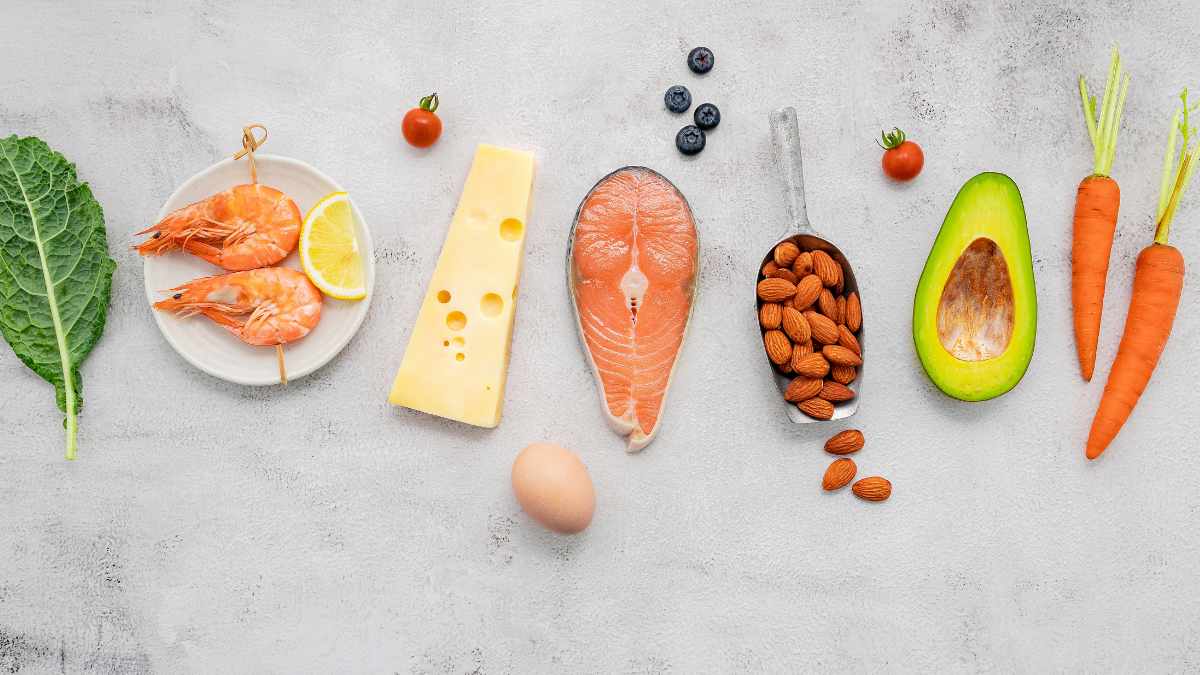
The ketogenic diet also emphasizes the importance of consuming healthy fats and moderate amounts of protein. Sources of healthy fats include avocados, nuts, seeds, and oils like olive and coconut oil. Protein intake should be sufficient to support muscle maintenance and repair but not so high as to interfere with ketosis.
In summary, the ketogenic diet’s low-carb requirements are designed to induce and maintain ketosis, promoting fat burning and metabolic health. Foods high in carbohydrates, such as bananas, must be carefully evaluated to determine their compatibility with this dietary approach.
Impact of Bananas on Ketosis and Blood Sugar
The impact of bananas on ketosis and blood sugar levels is a critical consideration for those following a ketogenic diet. As previously mentioned, bananas are high in carbohydrates and sugars, which can significantly affect blood glucose levels and insulin response. Consuming a banana can lead to a rapid increase in blood sugar, followed by a corresponding rise in insulin levels.
When blood sugar levels spike, the body releases insulin to facilitate the uptake of glucose into cells for energy. This process can temporarily halt ketosis, as the presence of insulin signals the body to prioritize glucose metabolism over ketone production. For individuals on a ketogenic diet, maintaining stable blood sugar levels is essential to sustaining ketosis and reaping the diet’s benefits.
The glycemic index (GI) of bananas is relatively high, with a medium banana having a GI score of around 51. The glycemic index measures how quickly a food raises blood sugar levels compared to pure glucose. Foods with a high GI are rapidly digested and absorbed, leading to quick spikes in blood sugar. This characteristic makes bananas less suitable for a ketogenic diet, where stable blood sugar levels are paramount.
In addition to the glycemic index, the glycemic load (GL) of bananas is also a concern. Glycemic load takes into account both the GI and the carbohydrate content of a food, providing a more comprehensive measure of its impact on blood sugar. A medium banana has a glycemic load of approximately 13, which is considered moderate to high. This further underscores the potential of bananas to disrupt ketosis.
For those strictly adhering to a ketogenic diet, the high carbohydrate and sugar content in bananas can make it challenging to stay within the daily carb limits. Even a single banana can account for a significant portion of the allowed carbohydrate intake, leaving little room for other nutrient-dense foods.
In conclusion, the impact of bananas on ketosis and blood sugar levels is substantial due to their high carbohydrate and sugar content. While they offer several nutritional benefits, their potential to disrupt ketosis makes them a less suitable choice for individuals following a ketogenic diet.
Alternatives to Bananas for Keto-Friendly Fruits
While bananas may not be the best fit for a ketogenic diet, there are several other fruits that can be enjoyed in moderation without disrupting ketosis. These keto-friendly fruits are lower in carbohydrates and sugars, making them more suitable for maintaining the metabolic state central to the diet.
Berries, such as strawberries, raspberries, and blackberries, are excellent alternatives to bananas for those on a ketogenic diet. These fruits are relatively low in carbohydrates and high in fiber, which helps mitigate their impact on blood sugar levels. For example, a half-cup serving of raspberries contains only about 3 grams of net carbs, making them a keto-friendly option.
Avocados are another fantastic fruit choice for keto dieters. Although often mistaken for a vegetable, avocados are technically a fruit and are exceptionally low in carbohydrates. A whole avocado contains only about 2 grams of net carbs and is rich in healthy fats, making it an ideal addition to a ketogenic meal plan.
Coconuts and coconut products, such as unsweetened coconut flakes and coconut milk, are also suitable for a ketogenic diet. Coconuts are low in carbohydrates and high in medium-chain triglycerides (MCTs), a type of fat that is easily converted into ketones. This makes coconut products a valuable source of healthy fats for those following a keto lifestyle.
Olives are another low-carb fruit that can be included in a ketogenic diet. They are high in healthy monounsaturated fats and contain minimal carbohydrates. A serving of 10 large olives has only about 1 gram of net carbs, making them an excellent snack or addition to salads and dishes.
Lastly, tomatoes, while often categorized as vegetables, are technically fruits and can be consumed in moderation on a ketogenic diet. A medium tomato contains about 4 grams of net carbs, making it a relatively low-carb option. Tomatoes are also rich in vitamins and antioxidants, contributing to overall health.
In summary, while bananas may not be suitable for a ketogenic diet due to their high carbohydrate content, there are several other fruits that can be enjoyed in moderation. Berries, avocados, coconuts, olives, and tomatoes are all keto-friendly options that provide essential nutrients without disrupting ketosis.
Expert Opinions on Bananas in a Keto Lifestyle
Experts in nutrition and ketogenic diets have varying opinions on the inclusion of bananas in a keto lifestyle. While some acknowledge the nutritional benefits of bananas, most agree that their high carbohydrate content makes them a challenging fit for those strictly adhering to a ketogenic diet.
Dr. Eric Westman, a leading expert in ketogenic diets, advises against consuming high-carb fruits like bananas while following a keto plan. He emphasizes the importance of maintaining low carbohydrate intake to achieve and sustain ketosis. According to Dr. Westman, even a single banana can exceed the daily carb limit for many keto dieters, making it difficult to maintain ketosis.
Nutritionist and keto advocate Maria Emmerich also cautions against the consumption of bananas on a ketogenic diet. She highlights the high sugar content in bananas and its potential to spike blood sugar levels, which can disrupt ketosis. Emmerich suggests opting for lower-carb fruits like berries and avocados to satisfy fruit cravings without compromising the diet’s principles.
On the other hand, some experts argue that the occasional consumption of bananas may not be detrimental for everyone. Dr. Dominic D’Agostino, a prominent researcher in the field of ketogenic diets, suggests that individuals with higher carbohydrate tolerance or those following a cyclical ketogenic diet (CKD) may be able to incorporate small amounts of higher-carb fruits like bananas without significantly impacting ketosis.
Registered dietitian Franziska Spritzler acknowledges the nutritional benefits of bananas but advises caution for those on a strict ketogenic diet. She recommends monitoring blood sugar levels and individual responses to determine whether bananas can be included in moderation. Spritzler also emphasizes the importance of balancing overall carbohydrate intake to stay within the diet’s guidelines.
In conclusion, while bananas offer several nutritional benefits, their high carbohydrate content makes them a less suitable choice for those strictly following a ketogenic diet. Expert opinions generally advise against their regular consumption but suggest that individual tolerance and dietary flexibility may allow for occasional inclusion in some cases.
Conclusion: Evaluating the role of bananas in a ketogenic diet requires a careful examination of their nutritional profile, impact on ketosis, and alignment with the diet’s low-carb principles. While bananas are rich in essential nutrients, their high carbohydrate and sugar content pose challenges for those aiming to maintain ketosis. Keto-friendly fruit alternatives such as berries, avocados, and olives provide valuable nutrients without disrupting ketosis. Expert opinions generally advise against regular banana consumption on a keto diet but acknowledge that individual tolerance and dietary flexibility may allow for occasional inclusion. Ultimately, making informed dietary choices is crucial for successfully following a ketogenic lifestyle.
Read More…
-
Healthline: The Ketogenic Diet 101
- A comprehensive guide to the ketogenic diet, including its principles, benefits, and food recommendations.
-
Diet Doctor: Ketogenic Diet Foods – What to Eat and What to Avoid
- A detailed list of foods suitable for a ketogenic diet, including low-carb fruit options.
-
Medical News Today: What are the benefits of the keto diet?
- An article exploring the potential health benefits of the ketogenic diet and its impact on various health conditions.
-
Verywell Fit: Carbs in Bananas
- An analysis of the carbohydrate content in bananas and their impact on blood sugar levels.
-
Ruled.me: The Ketogenic Diet and Ketosis
- A comprehensive guide to understanding the ketogenic diet, ketosis, and how to achieve and maintain this metabolic state.