

How to Implement a Ketogenic Diet Effectively
Introduction:
The ketogenic diet, commonly known as the keto diet, has gained immense popularity for its potential benefits in weight loss, improved mental clarity, and enhanced energy levels. However, understanding how to implement this diet effectively is crucial for achieving these benefits while maintaining overall health. This article delves into the fundamentals of the ketogenic diet, its benefits, essential nutrients, and provides a step-by-step guide to starting and maintaining a successful keto plan.
Understanding the Basics of Ketogenic Diets
The ketogenic diet is a high-fat, low-carbohydrate eating plan that aims to shift the body’s metabolism from relying on glucose for energy to utilizing ketones produced from fat. This metabolic state, known as ketosis, occurs when carbohydrate intake is significantly reduced, forcing the body to burn fat for fuel.
To achieve ketosis, daily carbohydrate intake is typically limited to around 20-50 grams, while fat intake is increased to about 70-75% of total daily calories. Protein intake is moderate, making up about 20-25% of daily calories. This macronutrient distribution is crucial for maintaining ketosis and reaping the benefits of the diet.
The transition into ketosis can take several days to a week, during which the body adapts to burning fat instead of carbohydrates. This period, often referred to as the "keto flu," may involve symptoms such as fatigue, headache, and irritability as the body adjusts.
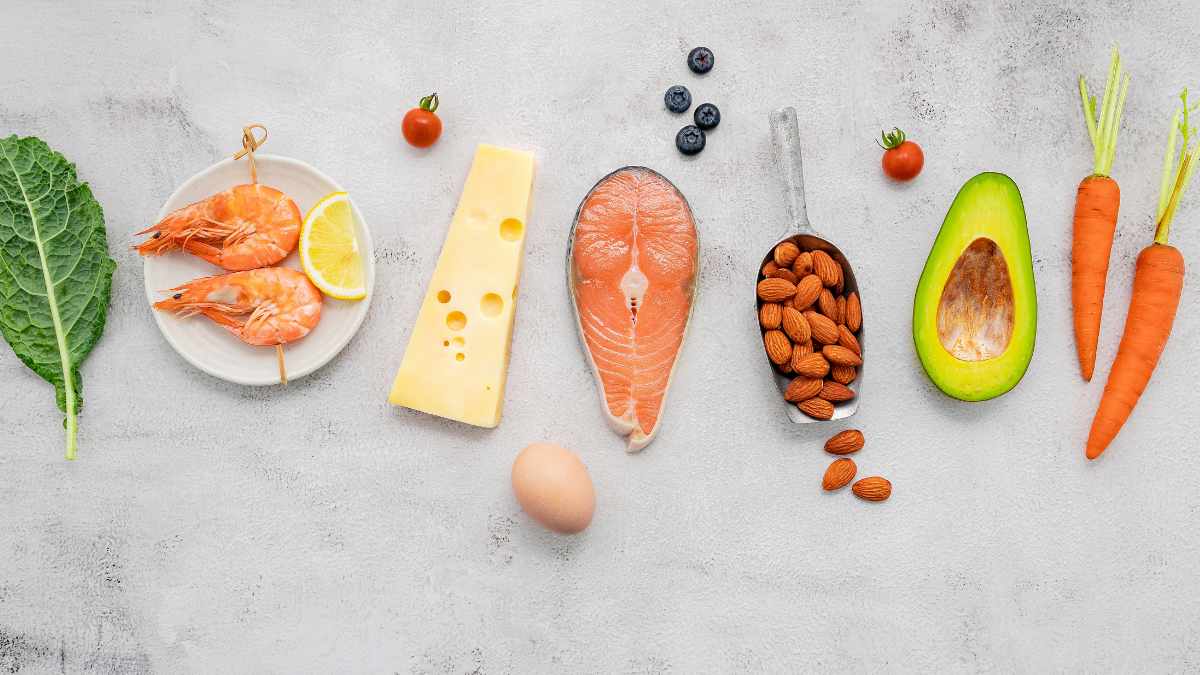
It’s important to note that not all fats are created equal. Emphasizing healthy fats, such as those from avocados, nuts, seeds, and olive oil, is essential for maintaining overall health while on the ketogenic diet.
Additionally, staying hydrated and maintaining electrolyte balance is crucial during the initial stages of the diet. Increased water intake and supplementation with electrolytes like sodium, potassium, and magnesium can help mitigate the symptoms of the keto flu.
Understanding these basics sets the foundation for a successful ketogenic diet, ensuring that you can navigate the initial challenges and move towards the benefits of ketosis.
Key Benefits of a Ketogenic Diet
One of the primary benefits of the ketogenic diet is its potential for significant weight loss. By reducing carbohydrate intake and increasing fat consumption, the body becomes more efficient at burning fat for energy. This can lead to a reduction in body fat and overall weight.
Improved mental clarity and focus are also notable benefits of the keto diet. Ketones, the byproducts of fat metabolism, are a more efficient fuel source for the brain compared to glucose. Many individuals report enhanced cognitive function and sustained energy levels throughout the day.
The ketogenic diet has been shown to help stabilize blood sugar levels and improve insulin sensitivity. This makes it a promising dietary approach for individuals with type 2 diabetes or those at risk of developing the condition. By reducing carbohydrate intake, the body requires less insulin to manage blood sugar levels, leading to improved metabolic health.
Another significant benefit is the potential for increased energy and endurance. As the body adapts to burning fat for fuel, it becomes more efficient at utilizing stored fat, providing a steady source of energy. This can be particularly beneficial for athletes and individuals engaging in prolonged physical activity.
The ketogenic diet may also have therapeutic benefits for certain medical conditions. Research suggests that it can be effective in managing epilepsy, particularly in children who do not respond to traditional treatments. Additionally, emerging studies indicate potential benefits for neurological conditions such as Alzheimer’s disease and Parkinson’s disease.
Finally, the ketogenic diet can promote a healthier relationship with food. By focusing on whole, nutrient-dense foods and reducing processed carbohydrates, individuals may experience reduced cravings and a more balanced approach to eating.
Essential Nutrients for Ketosis
Achieving and maintaining ketosis requires careful attention to nutrient intake. While the primary focus is on high fat and low carbohydrate consumption, ensuring adequate intake of essential nutrients is crucial for overall health.
Healthy fats are the cornerstone of the ketogenic diet. Sources such as avocados, olive oil, coconut oil, nuts, and seeds provide essential fatty acids and promote satiety. Incorporating a variety of these fats ensures a balanced intake of omega-3 and omega-6 fatty acids.
Protein is another important component of the keto diet, but it should be consumed in moderation. High-quality protein sources such as grass-fed meat, poultry, fish, eggs, and dairy products provide essential amino acids without disrupting ketosis.
Fiber is often overlooked but plays a vital role in digestive health. Non-starchy vegetables such as leafy greens, broccoli, cauliflower, and zucchini are excellent sources of fiber while being low in carbohydrates. Including these vegetables in your diet helps maintain gut health and regular bowel movements.
Electrolytes are crucial for maintaining hydration and preventing the symptoms of the keto flu. Sodium, potassium, and magnesium are the primary electrolytes that need to be monitored. Foods such as leafy greens, nuts, seeds, avocados, and salt can help maintain electrolyte balance.
Micronutrients such as vitamins and minerals are essential for overall health and well-being. While the ketogenic diet can provide many of these nutrients, supplementation may be necessary in some cases. A high-quality multivitamin can help fill any gaps in your diet.
Lastly, staying hydrated is essential on the ketogenic diet. Increased water intake helps flush out toxins and supports metabolic processes. Aim to drink at least 8-10 glasses of water per day, and consider adding a pinch of salt to your water to help maintain electrolyte balance.
Step-by-Step Guide to Starting Keto
Starting a ketogenic diet can seem daunting, but breaking it down into manageable steps can make the transition smoother and more sustainable.
-
Educate Yourself: Before starting the keto diet, take the time to educate yourself about its principles, benefits, and potential challenges. Understanding the science behind ketosis and how the diet works will help you make informed decisions.
-
Plan Your Meals: Meal planning is crucial for success on the keto diet. Create a meal plan that includes a variety of healthy fats, moderate protein, and low-carb vegetables. This will help you stay on track and avoid the temptation of high-carb foods.
-
Stock Your Kitchen: Clear out high-carb foods from your pantry and fridge, and stock up on keto-friendly options. Having a well-stocked kitchen with healthy fats, proteins, and low-carb vegetables makes it easier to stick to your diet.
-
Track Your Macros: Use a food diary or a mobile app to track your daily intake of carbohydrates, fats, and proteins. This helps ensure that you stay within the recommended macronutrient ratios and maintain ketosis.
-
Stay Hydrated: Drink plenty of water and monitor your electrolyte intake. Consider adding electrolyte supplements or incorporating foods rich in sodium, potassium, and magnesium to prevent the symptoms of the keto flu.
-
Monitor Your Progress: Regularly check your ketone levels using urine strips, blood tests, or breath analyzers. This helps you determine whether you are in ketosis and allows you to make necessary adjustments to your diet.
By following these steps, you can set a solid foundation for your ketogenic journey and increase your chances of long-term success.
Monitoring and Adjusting Your Keto Plan
Once you have started the ketogenic diet, monitoring your progress and making necessary adjustments is crucial for achieving and maintaining ketosis.
-
Track Your Ketone Levels: Regularly check your ketone levels to ensure you are in ketosis. This can be done using urine strips, blood tests, or breath analyzers. Consistently high ketone levels indicate that your body is effectively burning fat for fuel.
-
Adjust Your Macronutrient Ratios: If you find that you are not consistently in ketosis, consider adjusting your macronutrient ratios. Reducing carbohydrate intake or increasing healthy fats may help you achieve and maintain ketosis.
-
Monitor Your Weight and Body Composition: Keep track of your weight and body measurements to monitor your progress. While weight loss is a common goal, changes in body composition, such as increased muscle mass and reduced body fat, are also important indicators of success.
-
Listen to Your Body: Pay attention to how your body responds to the diet. If you experience symptoms such as fatigue, irritability, or digestive issues, consider making adjustments to your diet or consulting with a healthcare professional.
-
Stay Flexible: The ketogenic diet is not a one-size-fits-all approach. Be open to making adjustments based on your individual needs and preferences. This may include experimenting with different foods, meal timing, or exercise routines.
-
Seek Support: Joining a keto community or working with a healthcare professional can provide valuable support and guidance. Sharing your experiences and learning from others can help you stay motivated and make informed decisions.
By monitoring your progress and making necessary adjustments, you can optimize your ketogenic diet and achieve your health and wellness goals.
Common Pitfalls and How to Avoid Them
While the ketogenic diet offers numerous benefits, there are common pitfalls that can hinder your progress. Being aware of these challenges and knowing how to avoid them can help you stay on track.
-
Not Eating Enough Fat: One of the most common mistakes is not consuming enough healthy fats. Fat is the primary fuel source on the keto diet, and inadequate intake can lead to fatigue and difficulty maintaining ketosis. Ensure you are incorporating a variety of healthy fats into your meals.
-
Overeating Protein: Consuming too much protein can interfere with ketosis. Excess protein can be converted into glucose through a process called gluconeogenesis, which can prevent you from entering or maintaining ketosis. Stick to moderate protein intake and focus on high-quality sources.
-
Neglecting Electrolytes: Electrolyte imbalances can lead to symptoms such as headaches, muscle cramps, and fatigue. Ensure you are getting enough sodium, potassium, and magnesium through your diet or supplements to maintain proper electrolyte balance.
-
Not Drinking Enough Water: Dehydration is a common issue on the keto diet. Increased water intake is necessary to support metabolic processes and prevent symptoms of the keto flu. Aim to drink at least 8-10 glasses of water per day.
-
Ignoring Hidden Carbohydrates: Many processed foods and condiments contain hidden carbohydrates that can add up quickly. Read labels carefully and be mindful of carbohydrate content in all foods to avoid unintentionally exceeding your daily limit.
-
Lack of Planning: Failing to plan meals and snacks can lead to poor food choices and difficulty sticking to the diet. Take the time to plan your meals, prepare keto-friendly snacks, and have a strategy for dining out or social events.
By being aware of these common pitfalls and taking proactive steps to avoid them, you can increase your chances of success on the ketogenic diet.
Conclusion:
Implementing a ketogenic diet effectively requires a thorough understanding of its principles, careful planning, and ongoing monitoring. By focusing on healthy fats, moderate protein, and low-carbohydrate vegetables, you can achieve and maintain ketosis, leading to numerous health benefits. Staying hydrated, maintaining electrolyte balance, and being mindful of common pitfalls are essential for long-term success. With the right approach and support, the ketogenic diet can be a powerful tool for improving your overall health and well-being.
Read More…
- The Ketogenic Diet: A Detailed Beginner’s Guide to Keto – Healthline provides a comprehensive guide to understanding and starting the ketogenic diet.
- Ketogenic Diet 101: A Complete Scientific Guide to Keto – Ruled.me offers an in-depth look at the science behind the ketogenic diet and practical tips for implementation.
- The Ketogenic Diet: A Detailed Beginner’s Guide to Keto – Diet Doctor explains the basics of the ketogenic diet and provides resources for meal planning and staying on track.
- Keto Diet: What is a Ketogenic Diet? – Medical News Today explores the ketogenic diet, its benefits, and potential risks.
- Keto Diet for Beginners – Diet Doctor offers a beginner-friendly guide to starting the ketogenic diet, including meal plans and recipes.