

How to Set Up a Ketogenic Diet PDF
Introduction:
Creating a comprehensive and user-friendly ketogenic diet PDF can be a game-changer for those looking to adopt this popular low-carb, high-fat diet. Whether you are a nutritionist, a fitness coach, or simply someone passionate about keto, a well-structured PDF can provide valuable guidance and support. This article will walk you through the essential steps to set up a ketogenic diet PDF, ensuring it is informative, engaging, and easy to follow.
Understanding the Basics of a Ketogenic Diet
The ketogenic diet, often referred to as the keto diet, is a high-fat, low-carbohydrate eating plan that aims to induce a state of ketosis in the body. Ketosis occurs when the body starts burning fat for fuel instead of carbohydrates, leading to the production of ketones. This metabolic state can help with weight loss, improved mental clarity, and increased energy levels.
The primary goal of the keto diet is to significantly reduce carbohydrate intake and replace it with healthy fats. Typically, the macronutrient ratio for a ketogenic diet is around 70-75% fat, 20-25% protein, and 5-10% carbohydrates. This drastic reduction in carbs forces the body to utilize fat as its primary energy source.
Understanding the science behind ketosis is crucial for anyone looking to adopt or promote the keto diet. The liver plays a key role in this process, converting fatty acids into ketones, which are then used as an alternative energy source by the brain and other tissues. This shift in metabolism can lead to various health benefits, including improved insulin sensitivity and reduced inflammation.
However, it’s important to note that the keto diet may not be suitable for everyone. Individuals with certain medical conditions, such as diabetes or kidney disease, should consult a healthcare professional before starting this diet. Additionally, the initial phase of the keto diet, often called the "keto flu," can cause temporary side effects like fatigue, headaches, and irritability as the body adjusts to the new macronutrient ratios.
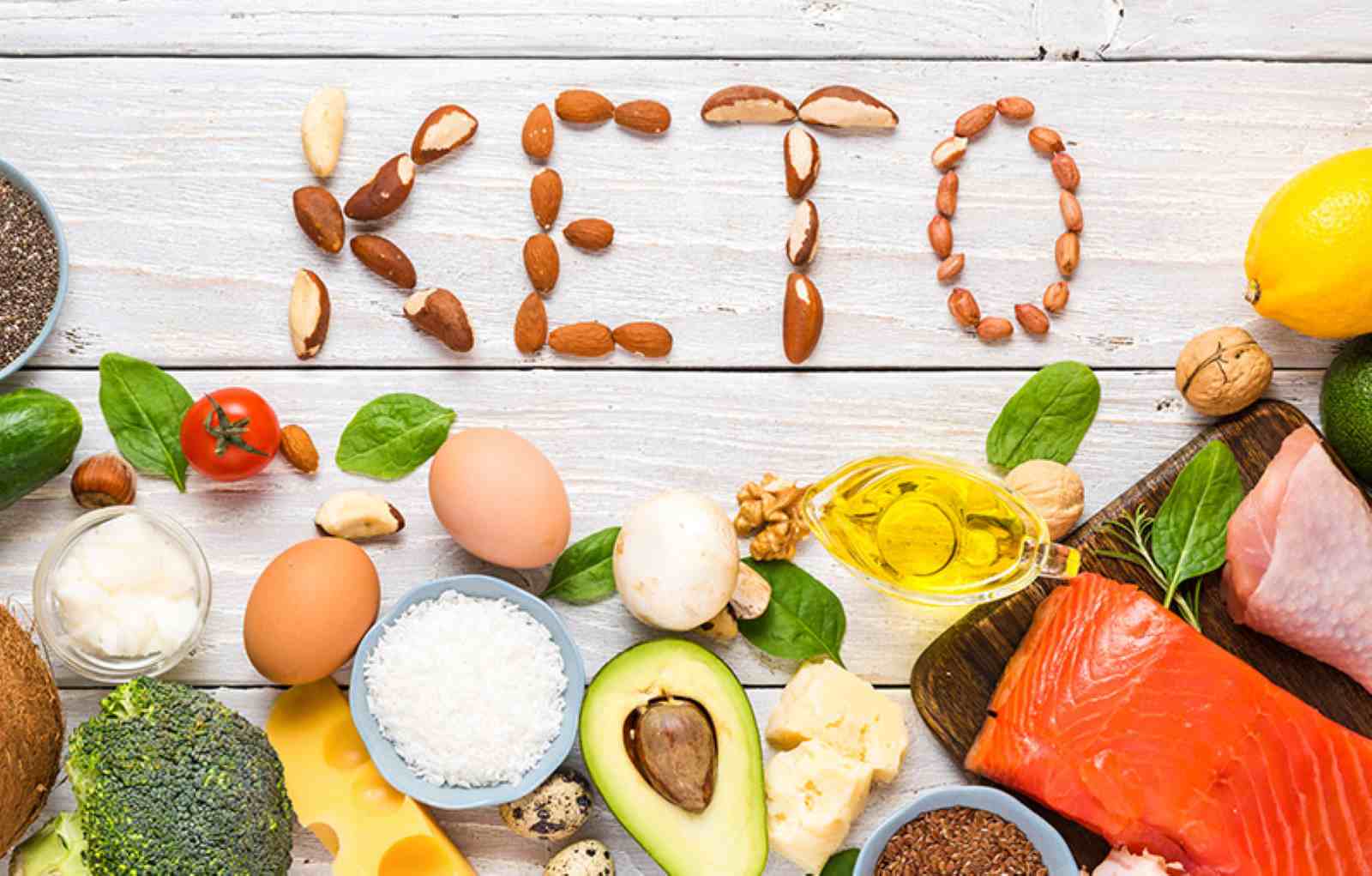
To successfully follow a ketogenic diet, it’s essential to have a clear understanding of which foods are allowed and which should be avoided. High-carb foods like bread, pasta, and sugary snacks are off-limits, while healthy fats such as avocados, nuts, and olive oil are encouraged. Protein sources should be moderate and can include meat, fish, and eggs.
Finally, staying hydrated and maintaining electrolyte balance is crucial on a keto diet. Drinking plenty of water and consuming foods rich in electrolytes, such as leafy greens and nuts, can help prevent dehydration and support overall health.
Essential Components of a Keto Diet Plan
A well-structured keto diet plan should include a variety of nutrient-dense foods that provide essential vitamins and minerals while keeping carbohydrate intake low. The foundation of any keto diet plan is healthy fats, which should make up the majority of daily caloric intake. Examples of healthy fats include avocados, coconut oil, olive oil, and fatty fish like salmon.
Protein is another critical component of a keto diet plan, but it should be consumed in moderation. High-quality protein sources include grass-fed beef, free-range poultry, eggs, and plant-based options like tofu and tempeh. It’s important to avoid processed meats and opt for whole, unprocessed protein sources whenever possible.
Vegetables play a vital role in a keto diet plan, providing essential nutrients and fiber while keeping carb intake low. Non-starchy vegetables like spinach, kale, broccoli, and cauliflower are excellent choices. These vegetables can be incorporated into meals in various ways, such as salads, stir-fries, and roasted dishes.
In addition to fats, proteins, and vegetables, a keto diet plan should include a selection of low-carb fruits and nuts. Berries, such as strawberries and blueberries, can be enjoyed in moderation, while nuts like almonds, walnuts, and macadamia nuts make for satisfying snacks. These foods provide additional nutrients and help keep cravings at bay.
Meal planning and preparation are crucial for success on a keto diet. Creating a weekly meal plan that includes breakfast, lunch, dinner, and snacks can help ensure that you stay on track and avoid the temptation of high-carb foods. Batch cooking and preparing meals in advance can save time and make it easier to adhere to the diet.
Finally, tracking macronutrient intake is essential for maintaining ketosis. Using a food diary or a mobile app to log daily food consumption can help you stay within the recommended macronutrient ratios. This practice can also help identify any areas where adjustments may be needed to optimize the diet for individual needs and goals.
Tools Needed to Create a Keto Diet PDF
Creating a professional and informative keto diet PDF requires the right tools and resources. The first tool you’ll need is a reliable word processing software, such as Microsoft Word or Google Docs. These programs allow you to create, edit, and format your document with ease. They also offer various templates that can help you get started with the layout and design of your PDF.
Graphic design software, such as Adobe Illustrator or Canva, is another essential tool for creating visually appealing PDFs. These programs offer a wide range of design elements, including fonts, images, and icons, that can enhance the overall look and feel of your document. Canva, in particular, is user-friendly and offers numerous templates specifically designed for creating PDFs.
High-quality images and graphics are crucial for making your keto diet PDF engaging and informative. Stock photo websites like Shutterstock, Unsplash, and Pexels provide a vast selection of images that can be used to illustrate recipes, meal plans, and other content. Additionally, creating custom graphics, such as infographics and charts, can help convey complex information in an easily digestible format.
A reliable PDF converter is necessary to transform your document into a PDF format. Tools like Adobe Acrobat, Smallpdf, and PDFescape allow you to convert Word documents, Google Docs, and other file types into PDFs. These tools also offer features like compression, encryption, and editing, which can enhance the functionality and security of your PDF.
To ensure that your keto diet PDF is accessible to a wide audience, consider using accessibility tools. Programs like Adobe Acrobat Pro and Microsoft Word offer features that help make PDFs accessible to individuals with disabilities. This includes adding alt text to images, using readable fonts, and ensuring proper document structure.
Finally, collaboration tools can be invaluable when creating a keto diet PDF, especially if you are working with a team. Platforms like Google Drive, Dropbox, and Microsoft OneDrive allow multiple users to access, edit, and share documents in real-time. This can streamline the creation process and ensure that all contributors are on the same page.
Step-by-Step Guide to Structuring Your PDF
Structuring your keto diet PDF in a clear and logical manner is essential for ensuring that readers can easily navigate and understand the content. Start by creating a detailed outline that includes all the key sections and sub-sections you plan to include. This will serve as a roadmap for your document and help you stay organized throughout the writing process.
Begin your PDF with an engaging introduction that provides an overview of the ketogenic diet and its benefits. This section should capture the reader’s attention and provide a brief explanation of what they can expect to find in the document. Including a table of contents can also be helpful for guiding readers to specific sections of interest.
The next section should cover the basics of a ketogenic diet, including an explanation of ketosis, the macronutrient ratios, and the types of foods that are allowed and restricted. This foundational information will provide readers with a solid understanding of the diet and its principles.
Following the basics, include a section on meal planning and preparation. This should cover topics such as creating a weekly meal plan, batch cooking, and tips for staying on track with the diet. Providing sample meal plans and recipes can be particularly helpful for readers who are new to keto and looking for guidance on what to eat.
Incorporate a section on tracking macronutrient intake and monitoring progress. Explain the importance of maintaining the correct macronutrient ratios and provide tools and resources for tracking food intake, such as mobile apps and food diaries. This section can also include tips for overcoming common challenges and staying motivated.
Include a section on the potential side effects and how to mitigate them. Discuss the "keto flu" and other common issues that individuals may experience when starting the diet. Provide practical advice on how to manage these side effects, such as staying hydrated, consuming electrolytes, and gradually reducing carbohydrate intake.
Conclude your PDF with a section on frequently asked questions (FAQs) and additional resources. Address common questions and concerns that readers may have about the ketogenic diet. Provide links to reputable sources, such as scientific studies, expert articles, and keto communities, where readers can find further information and support.
Best Practices for Designing a Keto Diet PDF
Designing a visually appealing and user-friendly keto diet PDF is crucial for ensuring that readers have a positive experience and can easily access the information they need. Start by choosing a clean and professional design template that aligns with your brand or the tone of your document. Consistency in fonts, colors, and layout will create a cohesive and polished look.
Use high-quality images and graphics to enhance the visual appeal of your PDF. Incorporate photos of keto-friendly meals, ingredients, and lifestyle images that resonate with your audience. Custom graphics, such as infographics and charts, can help break up text and make complex information more digestible.
Pay attention to typography and readability. Choose fonts that are easy to read and avoid using too many different font styles, which can make the document look cluttered. Ensure that there is sufficient contrast between text and background colors to enhance readability. Using headings, subheadings, and bullet points can also help organize content and make it easier to scan.
Incorporate white space strategically to prevent the document from feeling overwhelming. White space, or negative space, refers to the empty areas around text and images. It helps create a balanced and uncluttered layout, making it easier for readers to focus on the content. Avoid cramming too much information onto a single page.
Ensure that your PDF is mobile-friendly, as many readers may access the document on their smartphones or tablets. Use a responsive design that adjusts to different screen sizes and orientations. Test the PDF on various devices to ensure that it displays correctly and that all interactive elements, such as links and buttons, function properly.
Finally, include interactive elements to enhance user engagement. Hyperlinks to external resources, such as websites, articles, and videos, can provide additional value and support for readers. Adding clickable buttons for navigation, such as "Back to Top" or "Next Section," can improve the overall user experience and make the document more interactive.
How to Distribute and Promote Your Keto PDF
Once your keto diet PDF is complete, the next step is to distribute and promote it effectively to reach your target audience. Start by leveraging your existing online platforms, such as your website, blog, and social media channels. Create a dedicated landing page on your website where visitors can download the PDF. Use compelling calls-to-action (CTAs) to encourage downloads.
Email marketing is another powerful tool for distributing your keto diet PDF. If you have an email list, send out a newsletter announcing the release of your PDF and include a direct download link. Consider offering the PDF as a free incentive for new email subscribers to grow your list and reach a broader audience.
Collaborate with influencers and partners in the health and wellness industry to promote your PDF. Reach out to bloggers, nutritionists, fitness coaches, and other relevant influencers who may be interested in sharing your PDF with their audience. Guest blogging, podcast interviews, and social media shoutouts can help increase visibility and credibility.
Utilize online communities and forums related to the ketogenic diet. Platforms like Reddit, Facebook groups, and health-focused forums are great places to share your PDF and engage with individuals who are interested in keto. Be sure to follow community guidelines and provide value in your posts to avoid being perceived as spammy.
Consider running paid advertising campaigns to promote your keto diet PDF. Platforms like Google Ads, Facebook Ads, and Instagram Ads allow you to target specific demographics and interests, increasing the likelihood of reaching individuals who are interested in the ketogenic diet. Monitor the performance of your ads and adjust your strategy as needed to optimize results.
Finally, encourage feedback and reviews from those who download and use your PDF. Positive testimonials and reviews can build trust and encourage others to download your document. Consider creating a feedback form or survey to gather insights on how to improve future versions of your PDF and better meet the needs of your audience.
Conclusion:
Creating a ketogenic diet PDF involves a combination of thorough research, strategic planning, and thoughtful design. By understanding the basics of the keto diet, incorporating essential components, and utilizing the right tools, you can create a valuable resource for those looking to adopt this lifestyle. Following best practices for structuring and designing your PDF will ensure it is user-friendly and engaging. Finally, effective distribution and promotion strategies will help you reach a wider audience and make a meaningful impact.
Read More…
- Diet Doctor: A comprehensive resource for all things keto, including meal plans, recipes, and scientific explanations.
- Healthline’s Guide to Keto: An in-depth guide to the ketogenic diet, covering benefits, risks, and meal planning tips.
- Ruled.me: Offers a wide range of keto recipes, meal plans, and guides to help you succeed on the ketogenic diet.
- Perfect Keto: Provides keto products, recipes, and educational content to support a ketogenic lifestyle.
- Keto Connect: A popular blog featuring keto recipes, meal plans, and tips for maintaining a ketogenic diet.