
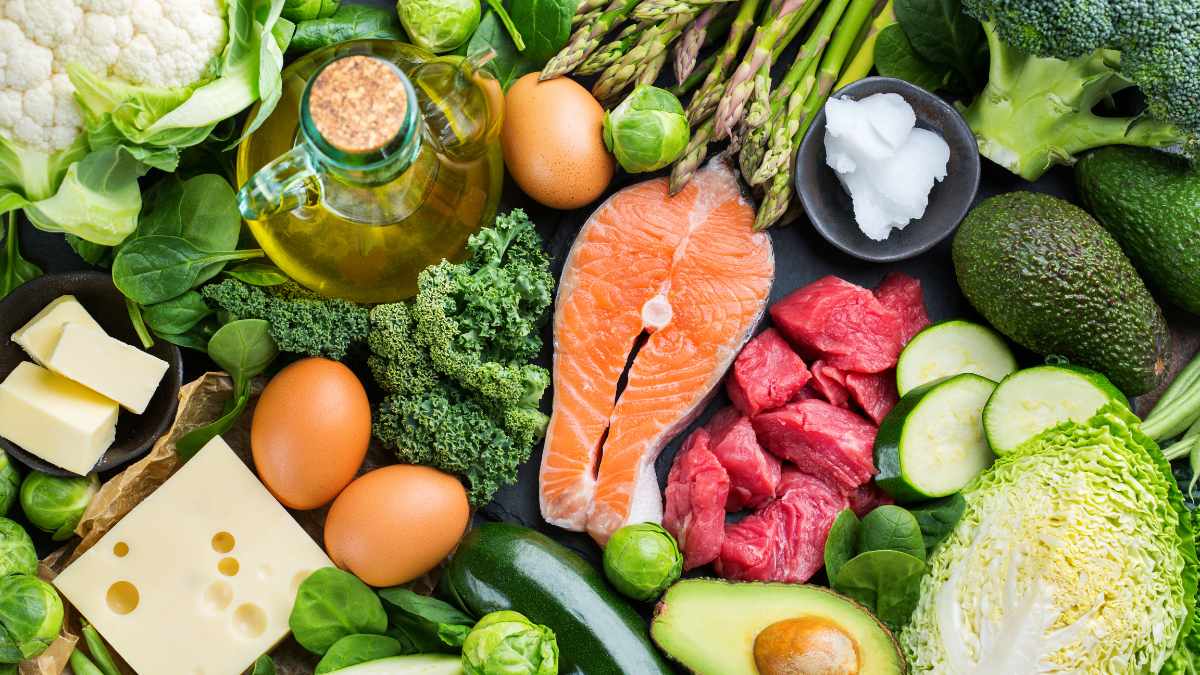

Optimal Fats for a Ketogenic Diet
Introduction:
The ketogenic diet, often referred to as the keto diet, has gained immense popularity for its potential benefits in weight loss, mental clarity, and overall health. Central to this diet is the consumption of fats, which replace carbohydrates as the primary source of energy. Understanding the types of fats and their roles in a ketogenic diet is crucial for maximizing its benefits while maintaining health. This article delves into the optimal fats for a ketogenic diet, exploring their types, roles, benefits, and risks.
Understanding Fats in a Ketogenic Diet
Fats are a fundamental component of the ketogenic diet, making up about 70-80% of daily caloric intake. This high-fat, low-carbohydrate approach forces the body into a state of ketosis, where it burns fat for fuel instead of glucose. The types of fats consumed can significantly impact the effectiveness and health outcomes of the diet.
In ketosis, the liver converts fats into ketones, which serve as an alternative energy source for the brain and muscles. This metabolic shift can lead to improved mental clarity, sustained energy levels, and reduced hunger. However, not all fats are created equal, and their sources and types play a pivotal role in achieving and maintaining ketosis.
The quality of fats consumed is equally important. High-quality fats from natural sources support overall health, while low-quality fats can lead to inflammation and other health issues. Therefore, understanding the different types of fats and their effects is essential for anyone on a ketogenic diet.
Fats can be categorized into three main types: saturated, unsaturated, and trans fats. Each type has distinct characteristics and impacts on health. Saturated fats are typically solid at room temperature, while unsaturated fats are usually liquid. Trans fats, often found in processed foods, are artificially created and pose significant health risks.
Balancing these fats is crucial for optimizing the ketogenic diet. While some fats support ketosis and offer health benefits, others can be detrimental. Knowing which fats to include and which to avoid can make a significant difference in the diet’s success and sustainability.
In summary, fats are the cornerstone of the ketogenic diet. Understanding their types, sources, and impacts on health is vital for anyone looking to reap the benefits of ketosis. The following sections will explore each type of fat in detail, providing insights into their roles and effects.
Types of Fats: Saturated, Unsaturated, and Trans
Saturated fats are found in animal products like meat, butter, and cheese, as well as tropical oils such as coconut and palm oil. These fats have been the subject of much debate, with some studies linking them to heart disease, while others suggest they may not be as harmful as once thought. In the context of a ketogenic diet, saturated fats can be beneficial when consumed in moderation.
Unsaturated fats are divided into two categories: monounsaturated and polyunsaturated fats. Monounsaturated fats are found in foods like olive oil, avocados, and nuts. These fats are known for their heart-healthy benefits and can help reduce bad cholesterol levels. Polyunsaturated fats, including omega-3 and omega-6 fatty acids, are essential fats that the body cannot produce on its own. They are found in fatty fish, flaxseeds, and walnuts.
Trans fats are artificially created through a process called hydrogenation, which turns liquid oils into solid fats. These fats are commonly found in processed foods, margarine, and baked goods. Trans fats are widely recognized as harmful, increasing the risk of heart disease, inflammation, and other health issues. They should be avoided, especially on a ketogenic diet.
Each type of fat has a different impact on ketosis and overall health. Saturated fats can support ketosis but should be balanced with unsaturated fats to maintain heart health. Monounsaturated and polyunsaturated fats offer numerous health benefits and should be a significant part of the diet. Trans fats, on the other hand, should be eliminated entirely.
The sources of these fats also matter. Natural, unprocessed sources of fats are preferable to processed and artificial ones. For example, choosing grass-fed butter over margarine or extra virgin olive oil over processed vegetable oils can make a significant difference in the diet’s healthfulness.
In conclusion, understanding the different types of fats and their sources is crucial for optimizing a ketogenic diet. Balancing saturated, monounsaturated, and polyunsaturated fats while avoiding trans fats can help achieve and maintain ketosis while supporting overall health.
The Role of Saturated Fats in Ketosis
Saturated fats play a significant role in the ketogenic diet by providing a stable and efficient source of energy. These fats are easily converted into ketones by the liver, which are then used as fuel by the body and brain. This process is essential for maintaining ketosis and reaping the benefits of the ketogenic diet.
One of the primary sources of saturated fats in a ketogenic diet is coconut oil. Coconut oil is rich in medium-chain triglycerides (MCTs), which are rapidly absorbed and converted into ketones. This makes coconut oil an excellent choice for those looking to boost ketone production and energy levels.
Butter and ghee are other common sources of saturated fats in a ketogenic diet. These fats are not only delicious but also provide essential fatty acids and fat-soluble vitamins. Grass-fed butter, in particular, contains higher levels of omega-3 fatty acids and conjugated linoleic acid (CLA), which have additional health benefits.
Animal fats, such as those found in meat and dairy products, are also rich in saturated fats. While these fats can support ketosis, it’s important to choose high-quality sources. Grass-fed and pasture-raised animals tend to have a better fatty acid profile compared to conventionally raised animals. This can make a difference in the overall health impact of the diet.
Despite their benefits for ketosis, saturated fats should be consumed in moderation and balanced with unsaturated fats. Excessive intake of saturated fats has been linked to increased levels of LDL cholesterol, which can raise the risk of heart disease. Therefore, it’s crucial to strike a balance and include a variety of fat sources in the diet.
In summary, saturated fats are an essential component of the ketogenic diet, supporting ketosis and providing a stable energy source. However, they should be balanced with unsaturated fats to maintain heart health and overall well-being. Choosing high-quality sources of saturated fats can further enhance the diet’s benefits.
Benefits of Monounsaturated Fats for Health
Monounsaturated fats are a key component of a healthy ketogenic diet, offering numerous benefits for heart health and overall well-being. These fats are found in foods like olive oil, avocados, nuts, and seeds. Incorporating monounsaturated fats into a ketogenic diet can help balance saturated fats and provide essential nutrients.
One of the primary benefits of monounsaturated fats is their ability to improve cholesterol levels. These fats can help reduce LDL (bad) cholesterol while increasing HDL (good) cholesterol. This can lower the risk of heart disease and support overall cardiovascular health, making them an important part of a balanced ketogenic diet.
Olive oil is one of the best sources of monounsaturated fats and is widely recognized for its health benefits. Extra virgin olive oil, in particular, is rich in antioxidants and anti-inflammatory compounds. Including olive oil in a ketogenic diet can enhance its health benefits and add delicious flavor to meals.
Avocados are another excellent source of monounsaturated fats. They are also rich in fiber, vitamins, and minerals, making them a nutrient-dense addition to the diet. Avocados can be used in various dishes, from salads to smoothies, providing a creamy texture and healthy fats.
Nuts and seeds, such as almonds, walnuts, and chia seeds, are also rich in monounsaturated fats. These foods offer additional benefits, including protein, fiber, and essential micronutrients. Including a variety of nuts and seeds in the diet can provide a balanced intake of healthy fats and other nutrients.
Incorporating monounsaturated fats into a ketogenic diet can also support weight management. These fats are satiating, helping to reduce hunger and prevent overeating. This can be particularly beneficial for those looking to lose weight or maintain a healthy weight while following a ketogenic diet.
In conclusion, monounsaturated fats are an essential part of a healthy ketogenic diet. They offer numerous benefits for heart health, weight management, and overall well-being. Including sources of monounsaturated fats, such as olive oil, avocados, and nuts, can enhance the diet’s health benefits and support long-term success.
Essential Polyunsaturated Fats and Omega-3s
Polyunsaturated fats are another important component of a ketogenic diet, providing essential fatty acids that the body cannot produce on its own. These fats are divided into two main categories: omega-3 and omega-6 fatty acids. Both types are crucial for health, but maintaining a proper balance between them is key.
Omega-3 fatty acids are known for their anti-inflammatory properties and numerous health benefits. They are found in fatty fish like salmon, mackerel, and sardines, as well as in flaxseeds, chia seeds, and walnuts. Including omega-3-rich foods in a ketogenic diet can support heart health, brain function, and overall well-being.
One of the primary benefits of omega-3 fatty acids is their ability to reduce inflammation. Chronic inflammation is linked to various health issues, including heart disease, arthritis, and autoimmune disorders. By incorporating omega-3s into the diet, individuals can help mitigate inflammation and support overall health.
Omega-6 fatty acids are also essential but are more commonly found in the typical Western diet. They are present in vegetable oils, nuts, and seeds. While omega-6s are necessary for health, an imbalance between omega-6 and omega-3 intake can lead to increased inflammation. Therefore, it’s important to prioritize omega-3-rich foods and limit excessive omega-6 consumption.
Flaxseeds and chia seeds are excellent plant-based sources of omega-3 fatty acids. These seeds can be easily incorporated into a ketogenic diet by adding them to smoothies, salads, or baked goods. They also provide additional benefits, such as fiber and antioxidants, making them a valuable addition to the diet.
Fish oil supplements are another option for increasing omega-3 intake. These supplements can provide a concentrated dose of EPA and DHA, the two most beneficial types of omega-3s. For those who do not consume enough fatty fish, fish oil supplements can be an effective way to ensure adequate omega-3 intake.
In summary, polyunsaturated fats, particularly omega-3 fatty acids, are essential for a healthy ketogenic diet. They offer numerous health benefits, including reducing inflammation and supporting heart and brain health. Prioritizing omega-3-rich foods and maintaining a proper balance with omega-6 intake can enhance the diet’s overall health benefits.
Avoiding Trans Fats: Health Risks and Alternatives
Trans fats are widely recognized as harmful and should be avoided, especially on a ketogenic diet. These fats are artificially created through hydrogenation, which turns liquid oils into solid fats. Trans fats are commonly found in processed foods, margarine, and baked goods, and they pose significant health risks.
One of the primary health risks associated with trans fats is their impact on cholesterol levels. Trans fats increase LDL (bad) cholesterol while decreasing HDL (good) cholesterol. This imbalance can lead to an increased risk of heart disease, stroke, and other cardiovascular issues.
In addition to their impact on cholesterol, trans fats are also linked to inflammation. Chronic inflammation is a contributing factor to various health problems, including heart disease, diabetes, and cancer. By avoiding trans fats, individuals can help reduce inflammation and support overall health.
Trans fats have also been associated with an increased risk of insulin resistance and type 2 diabetes. Consuming trans fats can impair the body’s ability to regulate blood sugar levels, leading to metabolic issues. Avoiding trans fats is particularly important for those on a ketogenic diet, as the diet aims to improve insulin sensitivity and metabolic health.
Fortunately, there are healthier alternatives to trans fats that can be included in a ketogenic diet. Natural sources of fats, such as butter, ghee, coconut oil, and olive oil, provide healthier options without the harmful effects of trans fats. These fats can be used in cooking and baking to replace margarine and other trans fat-laden products.
Reading food labels is crucial for avoiding trans fats. Many processed foods contain hidden trans fats, even if they are labeled as "trans fat-free." Look for ingredients like "partially hydrogenated oils" and avoid products that contain them. Choosing whole, unprocessed foods can also help minimize trans fat intake.
In conclusion, avoiding trans fats is essential for maintaining health on a ketogenic diet. These harmful fats increase the risk of heart disease, inflammation, and metabolic issues. By choosing healthier alternatives and reading food labels carefully, individuals can support their health and optimize their ketogenic diet.
Conclusion:
Fats are a crucial component of the ketogenic diet, providing the primary source of energy and supporting overall health. Understanding the different types of fats and their roles is essential for optimizing the diet and achieving the desired benefits. Saturated fats support ketosis but should be balanced with heart-healthy monounsaturated and polyunsaturated fats. Omega-3 fatty acids offer numerous health benefits, while trans fats should be avoided due to their harmful effects. By carefully selecting and balancing fat sources, individuals can enhance their ketogenic diet and support long-term health and well-being.
Read More…
- Harvard T.H. Chan School of Public Health – Fats and Cholesterol: This resource provides comprehensive information on different types of fats, their health impacts, and dietary recommendations.
- American Heart Association – Dietary Fats: This article outlines the various types of dietary fats, their effects on heart health, and guidelines for consumption.
- National Institutes of Health – Omega-3 Fatty Acids: This source offers detailed information on the benefits of omega-3 fatty acids, their sources, and recommended intake levels.
- Mayo Clinic – Trans Fat: Avoid this Cholesterol Double Whammy: This article explains the health risks associated with trans fats and provides tips for avoiding them in the diet.
- Healthline – The Ketogenic Diet: A Detailed Beginner’s Guide: This guide offers an in-depth overview of the ketogenic diet, including its principles, benefits, and practical tips for implementation.