
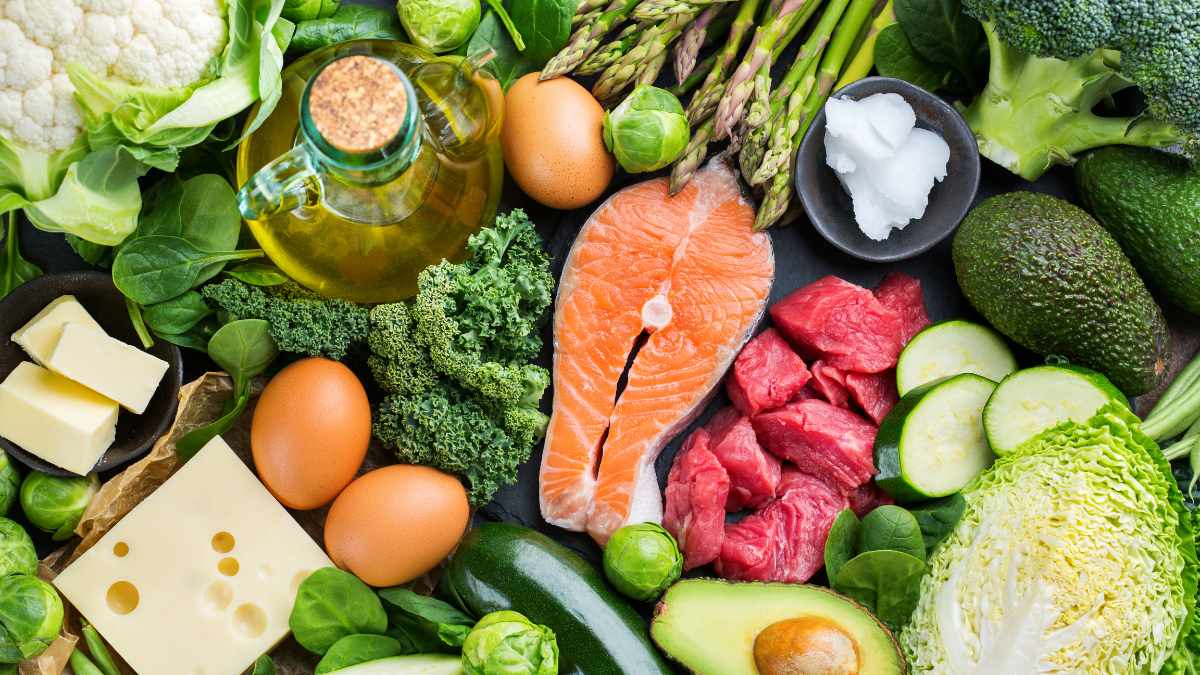

Optimal Fruits for a Ketogenic Diet
Introduction to Ketogenic Diet and Fruit Selection
Introduction: The ketogenic diet, often referred to as the keto diet, is a high-fat, low-carbohydrate diet that has gained significant popularity for its potential benefits in weight loss, improved mental clarity, and enhanced energy levels. One of the key challenges for individuals following a keto diet is selecting the right fruits, as many fruits are high in carbohydrates. This article delves into the optimal fruits for a ketogenic diet, providing a comprehensive guide to help you make informed choices.
The ketogenic diet works by shifting the body’s primary fuel source from carbohydrates to fats, leading to a state of ketosis. In this metabolic state, the body efficiently burns fat for energy, which can result in significant weight loss and other health benefits. However, maintaining ketosis requires strict carbohydrate control, typically limiting intake to 20-50 grams per day.
Fruits, while nutritious, can pose a challenge due to their natural sugar content. Many fruits are high in carbohydrates, which can quickly add up and disrupt ketosis. Therefore, selecting low-carb fruits is crucial for those adhering to a keto diet. This article will explore the best fruit options that align with keto principles.
Understanding the nutritional profile of various fruits is essential for making keto-friendly choices. While some fruits are high in sugar and carbs, others offer a lower carbohydrate content and can be enjoyed in moderation. By focusing on these low-carb options, you can enjoy the benefits of fruit without compromising your keto goals.
In addition to their carbohydrate content, it’s important to consider the overall nutritional value of fruits. Many low-carb fruits are rich in vitamins, minerals, and antioxidants, which can support overall health and well-being. This article will highlight the nutritional benefits of these fruits and how they can fit into a ketogenic lifestyle.
Selecting the right fruits for a keto diet involves a balance between enjoying the natural sweetness and maintaining low carbohydrate intake. By understanding which fruits are optimal for a ketogenic diet, you can make informed decisions that support your health and dietary goals.
Nutritional Profile of Low-Carb Fruits
Low-carb fruits are those that contain minimal amounts of carbohydrates, making them suitable for a ketogenic diet. These fruits typically have a lower glycemic index, meaning they have a smaller impact on blood sugar levels. This section will provide an overview of the nutritional profiles of some of the best low-carb fruits for a keto diet.
Berries, such as strawberries, raspberries, and blackberries, are excellent low-carb fruit options. They are not only low in carbohydrates but also high in fiber, which can help manage blood sugar levels. For example, a 100-gram serving of strawberries contains approximately 7.7 grams of carbs and 2 grams of fiber, resulting in a net carb count of 5.7 grams.
Avocados are another exceptional choice for a ketogenic diet. Technically a fruit, avocados are low in carbohydrates and high in healthy fats, making them a perfect fit for keto. A 100-gram serving of avocado contains about 9 grams of carbs, but 7 grams of these are fiber, leaving a net carb count of just 2 grams.
Coconuts, particularly in the form of coconut meat, are also a great low-carb fruit option. They are high in healthy fats and low in carbs. A 100-gram serving of coconut meat contains approximately 15 grams of carbs and 9 grams of fiber, resulting in a net carb count of 6 grams. This makes coconut an excellent addition to a keto diet.
Lemons and limes are citrus fruits that can be enjoyed in moderation on a keto diet. They are low in carbohydrates and can add flavor to dishes without significantly impacting carb intake. A 100-gram serving of lemon contains about 9 grams of carbs and 2.8 grams of fiber, resulting in a net carb count of 6.2 grams.
Tomatoes, often mistaken for vegetables, are actually fruits and can be included in a keto diet. They are relatively low in carbs and rich in vitamins and antioxidants. A 100-gram serving of tomatoes contains approximately 3.9 grams of carbs and 1.2 grams of fiber, resulting in a net carb count of 2.7 grams.
By focusing on these low-carb fruits, individuals following a ketogenic diet can enjoy the nutritional benefits of fruit without exceeding their carbohydrate limits. These fruits provide essential vitamins, minerals, and antioxidants while supporting the dietary goals of a keto lifestyle.
Benefits of Berries in a Keto Diet
Berries are among the best fruits for a ketogenic diet due to their low carbohydrate content and high nutritional value. This section will explore the specific benefits of incorporating berries into a keto diet, highlighting their unique advantages.
Firstly, berries are low in carbohydrates, making them suitable for maintaining ketosis. As previously mentioned, strawberries, raspberries, and blackberries are particularly low in net carbs. This allows individuals on a keto diet to enjoy the natural sweetness of fruit without risking a spike in blood sugar levels.
Secondly, berries are rich in fiber, which is beneficial for digestive health and can help regulate blood sugar levels. The high fiber content in berries can also promote a feeling of fullness, which can be helpful for those looking to manage their weight on a keto diet. For example, raspberries contain about 6.5 grams of fiber per 100-gram serving.
Berries are also packed with antioxidants, which can protect the body from oxidative stress and inflammation. Antioxidants such as vitamin C, quercetin, and anthocyanins are abundant in berries. These compounds can support overall health by neutralizing free radicals and reducing the risk of chronic diseases.
In addition to their antioxidant properties, berries provide essential vitamins and minerals. For instance, strawberries are an excellent source of vitamin C, manganese, and folate. These nutrients are important for immune function, bone health, and overall well-being, making berries a nutritious addition to a keto diet.
Berries can also support cardiovascular health. Studies have shown that the consumption of berries can improve markers of heart health, such as blood pressure and cholesterol levels. The polyphenols in berries, such as flavonoids, have been linked to reduced risk of heart disease, which is an added benefit for those following a keto diet.
Incorporating berries into a ketogenic diet can be both enjoyable and beneficial. They can be eaten fresh, added to salads, or used in keto-friendly desserts. By including berries in your meal plan, you can enjoy their delicious taste and numerous health benefits while staying within your carbohydrate limits.
Avocado: The Keto-Friendly Superfruit
Avocado is often hailed as a superfruit, particularly for those following a ketogenic diet. This section will delve into the reasons why avocado is an ideal fruit choice for a keto lifestyle, emphasizing its unique nutritional profile and health benefits.
One of the primary reasons avocado is considered a keto-friendly fruit is its low carbohydrate content. As mentioned earlier, a 100-gram serving of avocado contains only about 2 grams of net carbs. This makes it easy to incorporate into a keto diet without exceeding daily carb limits.
Avocados are exceptionally high in healthy fats, which are a cornerstone of the ketogenic diet. They are rich in monounsaturated fats, particularly oleic acid, which has been linked to various health benefits, including reduced inflammation and improved heart health. The high-fat content in avocados can also help individuals feel satiated, reducing the likelihood of overeating.
In addition to healthy fats, avocados are a good source of essential vitamins and minerals. They are particularly high in potassium, which is crucial for maintaining electrolyte balance, especially for those on a keto diet. Avocados also provide vitamins K, E, C, and several B vitamins, contributing to overall nutritional intake.
Avocados are also rich in fiber, which supports digestive health and can help regulate blood sugar levels. The fiber content in avocados can promote a feeling of fullness, aiding in weight management. A 100-gram serving of avocado contains about 7 grams of fiber, making it a valuable addition to a keto diet.
Another benefit of avocados is their versatility in culinary applications. They can be used in a variety of dishes, from salads and smoothies to guacamole and keto-friendly desserts. Their creamy texture and mild flavor make them a popular ingredient in many keto recipes, providing both nutritional benefits and culinary enjoyment.
In summary, avocados are a highly nutritious and versatile fruit that aligns perfectly with the principles of a ketogenic diet. Their low carbohydrate content, high healthy fat content, and rich nutrient profile make them an excellent choice for those looking to optimize their keto meal plan.
Coconut: High-Fat, Low-Carb Fruit Option
Coconut is another fruit that fits well within the parameters of a ketogenic diet. This section will explore the nutritional benefits of coconut and how it can be incorporated into a keto lifestyle, highlighting its high-fat, low-carb profile.
Coconut, particularly in the form of coconut meat, is low in carbohydrates and high in healthy fats. A 100-gram serving of coconut meat contains approximately 15 grams of carbs and 9 grams of fiber, resulting in a net carb count of 6 grams. This makes coconut a suitable fruit option for maintaining ketosis.
The fats in coconut are primarily medium-chain triglycerides (MCTs), which are unique in their metabolic properties. MCTs are rapidly absorbed and converted into ketones, providing a quick and efficient source of energy for the body. This can be particularly beneficial for those on a keto diet, as it supports the production of ketones and helps maintain ketosis.
Coconut is also rich in essential minerals, such as manganese, copper, and selenium. Manganese is important for bone health and metabolism, while copper and selenium play roles in antioxidant defense and immune function. These minerals contribute to the overall nutritional value of coconut, making it a beneficial addition to a keto diet.
In addition to coconut meat, other coconut products can be incorporated into a keto diet. Coconut oil, for example, is a popular cooking oil that is high in MCTs and can be used in various keto recipes. Coconut milk and coconut cream are also keto-friendly options that can add richness and flavor to dishes without adding excessive carbs.
Coconut flour is another versatile product that can be used in keto baking. It is low in carbs and high in fiber, making it a suitable alternative to traditional flours. Coconut flour can be used to make keto-friendly bread, pancakes, and other baked goods, allowing individuals to enjoy their favorite treats while adhering to their dietary goals.
Incorporating coconut into a ketogenic diet can provide both nutritional benefits and culinary variety. Whether used in its whole form or as a derivative product, coconut offers a high-fat, low-carb option that supports the principles of a keto lifestyle.
Incorporating Fruits into a Ketogenic Meal Plan
Incorporating fruits into a ketogenic meal plan requires careful selection and portion control to ensure that carbohydrate intake remains within the desired limits. This section will provide practical tips and strategies for including keto-friendly fruits in your diet while maintaining ketosis.
Firstly, it is essential to focus on low-carb fruits, such as berries, avocados, and coconuts, as discussed in previous sections. These fruits can be enjoyed in moderation without significantly impacting carbohydrate intake. Keeping track of net carbs is crucial for maintaining ketosis, so be mindful of portion sizes when consuming these fruits.
One effective way to incorporate fruits into a keto meal plan is by adding them to salads. For example, you can add a handful of berries to a spinach salad or mix avocado slices with leafy greens and a high-fat dressing. This not only enhances the flavor and nutritional value of the salad but also keeps the overall carb count low.
Smoothies are another great way to include fruits in a keto diet. Use a base of unsweetened almond milk or coconut milk and add low-carb fruits like berries and avocado. You can also incorporate other keto-friendly ingredients such as spinach, chia seeds, and MCT oil to boost the nutritional profile and keep the carb count in check.
Fruits can also be used in keto-friendly desserts and snacks. For example, you can make a berry chia pudding using chia seeds, unsweetened almond milk, and a small amount of berries. Avocado can be used to make a creamy chocolate mousse by blending it with cocoa powder and a keto-friendly sweetener. These desserts provide a satisfying way to enjoy fruit while adhering to a keto diet.
When incorporating fruits into a ketogenic meal plan, it is important to monitor your overall carbohydrate intake throughout the day. Use a food diary or a keto tracking app to keep track of the carbs you consume from fruits and other sources. This will help you stay within your daily carb limit and maintain ketosis.
In summary, incorporating fruits into a ketogenic meal plan is possible with careful selection and portion control. By focusing on low-carb fruits and using them in creative ways, you can enjoy the nutritional benefits and delicious flavors of fruit while staying true to your keto goals.
Conclusion
In conclusion, selecting the right fruits is crucial for individuals following a ketogenic diet. While many fruits are high in carbohydrates, there are several low-carb options that can be enjoyed in moderation without disrupting ketosis. Berries, avocados, and coconuts are among the best fruit choices for a keto diet, offering a balance of low carbs, healthy fats, and essential nutrients.
Berries provide a low-carb option rich in fiber, antioxidants, and essential vitamins, making them a valuable addition to a keto meal plan. Avocados, with their low carbohydrate content and high healthy fat profile, are a perfect fit for a keto lifestyle. Coconuts offer a unique source of medium-chain triglycerides and essential minerals, supporting both ketosis and overall health.
Incorporating these fruits into a ketogenic meal plan requires careful selection and portion control. By focusing on low-carb fruits and using them in creative ways, individuals can enjoy the nutritional benefits and delicious flavors of fruit while maintaining their keto goals. With the right approach, it is possible to enjoy the best of both worlds – the health benefits of a ketogenic diet and the natural goodness of fruit.
Read More…
- Healthline: The Ketogenic Diet: A Detailed Beginner’s Guide to Keto – A comprehensive guide to understanding the ketogenic diet, its benefits, and how to get started.
- Diet Doctor: Keto Fruits – The Best and the Worst – An in-depth article on which fruits are best for a keto diet and which to avoid.
- Medical News Today: What are the best low-carb fruits? – A detailed overview of low-carb fruits and their nutritional profiles.
- Verywell Fit: The Best and Worst Low-Carb Fruits – An article that lists low-carb fruits and provides tips for incorporating them into a low-carb diet.
- Perfect Keto: The Best Low-Carb Fruits to Eat on a Keto Diet – A resource that highlights the best low-carb fruits for a keto diet and offers practical advice for including them in your meal plan.