

Se hai un abbonamento attivo ACCEDI QUI
Permissible Foods on a Ketogenic Diet
Introduction:
The ketogenic diet, commonly referred to as the keto diet, has gained significant popularity for its potential benefits in weight loss, improved energy levels, and enhanced mental clarity. Central to the success of this diet is the careful selection of foods that align with its high-fat, low-carb principles. This article delves into the permissible foods on a ketogenic diet, providing a comprehensive guide to help you make informed dietary choices.
Understanding the Ketogenic Diet Basics
The ketogenic diet is a high-fat, moderate-protein, and very low-carbohydrate diet that aims to shift the body’s metabolism from relying on glucose for energy to utilizing ketones produced from fat. This metabolic state, known as ketosis, is achieved by drastically reducing carbohydrate intake and increasing fat consumption.
Carbohydrates are typically limited to about 20-50 grams per day, which forces the body to deplete its glycogen stores and start breaking down fats into ketones. These ketones then become the primary energy source for the body, including the brain.
The diet’s macronutrient composition generally includes around 70-80% of calories from fat, 10-20% from protein, and 5-10% from carbohydrates. This specific ratio is crucial for maintaining ketosis and reaping the diet’s benefits.
Understanding the basics of the ketogenic diet is essential for anyone considering this eating plan. It is not just about cutting carbs but also about balancing the right types of fats and proteins to sustain energy levels and promote overall health.
Adherence to the ketogenic diet requires careful planning and monitoring of food intake to ensure that macronutrient ratios are maintained. This often involves tracking daily food consumption and using tools like food diaries or apps to stay on track.
Key Principles of Ketogenic Nutrition
The core principle of ketogenic nutrition is to induce and maintain a state of ketosis, where the body burns fat for fuel instead of carbohydrates. This metabolic shift is achieved by adhering to specific dietary guidelines that prioritize high-fat, low-carb foods.
One of the key principles is the restriction of carbohydrate intake. Foods high in sugars and starches, such as bread, pasta, rice, and most fruits, are minimized or eliminated to keep carbohydrate consumption low.
In contrast, the diet emphasizes the intake of healthy fats. Sources of fats such as avocados, nuts, seeds, and oils like olive and coconut oil are staples in a ketogenic diet. These fats provide the necessary energy and help maintain satiety.
Protein intake is moderate, as excessive protein can be converted into glucose through a process called gluconeogenesis, potentially disrupting ketosis. Lean meats, fish, eggs, and dairy products are common protein sources that fit within the ketogenic guidelines.
Hydration and electrolyte balance are also crucial on a ketogenic diet. The reduction in carbohydrate intake can lead to decreased water retention and loss of electrolytes, necessitating increased consumption of water and electrolyte-rich foods or supplements.
Finally, it is important to focus on whole, unprocessed foods. Processed foods often contain hidden sugars and unhealthy fats that can impede progress on a ketogenic diet. Whole foods provide essential nutrients and support overall health.
High-Fat Foods Suitable for Keto Diet
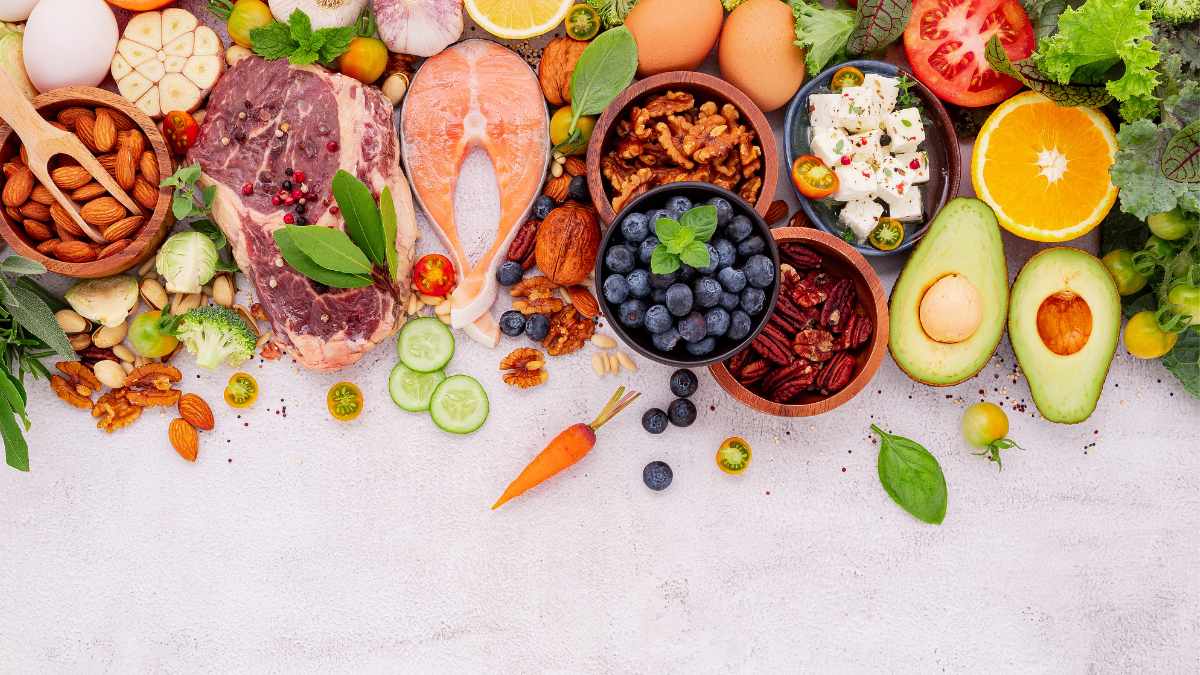
High-fat foods are the cornerstone of the ketogenic diet, providing the primary source of energy and helping to maintain ketosis. Here are some of the most suitable high-fat foods for a keto diet:
-
Avocados: Rich in healthy monounsaturated fats, avocados are also a good source of fiber and essential vitamins and minerals. They can be added to salads, smoothies, or eaten on their own.
-
Nuts and Seeds: Almonds, walnuts, chia seeds, and flaxseeds are excellent sources of healthy fats, protein, and fiber. They make for convenient snacks or can be incorporated into meals.
-
Oils: Olive oil, coconut oil, and avocado oil are versatile cooking fats that are high in healthy fats. They can be used for sautéing, dressing salads, or adding to smoothies.
-
Fatty Fish: Salmon, mackerel, sardines, and other fatty fish are rich in omega-3 fatty acids, which have anti-inflammatory properties and support heart health. These can be grilled, baked, or added to salads.
-
Full-Fat Dairy: Cheese, butter, and full-fat yogurt are all permissible on a keto diet. They provide a good balance of fats and proteins, and can be used in a variety of dishes.
-
Meat and Poultry: While these are more commonly recognized for their protein content, fatty cuts of meat and poultry with the skin on can also provide substantial amounts of fat. Options include beef, pork, lamb, and chicken thighs.
By incorporating these high-fat foods into your diet, you can ensure that you are meeting your fat intake requirements while enjoying a variety of delicious and satisfying meals.
Low-Carb Vegetables for Ketogenic Diets
Vegetables are an essential part of any diet, providing vital nutrients and fiber. On a ketogenic diet, it is important to choose low-carb vegetables to stay within the carbohydrate limits. Here are some of the best options:
-
Leafy Greens: Spinach, kale, and Swiss chard are low in carbs and high in vitamins A, C, and K. They can be used in salads, smoothies, or sautéed as a side dish.
-
Cruciferous Vegetables: Broccoli, cauliflower, and Brussels sprouts are excellent low-carb options. They are rich in fiber and antioxidants and can be roasted, steamed, or used in casseroles.
-
Zucchini: With its mild flavor and versatility, zucchini can be spiralized into noodles, grilled, or added to stir-fries. It is low in carbs and high in vitamin C.
-
Bell Peppers: While slightly higher in carbs than leafy greens, bell peppers are still a good option in moderation. They are packed with vitamins A and C and can be used in salads, stuffed, or sautéed.
-
Asparagus: This nutrient-dense vegetable is low in carbs and high in vitamins A, C, and K. It can be grilled, roasted, or added to omelets.
-
Mushrooms: While technically fungi, mushrooms are often grouped with vegetables. They are low in carbs and provide a good source of B vitamins and minerals. They can be sautéed, grilled, or added to soups and stews.
Incorporating a variety of these low-carb vegetables into your ketogenic meal plan ensures that you receive essential nutrients while maintaining ketosis.
Proteins Allowed in a Ketogenic Meal Plan
Protein is an important macronutrient on the ketogenic diet, but it must be consumed in moderation to avoid disrupting ketosis. Here are some protein sources that are suitable for a ketogenic meal plan:
-
Meat: Beef, pork, lamb, and other meats are rich in protein and can be included in a keto diet. Opt for fattier cuts to ensure adequate fat intake.
-
Poultry: Chicken, turkey, and duck are excellent sources of protein. Choosing cuts with the skin on can help increase fat intake.
-
Fish and Seafood: Fatty fish like salmon, mackerel, and sardines are ideal for a keto diet due to their high omega-3 content. Shellfish like shrimp, crab, and lobster are also good protein sources.
-
Eggs: Eggs are a versatile and nutrient-dense protein source. They can be boiled, scrambled, poached, or used in various recipes.
-
Dairy: Full-fat dairy products like cheese, Greek yogurt, and cottage cheese provide protein and fat. They can be eaten on their own or used in cooking.
-
Plant-Based Proteins: While most plant-based proteins are higher in carbs, some options like tofu and tempeh can be included in moderation. These are particularly useful for vegetarians following a keto diet.
By incorporating these protein sources into your diet, you can ensure that you are meeting your protein needs while maintaining ketosis.
Keto-Friendly Snacks and Beverages
Snacking can be a challenge on a ketogenic diet due to the restriction of carbohydrates. However, there are plenty of keto-friendly snacks and beverages that can keep you satisfied between meals. Here are some options:
-
Nuts and Seeds: Almonds, walnuts, and sunflower seeds are great for snacking. They are high in healthy fats and low in carbs.
-
Cheese: Cheese slices or cheese sticks are convenient and satisfying snacks that provide both protein and fat.
-
Avocado: Half an avocado with a sprinkle of salt and pepper makes for a quick and nutritious snack.
-
Olives: Olives are high in healthy fats and low in carbs, making them a perfect keto snack. They can be eaten on their own or added to salads.
-
Berries: While most fruits are high in carbs, small portions of berries like strawberries, raspberries, and blackberries can be enjoyed in moderation.
-
Keto Beverages: Staying hydrated is crucial on a keto diet. Water, herbal teas, and coffee are all keto-friendly options. Adding a splash of heavy cream to your coffee can increase your fat intake.
By choosing these keto-friendly snacks and beverages, you can stay on track with your diet while enjoying a variety of tasty and satisfying options.
Conclusion:
Adhering to a ketogenic diet requires careful planning and a good understanding of permissible foods. By focusing on high-fat, low-carb foods, and incorporating a variety of vegetables, proteins, and snacks, you can maintain ketosis and enjoy the benefits of this diet. Remember to stay hydrated and monitor your macronutrient intake to ensure success on your ketogenic journey.
Read More…
- Diet Doctor – Ketogenic Diet Foods: A comprehensive guide to foods suitable for a ketogenic diet, including detailed lists and nutritional information.
- Healthline – Ketogenic Diet 101: An in-depth article covering the basics of the ketogenic diet, its benefits, and a detailed food list.
- Ruled.me – Keto Food List: A detailed list of foods that are allowed on a ketogenic diet, including tips for meal planning and grocery shopping.
- Perfect Keto – The Ultimate Keto Diet Food List: A comprehensive food list that includes high-fat, low-carb options suitable for a ketogenic diet.
- Verywell Fit – Ketogenic Diet Foods: A detailed article that provides a list of foods allowed on a ketogenic diet, along with tips for maintaining ketosis.