

Se hai un abbonamento attivo ACCEDI QUI
Introduction: The ketogenic diet, often referred to as the keto diet, is a low-carbohydrate, high-fat dietary regimen that has gained significant popularity for its potential benefits in weight loss, metabolic health, and even neurological conditions. One common question among keto dieters is about the permissibility of fruits, given their natural sugar content. This article delves into the types of fruits that can be consumed on a ketogenic diet, their nutritional profiles, and how to incorporate them effectively into your meal plans.
Introduction to Ketogenic Diet and Fruits
The ketogenic diet is characterized by a drastic reduction in carbohydrate intake, typically to less than 50 grams per day, and an increase in fats to replace the lost calories. This dietary shift prompts the body to enter a state of ketosis, where it burns fat for fuel instead of glucose. While vegetables and proteins are often emphasized, fruits can also play a role in a well-rounded keto diet.
Fruits are generally known for their high carbohydrate content, primarily in the form of sugars like fructose. This makes many fruits unsuitable for a strict keto diet. However, not all fruits are created equal, and some have a lower glycemic index and carbohydrate content, making them more compatible with keto guidelines.
Understanding which fruits can be included in a ketogenic diet is crucial for maintaining ketosis while still enjoying the nutritional benefits that fruits offer. These benefits include essential vitamins, minerals, and antioxidants that support overall health.
The key to incorporating fruits into a keto diet lies in selecting those with the lowest net carb content. Net carbs are calculated by subtracting fiber from total carbohydrates, as fiber does not significantly impact blood sugar levels. This calculation helps in identifying fruits that can be consumed without disrupting ketosis.
It’s also important to consider portion sizes when consuming fruits on a keto diet. Even low-carb fruits can add up in carbohydrate content if eaten in large quantities. Moderation is essential to ensure that you stay within your daily carb limits.
In this article, we will explore the nutritional profiles of keto-friendly fruits, their benefits, and practical tips for incorporating them into your ketogenic meal plans.
Nutritional Profile of Ketogenic Fruits
When selecting fruits for a ketogenic diet, it’s essential to understand their nutritional profiles, particularly their carbohydrate and fiber content. Low-carb fruits typically have a higher fiber-to-carb ratio, which helps in minimizing their impact on blood sugar levels.
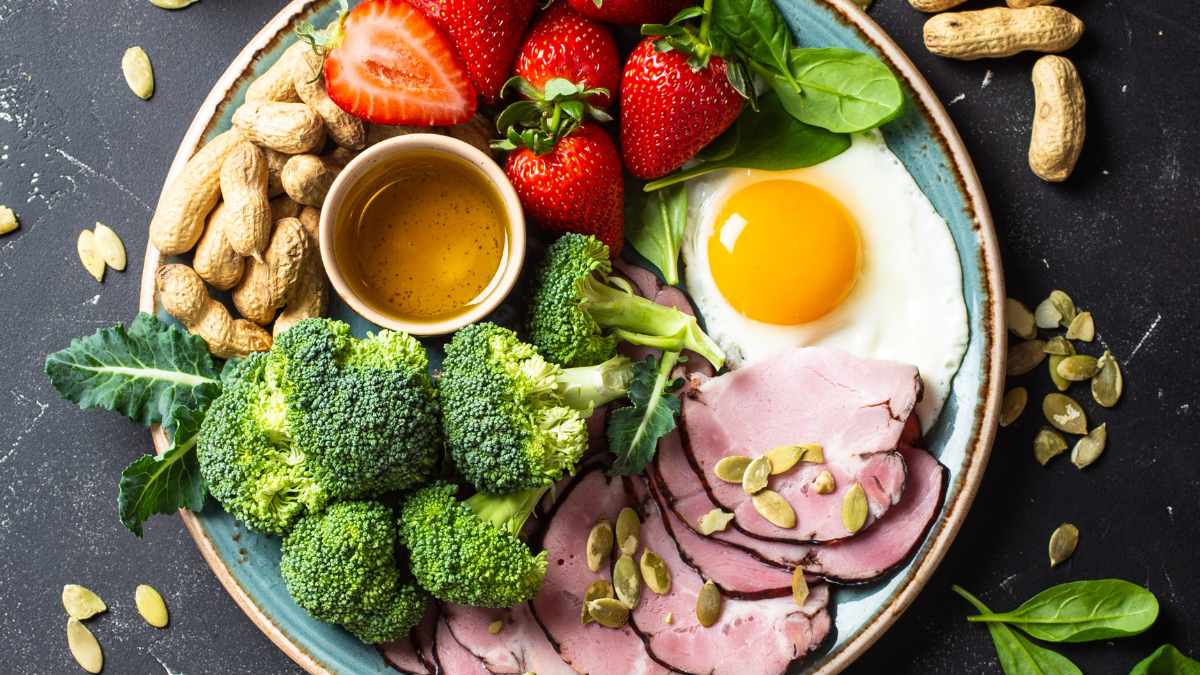
Berries, for example, are among the most keto-friendly fruits. Strawberries, raspberries, blackberries, and blueberries all have relatively low net carb counts. For instance, a half-cup serving of raspberries contains about 3 grams of net carbs, making them a suitable choice for keto dieters.
Avocados, technically a fruit, are another excellent option for a ketogenic diet. They are high in healthy fats and fiber while being very low in net carbs. A medium-sized avocado contains approximately 2 grams of net carbs, making it an ideal addition to keto meals.
Olives are another fruit that fits well within the ketogenic framework. They are rich in healthy fats and low in carbohydrates. A serving of 10 olives contains about 1 gram of net carbs, making them a convenient and tasty snack option.
Coconuts and their derivatives, such as coconut oil and coconut milk, are also keto-friendly. Fresh coconut meat has a moderate carbohydrate content, but its high fiber content reduces the net carbs. A half-cup serving of shredded coconut meat has around 2.5 grams of net carbs.
Tomatoes, often mistaken for vegetables, are fruits that can be included in a keto diet in moderation. A medium-sized tomato contains about 4 grams of net carbs. They are versatile and can be used in various dishes, from salads to sauces.
Finally, lemons and limes, while not typically consumed in large quantities, can be used to add flavor to keto dishes without significantly impacting carb intake. A whole lemon or lime contains about 4-5 grams of net carbs, but their juice can be used sparingly to enhance the taste of meals.
Benefits of Including Fruits in Keto Diet
Incorporating fruits into a ketogenic diet offers several benefits, despite the diet’s general emphasis on low carbohydrate intake. The key is to choose fruits that align with keto principles and consume them in moderation.
One of the primary benefits of including fruits in a keto diet is the addition of essential vitamins and minerals. Fruits such as berries and avocados are rich in vitamins C, K, and E, as well as potassium and magnesium. These nutrients are crucial for maintaining overall health and supporting bodily functions.
Fruits also provide antioxidants, which help combat oxidative stress and inflammation in the body. Berries, in particular, are known for their high antioxidant content, including flavonoids and anthocyanins, which have been linked to various health benefits, including improved heart health and reduced risk of chronic diseases.
Fiber is another significant benefit of consuming fruits on a keto diet. While the diet is low in carbohydrates, it can sometimes be low in fiber, leading to digestive issues. Low-carb fruits like berries and avocados are excellent sources of dietary fiber, which aids in digestion and helps maintain a healthy gut.
Including fruits in a keto diet can also enhance meal variety and satisfaction. The natural sweetness of fruits can satisfy sweet cravings without resorting to high-carb, sugary foods. This can make the diet more enjoyable and sustainable in the long term.
Fruits can also contribute to hydration, especially those with high water content like berries and tomatoes. Proper hydration is essential for overall health and can support the metabolic processes involved in ketosis.
Lastly, the inclusion of fruits can provide a psychological benefit. Restrictive diets can sometimes lead to feelings of deprivation. Allowing for the consumption of certain fruits can help mitigate these feelings, making it easier to adhere to the diet over time.
Top Low-Carb Fruits for Ketogenic Diets
When it comes to low-carb fruits suitable for a ketogenic diet, several options stand out due to their low net carb content and high nutritional value. Here are some of the top choices:
1. Avocados
Avocados are a staple in many keto diets due to their high healthy fat content and low net carbs. A medium avocado contains about 2 grams of net carbs and is rich in potassium, which is beneficial for maintaining electrolyte balance.
2. Berries
Berries such as strawberries, raspberries, blackberries, and blueberries are excellent choices. They are low in net carbs and high in antioxidants. For example, a half-cup serving of raspberries contains about 3 grams of net carbs.
3. Olives
Olives are another fruit that fits well within the keto framework. They are low in net carbs, with a serving of 10 olives containing about 1 gram of net carbs. They are also rich in healthy fats and antioxidants.
4. Coconuts
Coconuts and their derivatives, such as coconut oil and coconut milk, are keto-friendly. Fresh coconut meat has a moderate carbohydrate content but a high fiber content, resulting in low net carbs. A half-cup serving of shredded coconut meat has around 2.5 grams of net carbs.
5. Tomatoes
Tomatoes, while often considered vegetables, are fruits that can be included in a keto diet in moderation. A medium-sized tomato contains about 4 grams of net carbs. They are versatile and can be used in various dishes.
6. Lemons and Limes
Lemons and limes can be used to add flavor to keto dishes without significantly impacting carb intake. A whole lemon or lime contains about 4-5 grams of net carbs, but their juice can be used sparingly to enhance the taste of meals.
How to Incorporate Fruits into Keto Meals
Incorporating fruits into keto meals requires careful planning and portion control to ensure that you stay within your daily carb limits. Here are some practical tips for adding fruits to your ketogenic diet:
1. Use Fruits as Toppings
One of the simplest ways to include fruits in your keto meals is by using them as toppings. Add a few berries to your morning yogurt or sprinkle some shredded coconut on your keto-friendly smoothie bowl.
2. Make Fruit-Based Sauces
Fruits like tomatoes can be used to make low-carb sauces for your dishes. A homemade tomato sauce can be a great addition to zucchini noodles or cauliflower crust pizza, adding flavor without too many carbs.
3. Create Keto-Friendly Desserts
You can use low-carb fruits to create keto-friendly desserts. For instance, a berry chia pudding made with almond milk and a handful of berries can satisfy your sweet tooth while keeping you in ketosis.
4. Add to Salads
Incorporate fruits like avocados and olives into your salads for added texture and flavor. A mixed green salad with avocado, olives, and a lemon vinaigrette can be both delicious and keto-compliant.
5. Use as Snacks
Fruits like olives and small servings of berries can be used as snacks throughout the day. They are convenient, tasty, and can help you stay on track with your keto diet.
6. Blend into Smoothies
Low-carb fruits can be blended into smoothies along with other keto-friendly ingredients like spinach, almond milk, and protein powder. This can be a quick and nutritious meal option.
Common Mistakes with Fruits on Keto Diet
While fruits can be part of a ketogenic diet, there are common mistakes that dieters should avoid to maintain ketosis and achieve their health goals.
1. Overconsumption
One of the most common mistakes is overconsuming fruits. Even low-carb fruits can add up in carbohydrate content if eaten in large quantities. It’s essential to monitor portion sizes and stick to recommended serving sizes.
2. Ignoring Net Carbs
Failing to account for net carbs can lead to unintentional overconsumption of carbohydrates. Always subtract the fiber content from the total carbohydrates to determine the net carbs, which are the carbs that impact blood sugar levels.
3. Choosing High-Carb Fruits
Not all fruits are suitable for a keto diet. High-carb fruits like bananas, apples, and grapes should be avoided as they can quickly exceed your daily carb limit and kick you out of ketosis.
4. Relying on Fruit Juices
Fruit juices, even those made from low-carb fruits, are generally not recommended on a keto diet. They are often high in sugar and lack the fiber that helps mitigate the impact on blood sugar levels.
5. Ignoring Hidden Sugars
Some packaged foods and snacks may contain hidden sugars from fruits. Always read labels carefully to ensure that there are no added sugars that could disrupt your ketosis.
6. Not Balancing Macronutrients
It’s crucial to balance your macronutrients when incorporating fruits into your keto diet. Ensure that your overall intake of fats, proteins, and carbs aligns with the ketogenic principles to maintain ketosis.
Conclusion: Incorporating fruits into a ketogenic diet is entirely possible with careful selection and portion control. By choosing low-carb fruits such as avocados, berries, olives, coconuts, tomatoes, and citrus fruits, you can enjoy the nutritional benefits of fruits without compromising your state of ketosis. Remember to monitor your net carb intake and balance your macronutrients to make the most of your keto journey.
Read More…
- Healthline: Ketogenic Diet 101 – A comprehensive guide to understanding the ketogenic diet, its benefits, and how to get started.
- Diet Doctor: Keto Fruits – The Best and the Worst – An in-depth look at which fruits are best suited for a ketogenic diet and which ones to avoid.
- Ruled.me: The Best Low-Carb Fruits – A detailed list of low-carb fruits that can be included in a ketogenic diet, along with their nutritional profiles.
- Perfect Keto: Can You Eat Fruit on Keto? – An article exploring the role of fruits in a ketogenic diet and how to include them without disrupting ketosis.
- Verywell Fit: Low-Carb Fruits for Low-Carb Diets – A resource detailing various low-carb fruits and their benefits for those following a low-carb or ketogenic diet.