
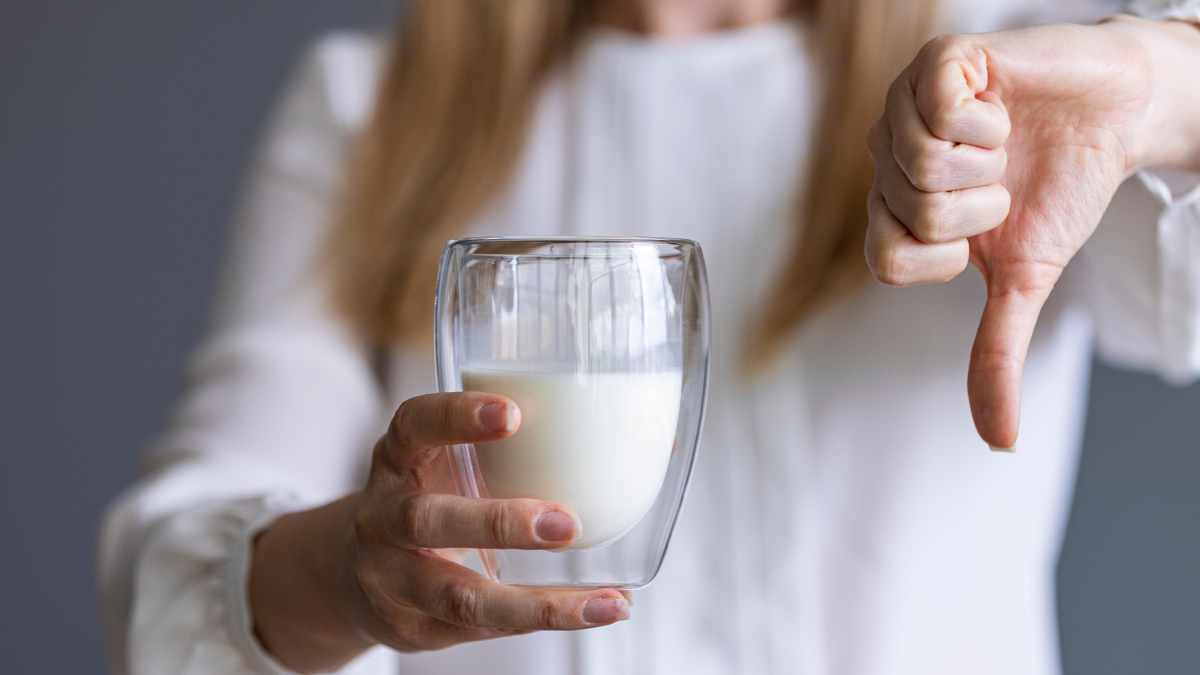


Introduction: Dairy products are a staple in many diets around the world, but for some, eliminating dairy can lead to a range of withdrawal symptoms. Whether due to lactose intolerance, a dairy allergy, or a personal choice to follow a vegan lifestyle, understanding the symptoms of dairy withdrawal is crucial. This article delves into the various physical and psychological effects of quitting dairy, the timeline of these symptoms, and how to manage cravings effectively.
Understanding Dairy Withdrawal Symptoms
Dairy withdrawal symptoms can vary greatly from person to person, depending on factors such as the individual’s level of dairy consumption and their body’s dependency on dairy products. When you remove dairy from your diet, your body may react as it adjusts to the absence of certain nutrients and compounds found in dairy.
One of the primary reasons people experience withdrawal symptoms is due to the sudden change in their diet. Dairy products are rich in calcium, vitamin D, and other essential nutrients. When these are suddenly removed, the body needs time to adapt and find alternative sources of these nutrients.
Additionally, dairy contains a protein called casein, which can have an opioid-like effect on the brain. This can lead to cravings and withdrawal symptoms similar to those experienced when quitting addictive substances. Understanding this can help in managing and anticipating these symptoms.
It’s also important to note that some individuals may experience gastrointestinal discomfort when they stop consuming dairy. This is because dairy products can influence gut flora, and removing them can disrupt the balance of bacteria in the digestive system.
Moreover, dairy products can have inflammatory effects on some people. When dairy is removed from the diet, the body may go through a period of detoxification, leading to temporary symptoms such as headaches or fatigue.
Finally, psychological factors can play a significant role in dairy withdrawal. The emotional attachment to comfort foods and the habitual nature of consuming dairy can make the process challenging.
Common Physical Signs of Dairy Withdrawal
Physical symptoms of dairy withdrawal can manifest in various ways, often depending on the individual’s previous level of dairy consumption and their overall health. One of the most common symptoms is gastrointestinal discomfort, including bloating, gas, and changes in bowel movements. This occurs as the body adjusts to the absence of lactose and other dairy components.
Another frequent symptom is headaches. These can be caused by the body’s adjustment to a new diet and the detoxification process. Some individuals may also experience muscle aches and joint pain, which can be attributed to the body’s inflammatory response as it adapts to the absence of dairy.
Skin changes are also common during dairy withdrawal. Some people may notice an improvement in conditions such as acne or eczema, while others might experience temporary flare-ups as the body detoxifies. This is due to the removal of potential allergens and inflammatory agents found in dairy products.
Fatigue and low energy levels are other physical symptoms that can occur. The body may take some time to adjust to the new diet and find alternative sources of energy and nutrients. Ensuring a balanced diet with adequate protein, vitamins, and minerals is crucial during this period.
Weight fluctuations can also be a sign of dairy withdrawal. Some individuals may lose weight due to reduced calorie intake, while others might gain weight if they replace dairy with higher-calorie alternatives. Monitoring your diet and maintaining a balanced intake of nutrients can help manage these changes.
Lastly, some people may experience flu-like symptoms, such as a runny nose, sore throat, or mild fever. These symptoms are often part of the body’s detoxification process and should subside as the body adjusts to the new diet.
Psychological Effects of Quitting Dairy
Quitting dairy can also have significant psychological effects, which can be just as challenging as the physical symptoms. One of the most common psychological symptoms is cravings. Dairy products, particularly cheese, contain casein, which can have an addictive quality. When you stop consuming dairy, you may experience intense cravings for these products.
Mood swings are another psychological effect that can occur during dairy withdrawal. The sudden change in diet and the body’s adjustment process can lead to fluctuations in mood, including feelings of irritability, anxiety, or depression. It’s important to be aware of these potential changes and seek support if needed.
Emotional attachment to dairy products can also play a significant role. Many people have strong associations with dairy foods, such as comfort foods or traditional dishes. Removing these from your diet can lead to feelings of loss or sadness, making the withdrawal process more challenging.
Stress and anxiety can also increase during dairy withdrawal, particularly if dairy has been a significant part of your diet. The process of finding suitable alternatives and ensuring a balanced diet can be stressful, adding to the psychological burden.
Sleep disturbances are another potential psychological effect. Changes in diet can influence sleep patterns, leading to difficulties falling asleep or staying asleep. Ensuring a balanced diet and practicing good sleep hygiene can help mitigate these effects.
Lastly, social and cultural factors can impact the psychological experience of quitting dairy. Dairy products are often a central part of social gatherings and cultural traditions. Navigating these situations without dairy can be challenging and may lead to feelings of isolation or exclusion.
Timeline of Dairy Withdrawal Symptoms
The timeline of dairy withdrawal symptoms can vary widely among individuals, but there are some general patterns that many people experience. In the first few days after quitting dairy, you may begin to notice initial symptoms such as headaches, fatigue, and gastrointestinal discomfort. These early symptoms are often the body’s immediate response to the sudden change in diet.
During the first week, cravings for dairy products may become more intense. This is due to the body’s adjustment to the absence of casein and other compounds found in dairy. Psychological symptoms such as mood swings and irritability may also become more pronounced during this period.
By the second week, some of the initial physical symptoms, such as headaches and gastrointestinal discomfort, may begin to subside. However, cravings and psychological symptoms may persist. It’s important to stay committed to your decision and find healthy alternatives to satisfy your nutritional needs.
In the third and fourth weeks, many people start to notice improvements in their overall health. Skin conditions such as acne or eczema may begin to clear up, and energy levels may start to stabilize. Cravings for dairy products may also decrease as the body adjusts to the new diet.
After the first month, most of the withdrawal symptoms should have significantly diminished. By this time, the body has likely adapted to the absence of dairy, and many people report feeling better overall. Long-term benefits, such as improved digestion and reduced inflammation, may also become more noticeable.
It’s important to remember that everyone’s experience with dairy withdrawal is unique. Some people may go through this process more quickly, while others may take longer to adjust. Staying patient and committed to your decision is key to successfully navigating dairy withdrawal.
Managing Cravings During Dairy Withdrawal
Managing cravings during dairy withdrawal can be one of the most challenging aspects of the process. One effective strategy is to find suitable dairy alternatives that can satisfy your cravings without compromising your dietary goals. There are many plant-based milk, cheese, and yogurt options available that can provide similar textures and flavors.
Incorporating a variety of nutrient-dense foods into your diet can also help manage cravings. Ensuring that you are getting enough protein, healthy fats, and complex carbohydrates can help stabilize blood sugar levels and reduce cravings for dairy products.
Staying hydrated is another important factor in managing cravings. Sometimes, thirst can be mistaken for hunger or cravings. Drinking plenty of water throughout the day can help keep cravings at bay and support overall health.
Mindful eating practices can also be beneficial. Paying attention to your body’s hunger and fullness cues, and eating slowly and mindfully, can help you better manage cravings and avoid overeating. This can also help you develop a healthier relationship with food.
Engaging in regular physical activity can also help manage cravings. Exercise can boost your mood, reduce stress, and help regulate appetite. Finding an activity that you enjoy and can do consistently can be a valuable tool in managing cravings during dairy withdrawal.
Finally, seeking support from friends, family, or a healthcare professional can make a significant difference. Having a support system can provide encouragement, accountability, and practical advice to help you stay on track and manage cravings effectively.
Long-term Benefits of Eliminating Dairy
Eliminating dairy from your diet can lead to a range of long-term health benefits. One of the most significant benefits is improved digestion. Many people who eliminate dairy report reduced bloating, gas, and other gastrointestinal issues, as their bodies no longer have to process lactose.
Another long-term benefit is improved skin health. Dairy has been linked to various skin conditions, including acne and eczema. Removing dairy from your diet can lead to clearer skin and a reduction in skin inflammation.
Reducing inflammation in the body is another key benefit of eliminating dairy. Dairy products can contribute to inflammation, which is linked to various chronic conditions such as arthritis and heart disease. By removing dairy, you may reduce your risk of these conditions and improve overall health.
Weight management is another potential benefit. Many dairy products are high in calories and saturated fats. Eliminating dairy can help reduce calorie intake and support weight loss or maintenance goals. Additionally, plant-based alternatives often contain healthier fats and fewer calories.
Improved energy levels and overall well-being are also reported by many people who eliminate dairy. Without the potential allergens and inflammatory agents found in dairy, the body can function more efficiently, leading to increased energy and a greater sense of well-being.
Lastly, eliminating dairy can have positive environmental and ethical impacts. Dairy production has significant environmental consequences, including greenhouse gas emissions and water usage. Choosing plant-based alternatives can reduce your environmental footprint and support more sustainable food systems.
Conclusion: Quitting dairy can be a challenging process, but understanding the symptoms and how to manage them can make the transition smoother. By recognizing the physical and psychological effects, knowing the timeline of symptoms, and finding effective strategies to manage cravings, you can successfully navigate dairy withdrawal. The long-term benefits, including improved digestion, clearer skin, reduced inflammation, and better overall health, make the effort worthwhile.
Read More…
-
Healthline: Dairy-Free Diet Benefits and Risks
- This article provides an overview of the benefits and potential risks of a dairy-free diet, including tips for making the transition.
-
Medical News Today: What Happens When You Stop Eating Dairy?
- This source discusses the physiological changes that occur when you eliminate dairy from your diet and what to expect during the process.
-
Harvard T.H. Chan School of Public Health: Calcium and Milk
- This resource explores the nutritional aspects of dairy products, alternative sources of calcium, and the impact of dairy on health.
-
Verywell Health: The Benefits of Going Dairy-Free
- This article outlines the potential health benefits of a dairy-free diet and provides practical advice for those considering the change.
-
WebMD: What to Know About Dairy-Free Diets
- WebMD offers a comprehensive guide to dairy-free diets, including potential health benefits, challenges, and tips for success.


