

Introduction:
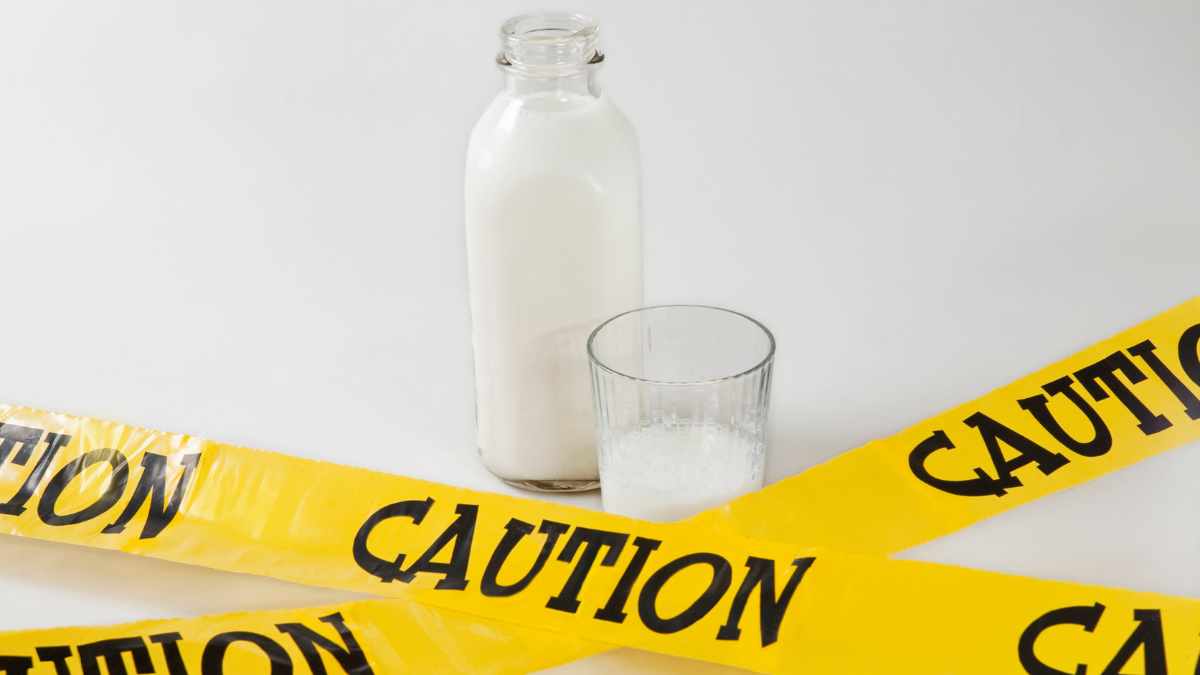
Lactose intolerance is a common digestive disorder affecting millions of people worldwide. It occurs when the body lacks sufficient levels of lactase, the enzyme required to break down lactose, a sugar found in milk and dairy products. For those who are lactose intolerant, consuming lactose can lead to symptoms such as bloating, diarrhea, and abdominal pain. This raises an important question: Is bread safe for lactose intolerant individuals? This article delves into the relationship between bread and lactose intolerance, examining common ingredients, lactose content in different types of bread, and safe options for those who need to avoid lactose. Additionally, we provide expert tips for identifying lactose-free bread products and baking your own lactose-free bread at home.
Understanding Lactose Intolerance and Bread
Lactose intolerance is a condition where the body cannot effectively digest lactose, a sugar found in milk and dairy products. This is due to a deficiency in lactase, the enzyme responsible for breaking down lactose into glucose and galactose. When lactose remains undigested, it ferments in the colon, causing symptoms like gas, bloating, and diarrhea.
Bread, a staple food in many diets, is typically made from flour, water, yeast, and salt. However, various types of bread incorporate additional ingredients, some of which may contain lactose. Understanding the relationship between lactose intolerance and bread is crucial for those who need to manage their condition.
While traditional bread recipes generally do not include dairy products, modern variations and commercially produced breads often do. Ingredients such as milk, butter, and whey are sometimes added to enhance flavor, texture, and shelf life. This can pose a risk for lactose intolerant individuals.
Moreover, cross-contamination during the manufacturing process can introduce lactose into otherwise lactose-free bread. For example, bread baked in facilities that also process dairy products may contain trace amounts of lactose, which can trigger symptoms in sensitive individuals.
It is important for lactose intolerant individuals to be aware of the ingredients used in bread and to understand how to identify safe options. This knowledge can help them make informed choices and avoid potential discomfort.
In the following sections, we will explore common ingredients in bread, the lactose content in different types of bread, and safe bread options for lactose intolerant individuals. We will also provide tips for identifying lactose-free bread products and baking your own lactose-free bread at home.
Common Ingredients in Bread and Their Risks
Traditional bread recipes typically include flour, water, yeast, and salt. However, many modern bread varieties incorporate additional ingredients to improve taste, texture, and shelf life. Some of these ingredients may pose a risk for lactose intolerant individuals.
Milk is a common ingredient in many bread recipes, especially in enriched or sweet breads. Milk contains lactose, which can cause symptoms in lactose intolerant individuals. Even small amounts of milk can trigger discomfort in sensitive individuals.
Butter is another ingredient that may be used in bread recipes. While butter contains less lactose than milk, it still contains enough to cause symptoms in those who are highly sensitive to lactose. Additionally, some commercial breads may use butter as a flavoring agent.
Whey, a byproduct of cheese production, is often used in bread to improve texture and moisture. Whey contains lactose and can be problematic for lactose intolerant individuals. It is commonly found in commercially produced breads and should be avoided by those who need to avoid lactose.
Non-fat dry milk is another ingredient that may be added to bread to enhance its nutritional profile. This ingredient is high in lactose and can cause symptoms in lactose intolerant individuals. It is important to check ingredient labels for the presence of non-fat dry milk.
Other ingredients that may contain lactose include certain dough conditioners and flavorings. These ingredients are often used in commercial bread production and can be difficult to identify without careful label reading. It is important to be vigilant and check for any hidden sources of lactose.
By understanding the common ingredients in bread and their potential risks, lactose intolerant individuals can make more informed choices and avoid discomfort. In the next section, we will explore the lactose content in different types of bread.
Lactose Content in Different Types of Bread
The lactose content in bread can vary significantly depending on the type of bread and the ingredients used. Understanding the lactose content in different types of bread can help lactose intolerant individuals make safer choices.
White bread is one of the most commonly consumed types of bread. Traditional white bread recipes typically do not include dairy products, so they are generally safe for lactose intolerant individuals. However, some commercially produced white breads may contain milk, butter, or whey, so it is important to check the ingredient label.
Whole wheat bread is another popular choice. Like white bread, traditional whole wheat bread recipes do not usually include dairy products. However, some commercially produced whole wheat breads may contain lactose-containing ingredients, so it is important to read the label carefully.
Sourdough bread is made using a fermentation process that breaks down some of the sugars in the dough. Traditional sourdough recipes do not include dairy products, making them a safe option for lactose intolerant individuals. However, some commercially produced sourdough breads may contain added milk or butter, so it is important to check the label.
Rye bread is made using rye flour and is often denser than other types of bread. Traditional rye bread recipes do not include dairy products, making them a safe option for lactose intolerant individuals. However, as with other types of bread, it is important to check the ingredient label for any added lactose-containing ingredients.
Specialty breads, such as brioche or challah, often contain higher amounts of dairy products. These breads are typically made with milk, butter, and sometimes even cream, making them unsuitable for lactose intolerant individuals. It is best to avoid these types of bread or seek out lactose-free versions.
By understanding the lactose content in different types of bread, lactose intolerant individuals can make safer choices and avoid discomfort. In the next section, we will explore safe bread options for lactose intolerant people.
Safe Bread Options for Lactose Intolerant People
For lactose intolerant individuals, finding safe bread options is essential to avoid discomfort and maintain a balanced diet. Fortunately, there are several types of bread that are generally safe for those who need to avoid lactose.
Traditional white bread and whole wheat bread, when made without dairy products, are usually safe options. It is important to check the ingredient label to ensure that no milk, butter, or whey has been added. Many artisanal and homemade breads fall into this category and can be a good choice.
Sourdough bread is another safe option for lactose intolerant individuals. The fermentation process used to make sourdough bread breaks down some of the sugars in the dough, making it easier to digest. Traditional sourdough recipes do not include dairy products, but it is still important to check the ingredient label for any added lactose-containing ingredients.
Gluten-free bread is often made without dairy products, making it a safe option for lactose intolerant individuals. Many gluten-free bread recipes use alternative flours, such as rice flour or almond flour, and do not include milk or butter. However, it is still important to check the ingredient label to ensure that no lactose-containing ingredients have been added.
Specialty lactose-free breads are also available in many grocery stores and health food stores. These breads are specifically formulated to be free of lactose and are clearly labeled as such. They can be a convenient and safe option for lactose intolerant individuals.
Homemade bread is another excellent option for those who need to avoid lactose. By making bread at home, you have complete control over the ingredients and can ensure that no lactose-containing ingredients are used. There are many lactose-free bread recipes available online that are easy to follow and delicious.
By exploring these safe bread options, lactose intolerant individuals can enjoy bread without the risk of discomfort. In the next section, we will provide tips for identifying lactose-free bread products.
How to Identify Lactose-Free Bread Products
Identifying lactose-free bread products can be challenging, but with a few tips and tricks, it becomes much easier. Here are some strategies to help you find lactose-free bread products:
First, always read the ingredient label carefully. Look for any dairy products, such as milk, butter, whey, or non-fat dry milk. If any of these ingredients are listed, the bread is not lactose-free and should be avoided.
Second, look for bread products that are specifically labeled as lactose-free. Many grocery stores and health food stores carry specialty lactose-free breads that are clearly labeled. These products are formulated to be free of lactose and are a safe option for lactose intolerant individuals.
Third, be aware of hidden sources of lactose. Some ingredients, such as dough conditioners and flavorings, may contain lactose. These ingredients can be difficult to identify, so it is important to be vigilant and check for any hidden sources of lactose.
Fourth, consider contacting the manufacturer if you are unsure about the lactose content of a bread product. Many manufacturers have customer service lines or websites where you can ask questions about their products. They can provide information about the ingredients and whether the product is safe for lactose intolerant individuals.
Fifth, look for bread products that are certified by reputable organizations. Some organizations, such as the Celiac Disease Foundation, offer certifications for gluten-free and lactose-free products. These certifications can provide additional assurance that the product is safe for lactose intolerant individuals.
By following these tips, you can identify lactose-free bread products and avoid discomfort. In the next section, we will provide expert tips for baking lactose-free bread at home.
Expert Tips for Baking Lactose-Free Bread at Home
Baking lactose-free bread at home can be a rewarding and delicious way to ensure that your bread is safe for lactose intolerant individuals. Here are some expert tips for baking lactose-free bread at home:
First, choose a recipe that does not include any dairy products. There are many lactose-free bread recipes available online that are easy to follow and delicious. Look for recipes that use alternative ingredients, such as plant-based milk or oil, instead of dairy products.
Second, use high-quality ingredients. Fresh, high-quality ingredients can make a big difference in the taste and texture of your bread. Look for high-quality flour, yeast, and other ingredients to ensure the best results.
Third, be mindful of cross-contamination. If you are baking in a kitchen that also processes dairy products, be sure to thoroughly clean all surfaces and utensils to avoid cross-contamination. This is especially important if you are highly sensitive to lactose.
Fourth, experiment with different types of flour. Many lactose-free bread recipes use alternative flours, such as rice flour, almond flour, or coconut flour. These flours can add unique flavors and textures to your bread and can be a fun way to experiment with new recipes.
Fifth, consider using a bread machine. Bread machines can make the process of baking bread much easier and more convenient. Many bread machines have settings for lactose-free bread, making it easy to bake delicious, lactose-free bread at home.
By following these expert tips, you can bake delicious lactose-free bread at home and enjoy the satisfaction of making your own safe and healthy bread. In the conclusion, we will summarize the key points and provide some final thoughts.
Conclusion:
For lactose intolerant individuals, navigating the world of bread can be daunting, but it is entirely manageable with the right knowledge and strategies. Understanding the common ingredients in bread, the lactose content in different types of bread, and how to identify safe options can help you make informed choices and avoid discomfort. Additionally, baking your own lactose-free bread at home can be a rewarding and delicious way to ensure that your bread is safe. By following the tips and strategies outlined in this article, you can enjoy bread without the worry of lactose intolerance symptoms.
Read More…
- National Institute of Diabetes and Digestive and Kidney Diseases (NIDDK) – Comprehensive information on lactose intolerance, including symptoms, diagnosis, and management.
- Mayo Clinic – Detailed overview of lactose intolerance, its causes, and dietary management tips.
- Celiac Disease Foundation – Information on gluten-free and lactose-free certifications and safe food options.
- The Spruce Eats – A collection of lactose-free bread recipes for home baking.
- Healthline – An in-depth guide to lactose intolerance, including dietary recommendations and alternative food options.