
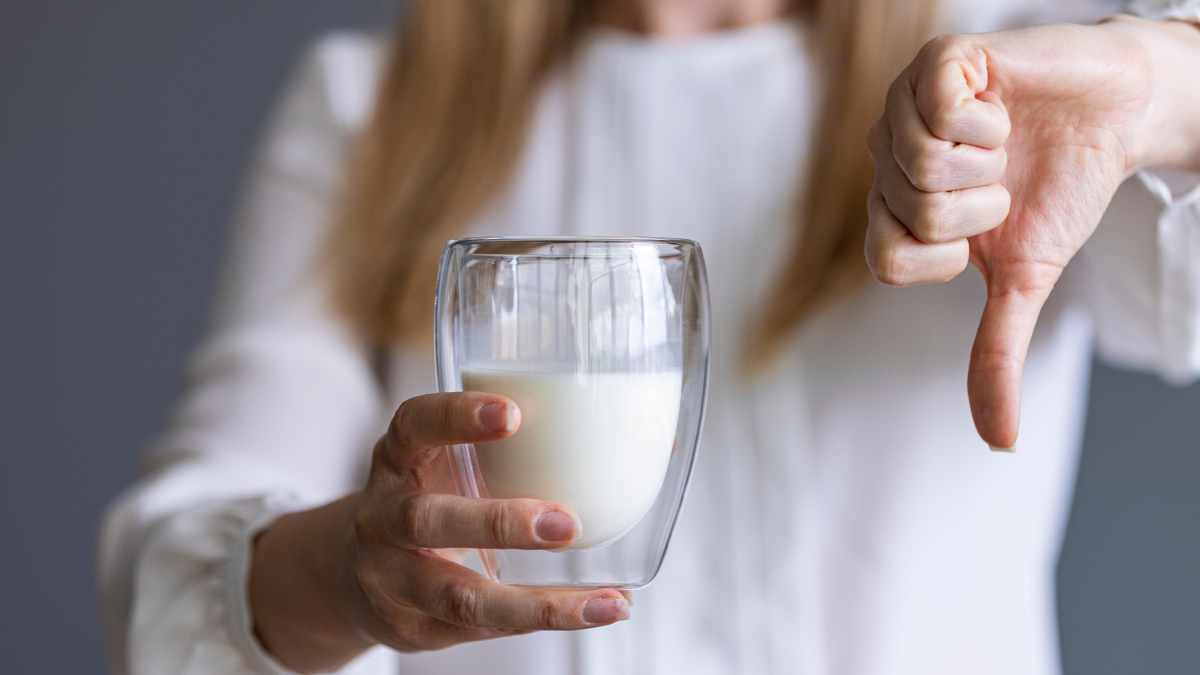

Introduction:
In today’s health-conscious world, many individuals are seeking ways to improve their well-being through dietary changes. One such approach gaining traction is the dairy detox. This method involves eliminating dairy products from one’s diet to cleanse the body and potentially alleviate various health issues. In this article, we will delve into the principles of rapid dairy detox, explore its key benefits, and outline effective methods for flushing dairy from your system. We will also provide a step-by-step guide for undertaking a dairy detox, discuss how to monitor your progress, and highlight potential risks and considerations to keep in mind.
Understanding Rapid Dairy Detox Principles
The concept of a rapid dairy detox is founded on the idea that dairy products can contribute to various health problems, including digestive issues, skin conditions, and even respiratory problems. By eliminating dairy from the diet, individuals aim to cleanse their system and observe any improvements in their health. This detox process typically involves a strict avoidance of all dairy products, including milk, cheese, yogurt, and butter.
One of the core principles of a dairy detox is to allow the body to reset and heal from potential inflammation caused by dairy consumption. Dairy products contain proteins such as casein and whey, which can be difficult for some people to digest. This can lead to inflammation in the gut and other parts of the body. By removing these proteins from the diet, the body has a chance to reduce inflammation and heal.
Another principle of dairy detox is to identify and address any underlying lactose intolerance or dairy sensitivity. Many people are unaware that they have a sensitivity to dairy, as symptoms can be subtle or attributed to other causes. A dairy detox can help individuals pinpoint whether dairy is contributing to their health issues.
Dairy detox also emphasizes the importance of replacing dairy products with nutritious alternatives. This ensures that individuals still receive essential nutrients such as calcium and vitamin D, which are commonly found in dairy products. Plant-based milk alternatives, leafy greens, and fortified foods can help meet these nutritional needs.
Finally, a rapid dairy detox often includes a focus on hydration and supporting the body’s natural detoxification processes. Drinking plenty of water, consuming fiber-rich foods, and incorporating detoxifying herbs and supplements can aid in flushing out any residual dairy components from the system.
Key Benefits of Dairy Detoxification
One of the primary benefits of a dairy detox is improved digestive health. Many individuals experience bloating, gas, and other digestive discomforts due to dairy consumption. Eliminating dairy can lead to a reduction in these symptoms and promote a healthier gut.
Another significant benefit is clearer skin. Dairy has been linked to acne and other skin conditions in some individuals. By removing dairy from the diet, many people report a noticeable improvement in their skin’s appearance and a reduction in breakouts.
A dairy detox can also enhance respiratory health. Some individuals find that dairy consumption exacerbates conditions such as asthma and sinus congestion. Eliminating dairy can lead to better breathing and fewer respiratory issues.
Weight management is another potential benefit of a dairy detox. Dairy products can be high in calories and saturated fats, which can contribute to weight gain. By cutting out dairy, individuals may find it easier to manage their weight and achieve their fitness goals.
Improved energy levels are often reported by those who undertake a dairy detox. Dairy can cause sluggishness and fatigue in some individuals. Removing it from the diet can lead to increased energy and a greater sense of vitality.
Lastly, a dairy detox can contribute to better overall health and well-being. By eliminating a potential source of inflammation and discomfort, individuals may experience a greater sense of balance and wellness in their daily lives.
Effective Methods for Dairy Flushing
One effective method for flushing dairy from your system is to increase your water intake. Staying well-hydrated helps to support the body’s natural detoxification processes and can aid in the elimination of dairy residues.
Incorporating fiber-rich foods into your diet is another effective strategy. Foods such as fruits, vegetables, whole grains, and legumes can help to promote regular bowel movements and support the removal of dairy components from the digestive system.
Detoxifying herbs and supplements can also be beneficial. Herbs such as dandelion root, milk thistle, and burdock root are known for their detoxifying properties and can support liver function, which is crucial for effective detoxification.
Engaging in regular physical activity is another important method for dairy flushing. Exercise promotes circulation and sweating, both of which can help to eliminate toxins from the body. Aim for at least 30 minutes of moderate exercise most days of the week.
Probiotics can play a key role in a dairy detox. These beneficial bacteria help to maintain a healthy gut microbiome, which is essential for effective digestion and detoxification. Probiotic supplements or fermented foods such as sauerkraut, kimchi, and kombucha can be included in your diet.
Lastly, consider incorporating fasting or intermittent fasting into your detox plan. Fasting can give your digestive system a break and allow your body to focus on detoxification. However, it’s important to approach fasting with caution and consult with a healthcare professional before starting.
Step-by-Step Dairy Detox Process
The first step in a dairy detox is to prepare your body and mind for the process. This involves educating yourself about the principles and benefits of dairy detox, setting clear goals, and planning your meals and snacks to ensure you have nutritious alternatives to dairy products.
Next, begin by gradually reducing your dairy intake. This can help to minimize withdrawal symptoms and make the transition smoother. Start by eliminating obvious sources of dairy such as milk, cheese, and yogurt, and then move on to hidden sources such as baked goods and processed foods.
Once you have completely eliminated dairy from your diet, focus on supporting your body’s detoxification processes. Drink plenty of water, eat fiber-rich foods, and incorporate detoxifying herbs and supplements as mentioned earlier.
Monitor your progress and listen to your body. Pay attention to any changes in your digestion, skin, energy levels, and overall well-being. Keep a journal to track your symptoms and any improvements you notice.
After a period of complete dairy elimination, you may choose to reintroduce dairy products gradually to see how your body responds. This can help you to identify any specific sensitivities or intolerances. Start with small amounts and pay close attention to any symptoms that arise.
Finally, reflect on your experience and decide on a long-term plan. You may choose to continue avoiding dairy altogether or to consume it in moderation based on your body’s response. The key is to find a balance that supports your health and well-being.
Monitoring Results of Dairy Detox
Monitoring the results of your dairy detox is crucial to understanding its impact on your health. One effective way to do this is by keeping a detailed journal. Record your daily food intake, any symptoms you experience, and any changes in your overall well-being. This can help you to identify patterns and track your progress over time.
Pay close attention to your digestive health. Note any changes in symptoms such as bloating, gas, and bowel movements. Improved digestion is often one of the first signs that the dairy detox is working.
Monitor your skin for any changes. Many individuals report clearer skin and a reduction in acne and other skin conditions after eliminating dairy. Take note of any improvements in your skin’s appearance and texture.
Keep an eye on your respiratory health. If you suffer from conditions such as asthma or sinus congestion, observe any changes in your symptoms. Improved breathing and fewer respiratory issues can be a sign that the dairy detox is benefiting you.
Track your energy levels and overall sense of well-being. Many people find that they have more energy and feel better overall after eliminating dairy from their diet. Note any changes in your energy levels, mood, and vitality.
Finally, consider seeking the guidance of a healthcare professional. They can help you to monitor your progress, provide personalized recommendations, and ensure that you are meeting your nutritional needs during the detox process.
Potential Risks and Considerations
While a dairy detox can offer many benefits, it’s important to be aware of potential risks and considerations. One potential risk is nutrient deficiencies. Dairy products are a significant source of calcium, vitamin D, and other essential nutrients. It’s important to ensure that you are getting these nutrients from other sources during your detox.
Another consideration is the potential for withdrawal symptoms. Some individuals may experience symptoms such as headaches, fatigue, and irritability when they first eliminate dairy from their diet. These symptoms are usually temporary and can be minimized by gradually reducing dairy intake.
It’s also important to be mindful of hidden sources of dairy. Many processed foods contain dairy ingredients, so it’s essential to read labels carefully and be aware of what you are consuming.
If you have any underlying health conditions, it’s important to consult with a healthcare professional before starting a dairy detox. They can help you to determine if a dairy detox is appropriate for you and provide guidance on how to do it safely.
Consider the social and practical aspects of a dairy detox. Eating out, attending social events, and preparing meals can be more challenging when avoiding dairy. Planning ahead and finding suitable alternatives can help to make the process easier.
Finally, be patient and kind to yourself. A dairy detox can be a significant change, and it’s important to give yourself time to adjust. Listen to your body, and don’t be afraid to seek support if needed.
Conclusion:
A rapid dairy detox can be a powerful tool for improving your health and well-being. By understanding the principles of dairy detox, exploring its key benefits, and utilizing effective methods for flushing dairy from your system, you can embark on a journey towards better health. Following a step-by-step detox process, monitoring your results, and being aware of potential risks and considerations can help you to achieve the best possible outcomes. Whether you choose to eliminate dairy permanently or consume it in moderation, the insights gained from a dairy detox can empower you to make informed decisions about your diet and health.
Read More…
-
Healthline: Dairy-Free Diet Guide
- A comprehensive guide to following a dairy-free diet, including tips and recipes.
-
WebMD: Benefits of Going Dairy-Free
- An overview of the potential health benefits of eliminating dairy from your diet.
-
Harvard T.H. Chan School of Public Health: Calcium and Milk
- Information on calcium and alternative sources for those avoiding dairy.
-
National Institutes of Health: Lactose Intolerance
- Detailed information on lactose intolerance, including symptoms and management strategies.
-
- Expert answers to common questions about following a dairy-free diet.