
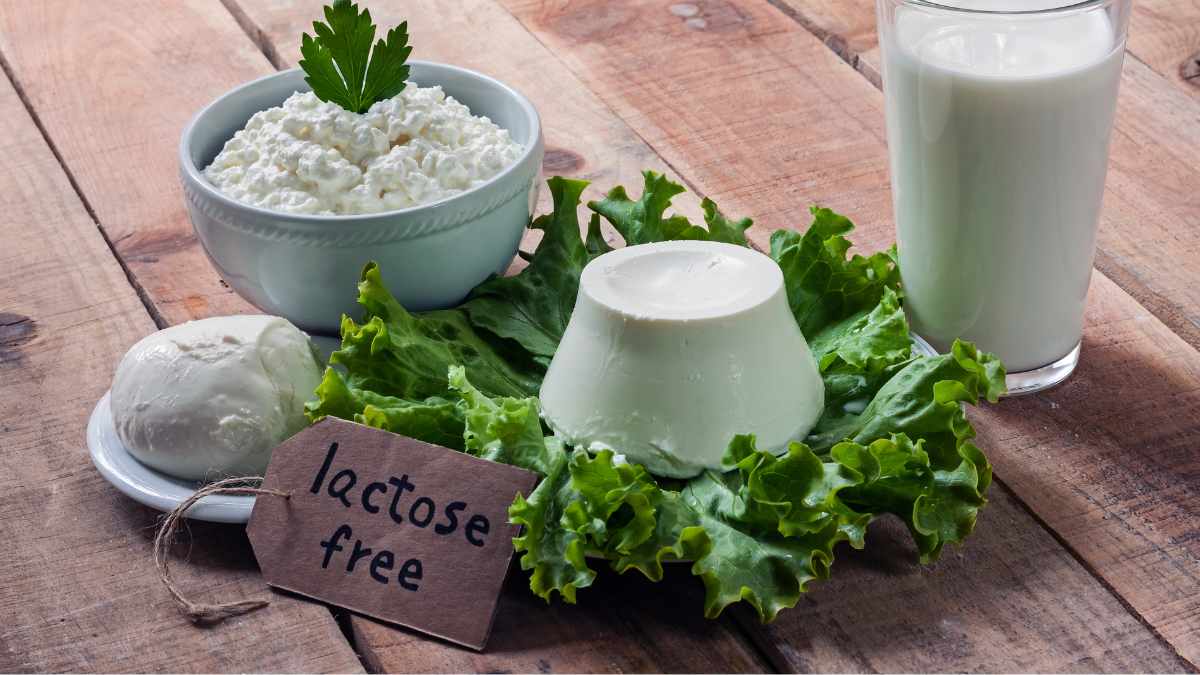

Introduction: In recent years, the concept of detoxification has gained significant traction, particularly in relation to dietary habits. One such detox method that has garnered attention is the rapid dairy detox. This approach aims to eliminate dairy products from the diet quickly and effectively, promoting better health and well-being. In this article, we will delve into the various aspects of rapid dairy detox, including its principles, techniques, and how to maintain a dairy-free lifestyle.
Introduction to Rapid Dairy Detox Methods
The rapid dairy detox is a method designed to eliminate all forms of dairy from one’s diet swiftly. This approach is often adopted by individuals looking to address specific health concerns or improve overall well-being. The primary goal is to remove dairy products, such as milk, cheese, yogurt, and butter, from the diet in a short period, typically within a week.
One of the key motivations behind a rapid dairy detox is the potential health benefits associated with reducing or eliminating dairy consumption. Many people report improvements in digestion, skin health, and energy levels after cutting out dairy. Additionally, some individuals may need to avoid dairy due to lactose intolerance or dairy allergies.
The process of a rapid dairy detox begins with a thorough understanding of which foods contain dairy. This includes obvious sources like milk and cheese, as well as hidden sources in processed foods. Reading labels and becoming familiar with dairy-derived ingredients is crucial for a successful detox.
Preparation is another critical aspect of a rapid dairy detox. This involves planning meals, stocking up on dairy-free alternatives, and ensuring that the transition is as smooth as possible. Many people find it helpful to create a meal plan that includes a variety of nutrient-dense foods to replace the nutrients typically obtained from dairy.
Support systems, such as online communities or friends and family, can also play a significant role in the success of a rapid dairy detox. Sharing experiences and tips with others who are undergoing the same process can provide motivation and encouragement.
Finally, it’s important to approach a rapid dairy detox with a positive mindset. Viewing the detox as an opportunity to explore new foods and improve health can make the process more enjoyable and sustainable.
Understanding Dairy’s Impact on Health
Dairy products have long been a staple in many diets, but their impact on health can vary significantly from person to person. Understanding how dairy affects the body is crucial for those considering a rapid dairy detox.
One of the most common issues associated with dairy consumption is lactose intolerance. This condition occurs when the body lacks the enzyme lactase, which is necessary to break down lactose, the sugar found in milk. Symptoms of lactose intolerance include bloating, gas, diarrhea, and abdominal pain.
In addition to lactose intolerance, some individuals may have a dairy allergy. Unlike lactose intolerance, which is a digestive issue, a dairy allergy involves the immune system. Symptoms can range from mild, such as hives, to severe, such as anaphylaxis. For these individuals, avoiding dairy is not just a choice but a necessity.
Beyond these specific conditions, there is ongoing debate about the broader health impacts of dairy. Some studies suggest that dairy consumption may be linked to various health issues, including acne, respiratory problems, and certain types of cancer. However, other research highlights the nutritional benefits of dairy, such as its high calcium and vitamin D content.
Inflammation is another area of concern when it comes to dairy. Some people find that dairy products exacerbate inflammatory conditions, such as arthritis or inflammatory bowel disease. Reducing or eliminating dairy can sometimes lead to a decrease in symptoms.
On the flip side, dairy can be a valuable source of nutrients for many people. It provides essential vitamins and minerals, including calcium, vitamin D, and potassium. For those who tolerate dairy well, it can be an important part of a balanced diet.
Ultimately, the decision to undertake a rapid dairy detox should be based on individual health needs and goals. Consulting with a healthcare professional can provide personalized guidance and ensure that nutritional needs are met during the detox process.
Key Principles of Dairy Detoxification
The foundation of a successful rapid dairy detox lies in understanding and adhering to several key principles. These principles guide the detox process and help ensure that it is both effective and sustainable.
The first principle is awareness. Being aware of the presence of dairy in various foods is crucial. Dairy can be found in many unexpected places, such as baked goods, salad dressings, and even some processed meats. Reading labels and learning to identify dairy-derived ingredients is essential.
Substitution is the second principle. During a rapid dairy detox, it’s important to find suitable alternatives for dairy products. Fortunately, there are many dairy-free options available, including plant-based milks (such as almond, soy, and oat milk), vegan cheeses, and dairy-free yogurts. These substitutes can help maintain a balanced diet without dairy.
The third principle is nutrition. While eliminating dairy, it’s important to ensure that the diet remains nutritionally adequate. Dairy is a significant source of calcium, vitamin D, and protein for many people. These nutrients can be obtained from other sources, such as leafy greens, fortified plant-based milks, nuts, seeds, and legumes.
Consistency is the fourth principle. A rapid dairy detox requires a consistent effort to avoid dairy products completely. This means being diligent about checking ingredients and making mindful choices when dining out or eating at social gatherings. Consistency helps the body adjust to the absence of dairy and maximizes the potential health benefits.
Support is the fifth principle. Having a support system in place can make a significant difference in the success of a rapid dairy detox. This can include friends, family, or online communities who share similar goals. Support can provide motivation, share practical tips, and offer encouragement during challenging moments.
The final principle is patience. Detoxification is a process, and it may take some time for the body to adjust and for the benefits to become apparent. Being patient and giving the body time to adapt is key to a successful rapid dairy detox.
Effective Techniques for Rapid Dairy Detox
Implementing a rapid dairy detox involves several effective techniques that can help ease the transition and ensure success. These techniques focus on practical steps and strategies to eliminate dairy from the diet quickly and efficiently.
The first technique is meal planning. Planning meals in advance can help ensure that dairy-free options are readily available and that nutritional needs are met. Creating a weekly meal plan that includes a variety of dairy-free foods can make the transition smoother and reduce the temptation to revert to dairy products.
Another effective technique is to gradually reduce dairy intake before starting the detox. This can help the body adjust to the change and minimize potential withdrawal symptoms. For example, one might start by replacing cow’s milk with plant-based milk, then gradually eliminate other dairy products over a few days.
Stocking up on dairy-free alternatives is also crucial. Having a variety of dairy-free options on hand can make it easier to stick to the detox. This includes plant-based milks, vegan cheeses, dairy-free yogurts, and other substitutes. Experimenting with different brands and types can help find the most enjoyable options.
Education plays a significant role in a successful dairy detox. Learning about the various names for dairy ingredients, such as casein, whey, and lactose, can help identify hidden sources of dairy in processed foods. Reading labels carefully and being aware of potential cross-contamination is essential.
Mindful eating is another important technique. Paying attention to how the body feels without dairy and noting any changes in digestion, energy levels, or skin health can provide motivation and reinforce the benefits of the detox. Keeping a food diary can help track progress and identify any patterns.
Finally, seeking professional guidance can be beneficial. Consulting with a nutritionist or dietitian can provide personalized advice and ensure that the diet remains balanced and nutritious during the detox. Professional support can also address any concerns or challenges that may arise.
Evaluating the Success of Dairy Detox
Evaluating the success of a rapid dairy detox involves assessing various aspects of health and well-being. This evaluation helps determine whether the detox has achieved its intended goals and provides insights into any adjustments that may be needed.
One of the primary indicators of success is improved digestion. Many people undertake a dairy detox to address digestive issues such as bloating, gas, or diarrhea. Noting any changes in these symptoms can provide a clear measure of the detox’s effectiveness.
Skin health is another important factor to consider. Some individuals experience improvements in conditions like acne, eczema, or psoriasis after eliminating dairy. Observing changes in skin appearance and health can be a valuable indicator of success.
Energy levels and overall vitality are also key metrics. Many people report feeling more energetic and less fatigued after cutting out dairy. Tracking energy levels and noting any changes in daily activities or exercise performance can help evaluate the detox’s impact.
Weight management is another area to assess. While not the primary goal for everyone, some individuals may experience weight loss or changes in body composition after eliminating dairy. Monitoring weight and body measurements can provide additional insights.
Mental clarity and mood are also important considerations. Some people find that eliminating dairy improves mental clarity and reduces symptoms of anxiety or depression. Paying attention to changes in mood and cognitive function can help gauge the detox’s success.
Finally, it’s important to consider any long-term health improvements. This might include reduced inflammation, better management of chronic conditions, or overall enhanced well-being. Consulting with a healthcare professional can provide a comprehensive evaluation and ensure that any health improvements are sustained.
Expert Tips for Maintaining Dairy-Free Health
Maintaining a dairy-free lifestyle after a rapid dairy detox requires ongoing effort and commitment. Expert tips can provide valuable guidance and help ensure long-term success.
One of the most important tips is to continue reading labels carefully. Even after the initial detox, it’s crucial to remain vigilant about identifying hidden sources of dairy in processed foods. Awareness and education are key to avoiding accidental dairy consumption.
Another tip is to explore and enjoy a variety of dairy-free foods. Experimenting with different plant-based milks, cheeses, and yogurts can keep the diet interesting and satisfying. Trying new recipes and cuisines can also add variety and enjoyment to meals.
Staying informed about nutrition is also essential. Ensuring that the diet remains balanced and provides all necessary nutrients is important for overall health. This might involve incorporating more leafy greens, nuts, seeds, and fortified foods to obtain calcium and vitamin D.
Building a support network can provide ongoing motivation and encouragement. Connecting with others who follow a dairy-free lifestyle, whether through online communities or local groups, can offer practical tips and emotional support.
Planning ahead is another valuable strategy. When dining out or attending social events, it’s helpful to research menu options in advance or bring dairy-free alternatives. Being prepared can reduce stress and make it easier to stick to a dairy-free diet.
Finally, it’s important to listen to the body and make adjustments as needed. Everyone’s nutritional needs and health goals are different, so it’s important to find what works best on an individual basis. Consulting with a healthcare professional can provide personalized advice and ensure that the diet supports overall health and well-being.
Conclusion: Undertaking a rapid dairy detox can offer numerous health benefits, from improved digestion to better skin health. By understanding the principles of dairy detoxification and implementing effective techniques, individuals can successfully eliminate dairy from their diet. Evaluating the success of the detox and following expert tips for maintaining a dairy-free lifestyle can help ensure long-term health and well-being. Whether motivated by specific health concerns or a desire for overall improvement, a rapid dairy detox can be a valuable step towards a healthier life.
Read More…
-
Harvard T.H. Chan School of Public Health – The Nutrition Source: Dairy
- Comprehensive overview of the nutritional aspects and health impacts of dairy.
-
National Institutes of Health – Lactose Intolerance
- Detailed information on lactose intolerance, symptoms, and management.
-
American Academy of Allergy, Asthma & Immunology – Milk Allergy
- Insights into milk allergies, symptoms, and treatment options.
-
Mayo Clinic – Dairy-Free Diet: Is It Right for You?
- Expert advice on the benefits and challenges of a dairy-free diet.
-
WebMD – Dairy-Free Diet: What to Eat and What to Avoid
- Practical tips and guidance on following a dairy-free diet, including food substitutions and meal planning.