
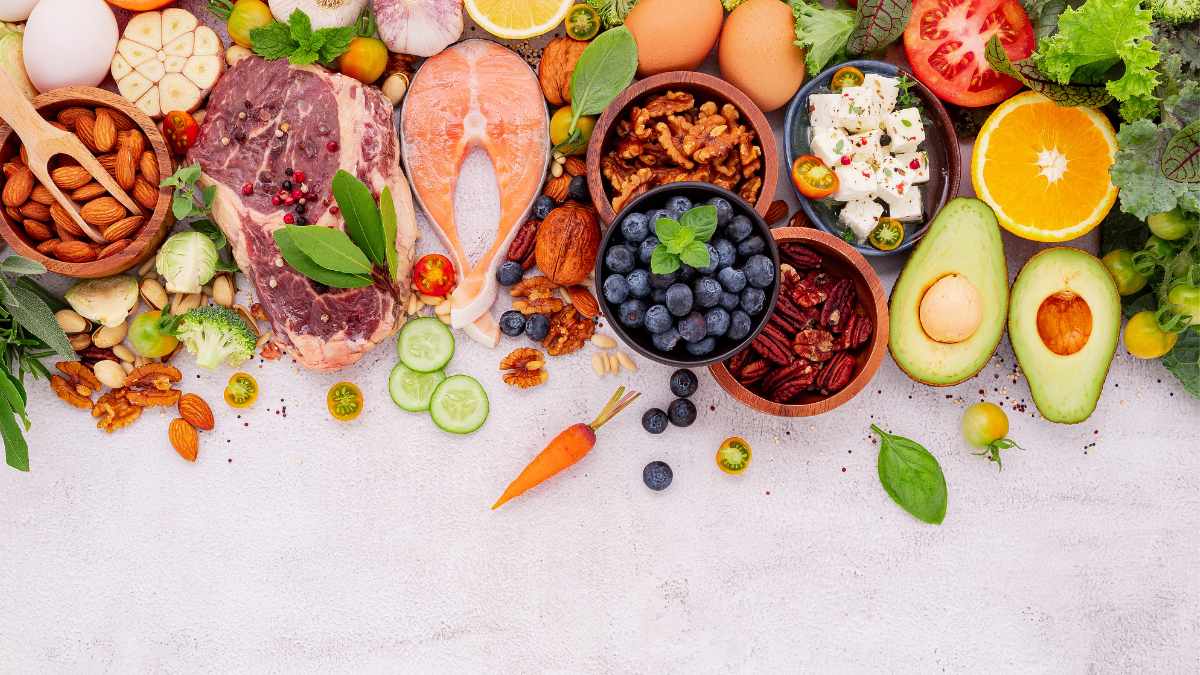

Introduction:
The ketogenic diet has gained immense popularity over the past few years, primarily due to its potential for weight loss and health benefits. This high-fat, low-carbohydrate eating plan encourages the body to enter a state of ketosis, where it burns fat for fuel instead of carbohydrates. As individuals embark on this dietary journey, they often find themselves questioning the suitability of various foods, including fruits. One fruit that frequently comes up in discussions is watermelon. This article aims to explore whether watermelon fits into a ketogenic lifestyle by examining its nutritional composition, carbohydrate content, glycemic index, and practical considerations for consumption.
Understanding the Ketogenic Diet and Its Principles
The ketogenic diet is characterized by a significant reduction in carbohydrate intake, typically to around 5-10% of total daily calories, while increasing fat intake to about 70-80%. This macronutrient shift prompts the body to utilize fat as its primary energy source, leading to the production of ketones in the liver. This metabolic state is crucial for achieving the desired weight loss and health benefits associated with the diet.
In addition to weight loss, the ketogenic diet has been linked to various health improvements, including better blood sugar control, enhanced mental clarity, and reduced inflammation. However, it is essential to note that not all carbohydrates are created equal. The quality and source of carbohydrates can significantly impact an individual’s overall health and the effectiveness of the diet. Understanding these principles is vital for making informed dietary choices.
The ketogenic diet also emphasizes the importance of whole, nutrient-dense foods. Processed foods, high in sugars and unhealthy fats, are typically discouraged. Instead, the focus is on consuming healthy fats, lean proteins, and low-carbohydrate vegetables. This approach not only aids in weight management but also promotes overall well-being.
For those considering the ketogenic lifestyle, it is crucial to understand how various foods fit into the diet. This understanding is particularly important when it comes to fruits, which are often perceived as high in sugar and carbohydrates. Watermelon, with its refreshing taste and high water content, is a fruit that raises questions about its compatibility with the ketogenic diet.
Nutritional Composition of Watermelon: A Detailed Analysis
Watermelon is a nutrient-rich fruit that is primarily composed of water, making it an excellent choice for hydration. Approximately 92% of its weight is water, which contributes to its low caloric content. In addition to water, watermelon contains essential vitamins and minerals, including vitamin C, vitamin A, potassium, and magnesium. These nutrients play vital roles in maintaining overall health and supporting bodily functions.
One of the standout components of watermelon is its antioxidant content, particularly lycopene, which gives the fruit its characteristic red color. Lycopene is known for its potential health benefits, including reducing the risk of certain cancers and promoting heart health. Additionally, watermelon contains citrulline, an amino acid that may improve blood flow and reduce muscle soreness.
Despite its nutritional benefits, watermelon is still a fruit, and its carbohydrate content must be considered, especially for those adhering to a ketogenic diet. Understanding the balance between its health benefits and carbohydrate content is essential for making informed dietary choices.
Furthermore, watermelon is relatively low in calories, with about 30 calories per 100 grams. This makes it a popular choice for those looking to satisfy their sweet tooth without consuming excessive calories. However, its carbohydrate content, primarily in the form of sugars, poses a challenge for those on a strict ketogenic plan.
Carbohydrate Content in Watermelon: A Keto Perspective
Watermelon contains approximately 7.55 grams of carbohydrates per 100 grams, of which about 6.2 grams are sugars. This relatively low carbohydrate content may seem appealing, but it is essential to consider the context of a ketogenic diet. The typical daily carbohydrate allowance for someone on a ketogenic diet is often limited to 20-50 grams, meaning that even small servings of watermelon can consume a significant portion of this allowance.
For example, a typical serving size of watermelon (around 150 grams) would yield approximately 11.3 grams of carbohydrates. This amount can quickly add up, especially if other carbohydrate sources are consumed throughout the day. Therefore, careful portion control is necessary for those who wish to include watermelon in their diet without disrupting ketosis.
Moreover, the body’s response to carbohydrates can vary significantly among individuals. Some may find that they can tolerate small amounts of carbohydrates without affecting their state of ketosis, while others may need to be more stringent. This variability underscores the importance of personal experimentation and monitoring when following a ketogenic diet.
In conclusion, while watermelon is relatively low in carbohydrates compared to many other fruits, its sugar content and the potential for overconsumption make it a food that requires careful consideration for those adhering to a ketogenic lifestyle.
Glycemic Index of Watermelon and Its Impact on Ketosis
The glycemic index (GI) is a measure of how quickly a carbohydrate-containing food raises blood sugar levels. Foods with a high GI can lead to rapid spikes in blood sugar, which is counterproductive for those seeking to maintain ketosis. Watermelon has a GI of around 76, which is considered high. This means that consuming watermelon can lead to a quicker increase in blood sugar levels compared to lower-GI foods.
However, it is essential to consider the glycemic load (GL) of a food, which takes into account both the quantity of carbohydrates and their GI. Watermelon has a relatively low glycemic load due to its high water content, which dilutes the carbohydrate concentration. This means that, while watermelon might spike blood sugar levels, the overall impact may not be as significant when consumed in moderation.
For individuals on a ketogenic diet, maintaining stable blood sugar levels is crucial for staying in ketosis. Frequent spikes in blood sugar can lead to increased insulin production, which may inhibit fat burning. Therefore, understanding the glycemic index and glycemic load of foods can help keto dieters make more informed choices.
In summary, while watermelon has a high glycemic index, its low glycemic load and high water content may allow for occasional consumption in moderation. However, individuals must monitor their blood sugar responses and overall carbohydrate intake to ensure they remain in ketosis.
Watermelon Consumption: Risks and Benefits for Keto Dieters
Incorporating watermelon into a ketogenic diet can offer several benefits, including hydration, essential nutrients, and a refreshing taste. The high water content of watermelon can help keep individuals hydrated, especially during hot weather or after exercise. Additionally, the vitamins and antioxidants found in watermelon can contribute to overall health and well-being.
However, there are also risks associated with consuming watermelon on a ketogenic diet. The fruit’s carbohydrate content can quickly add up, potentially leading to exceeding daily carbohydrate limits. This can result in a loss of ketosis and hinder weight loss efforts. Furthermore, individuals with specific health conditions, such as diabetes, should be cautious about consuming high-GI foods, as they can lead to fluctuations in blood sugar levels.
Another consideration is the potential for overeating watermelon due to its sweet taste and hydrating nature. It can be easy to consume larger portions than intended, which may lead to unintended carbohydrate intake. Therefore, portion control and mindful eating practices are essential for those who choose to include watermelon in their diet.
Ultimately, the decision to include watermelon in a ketogenic diet should be based on individual goals, carbohydrate tolerance, and overall dietary preferences. For some, the benefits may outweigh the risks, while others may prefer to avoid it altogether.
Practical Tips for Including Watermelon in a Keto Plan
For those who wish to include watermelon in their ketogenic diet, moderation is key. Start with small portions to gauge how your body responds and monitor your overall carbohydrate intake. A serving size of around 100 grams may be a good starting point, allowing you to enjoy the fruit without significantly impacting your daily carb allowance.
Pairing watermelon with healthy fats can also be a useful strategy. For example, combining watermelon with a small amount of feta cheese or avocado can create a delicious and satisfying snack. This not only enhances flavor but also helps balance the macronutrient profile of the meal.
Another practical tip is to use watermelon as a refreshing addition to salads or smoothies. Incorporating it into a larger dish can help control portion sizes while still allowing for the enjoyment of its flavor. Additionally, consider freezing watermelon chunks to create a low-carb sorbet or ice treat, which can be a delightful way to cool down during hot days.
Lastly, keep a food diary or use a tracking app to monitor your carbohydrate intake. This can help you stay accountable and ensure that you remain within your daily limits while enjoying the occasional treat. By being mindful of your choices, you can successfully incorporate watermelon into your ketogenic lifestyle.
Conclusions:
In summary, while watermelon is a hydrating and nutritious fruit, its carbohydrate content and high glycemic index make it a food that requires careful consideration for those following a ketogenic diet. Moderation, portion control, and mindful eating practices are essential for including watermelon without disrupting ketosis. Ultimately, each individual’s response to carbohydrates may vary, and personal experimentation is key to finding the right balance.
Read more:
- Keto Diet Basics – A comprehensive overview of the ketogenic diet and its principles.
- Nutritional Composition of Watermelon – Detailed nutritional information about watermelon from the USDA FoodData Central.
- Glycemic Index and Load – An extensive resource on the glycemic index and load of various foods.
- Watermelon Health Benefits – An article discussing the health benefits of watermelon.
- Keto-Friendly Fruits – A guide to fruits that can be included in a ketogenic diet.