

Se hai un abbonamento attivo ACCEDI QUI
Introduction:
In recent years, the low-carb diet has gained immense popularity among those seeking to lose weight, improve metabolic health, or simply adopt a healthier lifestyle. The concept revolves around reducing carbohydrate intake while emphasizing the consumption of proteins and healthy fats. However, a common concern among individuals transitioning to a low-carb diet is the potential for hunger and cravings. This article delves into the world of filling low-carb foods, exploring their benefits, nutritional composition, key ingredients, and practical tips for incorporation into daily meals.
Understanding Low Carb Foods: An Overview of Their Benefits
Low-carb foods are characterized by their reduced carbohydrate content, which often leads to various health benefits. One significant advantage is weight loss; by limiting carbs, the body shifts its primary energy source from glucose to fat, promoting fat burning. This metabolic shift can result in a decrease in body fat and an increase in lean muscle mass, contributing to overall weight management.
Another benefit of low-carb foods is their impact on blood sugar levels. By reducing carbohydrate intake, individuals can experience improved insulin sensitivity, leading to better blood sugar control. This is particularly beneficial for those with type 2 diabetes or insulin resistance, as stable blood sugar levels can reduce the risk of complications associated with these conditions.
Moreover, low-carb diets have been linked to enhanced mental clarity and focus. Many individuals report increased energy levels and improved cognitive function when consuming fewer carbohydrates. This could be attributed to the brain’s ability to utilize ketones, a byproduct of fat metabolism, as an efficient energy source.
Lastly, low-carb foods can also promote satiety. Foods high in protein and healthy fats tend to be more filling, reducing the likelihood of overeating and snacking between meals. This can lead to a more sustainable approach to weight management and overall health.
Nutritional Composition of Filling Low Carb Foods Explained
The nutritional composition of filling low-carb foods plays a crucial role in their ability to satisfy hunger. These foods are typically rich in proteins, healthy fats, and fiber, which are essential for promoting a feeling of fullness. Protein, in particular, has a high satiety index, meaning it can keep you feeling satisfied longer than carbohydrates or fats.
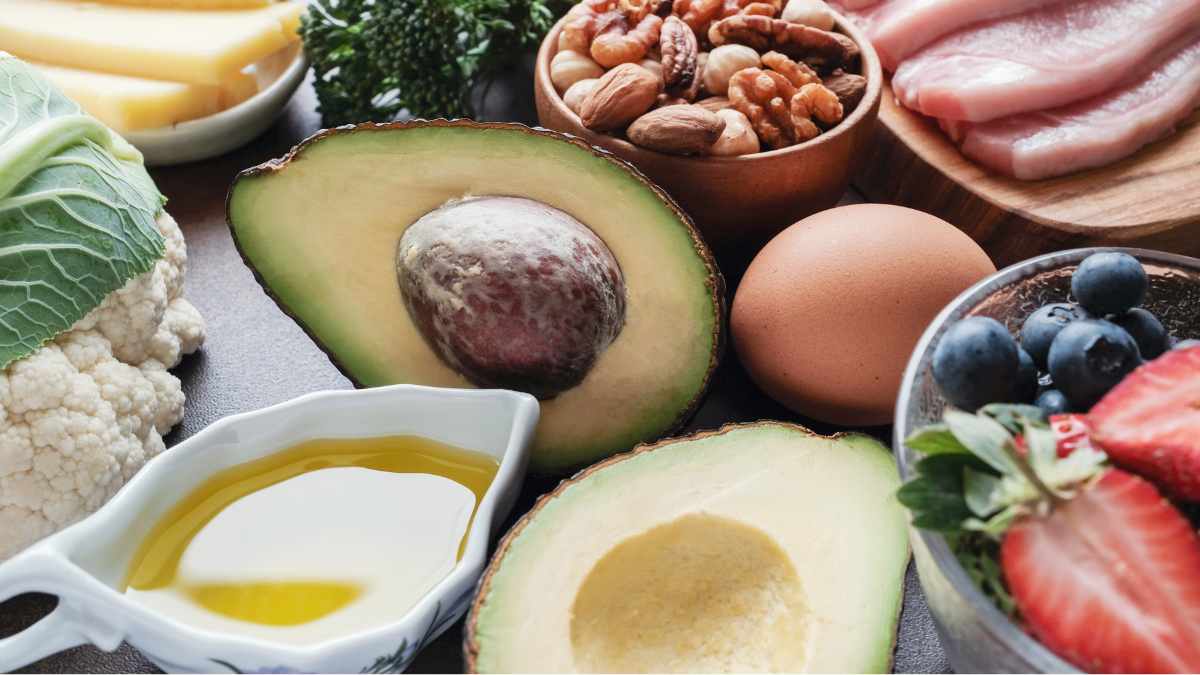
Healthy fats, such as those found in avocados, nuts, and olive oil, are another important component. They provide a concentrated source of energy and help to slow down digestion, further enhancing feelings of fullness. Additionally, fats can stimulate the release of hormones that signal satiety to the brain.
Fiber is equally important in the composition of low-carb foods. Foods high in fiber, such as leafy greens, vegetables, and certain seeds, can expand in the stomach, promoting a sense of fullness. Moreover, fiber aids in digestion and can help regulate blood sugar levels, making it a vital nutrient for those following a low-carb diet.
Understanding the nutritional composition of these foods allows individuals to make informed choices that not only align with their dietary goals but also support overall health and well-being.
Key Ingredients in Low Carb Foods That Promote Satiety
Several key ingredients are commonly found in filling low-carb foods that contribute to their satiating properties. Lean meats such as chicken, turkey, and fish are excellent sources of protein. These proteins not only help build and repair tissues but also keep hunger at bay. Incorporating a variety of lean meats into meals can ensure a diverse intake of essential nutrients.
Eggs are another powerhouse in the low-carb realm. They are nutrient-dense, providing high-quality protein and healthy fats while being low in carbohydrates. The versatility of eggs allows them to be included in various dishes, making them an easy addition to a low-carb diet.
Non-starchy vegetables, such as broccoli, spinach, and zucchini, are also crucial. These vegetables are low in calories and carbohydrates while being high in fiber and water content. Their bulk can help fill up the stomach, promoting satiety without excessive caloric intake.
Lastly, nuts and seeds are valuable additions to a low-carb diet. Rich in healthy fats, protein, and fiber, they can be consumed as snacks or added to meals for extra crunch and flavor. However, portion control is essential, as they are calorie-dense.
Comparing Low Carb Foods: Fiber, Protein, and Fats
When comparing low-carb foods, it is essential to consider their fiber, protein, and fat content. Fiber plays a pivotal role in digestive health and satiety. Foods high in fiber, such as chia seeds, flaxseeds, and leafy greens, can help regulate bowel movements and maintain a healthy gut microbiome. They also slow the absorption of sugar, preventing spikes in blood glucose levels.
Protein is another critical component of filling low-carb foods. High-protein foods, such as beef, pork, and legumes, can significantly increase feelings of fullness. Research has shown that diets high in protein can lead to reduced overall calorie intake, making them an effective strategy for weight management.
Healthy fats should not be overlooked either. Foods rich in omega-3 and omega-6 fatty acids, such as fatty fish, avocados, and nuts, provide essential nutrients that support heart health and brain function. Including a balance of these fats in a low-carb diet can enhance flavor and satisfaction in meals.
Ultimately, the ideal low-carb food should strike a balance among these three macronutrients, ensuring that individuals feel full and satisfied while adhering to their dietary goals.
Practical Tips for Incorporating Low Carb Foods in Diet
Incorporating filling low-carb foods into your diet can be achieved through various practical strategies. First, plan your meals ahead of time. Creating a weekly meal plan that focuses on low-carb recipes can help streamline grocery shopping and ensure that you have the necessary ingredients on hand. This can also prevent impulsive food choices that may not align with your dietary goals.
Second, experiment with low-carb substitutes. For instance, using cauliflower rice instead of traditional rice or zucchini noodles instead of pasta can help reduce carbohydrate intake while still enjoying familiar dishes. These substitutions can provide the texture and satisfaction of traditional foods without the excess carbs.
Third, snack wisely. Opt for low-carb snacks such as nuts, cheese, or hard-boiled eggs instead of high-carb options like chips or cookies. Having these filling snacks readily available can help curb hunger between meals and prevent unhealthy snacking habits.
Finally, stay hydrated. Sometimes, feelings of hunger can be mistaken for thirst. Drinking plenty of water throughout the day can help maintain hydration and may reduce unnecessary snacking. Herbal teas or infused water can also be enjoyable alternatives to plain water.
Common Myths About Low Carb Foods and Their Filling Nature
Despite the growing popularity of low-carb diets, several myths persist regarding their filling nature. One common misconception is that low-carb foods are inherently unhealthy. In reality, many low-carb foods, such as vegetables, lean meats, and healthy fats, are nutrient-dense and can contribute to a balanced diet. It is essential to focus on whole, unprocessed foods to reap the full benefits of a low-carb lifestyle.
Another myth is that low-carb diets lead to constant hunger. While transitioning to a low-carb diet may initially cause cravings, incorporating filling low-carb foods can help mitigate this issue. Foods high in protein, fiber, and healthy fats can promote satiety, making it easier to adhere to the diet long-term.
Additionally, some believe that low-carb diets are unsustainable. However, many individuals find success in maintaining a low-carb lifestyle by focusing on variety and creativity in their meals. By exploring different recipes and food combinations, individuals can enjoy a fulfilling diet without feeling deprived.
Lastly, there is a misconception that all low-carb foods are high in calories. While some low-carb foods, like nuts and cheese, can be calorie-dense, they are also nutrient-rich. Portion control and mindful eating can help individuals enjoy these foods without exceeding their caloric needs.
Conclusions:
Filling low-carb foods offer numerous benefits, including weight management, improved blood sugar control, and enhanced satiety. By understanding their nutritional composition and incorporating key ingredients, individuals can create satisfying meals that align with their dietary goals. Dispelling common myths surrounding low-carb foods can further empower individuals to make informed choices and embrace a healthier lifestyle.
Read more:
- Harvard Health Publishing – The Low-Carb Diet: What You Need to Know – A comprehensive overview of low-carb diets and their implications for health.
- Mayo Clinic – Low-Carbohydrate Diet: What You Should Know – Insights from Mayo Clinic on the benefits and risks associated with low-carb eating.
- Cleveland Clinic – Low-Carb Diets: What You Need to Know – A detailed exploration of low-carb diets and their effects on health.
- American Journal of Clinical Nutrition – The Role of Protein in Weight Management – A scientific study discussing the impact of protein on satiety and weight management.
- Nutrition Journal – The Effect of Dietary Fiber on Satiety – Research highlighting the importance of dietary fiber in promoting feelings of fullness.