

Se hai un abbonamento attivo ACCEDI QUI
Introduction:
A carb-free diet, often referred to as a low-carb or ketogenic diet, has gained significant popularity in recent years for its potential benefits in weight loss and metabolic health. This dietary approach primarily focuses on reducing carbohydrate intake while increasing the consumption of proteins and fats. By understanding the principles behind this diet, individuals can make informed decisions about what to eat, ensuring they meet their nutritional needs without compromising their health. This article will explore the key components of a carb-free diet, including protein sources, healthy fats, low-carb vegetables, and sample meal plans to guide you on your journey.
Understanding the Principles of a Carb-Free Diet
The fundamental principle of a carb-free diet is to limit the intake of carbohydrates, which are primarily found in grains, sugars, and starchy vegetables. By drastically reducing these foods, the body enters a state of ketosis, where it begins to burn fat for fuel instead of carbohydrates. This metabolic shift can lead to weight loss and improved energy levels. Understanding this process is crucial for anyone looking to adopt this dietary approach.
In addition to weight loss, a carb-free diet may offer various health benefits, including improved blood sugar control, reduced hunger levels, and enhanced mental clarity. By minimizing carbohydrate intake, many individuals experience fewer spikes in blood sugar, which is particularly beneficial for those with insulin resistance or type 2 diabetes. These health improvements underscore the importance of carefully selecting food items that align with the diet’s principles.
However, it is essential to approach a carb-free diet with caution. Not all carbohydrates are created equal, and some sources, such as whole grains and fruits, provide essential nutrients and fiber. Therefore, it is vital to focus on quality over quantity when selecting foods. Understanding the types of carbohydrates to avoid and those to embrace can significantly impact the success of this dietary approach.
Lastly, transitioning to a carb-free diet may require some adjustments in meal planning and preparation. Individuals may need to experiment with new recipes and cooking methods to maintain variety and satisfaction in their meals. This adaptability is key to sustaining a long-term commitment to a carb-free lifestyle.
Key Nutritional Components of a Carb-Free Diet
A successful carb-free diet is built on three primary macronutrients: proteins, fats, and a limited amount of carbohydrates. While protein and fat intake will be significantly increased, it is crucial to understand the roles these macronutrients play in overall health. Proteins are essential for muscle repair and growth, while fats provide a concentrated source of energy.
In a carb-free diet, protein sources should be varied and include both animal and plant-based options. High-quality proteins, such as lean meats, fish, eggs, and dairy products, are excellent choices. Incorporating a range of protein sources ensures that the body receives all essential amino acids necessary for optimal function.
Fats, particularly healthy fats, should also be a significant focus. This includes monounsaturated and polyunsaturated fats found in foods like avocados, nuts, seeds, and olive oil. These fats not only provide energy but also support heart health and hormone production.
Lastly, while carbohydrates are limited, it is essential to include a small amount of fiber-rich foods to support digestive health. Non-starchy vegetables can provide essential vitamins and minerals without significantly impacting carbohydrate intake. Balancing these nutritional components is vital for achieving the desired health benefits while following a carb-free diet.
Protein Sources: Essential Foods for Carb-Free Living
When following a carb-free diet, protein becomes a cornerstone of your meals. High-quality protein sources are not only essential for muscle maintenance but also help in satiety, keeping hunger at bay. Lean meats such as chicken, turkey, and beef are excellent choices, providing essential amino acids without the excess carbohydrates.
Fish and seafood are also highly recommended, as they are rich in omega-3 fatty acids, which have numerous health benefits, including anti-inflammatory properties. Fatty fish like salmon, mackerel, and sardines can be particularly beneficial. Eggs are another versatile protein source, offering a wealth of nutrients and can be prepared in various ways to keep meals interesting.
For those seeking plant-based options, tofu and tempeh are excellent alternatives that provide substantial protein content while being low in carbohydrates. Incorporating legumes and nuts in moderation can also contribute to protein intake, although they do contain some carbohydrates.
It is essential to be mindful of portion sizes and choose high-quality sources to maximize the benefits of protein consumption. By diversifying protein sources, individuals can enjoy a wide array of flavors and textures while adhering to a carb-free lifestyle.
Healthy Fats: Incorporating Fats into Your Diet
In a carb-free diet, healthy fats play a critical role in providing energy and supporting overall health. Fats are calorie-dense, making them an excellent source of energy, especially when carbohydrates are limited. Incorporating a variety of healthy fats can enhance the flavor of meals while ensuring adequate nutrient intake.
Monounsaturated fats, found in olive oil, avocados, and nuts, are particularly beneficial for heart health. These fats can help lower bad cholesterol levels while increasing good cholesterol. Additionally, incorporating omega-3 fatty acids from sources like fatty fish, flaxseeds, and walnuts can provide anti-inflammatory benefits and support brain health.
Coconut oil and butter are also popular choices in a carb-free diet, as they are rich in saturated fats that can provide quick energy. These fats can be used in cooking and baking, adding richness to meals without the carbohydrates.
When selecting fats, it is essential to avoid trans fats and limit saturated fats from processed sources. Focusing on whole, unprocessed fats can significantly enhance the health benefits of a carb-free diet.
Low-Carb Vegetables: Nutrient-Dense Options Available
While a carb-free diet limits carbohydrate intake, it does not mean that vegetables should be excluded. In fact, low-carb vegetables are a vital component of this dietary approach, providing essential vitamins, minerals, and fiber. Incorporating a variety of non-starchy vegetables can contribute to overall health and well-being.
Leafy greens such as spinach, kale, and arugula are excellent choices, as they are low in carbohydrates and high in nutrients. These vegetables can be used in salads, smoothies, or sautéed as a side dish. Cruciferous vegetables like broccoli, cauliflower, and Brussels sprouts are also nutrient-dense options that can be roasted, steamed, or added to stir-fries.
Other low-carb vegetables include zucchini, bell peppers, asparagus, and mushrooms. These vegetables can add flavor and texture to meals while keeping carbohydrate intake in check. Incorporating herbs and spices can further enhance the taste of these dishes without adding carbohydrates.
It is essential to focus on whole, unprocessed vegetables to maximize nutritional benefits. By prioritizing low-carb vegetables, individuals can maintain a balanced diet while adhering to carb-free principles.
Sample Meal Plans for a Successful Carb-Free Diet
Creating a meal plan is an effective way to ensure adherence to a carb-free diet while meeting nutritional needs. A sample breakfast could include scrambled eggs cooked in olive oil, served with sautéed spinach and avocado. This meal provides a balanced mix of protein, healthy fats, and essential nutrients.
For lunch, a grilled chicken salad with mixed greens, cherry tomatoes, cucumbers, and a dressing of olive oil and vinegar can be both satisfying and nutritious. Adding nuts or seeds can enhance the meal’s protein and fat content.
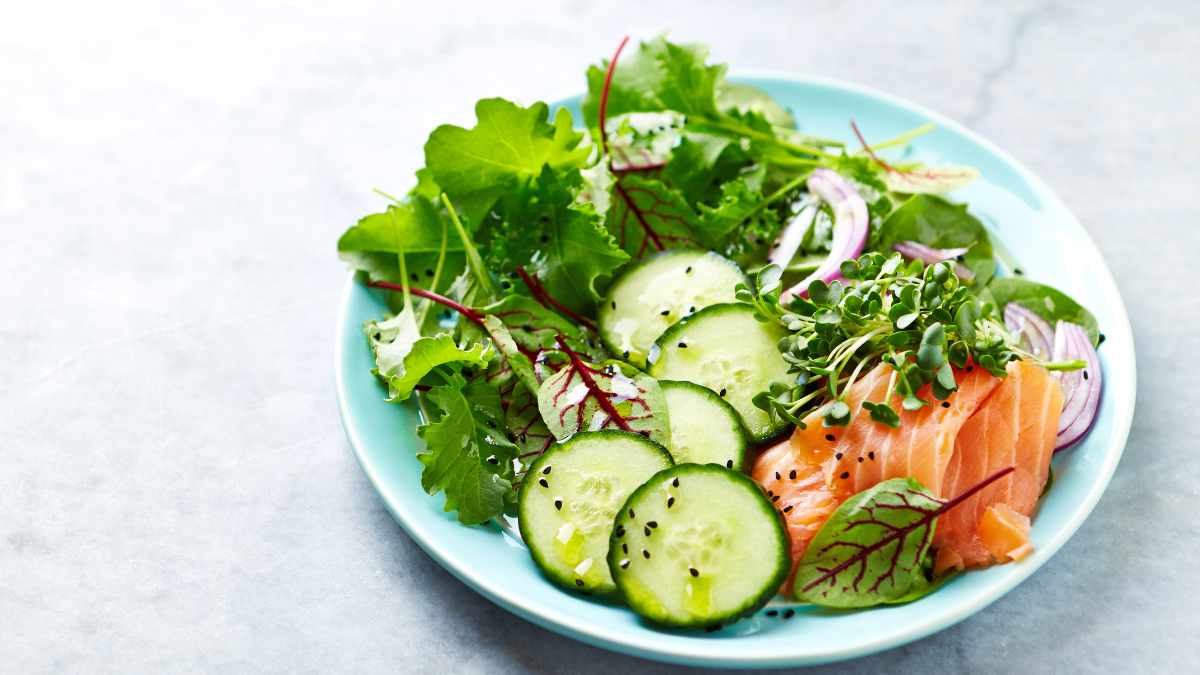
Dinner could feature baked salmon with a side of roasted broccoli and cauliflower, drizzled with lemon and olive oil. This meal is rich in omega-3 fatty acids and fiber, promoting overall health.
Snacks can include options like cheese, nuts, or celery sticks with almond butter. These snacks provide a quick source of energy without compromising carbohydrate limits. By planning meals ahead of time, individuals can ensure they remain committed to their carb-free lifestyle while enjoying a variety of flavors and textures.
Conclusions:
Adopting a carb-free diet can be a transformative approach to improving health and achieving weight loss goals. By understanding the principles of this dietary approach and focusing on high-quality protein sources, healthy fats, and low-carb vegetables, individuals can create satisfying and nutritious meals. With careful planning and a willingness to explore new foods, anyone can successfully navigate the challenges of a carb-free lifestyle.
Read more:
- Harvard Health Publishing – The Low-Carb Diet – A comprehensive overview of low-carb diets and their effects on health.
- Mayo Clinic – Low-Carbohydrate Diet: What You Need to Know – Insights into the principles and potential benefits of low-carb diets.
- Cleveland Clinic – Ketogenic Diet: What to Know – An in-depth look at the ketogenic diet and its implications for health.
- Healthline – Low-Carb Diets: A Complete Guide – A detailed guide on low-carb diets, including food lists and meal plans.
- Nutrition.gov – Carbohydrates: The Good, the Bad, and the Ugly – An educational resource on carbohydrates and their role in a balanced diet.