

Introduction:
In the realm of nutrition, carbohydrates are often a focal point of discussion, especially when it comes to weight management and dietary preferences. With the rise of low-carb diets, many individuals are seeking foods that contain little to no carbohydrates. Understanding what constitutes a zero-carb food and how these options can fit into a balanced diet is essential for anyone looking to modify their eating habits. This article delves into the definition and significance of carbohydrates, explores zero-carb foods, categorizes them, analyzes their nutritional profiles, discusses health implications, and offers practical tips for incorporating these foods into your diet.
Understanding Carbohydrates: Definition and Importance
Carbohydrates are one of the three macronutrients essential for human health, alongside proteins and fats. They serve as a primary source of energy for the body, particularly for the brain and muscles during physical activity. Carbohydrates can be classified into simple sugars, complex carbohydrates, and fiber. Simple carbohydrates are quickly absorbed and provide immediate energy, while complex carbohydrates are digested more slowly, offering sustained energy over time. Fiber, although a carbohydrate, is not digestible and plays a crucial role in digestive health.
The importance of carbohydrates in the diet cannot be overstated. They are involved in various bodily functions, including the regulation of blood glucose levels and the support of metabolic processes. Carbohydrates also play a role in the synthesis of certain amino acids and fatty acids, making them integral to overall health. However, the type and amount of carbohydrates consumed can significantly affect health outcomes, leading to the popularity of low-carb diets in recent years.
Despite their importance, not all carbohydrates are created equal. Refined carbohydrates, such as those found in sugary snacks and white bread, can lead to spikes in blood sugar levels and contribute to weight gain. In contrast, whole grains, fruits, and vegetables provide essential nutrients and fiber, promoting better health. Understanding the role of carbohydrates helps individuals make informed choices about their dietary intake.
In summary, while carbohydrates are vital for energy and overall health, the focus should be on the quality and quantity consumed. As dietary trends shift towards low-carb options, the exploration of zero-carb foods becomes increasingly relevant for those looking to optimize their nutrition.
The Concept of Zero-Carb Foods: An Overview
Zero-carb foods are defined as those that contain negligible or no carbohydrates. This category is particularly appealing to individuals following ketogenic or low-carb diets, where the goal is to minimize carbohydrate intake to promote fat burning and weight loss. Zero-carb foods can help maintain stable blood sugar levels, which is beneficial for those with insulin resistance or diabetes.
While the term "zero-carb" suggests a complete absence of carbohydrates, it is important to note that many foods labeled as such may contain trace amounts. These negligible amounts are often not significant enough to impact dietary goals. Understanding the difference between truly zero-carb foods and those with minimal carbohydrates is crucial for effective meal planning.
The appeal of zero-carb foods extends beyond weight loss; they can also contribute to a feeling of satiety and reduce cravings for high-carb snacks. This can lead to more mindful eating habits and better overall dietary choices. However, it is essential to balance the intake of zero-carb foods with other nutrient-dense options to ensure a well-rounded diet.
In essence, zero-carb foods offer a unique approach to nutrition, particularly for those looking to reduce carbohydrate intake. As the demand for these foods grows, so does the need for a deeper understanding of their benefits and limitations.
Categories of Zero-Carb Foods: Animal vs. Plant Sources
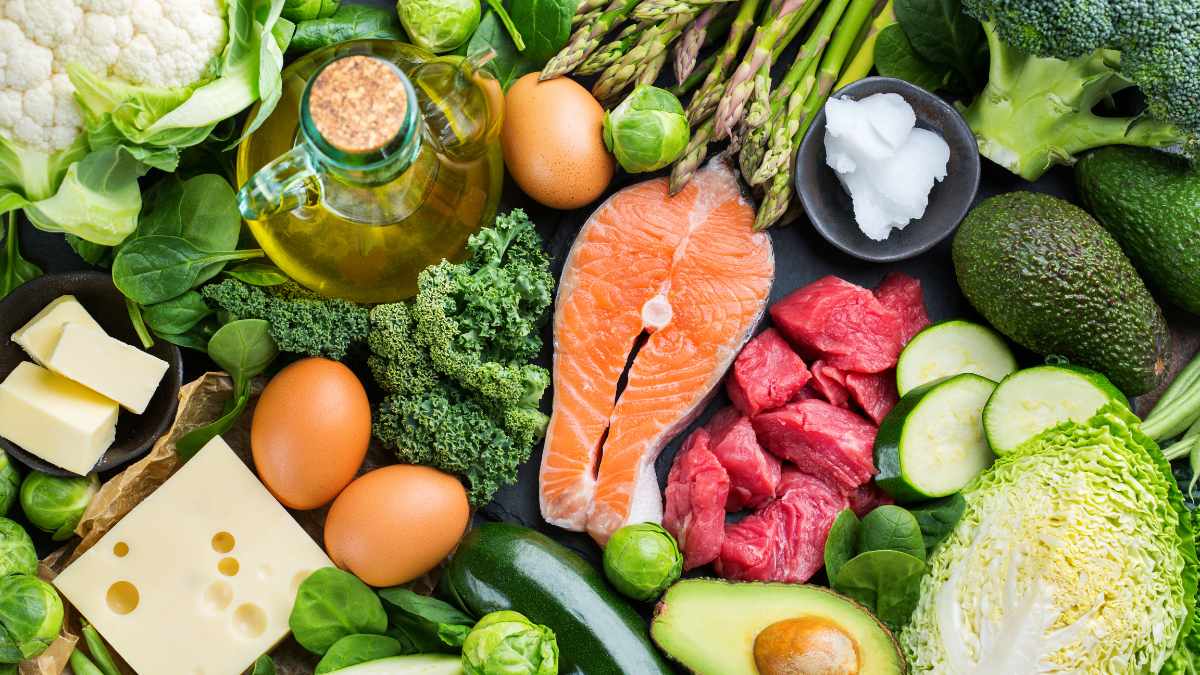
Zero-carb foods can be broadly categorized into animal and plant sources. Animal-based zero-carb foods include meats, fish, eggs, and certain dairy products. These foods are naturally low in carbohydrates and high in protein, making them ideal for those on a low-carb diet. Meats such as beef, pork, and poultry provide essential amino acids and nutrients without the addition of carbohydrates. Fish, particularly fatty varieties like salmon and mackerel, offer healthy omega-3 fatty acids alongside their protein content.
On the other hand, plant-based zero-carb foods are relatively limited. Most vegetables contain some carbohydrates, albeit in small amounts. However, certain plant-based foods like leafy greens and herbs can be considered nearly zero-carb due to their low carbohydrate content. These foods can add flavor and nutrients to meals without significantly impacting carbohydrate intake.
When considering the nutritional value of these categories, it is essential to recognize that animal-based zero-carb foods often provide a more complete protein profile compared to plant sources. This is particularly important for individuals seeking to maintain muscle mass while reducing carbohydrate intake. However, incorporating a variety of foods from both categories can enhance overall nutrient intake.
In summary, understanding the differences between animal and plant sources of zero-carb foods can help individuals make informed dietary choices. While animal-based options dominate the zero-carb landscape, there are still opportunities to include plant-based foods that align with low-carb goals.
Nutritional Analysis of Popular Zero-Carb Food Options
When evaluating popular zero-carb food options, it’s essential to consider their nutritional profiles. For instance, beef is a staple in many low-carb diets. It is rich in protein, iron, and B vitamins, making it a nutrient-dense choice. A typical serving of beef contains virtually no carbohydrates, making it an excellent option for those looking to minimize carb intake.
Another popular zero-carb food is eggs. Eggs are not only low in carbohydrates but also high in protein and healthy fats. They provide essential nutrients such as choline, which is vital for brain health. With approximately 0.6 grams of carbohydrates per large egg, they are a versatile food that can be prepared in numerous ways.
Fish, particularly fatty fish like salmon and sardines, also falls into the zero-carb category. These fish are not only low in carbs but also provide a wealth of omega-3 fatty acids, which are beneficial for heart health. A typical serving of salmon contains around 0 grams of carbohydrates while delivering high-quality protein and essential nutrients.
Lastly, certain dairy products, such as hard cheeses and butter, are considered zero-carb foods. These options provide healthy fats and protein while containing minimal carbohydrates. However, it is crucial to choose full-fat versions to maximize health benefits and avoid added sugars that can increase carbohydrate content.
In conclusion, the nutritional analysis of popular zero-carb foods reveals a variety of options that can support a low-carb lifestyle. By focusing on nutrient-dense choices, individuals can enjoy the benefits of a zero-carb diet while ensuring they meet their nutritional needs.
Health Implications of Consuming Zero-Carb Foods
The health implications of consuming zero-carb foods can vary based on individual dietary needs and goals. For many, adopting a low-carb or zero-carb diet can lead to significant weight loss and improved metabolic health. By reducing carbohydrate intake, individuals may experience lower insulin levels, which can aid in fat loss and improve blood sugar control.
However, it is essential to approach zero-carb diets with caution. Eliminating carbohydrates entirely can lead to nutrient deficiencies, particularly if individuals do not compensate with other nutrient-dense foods. Whole grains, fruits, and vegetables provide essential vitamins, minerals, and fiber that are crucial for overall health. A balanced approach that includes a variety of foods is essential for long-term sustainability.
Additionally, some individuals may experience side effects when transitioning to a zero-carb diet, commonly referred to as the "keto flu." Symptoms can include fatigue, headaches, and irritability as the body adjusts to burning fat for fuel instead of carbohydrates. These symptoms are typically temporary but highlight the importance of gradual dietary changes.
In summary, while zero-carb foods can offer benefits such as weight loss and improved metabolic health, it is vital to consider the potential risks associated with eliminating carbohydrates entirely. A balanced approach that includes a variety of nutrient-dense foods can help mitigate these risks and support overall health.
Practical Tips for Incorporating Zero-Carb Foods into Diet
Incorporating zero-carb foods into your diet can be straightforward with a few practical strategies. First, focus on meal planning. By preparing meals in advance, you can ensure that you have a variety of zero-carb options readily available. This can help prevent impulsive eating of high-carb foods and promote healthier choices.
Second, consider using zero-carb foods as substitutes for traditional high-carb ingredients. For example, zucchini noodles can replace pasta, while cauliflower rice can serve as a low-carb alternative to regular rice. These substitutions can help satisfy cravings while keeping carbohydrate intake low.
Third, explore different cooking methods to enhance the flavor and appeal of zero-carb foods. Grilling, roasting, and sautéing can bring out the natural flavors of meats and vegetables, making them more enjoyable to eat. Experimenting with herbs and spices can also add variety to meals without adding carbohydrates.
Finally, stay informed about the nutritional content of foods. Reading labels and understanding serving sizes can help you make better choices when selecting zero-carb options. Being mindful of hidden carbohydrates in processed foods is crucial for maintaining a low-carb lifestyle.
In conclusion, incorporating zero-carb foods into your diet can be achieved through careful planning, creative substitutions, and mindful cooking. By taking these steps, you can enjoy the benefits of a low-carb lifestyle while maintaining a diverse and satisfying diet.
Conclusions:
In summary, zero-carb foods can play a significant role in a low-carb diet, offering numerous health benefits while providing essential nutrients. Understanding the different categories of zero-carb foods, their nutritional profiles, and the health implications of their consumption can empower individuals to make informed dietary choices. By incorporating practical tips for meal planning and preparation, one can successfully integrate these foods into their daily routine, promoting better health and well-being.
Read more
- Harvard Health Publishing – Carbohydrates: The Good, the Bad, and the Ugly – An insightful overview of carbohydrates and their role in a balanced diet.
- Mayo Clinic – Low-Carb Diet: What You Need to Know – A comprehensive guide to low-carb diets and their potential benefits.
- Cleveland Clinic – The Benefits of a Low-Carb Diet – An exploration of the health benefits associated with low-carb eating.
- Healthline – The Ultimate Guide to Zero-Carb Foods – A detailed analysis of foods that contain little to no carbohydrates.
- American Heart Association – Carbohydrates: How They Fit into a Healthy Diet – An informative resource on the role of carbohydrates in a healthy diet.