

Introduction:
In the quest for effective weight management and overall health, many individuals seek foods that are not only low in calories but also filling. The challenge often lies in finding options that satisfy hunger without contributing to excessive caloric intake. Understanding which foods can provide satiety while being low in calories is essential for anyone looking to maintain a healthy diet. This article explores the science behind satiety, highlights specific foods that can help, and provides practical strategies for integrating these options into daily meals.
Understanding the Concept of Low-Calorie, Filling Foods
Low-calorie, filling foods are those that provide a sense of fullness without packing in a lot of calories. These foods often have a high volume relative to their caloric content, allowing individuals to consume larger portions without exceeding their caloric goals. The concept is rooted in the idea that volume can impact satiety; foods that take up more space in the stomach can trigger the body’s fullness signals more effectively.
Incorporating these foods into a diet can help manage hunger and reduce the likelihood of overeating. This is particularly important for individuals trying to lose weight or maintain a healthy weight. By focusing on foods that are both filling and low in calories, one can create a sustainable eating pattern that supports long-term health goals.
Moreover, the psychological aspect of eating plays a significant role in how satisfied we feel after a meal. Foods that are visually appealing and have a satisfying texture can enhance the eating experience, making it easier to stick to a low-calorie diet. This approach encourages mindful eating, where individuals pay attention to their hunger cues and enjoy their meals without the guilt associated with higher-calorie options.
Ultimately, the key to success lies in understanding which foods can provide the necessary volume and satisfaction without leading to excessive caloric intake. This knowledge empowers individuals to make informed choices that align with their dietary goals.
Nutritional Science Behind Satiety and Caloric Density
The relationship between satiety and caloric density is a fundamental concept in nutritional science. Caloric density refers to the number of calories in a given weight or volume of food. Foods that are low in caloric density typically contain a high amount of water and fiber, which contribute to their bulk without adding significant calories. This characteristic makes them ideal for promoting fullness.
Research indicates that foods high in water content, such as fruits and vegetables, can enhance feelings of fullness. For example, a large salad made primarily of leafy greens and vegetables can be consumed in significant quantities without contributing many calories. This is in contrast to high-calorie foods that are low in volume, such as nuts or oils, which can lead to quicker feelings of hunger after consumption.
Additionally, the macronutrient composition of foods plays a crucial role in satiety. Proteins and fibers are particularly effective at promoting fullness. Proteins take longer to digest and can stimulate the release of hormones that signal satiety. Similarly, fiber adds bulk to meals and slows down digestion, contributing to a prolonged feeling of fullness.
Understanding these principles allows individuals to make strategic choices when selecting foods for their meals. By prioritizing low-calorie, high-volume options, one can effectively manage hunger and maintain a balanced diet.
Top Low-Calorie Foods That Promote Fullness Effectively
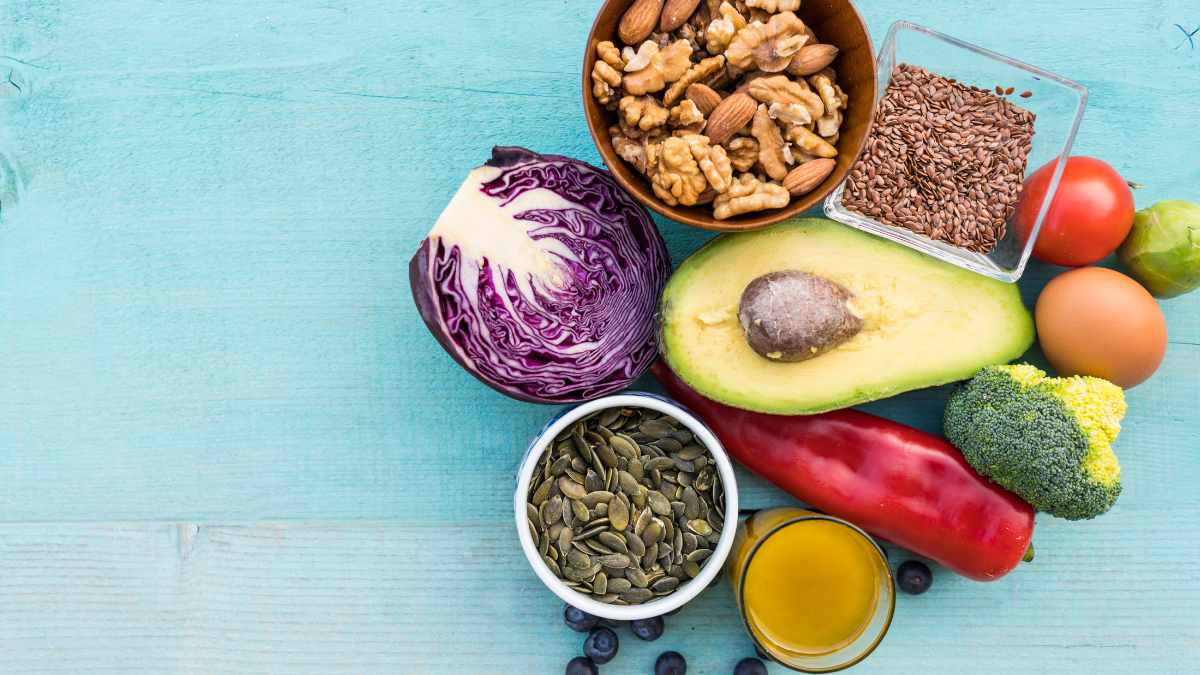
Several foods stand out as excellent choices for those looking to feel full without consuming excessive calories. Vegetables are at the top of the list; they are low in calories and high in volume. Leafy greens, cucumbers, and bell peppers can be eaten in large quantities, providing essential vitamins and minerals while keeping calorie counts low.
Fruits also play a significant role in a filling diet. Berries, watermelon, and oranges are not only hydrating but also rich in fiber, making them satisfying snacks or additions to meals. Their natural sweetness can help curb cravings for higher-calorie desserts, providing a healthier alternative.
Whole grains such as quinoa, brown rice, and oats are another category of low-calorie foods that promote fullness. They are rich in fiber and provide sustained energy, making them ideal for meals. Incorporating whole grains into meals can enhance satiety and prevent the rapid spikes and drops in blood sugar that often lead to hunger.
Lastly, legumes, including beans, lentils, and chickpeas, are powerhouse foods that are both filling and low in calories. They are high in protein and fiber, which contribute to feelings of fullness and can be easily added to salads, soups, or stews for a nutritious boost.
The Role of Fiber and Protein in Appetite Control
Fiber and protein are two key components in the quest for appetite control. Fiber, found in fruits, vegetables, whole grains, and legumes, adds bulk to the diet and slows digestion. This slow digestion process helps regulate blood sugar levels and prolongs feelings of fullness after meals. High-fiber foods can also promote a healthy gut microbiome, which is increasingly recognized for its role in overall health and appetite regulation.
On the other hand, protein plays a vital role in satiety as well. Foods rich in protein, such as lean meats, fish, eggs, dairy, and plant-based sources like tofu and legumes, can help reduce hunger levels. Studies have shown that protein-rich meals can increase the levels of hormones that signal fullness while decreasing the levels of hormones that stimulate hunger.
Combining fiber and protein in meals can create a powerful strategy for appetite control. For instance, a meal that includes a protein source along with a variety of vegetables can maximize fullness while keeping calories in check. This combination not only satisfies hunger but also supports muscle maintenance and overall health.
Understanding the roles of fiber and protein allows individuals to make informed dietary choices that promote satiety and help manage weight effectively. By focusing on these nutrients, one can create meals that are both nutritious and satisfying.
Meal Planning Strategies for Low-Calorie, Filling Options
Effective meal planning is essential for incorporating low-calorie, filling foods into your diet. One strategy is to base meals around vegetables. By filling half your plate with non-starchy vegetables, you can significantly increase the volume of your meals without adding many calories. This approach not only enhances satiety but also ensures you are getting a variety of nutrients.
Another useful strategy is to prepare meals in advance. Batch cooking can help ensure that you always have healthy, low-calorie options on hand. By preparing large quantities of soups, stews, or grain bowls that include high-fiber vegetables and lean proteins, you can easily grab a nutritious meal when time is short.
Incorporating snack options that are low in calories but high in fiber and protein can also help manage hunger throughout the day. Snacks like carrot sticks with hummus, Greek yogurt with berries, or apple slices with nut butter can provide satisfying options that keep you full between meals.
Lastly, it’s important to experiment with flavors and textures. Using herbs, spices, and healthy cooking methods can make low-calorie foods more appealing. Grilling, roasting, or sautéing vegetables can enhance their flavors, making it easier to enjoy larger portions without the addition of extra calories.
Practical Tips for Incorporating These Foods Daily
Incorporating low-calorie, filling foods into your daily routine can be straightforward with a few practical tips. First, start your meals with a salad or broth-based soup. These options are low in calories but can help fill you up before the main course, leading to reduced overall caloric intake.
Second, keep healthy snacks readily available. Having pre-portioned snacks like cut-up vegetables, fruit, or whole-grain crackers can help you avoid reaching for higher-calorie options when hunger strikes. This practice encourages healthier choices and supports your dietary goals.
Third, experiment with new recipes that highlight low-calorie ingredients. Trying new cooking methods or cuisines can make healthy eating more enjoyable and sustainable. Look for recipes that incorporate a variety of vegetables, whole grains, and lean proteins to keep meals interesting.
Finally, stay mindful of portion sizes. Even low-calorie foods can contribute to weight gain if consumed in excessive amounts. Learning to listen to your body’s hunger cues and practicing portion control can help maintain a balanced approach to eating.
Conclusions:
In conclusion, understanding the principles behind low-calorie, filling foods can significantly enhance your dietary choices and overall health. By prioritizing foods rich in fiber and protein, and employing effective meal planning strategies, you can create satisfying meals that support weight management and well-being. Incorporating these foods into your daily routine not only helps control appetite but also promotes a healthier lifestyle.
Read more
- Harvard Health Publishing – The Science of Satiety – An overview of how different foods affect feelings of fullness and hunger.
- American Journal of Clinical Nutrition – Dietary Fiber and Weight Management – A research article discussing the role of dietary fiber in weight management.
- Nutrition.gov – Healthy Eating on a Budget – Tips for incorporating healthy, low-calorie foods into your diet without breaking the bank.
- Mayo Clinic – Protein: What You Need to Know – A comprehensive guide on the importance of protein in the diet.
- Cleveland Clinic – The Role of Fiber in a Healthy Diet – Insights on how fiber contributes to health and satiety.