

Se hai un abbonamento attivo ACCEDI QUI
Introduction:
A low-carb diet has gained popularity as a sustainable approach to weight loss and improved health. By significantly reducing carbohydrate intake, individuals often experience better blood sugar control, reduced cravings, and enhanced fat burning. However, understanding which foods to include in a low-carb diet is crucial for maximizing its benefits. This article will explore the fundamental principles of low-carb eating, highlight suitable food choices, and provide practical meal ideas.
Understanding the Basics of a Low-Carb Diet Approach
A low-carb diet primarily focuses on minimizing carbohydrate consumption while emphasizing proteins and healthy fats. The goal is to shift the body’s metabolism from relying on carbohydrates for energy to utilizing fat stores. This metabolic state, known as ketosis, can lead to efficient fat burning and weight loss. It is essential to distinguish between healthy and unhealthy carbohydrates, as not all carbs are created equal.
Carbohydrates are found in various foods, including grains, fruits, and starchy vegetables. In a low-carb diet, individuals typically reduce their intake of these foods and replace them with alternatives that are lower in carbohydrates. This approach can vary in strictness; some may adopt a very low-carb ketogenic diet, while others may opt for a moderate approach that allows for more carbohydrates.
Understanding the glycemic index (GI) of foods can also aid in making informed choices. Foods with a low GI release glucose slowly into the bloodstream, helping maintain stable energy levels and reducing insulin spikes. Incorporating low-GI foods into a low-carb diet can enhance its effectiveness and sustainability.
Lastly, it is vital to consider individual dietary needs and preferences. While a low-carb diet can be beneficial for many, it may not be suitable for everyone. Consulting with a healthcare provider or nutritionist can help tailor the diet to meet personal health goals and requirements.
Key Nutritional Principles for Low-Carbohydrate Eating
When adopting a low-carb diet, it’s essential to focus on nutritional density rather than merely cutting carbs. This means prioritizing foods that provide essential vitamins, minerals, and other nutrients while remaining low in carbohydrates. Whole, unprocessed foods should form the foundation of any low-carb meal plan.
Fiber is another critical component often overlooked in low-carb diets. High-fiber foods, such as non-starchy vegetables, nuts, and seeds, can aid digestion and promote satiety. Including fiber-rich foods can help mitigate some of the digestive issues that may arise from a sudden reduction in carbohydrates.
Hydration is equally important in a low-carb diet. As the body adjusts to burning fat for fuel, it may excrete more water and electrolytes. Ensuring adequate fluid intake and replenishing electrolytes through food sources like leafy greens, avocados, and nuts can help maintain balance during this transition.
Finally, a well-rounded low-carb diet should include a variety of food groups to prevent nutrient deficiencies. Incorporating diverse protein sources, healthy fats, and low-carb vegetables ensures that the body receives the necessary nutrients for optimal health while still adhering to low-carb principles.
High-Quality Protein Sources for Low-Carb Diets
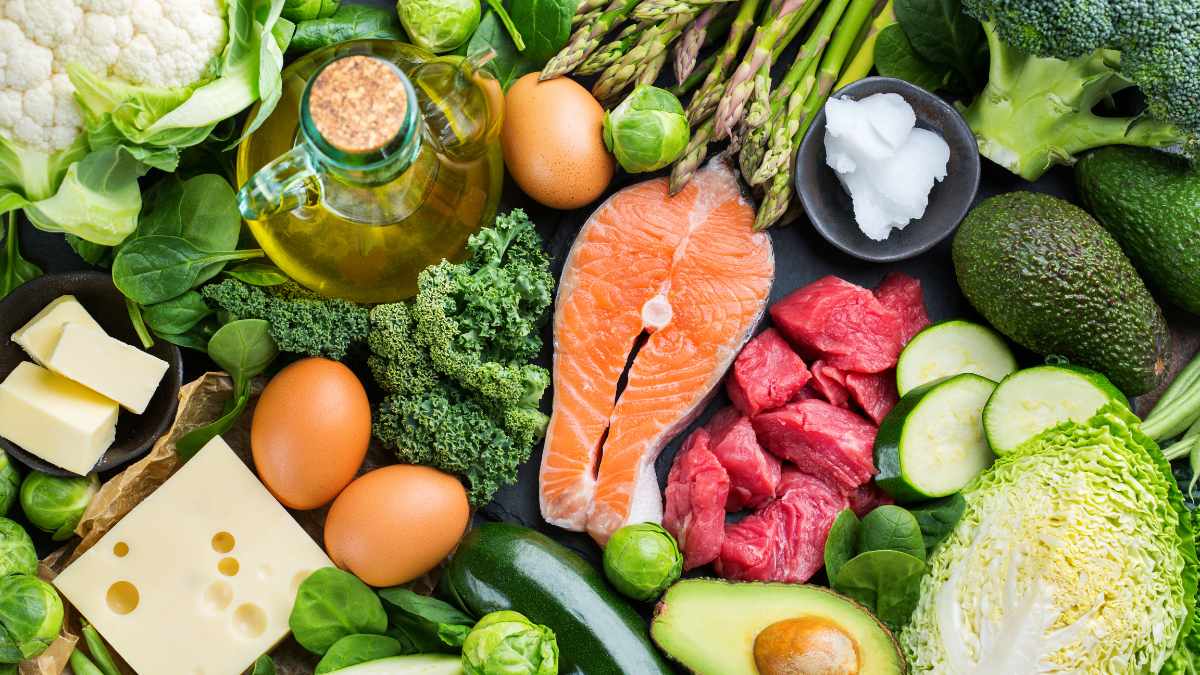
Protein is a cornerstone of low-carb eating, providing essential amino acids that support muscle maintenance and overall health. High-quality protein sources include lean meats, fish, eggs, and dairy products. These foods not only help curb hunger but also contribute to muscle repair and growth.
Poultry, such as chicken and turkey, is an excellent choice for low-carb diets. These meats are versatile and can be prepared in various ways, making them easy to incorporate into meals. Additionally, they are rich in protein and low in fat, especially when skinless.
Fish, particularly fatty varieties like salmon and mackerel, are also highly beneficial. They provide omega-3 fatty acids, which are essential for heart health and have anti-inflammatory properties. Incorporating fish into a low-carb diet can enhance nutrient intake while keeping carbohydrate levels low.
For those who prefer plant-based options, tofu, tempeh, and legumes can serve as protein sources. However, it’s essential to be mindful of the carbohydrate content in legumes, as some can be higher in carbs than others. Balancing these plant-based proteins with low-carb vegetables can create satisfying and nutritious meals.
Healthy Fats to Incorporate in Low-Carb Meal Plans
Healthy fats play a crucial role in a low-carb diet by providing a significant source of energy and helping to keep you satiated. Avocados are an excellent choice, rich in monounsaturated fats, fiber, and various vitamins. They can be added to salads, smoothies, or enjoyed on their own for a nutritious snack.
Nuts and seeds are another great source of healthy fats. Almonds, walnuts, chia seeds, and flaxseeds not only provide essential fatty acids but also offer protein and fiber. These foods can be enjoyed as snacks, added to yogurt, or used in baking low-carb treats.
Olive oil is a staple in many low-carb diets, particularly in Mediterranean cuisine. It is rich in monounsaturated fats and antioxidants, making it a heart-healthy choice. Using olive oil for cooking or as a salad dressing can enhance flavor while keeping meals low in carbohydrates.
Lastly, incorporating coconut oil and butter can also be beneficial. Coconut oil contains medium-chain triglycerides (MCTs), which may support weight loss and provide quick energy. Butter, particularly from grass-fed cows, is a source of healthy fats that can enhance the flavor of various dishes while keeping carbohydrate content low.
Low-Carb Vegetables: Nutrient-Dense Choices Explained
Vegetables are an essential part of a low-carb diet, providing vital nutrients while keeping carbohydrate intake in check. Leafy greens, such as spinach, kale, and lettuce, are incredibly low in carbohydrates and high in vitamins and minerals. They can be used as the base for salads or added to smoothies for a nutrient boost.
Cruciferous vegetables, including broccoli, cauliflower, and Brussels sprouts, are also excellent choices. These vegetables are not only low in carbs but also rich in fiber and antioxidants. They can be roasted, steamed, or incorporated into stir-fries for a satisfying side dish.
Other low-carb vegetables include zucchini, bell peppers, and asparagus. These vegetables are versatile and can be grilled, sautéed, or spiralized to create low-carb pasta alternatives. Including a variety of colorful vegetables in your diet ensures a wide range of nutrients and health benefits.
It’s important to avoid starchy vegetables, such as potatoes, corn, and peas, as they tend to be higher in carbohydrates. Instead, focusing on non-starchy options will help maintain low carb levels while still enjoying the health benefits of vegetables.
Sample Meal Ideas to Optimize Low-Carb Nutrition
Creating meals on a low-carb diet can be both enjoyable and satisfying. For breakfast, consider an omelet filled with spinach, mushrooms, and cheese, served with a side of avocado. This meal is rich in protein and healthy fats while remaining low in carbohydrates.
For lunch, a grilled chicken salad with mixed greens, cherry tomatoes, cucumbers, and a drizzle of olive oil and vinegar can provide a refreshing and nutritious option. The combination of protein and healthy fats will keep you full throughout the day.
Dinner can feature baked salmon with a side of roasted cauliflower and asparagus. This meal is not only low in carbs but also packed with omega-3 fatty acids and essential vitamins. Adding herbs and spices can enhance flavor without adding carbohydrates.
Snacks can include nuts, cheese, or Greek yogurt with berries. These options are convenient, nutritious, and satisfying, making them perfect for maintaining energy levels between meals while adhering to low-carb principles.
Conclusions:
Adopting a low-carb diet can lead to numerous health benefits, including weight loss and improved metabolic health. By focusing on high-quality protein sources, healthy fats, and nutrient-dense low-carb vegetables, individuals can create balanced and satisfying meals. With the right knowledge and meal planning, a low-carb diet can be both enjoyable and effective in achieving dietary goals.
Read more
- Harvard Health Publishing: The Low-Carb Diet – A comprehensive overview of low-carb diets, their benefits, and potential risks.
- Mayo Clinic: Low-Carbohydrate Diets – Insights into the principles of low-carb eating and practical advice.
- Cleveland Clinic: The Benefits of Low-Carb Diets – An exploration of the health benefits associated with low-carb diets.
- Nutrition.gov: Low-Carbohydrate Diets – A government resource providing information on low-carb diets and guidelines.
- American Heart Association: Healthy Eating – Guidance on heart-healthy eating, including low-carb options.