

Introduction:
In the realm of nutrition, carbohydrates often take center stage due to their role as a primary energy source. However, for those seeking to reduce carbohydrate intake—whether for weight management, metabolic health, or specific dietary preferences—understanding which foods contain little to no carbs is essential. This article delves into the concept of zero-carb foods, exploring their sources, benefits, and practical applications in everyday diets.
Understanding Carbohydrates: A Brief Overview and Importance
Carbohydrates are one of the three macronutrients essential for human health, alongside proteins and fats. They are primarily classified into simple and complex carbohydrates, with the former being sugars and the latter including starches and fibers. Carbohydrates serve as a vital energy source, fueling bodily functions and physical activities. However, excessive carbohydrate consumption, particularly from refined sources, can lead to weight gain and metabolic disorders.
The body breaks down carbohydrates into glucose, which is utilized for energy or stored as glycogen in muscles and the liver. While carbohydrates are crucial, not all carbs are created equal. Whole grains, fruits, and vegetables provide essential nutrients and fiber, while highly processed carbohydrates can contribute to health issues. Understanding the importance of carbohydrate quality is key in making informed dietary choices.
In recent years, low-carb diets have gained popularity, particularly among individuals looking to lose weight or manage blood sugar levels. These diets often emphasize the reduction of carbohydrate intake while increasing protein and fat consumption. This shift has sparked interest in foods that contain little to no carbohydrates, leading to a growing demand for zero-carb options.
Ultimately, the goal of reducing carbohydrate intake is not just about eliminating a macronutrient but rather about creating a balanced and healthful diet. By identifying foods that are naturally low or devoid of carbohydrates, individuals can maintain energy levels while adhering to their dietary preferences.
The Science Behind Zero-Carb Foods: What to Know
Zero-carb foods are those that contain negligible amounts of carbohydrates, typically less than 1 gram per serving. These foods are particularly appealing for those following ketogenic or low-carb diets, as they help maintain a state of ketosis, where the body burns fat for fuel instead of carbohydrates. Understanding the nutritional profile of these foods is crucial for effective dietary planning.
The majority of zero-carb foods are derived from animal sources, as animal proteins and fats contain little to no carbohydrates. This includes meats, fish, eggs, and certain dairy products. It is important to note that while these foods may be low in carbohydrates, they can be rich in other nutrients, such as proteins, vitamins, and minerals, which are essential for overall health.
In addition to animal-based foods, certain fats and oils are also considered zero-carb. These include oils such as olive oil, coconut oil, and butter. These fats can be incorporated into meals without adding carbohydrates, making them an excellent choice for those looking to enhance flavor and satiety while keeping carb counts low.
While zero-carb foods can be beneficial, it is essential to maintain a balanced diet that includes a variety of nutrients. Relying solely on zero-carb foods may lead to deficiencies in essential vitamins and minerals found in fruits, vegetables, and whole grains. Therefore, it is important to approach a zero-carb diet with careful planning and consideration.
Animal-Based Foods: Protein Sources with Zero Carbohydrates
Animal-based foods are the cornerstone of a zero-carb diet, providing high-quality protein and essential nutrients without the added carbohydrates. Meats such as beef, pork, lamb, and poultry are all excellent sources of protein, and they contain virtually no carbohydrates. These foods are not only satiating but also rich in essential amino acids, which are crucial for muscle repair and overall health.
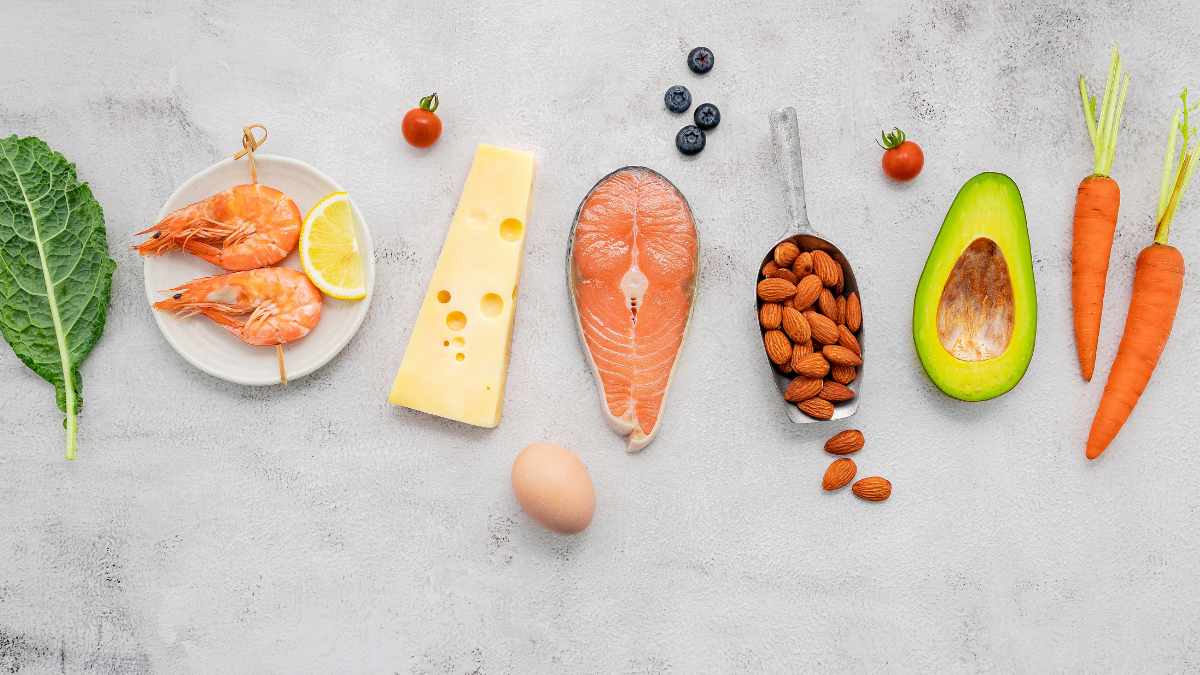
Fish and seafood are also prime examples of zero-carb foods. Varieties such as salmon, tuna, and shrimp are packed with protein and omega-3 fatty acids, which are beneficial for heart health. Additionally, fish is versatile and can be prepared in numerous ways, making it an easy addition to a low-carb diet.
Eggs are another fantastic zero-carb food, offering a complete protein source along with essential vitamins and minerals. They are incredibly versatile, allowing for various cooking methods, from boiling to scrambling. Furthermore, eggs contain healthy fats and are known for their satiating properties, making them an ideal choice for breakfast or snacks.
Dairy products, particularly those that are full-fat and unsweetened, can also be included in a zero-carb diet. Options such as cheese, Greek yogurt, and heavy cream contain minimal carbohydrates while providing calcium and other vital nutrients. However, it is essential to check labels, as some dairy products may contain added sugars that increase carbohydrate content.
Fats and Oils: Exploring Zero-Carb Culinary Options
Fats and oils play a significant role in a zero-carb diet, providing a concentrated source of energy without the carbohydrates. Healthy fats are essential for hormone production, brain function, and overall cellular health. Incorporating a variety of fats into meals can enhance flavor and improve satiety, making it easier to adhere to a low-carb lifestyle.
Common cooking oils such as olive oil, coconut oil, and avocado oil are excellent zero-carb options. These oils can be used for sautéing, roasting, or as dressings, providing a rich flavor without adding carbohydrates. Additionally, they contain beneficial compounds, such as antioxidants and healthy fatty acids, which contribute to overall health.
Butter and ghee are also popular choices in zero-carb cooking. These fats are not only flavorful but also provide a source of fat-soluble vitamins. They can be used in various dishes, from baking to frying, and are often favored in ketogenic recipes for their rich taste and texture.
Nuts and seeds, while not entirely zero-carb, can be included in moderation due to their low carbohydrate content. Options such as macadamia nuts, pecans, and chia seeds are nutrient-dense and provide healthy fats, fiber, and protein. However, portion control is essential, as the carbohydrate content can add up quickly.
Non-Starchy Vegetables: Identifying Low to No Carb Choices
While many vegetables contain carbohydrates, non-starchy vegetables are generally low in carbs and can be included in a zero-carb diet. These vegetables are rich in vitamins, minerals, and antioxidants, making them an essential component of a balanced diet. They can add variety, texture, and flavor to meals without significantly increasing carbohydrate intake.
Leafy greens such as spinach, kale, and lettuce are excellent choices, as they are low in calories and carbohydrates while providing essential nutrients. These greens can be used in salads, smoothies, or as a base for various dishes, offering a wealth of health benefits without the carb load.
Cruciferous vegetables, including broccoli, cauliflower, and Brussels sprouts, are also low in carbohydrates and high in fiber. They can be steamed, roasted, or incorporated into stir-fries, making them versatile additions to any meal. Their high fiber content can aid digestion and promote feelings of fullness.
Other non-starchy vegetables such as zucchini, bell peppers, and asparagus are also low in carbs and can be enjoyed in various culinary preparations. These vegetables not only provide essential nutrients but also contribute to the overall volume of meals, helping to maintain satiety without adding significant carbohydrates.
While incorporating non-starchy vegetables, it is essential to be mindful of portion sizes and preparation methods. Cooking methods that involve added sugars or starches can increase carbohydrate content, so opting for steaming, grilling, or sautéing with healthy fats is recommended.
Practical Applications: Incorporating Zero-Carb Foods in Diets
Incorporating zero-carb foods into daily meals can be a straightforward process with a bit of planning. For breakfast, options such as eggs, bacon, or a protein smoothie made with unsweetened almond milk can provide a satisfying start to the day without the carbs. Experimenting with different cooking methods can keep breakfast exciting and varied.
For lunch and dinner, focusing on protein sources such as grilled chicken, steak, or fish can form the foundation of a zero-carb meal. Pairing these proteins with non-starchy vegetables, such as sautéed spinach or roasted cauliflower, can create a balanced plate that is both nutritious and low in carbohydrates. Utilizing healthy fats, such as olive oil or butter, can enhance flavor and satiety.
Snacking can also be adapted to a zero-carb approach. Options such as cheese slices, hard-boiled eggs, or a handful of nuts can provide quick and satisfying snacks without the carbohydrate content. Preparing snacks in advance can help maintain dietary goals and prevent reaching for higher-carb options.
Lastly, meal planning and preparation are crucial for successfully incorporating zero-carb foods into a diet. Creating a weekly menu that emphasizes protein and non-starchy vegetables can simplify grocery shopping and cooking. By having a clear plan, individuals can make informed choices and stay on track with their dietary goals.
Conclusions:
Understanding and incorporating zero-carb foods into your diet can offer numerous health benefits, particularly for those seeking to manage weight or improve metabolic health. By focusing on animal-based proteins, healthy fats, and non-starchy vegetables, individuals can create satisfying and nutritious meals without the burden of excess carbohydrates. As with any dietary approach, balance and variety are key to ensuring overall health and well-being.
Read more:
- Harvard Health Publishing: The Truth About Carbs – A comprehensive overview of carbohydrates and their role in health.
- Mayo Clinic: Low-Carbohydrate Diets – Insights into low-carb diets and their potential benefits.
- Healthline: The Ultimate Guide to Low-Carb Diets – An extensive guide detailing low-carb eating strategies and food options.
- Cleveland Clinic: What Are Zero-Carb Foods? – A detailed explanation of zero-carb foods and their impact on health.
- Nutrition.gov: Understanding Carbohydrates – A government resource providing information on carbohydrates and dietary recommendations.