
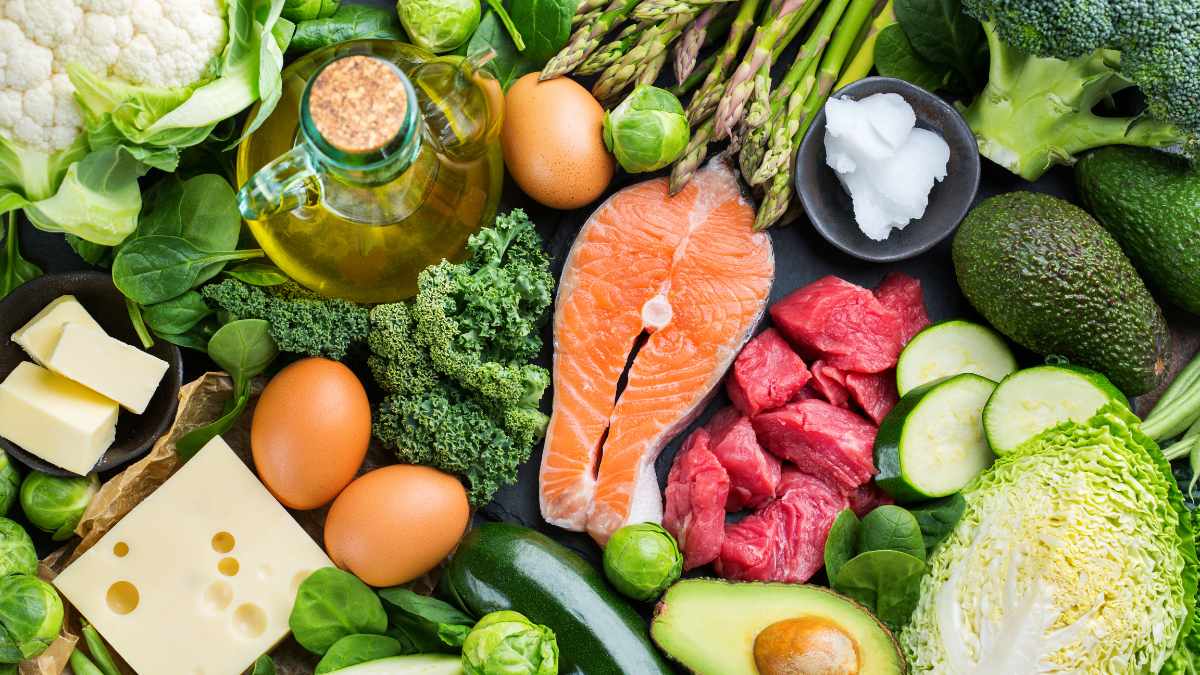

Introduction:
In the realm of nutrition, the balance between macronutrients—proteins, carbohydrates, and fats—plays a pivotal role in maintaining health and wellness. Among these, protein is often lauded for its numerous benefits, including muscle repair, hormone production, and immune function. However, not all protein sources are created equal, especially when it comes to carbohydrate content. This article aims to explore various foods that are rich in protein yet contain little to no carbohydrates, providing valuable insights for those seeking to optimize their dietary choices.
Understanding the Role of Protein in Nutrition
Protein is a fundamental macronutrient essential for the growth, repair, and maintenance of tissues in the body. Composed of amino acids, proteins serve as the building blocks for muscles, enzymes, and hormones. The body requires a constant supply of protein to function optimally, making it crucial for individuals engaged in physical activities or those aiming to lose weight. Incorporating adequate protein into the diet can enhance satiety, thereby reducing overall calorie intake.
Moreover, protein plays a significant role in metabolic processes. It has a higher thermic effect compared to carbohydrates and fats, meaning that the body expends more energy digesting and metabolizing protein. This characteristic can be particularly beneficial for those looking to boost their metabolism and promote fat loss. Understanding the importance of protein can help individuals make informed dietary choices.
The recommended dietary allowance (RDA) for protein varies based on age, sex, and activity level, but it generally ranges from 46 grams per day for women to 56 grams for men. However, many health experts suggest that higher protein intake can be advantageous, especially for those aiming to build muscle or lose weight. Thus, identifying protein sources that are low in carbohydrates can be a strategic approach to achieving specific health and fitness goals.
Lastly, it is essential to consider the quality of protein consumed. Not all protein sources provide the same benefits; some contain essential amino acids that the body cannot synthesize, while others may lack one or more of these critical components. Focusing on high-quality protein sources can significantly impact overall health and well-being.
Identifying Foods High in Protein and Low in Carbohydrates
When searching for foods that are high in protein but low in carbohydrates, it is essential to look beyond traditional protein sources such as meat and dairy. Many foods fit this criterion, offering a variety of options for different dietary preferences. Understanding the carbohydrate content of foods can help individuals make better choices aligned with their nutritional goals.
Animal-based foods are often the most straightforward sources of protein with minimal carbohydrates. Lean meats, poultry, and fish are excellent choices, providing high protein content with negligible carbs. For example, a 3-ounce serving of chicken breast contains approximately 26 grams of protein and less than 1 gram of carbohydrates. Similarly, fish like salmon and tuna offer substantial protein while being virtually carb-free.
In addition to meat and fish, eggs are another versatile and nutrient-dense option. A large egg contains about 6 grams of protein and less than 1 gram of carbohydrates. Eggs are not only high in protein but also rich in essential nutrients such as vitamin D and choline. Incorporating eggs into meals can enhance protein intake without significantly increasing carbohydrate consumption.
For those seeking a more diverse range of options, certain dairy products can also serve as low-carb protein sources. Greek yogurt and cottage cheese are examples of dairy that provide substantial protein while keeping carbohydrates low. Choosing unsweetened varieties can further minimize carb intake, making them suitable for low-carb diets.
Analyzing Animal-Based Protein Sources Without Carbs
Animal-based protein sources are often the most effective way to obtain high-quality protein with minimal carbohydrates. Meat, poultry, and fish are not only rich in protein but also provide essential nutrients such as iron, zinc, and B vitamins. For instance, beef is an excellent source of protein, with a 3-ounce serving containing around 22 grams of protein and virtually no carbohydrates.
Pork is another protein-rich option, particularly cuts like pork loin or tenderloin, which are low in fat and carbohydrates. A 3-ounce serving of cooked pork can provide about 24 grams of protein. Additionally, organ meats such as liver are nutrient-dense and offer high protein content with minimal carbs.
Fish and seafood are also significant contributors to a low-carb, high-protein diet. Fatty fish like mackerel and sardines not only provide protein but also healthy omega-3 fatty acids. A 3-ounce serving of mackerel can contain approximately 20 grams of protein and is virtually carbohydrate-free. Shellfish, such as shrimp and crab, are also excellent options, providing substantial protein with minimal carbs.
Finally, incorporating poultry into the diet can further enhance protein intake. Chicken and turkey are lean meats that are versatile and easy to prepare. A 3-ounce serving of turkey breast contains about 25 grams of protein and less than 1 gram of carbohydrates. These animal-based protein sources are not only effective for muscle building but also support overall health.
Exploring Plant-Based Options for Protein and Zero Carbs
While animal-based sources are often the most recognized for their protein content, there are also plant-based options that can provide protein with minimal carbohydrates. Tofu and tempeh are two popular soy products that are rich in protein and low in carbs. Tofu, for instance, contains about 10 grams of protein per half-cup serving and only 2 grams of carbohydrates, making it an excellent choice for vegetarians and vegans.
Seitan, made from wheat gluten, is another high-protein, low-carb option. A 3-ounce serving of seitan can provide approximately 21 grams of protein with minimal carbohydrates. It can be used in various dishes as a meat substitute, appealing to those following a plant-based diet.
Certain nuts and seeds, while generally higher in fats, can also contribute to protein intake without significantly increasing carbohydrate consumption. For example, hemp seeds contain about 9 grams of protein per 3 tablespoons and only 1 gram of carbohydrates. However, it is essential to consume them in moderation due to their calorie density.
Lastly, protein powders derived from plants, such as pea protein or hemp protein, can be an effective way to boost protein intake while keeping carbohydrates low. These supplements can be added to smoothies or baked goods, providing a convenient option for those looking to increase their protein consumption. By exploring these plant-based options, individuals can diversify their protein sources while adhering to low-carb dietary preferences.
The Importance of Amino Acids in Protein-Rich Foods
Amino acids are the building blocks of proteins, and they play a crucial role in various bodily functions. There are 20 different amino acids, nine of which are classified as essential, meaning they must be obtained through the diet. Consuming high-quality protein sources ensures that the body receives all the essential amino acids needed for optimal health.
Animal-based protein sources are generally considered complete proteins, meaning they contain all nine essential amino acids. This makes them particularly valuable for muscle repair and growth. For instance, meat, fish, eggs, and dairy products provide a comprehensive amino acid profile, supporting various physiological processes.
In contrast, many plant-based protein sources are often incomplete, lacking one or more essential amino acids. However, by combining different plant foods, such as beans and rice or nuts and seeds, individuals can create a complete amino acid profile. This approach is particularly beneficial for those following vegetarian or vegan diets, ensuring they receive adequate nutrition.
The role of amino acids extends beyond muscle health; they are also involved in neurotransmitter production, immune function, and hormone regulation. For example, the amino acid tryptophan is a precursor to serotonin, a neurotransmitter that regulates mood. Therefore, including a variety of protein sources in the diet can contribute to overall well-being.
Ultimately, understanding the importance of amino acids in protein-rich foods can guide individuals in making informed dietary choices. By prioritizing high-quality protein sources, they can ensure they are meeting their amino acid needs and supporting their health.
Practical Tips for Incorporating Low-Carb Protein Foods
Incorporating low-carb protein foods into your diet can be a straightforward process with a few strategic approaches. Meal planning is an effective way to ensure that you have a variety of protein-rich foods on hand. By preparing meals in advance, you can avoid reaching for high-carb options when hunger strikes.
One practical tip is to focus on incorporating lean meats, fish, and eggs into your meals. These foods can be easily grilled, baked, or scrambled, providing quick and nutritious options. Consider preparing a large batch of grilled chicken or baked salmon at the beginning of the week to use in salads, wraps, or as a main dish.
Additionally, exploring different cooking methods can enhance the flavor and appeal of low-carb protein foods. For example, marinating meats or using spices can add depth to your meals without adding carbohydrates. Incorporating a variety of cooking techniques can make low-carb eating more enjoyable and sustainable.
For those who enjoy snacking, consider keeping high-protein snacks readily available. Nuts, seeds, and cheese can provide quick protein boosts without significant carbs. Additionally, protein shakes made with low-carb protein powder can serve as convenient snacks or meal replacements, especially for those with busy lifestyles.
Finally, staying informed about food labels can help you make better choices when shopping for groceries. Understanding the nutritional content of various foods allows you to identify low-carb protein sources effectively. By being mindful of your choices, you can create a balanced diet that supports your health and fitness goals.
Conclusions:
In summary, understanding the importance of protein and its role in nutrition is essential for making informed dietary choices. By identifying various foods that are high in protein and low in carbohydrates, individuals can optimize their diets to meet their specific health goals. Both animal-based and plant-based protein sources offer a range of options, ensuring that everyone can find suitable foods to include in their meals.
Moreover, recognizing the significance of amino acids in protein-rich foods further emphasizes the need for a balanced approach to protein consumption. By incorporating practical tips for including low-carb protein foods into daily routines, individuals can enhance their overall health and well-being.
Read more:
- Healthline – Protein: Why Your Body Needs It – A comprehensive overview of protein’s role in the body and dietary recommendations.
- Mayo Clinic – Protein: How Much Do You Need? – Detailed information on protein requirements and sources.
- NutritionData – Protein Foods – A resource for exploring various protein foods and their nutritional content.
- Harvard Health – The Importance of Protein – Insights into the significance of protein in a balanced diet.
- Verywell Fit – Low-Carb Protein Sources – A guide to various low-carb protein sources and their benefits.