

Se hai un abbonamento attivo ACCEDI QUI
Introduction:
When it comes to weight loss, particularly in the abdominal area, nighttime eating habits can significantly influence your success. Many people are unsure about what to eat at night, often falling into the trap of unhealthy snacking or skipping meals altogether. Understanding the science behind nighttime eating and making informed choices can help you achieve your goals. This article will explore the best practices for nighttime eating, focusing on key nutrients, ideal foods, portion sizes, timing, and a sample meal plan to guide you toward losing belly fat effectively.
Understanding the Science of Nighttime Eating Habits
Nighttime eating habits can have a profound impact on your metabolism and overall fat loss. Research indicates that the body processes food differently at night compared to during the day. This is largely due to circadian rhythms, which influence metabolic rates and hormone levels. When you eat late at night, your body may be less efficient at utilizing those calories, leading to increased fat storage, particularly in the abdominal area.
Additionally, late-night eating is often associated with poor food choices, as many people opt for high-calorie, low-nutrient snacks. This can lead to a cycle of overeating and weight gain. Understanding your body’s natural rhythms can help you make better choices about when and what to eat. By focusing on nutrient-dense foods in appropriate portions, you can support your metabolism and promote fat loss even during nighttime hours.
Moreover, nighttime eating can be influenced by psychological factors, such as stress or boredom. Emotional eating often leads to the consumption of unhealthy foods. Recognizing these triggers is crucial in developing healthier eating habits. By addressing the psychological aspects of nighttime eating, you can create a more conducive environment for fat loss.
Lastly, the timing and composition of your meals can affect your sleep quality. Poor sleep is linked to weight gain and increased belly fat. Therefore, understanding how your nighttime eating habits impact your sleep can help you make better choices that support both fat loss and overall well-being.
Key Nutrients That Promote Fat Loss Overnight
Certain nutrients play a pivotal role in promoting fat loss, especially during the night. Protein is one of the most important nutrients for fat loss. Consuming protein-rich foods can help increase satiety, reduce hunger hormones, and boost metabolism. Foods like Greek yogurt, cottage cheese, or lean meats are excellent choices for nighttime snacks.
Another vital nutrient is fiber, which aids in digestion and helps keep you feeling full longer. High-fiber foods such as fruits, vegetables, and whole grains can be beneficial. Incorporating these foods into your evening meals can help regulate blood sugar levels and prevent late-night cravings.
Healthy fats are also essential for promoting fat loss. Incorporating sources of unsaturated fats, such as avocados, nuts, and olive oil, can enhance satiety. These fats can help your body absorb fat-soluble vitamins and provide sustained energy, making them a smart choice for nighttime consumption.
Lastly, hydration plays a crucial role in fat loss. Staying hydrated can help curb unnecessary snacking and support metabolic processes. Drinking water or herbal teas in the evening can aid digestion and promote a sense of fullness, further supporting your fat loss efforts.
Foods to Avoid Before Bed for Optimal Fat Loss
Certain foods can hinder your fat loss efforts when consumed at night. High-sugar snacks and desserts are some of the worst offenders. These foods can lead to spikes in blood sugar, resulting in increased hunger and cravings later in the night. Instead of reaching for cookies or candy, opt for healthier alternatives that satisfy your sweet tooth without the excess sugar.
Another category to avoid is processed foods high in unhealthy fats. Fast food, chips, and other snacks often contain trans fats and preservatives that can contribute to weight gain. These foods not only provide empty calories but can also disrupt your metabolism, making it harder to lose belly fat.
Caffeine is another substance to be cautious about in the evening. Consuming caffeinated beverages late in the day can interfere with sleep quality. Poor sleep is linked to weight gain, so it’s best to avoid coffee, energy drinks, and certain teas in the hours leading up to bedtime.
Lastly, large meals should be avoided close to bedtime. Eating heavy meals can lead to discomfort and indigestion, disrupting your sleep. Instead, focus on lighter meals that are easier to digest while still providing essential nutrients for fat loss.
Ideal Portion Sizes for Nighttime Meals and Snacks
Understanding portion sizes is crucial for nighttime eating. Overeating, even healthy foods, can lead to unwanted weight gain. A general guideline for nighttime meals is to keep portions smaller than those consumed during the day. Aim for a balanced plate that includes protein, healthy fats, and fiber-rich carbohydrates in moderation.
For snacks, a serving size of protein-rich foods like Greek yogurt should be around one cup, while nuts should be limited to a small handful. This helps to maintain a caloric deficit while still providing necessary nutrients. Additionally, incorporating fruits or vegetables as snacks can add volume without excessive calories.
It’s also important to listen to your body’s hunger signals. Eating mindfully can help you recognize when you’re genuinely hungry versus eating out of habit or boredom. This practice can prevent overeating and help you make more conscious choices about portion sizes.
Lastly, consider using smaller plates or bowls for your nighttime meals. This psychological trick can help you feel satisfied with smaller portions. By creating the illusion of a full plate, you can enjoy your meals without the risk of consuming excess calories.
Timing Your Evening Meals for Maximum Fat Loss
The timing of your evening meals plays a significant role in fat loss. Eating too close to bedtime can disrupt sleep and hinder your metabolism. Ideally, aim to finish your last meal at least two to three hours before going to bed. This allows your body to digest the food properly and minimizes the risk of indigestion.
If you find yourself hungry before bed, consider a light snack instead of a full meal. Choose options that are low in calories but high in nutrients, such as a small serving of cottage cheese or a piece of fruit. This can help satisfy your hunger without compromising your fat loss goals.
Another important aspect is consistency. Establishing a regular eating schedule can help regulate your body’s internal clock. By eating at the same times each day, you can improve your metabolism and reduce late-night cravings.
Lastly, be mindful of your overall daily caloric intake. Tracking your meals can help you stay within your desired caloric range. This practice can ensure that your nighttime eating habits align with your fat loss goals, making it easier to achieve long-term success.
Sample Meal Plan for Nighttime Fat Loss Success
Creating a sample meal plan can provide a practical guide for nighttime eating. For dinner, consider a grilled chicken breast with steamed broccoli and quinoa. This meal is high in protein and fiber, promoting satiety and fat loss.
For an evening snack, opt for a small bowl of Greek yogurt topped with berries and a sprinkle of chia seeds. This combination offers protein, healthy fats, and antioxidants, making it an ideal choice. If you’re still hungry, a handful of almonds or a sliced apple can be a satisfying addition.
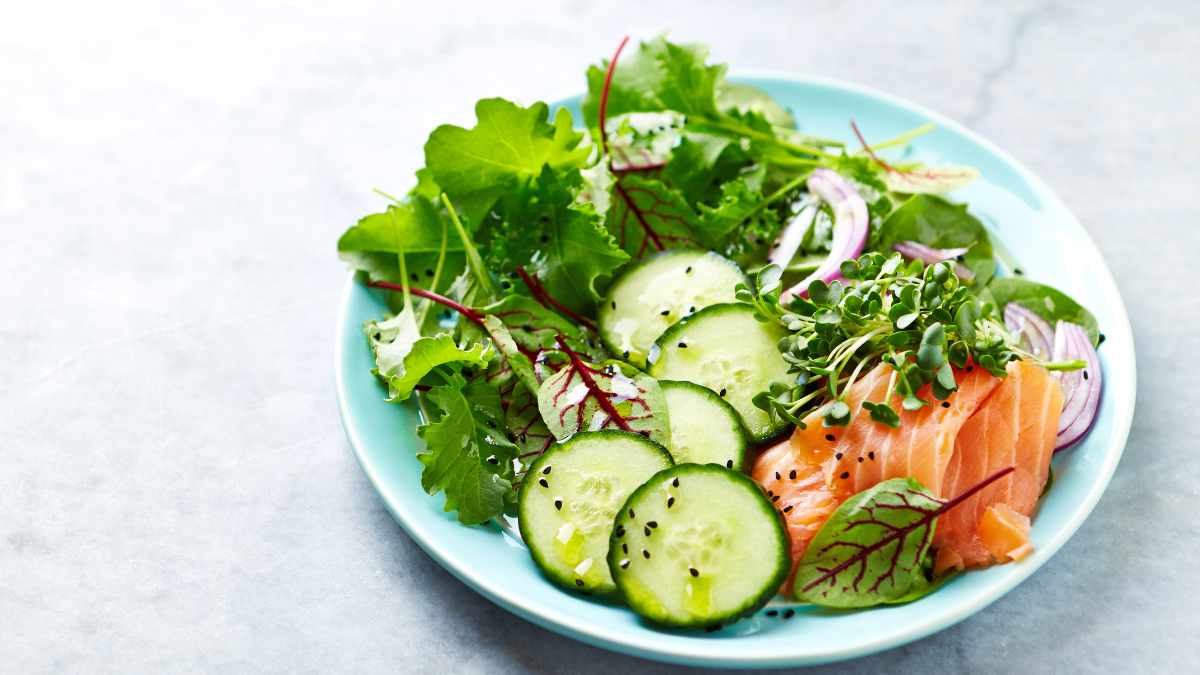
On days when you prefer a lighter meal, a salad with mixed greens, cherry tomatoes, avocado, and a lean protein source like salmon can be a great option. Drizzle with olive oil and lemon juice for added flavor and healthy fats.
Lastly, remember to stay hydrated throughout the evening. Herbal teas, such as chamomile or peppermint, can be soothing and help curb late-night cravings. This meal plan provides a balanced approach to nighttime eating, ensuring you stay on track with your fat loss goals.
Conclusions:
In summary, making informed choices about what to eat at night can significantly impact your efforts to lose belly fat. By understanding the science behind nighttime eating, focusing on key nutrients, avoiding certain foods, managing portion sizes, timing your meals effectively, and following a sample meal plan, you can create a sustainable approach to nighttime eating that supports your fat loss goals. Remember, consistency is key, and small changes can lead to significant results over time.
Read more
- Nutrition and Circadian Rhythms – A comprehensive review of how circadian rhythms affect metabolism and nutrition.
- The Role of Protein in Weight Loss – An article discussing the importance of protein in weight management.
- Fiber and Weight Loss: A Review – Insights into how fiber contributes to satiety and weight loss.
- Effects of Sleep on Weight Loss – A study exploring the relationship between sleep quality and weight management.
- Mindful Eating and Weight Management – An article detailing how mindful eating can aid in achieving weight loss goals.