
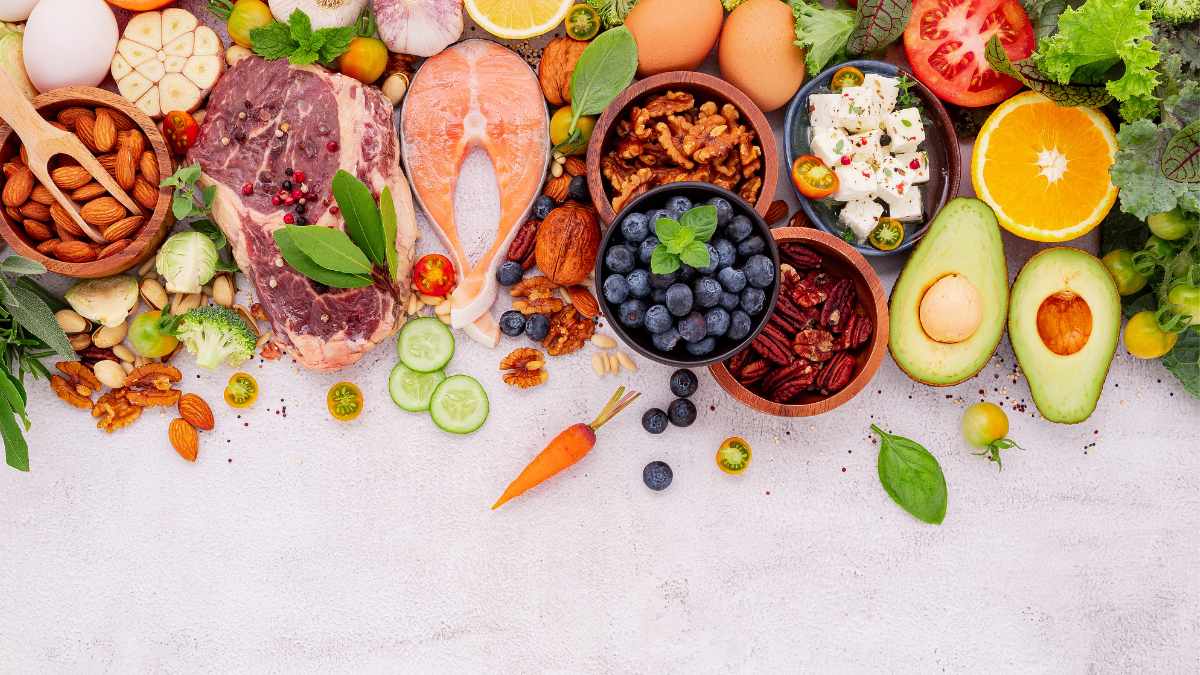

Introduction:
In the realm of nutrition, carbohydrates often take center stage, being both a primary energy source and a subject of debate among health enthusiasts. With the rise of low-carb diets, many individuals are seeking snack options that align with their dietary preferences. Understanding the nuances of carbohydrates and identifying snack foods that contain little to no carbs can significantly impact one’s health and wellness journey. This article delves into the world of zero-carb snacks, exploring their nutritional profiles, health implications, and practical incorporation into daily diets.
Understanding Carbohydrates: The Basics of Snack Foods
Carbohydrates are one of the three macronutrients essential for human health, alongside proteins and fats. They are primarily classified into simple carbohydrates, which are sugars, and complex carbohydrates, which are found in starches and fibers. When consumed, carbohydrates are broken down into glucose, providing energy for bodily functions. However, excessive carbohydrate intake can lead to weight gain and metabolic disorders, prompting many to seek alternatives, especially in snack foods.
Snack foods, often viewed as convenient and quick sources of energy, can vary widely in their carbohydrate content. Traditional snacks like chips, cookies, and candies are typically high in carbohydrates, leading to spikes in blood sugar levels. In contrast, low-carb or zero-carb snacks are becoming increasingly popular as people aim to maintain stable energy levels and support weight management. Understanding the carbohydrate content of these snacks is crucial for making informed dietary choices.
The growing awareness of the impact of carbohydrates on health has led to a surge in low-carb diets, such as the ketogenic diet, which emphasizes high-fat and moderate-protein intake while minimizing carbohydrate consumption. This dietary shift has spurred interest in identifying snack foods that align with these principles, pushing consumers to explore alternatives that are both satisfying and low in carbs.
In summary, a solid understanding of carbohydrates is essential for anyone looking to modify their snack choices. By recognizing the types of carbohydrates present in various foods, individuals can make informed decisions that align with their health goals and dietary preferences.
The Importance of Low-Carb Diets in Nutrition Science
Low-carb diets have gained significant traction in nutrition science, supported by a growing body of research that highlights their potential benefits. Studies suggest that reducing carbohydrate intake can lead to weight loss, improved blood sugar control, and enhanced metabolic health. These diets often focus on whole foods, emphasizing nutrient-dense options while minimizing processed carbohydrates.
One of the primary mechanisms behind low-carb diets is their ability to promote ketosis, a metabolic state where the body burns fat for fuel instead of carbohydrates. This process not only aids in weight loss but also provides a more stable source of energy, reducing the likelihood of energy crashes often associated with high-carb snacks. As a result, many individuals report increased satiety and reduced cravings when adopting a low-carb approach.
Furthermore, low-carb diets have been linked to improvements in various health markers, including triglyceride levels, HDL cholesterol, and insulin sensitivity. These benefits have led to the adoption of low-carb principles not only for weight management but also for the prevention and management of chronic diseases such as type 2 diabetes and cardiovascular conditions.
In conclusion, the significance of low-carb diets in nutrition science cannot be overstated. As more individuals seek to improve their health through dietary modifications, understanding the role of carbohydrates and the benefits of low-carb snacks becomes increasingly relevant.
Identifying Snack Foods with Zero Carbohydrate Content
Identifying snack foods that contain zero carbohydrates can be a challenge, particularly in a market saturated with processed options. However, several natural and minimally processed foods fit the bill. Foods such as beef jerky, cheese, and hard-boiled eggs are excellent choices, as they provide protein and healthy fats without the added carbohydrates found in many conventional snacks.
Another category of zero-carb snacks includes certain vegetables, particularly non-starchy options like celery and cucumbers. While these vegetables do contain trace amounts of carbohydrates, their overall content is negligible, making them suitable for low-carb diets. Pairing these vegetables with high-fat dips, such as guacamole or cream cheese, can enhance their flavor while maintaining a low carbohydrate count.
Nuts and seeds are often considered low-carb snacks, but it’s essential to be cautious, as many varieties contain moderate amounts of carbohydrates. However, options like macadamia nuts and pecans are lower in carbs compared to others, making them a viable choice for those seeking to minimize carbohydrate intake.
Lastly, various protein bars and snacks marketed as "low-carb" can be found on the market, but it’s crucial to read labels carefully. Some products may contain hidden sugars or high-carb ingredients that can undermine dietary goals. Opting for whole foods is often the best strategy for ensuring zero-carb snacking.
Nutritional Profiles of Popular Zero-Carb Snack Options
When evaluating the nutritional profiles of zero-carb snacks, it’s essential to consider not only carbohydrate content but also the overall nutrient density of these foods. For instance, beef jerky is a popular high-protein snack that typically contains no carbohydrates. It is rich in protein, iron, and zinc, making it an excellent option for muscle maintenance and overall health. However, consumers should be mindful of sodium levels, as many jerky products can be high in salt.
Cheese is another fantastic zero-carb snack, offering a rich source of calcium and protein. Varieties such as cheddar, mozzarella, and cream cheese are particularly low in carbohydrates. Cheese can also provide healthy fats, which contribute to satiety and can help maintain energy levels throughout the day. However, moderation is key, as cheese can be calorie-dense.
Hard-boiled eggs are a nutrient powerhouse, providing high-quality protein, essential vitamins, and healthy fats. They contain virtually no carbohydrates, making them an ideal snack for those following a low-carb diet. Additionally, the versatility of hard-boiled eggs allows for various preparations, such as deviled eggs or egg salads, to enhance flavor without adding carbs.
Lastly, non-starchy vegetables like celery and cucumbers offer hydration and fiber, which are beneficial for digestive health. While they contain minimal carbohydrates, their low-caloric density makes them an excellent choice for snacking without compromising dietary goals. Pairing these vegetables with high-fat dips can create a satisfying and nutritious snack.
Health Implications of Consuming No-Carb Snacks
The consumption of zero-carb snacks can have several health implications, particularly for individuals looking to manage their weight or improve metabolic health. By minimizing carbohydrate intake, individuals may experience reduced insulin levels, which can aid in fat loss and improve overall metabolic function. This is particularly beneficial for those with insulin resistance or type 2 diabetes, as lower carbohydrate consumption can lead to better blood sugar control.
Moreover, zero-carb snacks often emphasize protein and healthy fats, which can promote feelings of fullness and reduce overall caloric intake. This satiety can help individuals avoid the temptation of high-carb snacks that may lead to overeating. Additionally, the inclusion of protein-rich snacks can support muscle maintenance and repair, especially for those engaged in regular physical activity.
However, it’s essential to approach zero-carb snacking with caution. While eliminating carbohydrates can have benefits, a balanced diet that includes a variety of nutrients is crucial for overall health. Relying solely on zero-carb snacks may lead to deficiencies in essential vitamins and minerals typically found in carbohydrate-rich foods, such as fruits and whole grains.
In summary, while zero-carb snacks can offer several health benefits, they should be consumed as part of a balanced diet. Individuals should strive to incorporate a variety of foods that provide essential nutrients while aligning with their dietary preferences.
Practical Tips for Incorporating Low-Carb Snacks Daily
Incorporating low-carb snacks into your daily routine can be both enjoyable and straightforward. One effective strategy is to plan ahead by preparing snacks in advance. For instance, hard-boiled eggs can be made in batches and stored in the refrigerator for a quick grab-and-go option. Similarly, pre-cut vegetables paired with high-fat dips can be prepared at the beginning of the week, ensuring that healthy snacks are readily available.
Another tip is to experiment with different flavors and combinations. For example, pairing cheese with olives or nuts can create a satisfying snack that offers a variety of textures and tastes. Additionally, using herbs and spices to season zero-carb snacks can enhance flavor without adding carbohydrates.
It can also be beneficial to keep a variety of zero-carb snacks on hand to prevent boredom. Stocking your pantry and refrigerator with options such as beef jerky, cheese, and nuts can provide flexibility and choice, making it easier to stick to low-carb snacking.
Lastly, being mindful of portion sizes is crucial. While zero-carb snacks can be healthy, they can also be calorie-dense. Paying attention to serving sizes can help maintain a balanced intake and prevent excessive caloric consumption. By implementing these practical tips, individuals can successfully incorporate low-carb snacks into their daily diets.
Conclusions:
In conclusion, the exploration of zero-carb snacks reveals a wealth of options that can align with various dietary preferences and health goals. Understanding the role of carbohydrates in nutrition and the benefits of low-carb diets provides a solid foundation for making informed snack choices. By identifying popular zero-carb snack options, examining their nutritional profiles, and considering health implications, individuals can enhance their dietary practices. Practical tips for incorporating these snacks into daily routines further empower individuals to take charge of their health and well-being.
Read more:
- Healthline – Low-Carb Diets: The Ultimate Guide – A comprehensive overview of low-carb diets, including their benefits and potential drawbacks.
- Mayo Clinic – Low-Carbohydrate Diet: Is It Right for You? – An informative article discussing the implications of low-carb diets on health.
- Nutrition.gov – Carbohydrates: The Good, The Bad, and The Ugly – A resource providing insights into the different types of carbohydrates and their effects on health.
- Harvard Health – The Truth About Carbs – An article that clarifies common misconceptions about carbohydrates and their role in nutrition.
- Verywell Fit – The Best Low-Carb Snacks – A curated list of low-carb snack options, including their nutritional benefits and preparation tips.