
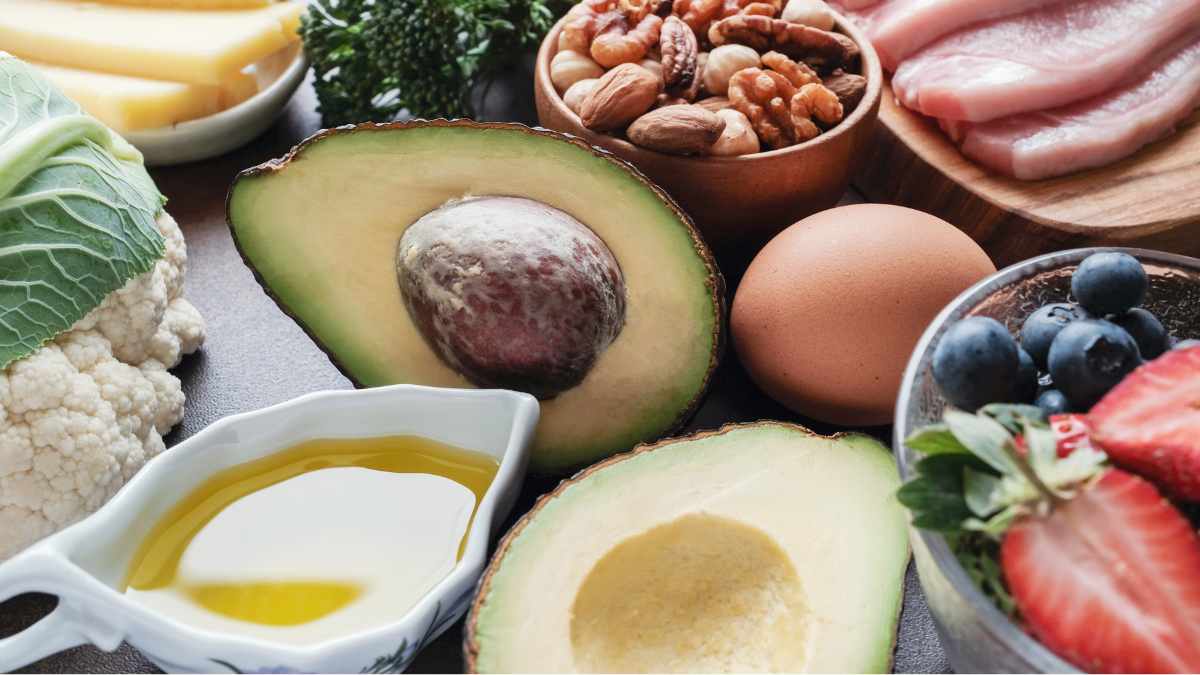

Introduction:
Carbohydrates are one of the three macronutrients essential for human health, alongside proteins and fats. They serve as a primary energy source for the body, but not all carbohydrates are created equal. Some people choose to limit their carbohydrate intake for various reasons, including weight loss, managing diabetes, or improving overall health. In this article, we will explore foods that contain no carbohydrates, their nutritional profiles, and how they fit into a low-carb diet. We will also discuss the implications of consuming zero-carb foods and provide practical tips for incorporating them into your meals.
Understanding Carbohydrates: A Brief Overview
Carbohydrates can be classified into three main categories: sugars, starches, and fiber. Sugars are simple carbohydrates that are quickly absorbed by the body, providing a rapid source of energy. Starches are complex carbohydrates that take longer to digest, offering a more sustained energy release. Fiber, on the other hand, is a type of carbohydrate that the body cannot digest, but it plays a crucial role in digestive health.
The body breaks down carbohydrates into glucose, which is then used for energy or stored for later use. However, excessive carbohydrate consumption can lead to weight gain and other health issues, prompting many to seek low-carb or no-carb dietary options. Understanding the different types of carbohydrates and their effects on the body is essential for making informed dietary choices.
While carbohydrates are a vital energy source, not all individuals require the same amount. Factors such as age, activity level, and metabolic health can influence carbohydrate needs. Some people may thrive on a low-carb diet, while others may find it challenging to sustain. This variability highlights the importance of personalized nutrition and understanding one’s unique dietary requirements.
In recent years, low-carb diets have gained popularity, with many individuals reporting benefits such as weight loss and improved metabolic health. However, it is crucial to approach these diets with caution and ensure that nutritional needs are met through other food sources.
Identifying Foods with Zero Carbohydrate Content
Foods that contain no carbohydrates are primarily animal-based products. Meat, poultry, and fish are excellent examples of zero-carb foods. These protein-rich foods provide essential amino acids necessary for muscle repair and overall health without contributing to carbohydrate intake. Common options include beef, chicken, turkey, pork, and various types of fish, such as salmon and tuna.
In addition to meats, certain dairy products can also be classified as having negligible carbohydrates. For instance, hard cheeses like cheddar and parmesan contain minimal amounts of carbs, making them suitable for low-carb diets. Additionally, some full-fat dairy options, such as heavy cream, can be included in a no-carb regimen.
Eggs are another versatile food that contains virtually no carbohydrates. They are rich in protein and healthy fats, making them a staple in many low-carb diets. Eggs can be prepared in various ways, providing flexibility in meal planning.
Finally, fats and oils are also devoid of carbohydrates. This includes options like olive oil, coconut oil, and butter, which can be used for cooking or as toppings for meats and vegetables. Incorporating these fats into meals can enhance flavor while keeping carbohydrate intake at bay.
Nutritional Profiles of Common Zero-Carb Foods
The nutritional profiles of zero-carb foods vary significantly, but they generally share high protein and fat content. For example, a typical serving of beef contains approximately 22 grams of protein and 10 grams of fat, with negligible carbohydrates. This makes it an excellent choice for those seeking to maintain muscle mass while following a low-carb diet.
Fish, such as salmon, is not only rich in protein but also provides beneficial omega-3 fatty acids, which are essential for heart health. A 3-ounce serving of salmon contains about 22 grams of protein and 10 grams of fat, with virtually no carbohydrates. This combination of nutrients makes fish a valuable addition to a zero-carb meal plan.
Eggs, often hailed as a nutritional powerhouse, contain about 6 grams of protein and 5 grams of fat per large egg, with no carbohydrates. They are also a good source of vitamins and minerals, including vitamin B12 and selenium, making them a well-rounded food choice for those avoiding carbs.
Dairy products like hard cheese offer a unique nutritional profile, providing protein and calcium while being low in carbohydrates. For instance, a 1-ounce serving of cheddar cheese contains about 7 grams of protein and 9 grams of fat, with less than 1 gram of carbohydrates. This makes cheese an excellent option for adding flavor and nutrition to meals without increasing carb intake.
The Role of Protein and Fats in Low-Carb Diets
In a low-carb diet, protein and fats become the primary sources of energy. Protein is crucial for maintaining muscle mass, supporting immune function, and facilitating various metabolic processes. When carbohydrates are limited, the body begins to utilize protein for energy, especially during periods of fasting or intense exercise.
Fats play a significant role in providing sustained energy in a low-carb diet. When carbohydrate intake is reduced, the body enters a state of ketosis, where it burns fat for fuel instead of glucose. This metabolic shift can lead to increased fat oxidation and weight loss, making fats an essential component of low-carb eating.
While protein and fats are beneficial, it is important to choose high-quality sources. Lean meats, fatty fish, and plant-based fats like avocados and nuts can provide essential nutrients while keeping carbohydrate intake low. Balancing protein and fat intake can help maintain energy levels and support overall health.
However, it is essential to be mindful of portion sizes and overall caloric intake, as excessive consumption of fats can lead to weight gain, even in a low-carb diet. Monitoring macronutrient ratios and ensuring a variety of food sources can help achieve a balanced and sustainable low-carb lifestyle.
Health Implications of Consuming No-Carb Foods
Adopting a no-carb or extremely low-carb diet can have both positive and negative health implications. On the positive side, many individuals report weight loss, improved blood sugar control, and increased energy levels when reducing carbohydrate intake. This can be particularly beneficial for those with insulin resistance or type 2 diabetes.
However, eliminating carbohydrates entirely can lead to potential nutrient deficiencies, as many carbohydrate-rich foods are also sources of essential vitamins, minerals, and fiber. Fruits, vegetables, and whole grains provide important nutrients that support overall health and well-being. Therefore, it is crucial to ensure that other food groups are included to meet nutritional needs.
Moreover, some individuals may experience side effects, such as fatigue, headaches, or digestive issues, when transitioning to a low-carb diet. This phenomenon, often referred to as the "keto flu," can occur as the body adjusts to using fat for fuel instead of carbohydrates. Staying hydrated and ensuring adequate electrolyte intake can help mitigate these symptoms.
Long-term adherence to a no-carb diet may also raise concerns regarding heart health, particularly if high amounts of saturated fats are consumed. It is essential to focus on healthy fat sources and maintain a balanced diet to support cardiovascular health while following a low-carb regimen.
Practical Tips for Incorporating Zero-Carb Foods
Incorporating zero-carb foods into your diet can be straightforward with a few practical tips. First, plan your meals around protein sources such as meats, fish, and eggs. Preparing meals in advance can help ensure that you have convenient options on hand, reducing the temptation to reach for high-carb snacks.
Experimenting with different cooking methods can also enhance the enjoyment of zero-carb foods. Grilling, baking, or sautéing meats and vegetables can add flavor and variety to your meals. Additionally, using herbs and spices can elevate the taste of dishes without adding carbohydrates.
When shopping for groceries, focus on the perimeter of the store, where fresh produce, meats, and dairy products are typically located. This strategy can help you avoid processed foods that often contain hidden sugars and carbohydrates. Reading food labels is essential for identifying products that align with your dietary goals.
Finally, consider incorporating low-carb snacks into your routine. Options such as hard-boiled eggs, cheese slices, or beef jerky can provide convenient and satisfying choices between meals. Keeping these snacks readily available can help you stay on track with your low-carb lifestyle.
Conclusions:
Understanding which foods contain no carbohydrates can empower individuals to make informed dietary choices. While zero-carb foods can provide essential nutrients and support specific health goals, it is crucial to approach these diets with balance and mindfulness. By incorporating a variety of protein and fat sources, individuals can enjoy the benefits of a low-carb lifestyle while ensuring their nutritional needs are met.
Read more
-
Harvard Health Publishing – The Truth About Carbs
This article provides an overview of carbohydrates, their types, and their role in a balanced diet. -
Mayo Clinic – Low-Carbohydrate Diet: What You Need to Know
A comprehensive guide to low-carb diets, including potential benefits and risks. -
Cleveland Clinic – Ketogenic Diet: Pros and Cons
An exploration of the ketogenic diet, its health implications, and practical tips for implementation. -
American Heart Association – Healthy Eating
A resource for understanding the importance of a balanced diet, including the role of carbohydrates. -
Nutrition.gov – Carbohydrates
This site provides a detailed look at carbohydrates, their functions, and dietary recommendations.