

Se hai un abbonamento attivo ACCEDI QUI
Introduction: The Mediterranean diet is renowned for its health benefits, including reduced risk of chronic diseases and improved longevity. Central to this diet are not just the primary foods but also the condiments that enhance flavor and nutritional value. This article delves into the acceptable condiments on the Mediterranean diet, highlighting their roles and benefits.
Overview of Mediterranean Diet Principles
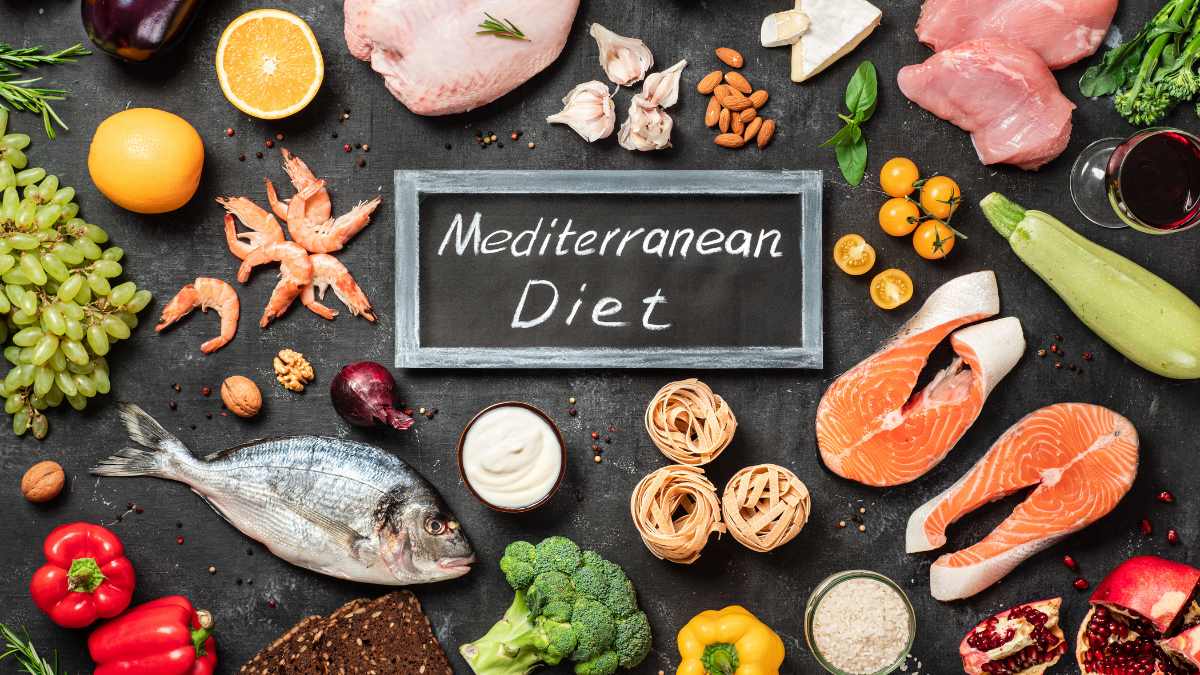
The Mediterranean diet is based on the traditional eating habits of countries bordering the Mediterranean Sea, such as Greece, Italy, and Spain. This diet emphasizes whole, minimally processed foods, including fruits, vegetables, whole grains, legumes, nuts, and seeds. It also includes moderate consumption of fish and poultry, while red meat is consumed sparingly.
Central to the Mediterranean diet is the high intake of healthy fats, particularly from olive oil, which is a staple in this dietary pattern. Dairy products are consumed in moderation, primarily in the form of cheese and yogurt. Wine, especially red wine, is consumed in moderation, typically with meals.
The diet also emphasizes the importance of enjoying meals with family and friends, promoting a sense of community and well-being. Physical activity is another crucial component, as it complements the dietary habits and contributes to overall health.
The Mediterranean diet is not just about specific foods but also about a holistic approach to eating and living. This includes mindful eating, savoring flavors, and paying attention to hunger and satiety cues. The diet’s flexibility allows for a variety of foods and flavors, making it sustainable and enjoyable.
Scientific research has consistently shown that the Mediterranean diet can lead to numerous health benefits, including reduced risk of heart disease, stroke, diabetes, and certain cancers. It is also associated with improved mental health and cognitive function.
Importance of Condiments in Mediterranean Diet
Condiments play a crucial role in the Mediterranean diet, enhancing the flavor and nutritional profile of dishes without adding excessive calories or unhealthy ingredients. They are often derived from natural sources and are rich in antioxidants, vitamins, and minerals.
Olive oil, for instance, is more than just a cooking medium; it is a source of monounsaturated fats and polyphenols, which have anti-inflammatory and antioxidant properties. These compounds contribute to heart health and may reduce the risk of chronic diseases.
Vinegars, particularly balsamic and red wine vinegar, are used to add acidity and depth to dishes. They contain acetic acid, which has been shown to improve blood sugar levels and aid digestion. Additionally, vinegars are low in calories, making them a healthy choice for flavor enhancement.
Herbs and spices are integral to Mediterranean cuisine, providing not only flavor but also health benefits. For example, oregano, basil, and rosemary are rich in essential oils and antioxidants, which can help reduce inflammation and improve overall health.
Low-sodium sauces and dressings are also important, as they allow for flavor without the negative health impacts of high sodium intake. These condiments often use herbs, spices, and healthy fats to create delicious and nutritious options.
Incorporating a variety of condiments can make meals more enjoyable and satisfying, encouraging adherence to the Mediterranean diet. They allow for creativity in the kitchen, enabling individuals to experiment with different flavors and textures.
Olive Oil: The Gold Standard Condiment
Olive oil is often referred to as the gold standard condiment in the Mediterranean diet due to its numerous health benefits and versatility. It is rich in monounsaturated fats, particularly oleic acid, which has been shown to reduce inflammation and improve heart health.
Extra virgin olive oil (EVOO) is the highest quality olive oil, extracted using mechanical means without chemical treatment. It retains more natural antioxidants and vitamins compared to other types of olive oil, making it the preferred choice in the Mediterranean diet.
EVOO contains polyphenols, which are powerful antioxidants that protect the body from oxidative stress and inflammation. These compounds have been linked to a reduced risk of chronic diseases, including heart disease, cancer, and neurodegenerative disorders.
Olive oil is also a source of vitamin E, a fat-soluble antioxidant that protects cell membranes from damage. This vitamin is essential for maintaining healthy skin and eyes and supports the immune system.
In the Mediterranean diet, olive oil is used in various ways, from drizzling over salads and vegetables to cooking and baking. Its rich, fruity flavor enhances the taste of dishes while providing health benefits.
Research has shown that regular consumption of olive oil can improve lipid profiles, reduce blood pressure, and lower the risk of cardiovascular events. It is a key component of the Mediterranean diet’s health-promoting properties.
Vinegar Varieties and Their Health Benefits
Vinegar is a staple condiment in the Mediterranean diet, valued for its tangy flavor and health benefits. There are several varieties of vinegar used in Mediterranean cuisine, each with unique properties and uses.
Balsamic vinegar, made from reduced grape must, is known for its rich, sweet flavor and dark color. It is often used in salad dressings, marinades, and glazes. Balsamic vinegar contains polyphenols and acetic acid, which have antioxidant and antimicrobial properties.
Red wine vinegar, made from fermented red wine, is another popular choice. It has a robust flavor and is commonly used in vinaigrettes and sauces. Red wine vinegar contains resveratrol, a compound found in red wine that has been linked to heart health benefits.
Apple cider vinegar, while not traditional to the Mediterranean region, is sometimes used for its health benefits. It contains acetic acid, which can help regulate blood sugar levels and improve digestion. It is often used in dressings and marinades.
White wine vinegar, made from fermented white wine, has a milder flavor compared to red wine vinegar. It is used in lighter dishes, such as seafood and poultry, where a subtle acidity is desired. Like other vinegars, it contains beneficial compounds that support health.
Vinegar’s acetic acid content has been shown to have several health benefits, including improving insulin sensitivity, reducing blood sugar levels, and aiding weight loss. It can also enhance the absorption of minerals from foods, such as calcium and magnesium.
Incorporating a variety of vinegars into the Mediterranean diet can add depth and complexity to dishes while providing health benefits. They are low in calories and can be used to create flavorful, nutritious meals.
Herbs and Spices: Flavor Enhancers and Health Boosters
Herbs and spices are essential components of the Mediterranean diet, offering both flavor and health benefits. They are used generously in Mediterranean cuisine, enhancing the taste of dishes while providing a range of nutrients and bioactive compounds.
Oregano is a staple herb in Mediterranean cooking, known for its strong, aromatic flavor. It contains carvacrol and thymol, compounds with antimicrobial and anti-inflammatory properties. Oregano is often used in tomato-based dishes, grilled meats, and salads.
Basil is another popular herb, particularly in Italian cuisine. It is rich in essential oils, such as eugenol, which have anti-inflammatory and antioxidant effects. Basil is commonly used in pesto, sauces, and as a garnish for various dishes.
Rosemary is a fragrant herb that pairs well with roasted meats and vegetables. It contains rosmarinic acid, which has been shown to reduce inflammation and improve digestion. Rosemary is also used in marinades and infused oils.
Spices like cumin, coriander, and turmeric are also used in Mediterranean cooking. Cumin has a warm, earthy flavor and is known for its digestive benefits. Coriander has a citrusy flavor and contains antioxidants that support overall health. Turmeric, with its active compound curcumin, has powerful anti-inflammatory and antioxidant properties.
Parsley is a versatile herb used in many Mediterranean dishes, from tabbouleh to sauces. It is rich in vitamins A, C, and K, and contains flavonoids that have antioxidant effects. Parsley can be used fresh or dried to add a burst of flavor and nutrition.
Incorporating a variety of herbs and spices into the Mediterranean diet not only enhances the flavor of dishes but also provides numerous health benefits. They are low in calories and can help reduce the need for added salt and sugar, making meals healthier.
Acceptable Low-Sodium Sauces and Dressings
Low-sodium sauces and dressings are important in the Mediterranean diet, as they help enhance flavor without the negative health impacts of high sodium intake. Excessive sodium consumption is linked to high blood pressure and an increased risk of heart disease.
Tahini, made from ground sesame seeds, is a popular condiment in Mediterranean cuisine. It is rich in healthy fats, protein, and minerals like calcium and magnesium. Tahini can be used in dressings, dips, and sauces, adding a creamy texture and nutty flavor.
Hummus, a blend of chickpeas, tahini, lemon juice, and garlic, is another staple. It is high in protein and fiber, making it a nutritious choice. Hummus can be used as a dip, spread, or dressing, providing a savory flavor without added sodium.
Tzatziki, a yogurt-based sauce with cucumber, garlic, and herbs, is commonly used in Greek cuisine. It is low in sodium and provides probiotics, which support gut health. Tzatziki is often served with grilled meats, vegetables, and pita bread.
Pesto, made from basil, pine nuts, garlic, Parmesan cheese, and olive oil, is a flavorful sauce that can be used in pasta dishes, sandwiches, and as a marinade. It is low in sodium and rich in healthy fats and antioxidants.
Salsa verde, a green sauce made from parsley, capers, garlic, and olive oil, is used in Italian and Spanish cuisine. It is low in sodium and adds a fresh, tangy flavor to dishes. Salsa verde can be used as a dressing, dip, or sauce for meats and vegetables.
Creating homemade dressings using olive oil, vinegar, and herbs is another way to control sodium intake while enjoying flavorful meals. These dressings can be customized to suit individual tastes and dietary needs.
Conclusion: The Mediterranean diet is not only about the primary foods but also the condiments that enhance flavor and nutrition. Olive oil, vinegars, herbs, spices, and low-sodium sauces and dressings play a crucial role in this dietary pattern. By incorporating these condiments, individuals can enjoy delicious, nutritious meals while reaping the health benefits of the Mediterranean diet.
Read More…
-
Harvard T.H. Chan School of Public Health – The Nutrition Source: Mediterranean Diet
- This source provides a comprehensive overview of the Mediterranean diet, including its health benefits and key components.
-
Mayo Clinic – Mediterranean Diet: A Heart-Healthy Eating Plan
- This article discusses the principles of the Mediterranean diet and its impact on heart health.
-
American Heart Association – Olive Oil and Heart Health
- This source highlights the benefits of olive oil for heart health, including research findings.
-
National Center for Biotechnology Information (NCBI) – Health Benefits of Vinegar
- This research article explores the various health benefits of vinegar, including its impact on blood sugar levels and digestion.
-
PubMed – Antioxidant Properties of Herbs and Spices
- This study examines the antioxidant properties of common herbs and spices used in the Mediterranean diet.