

Se hai un abbonamento attivo ACCEDI QUI
Introduction: Almond milk, a plant-based milk alternative, has been gaining popularity worldwide, particularly within the context of the Mediterranean diet. Known for its health benefits and sustainability, almond milk serves as an excellent substitute for dairy milk. This article delves into the various aspects of almond milk, including its nutritional profile, health benefits, and how it can be integrated into daily meals. Additionally, we will compare almond milk with dairy milk and discuss the sustainability of almond milk production.
Introduction to Almond Milk in Mediterranean Diet
Almond milk, derived from ground almonds and water, has been a staple in Mediterranean cuisine for centuries. Its origins can be traced back to the Middle Ages when it was a popular beverage in the Mediterranean region due to its long shelf life compared to dairy milk. Today, almond milk is celebrated not only for its historical significance but also for its alignment with the principles of the Mediterranean diet.
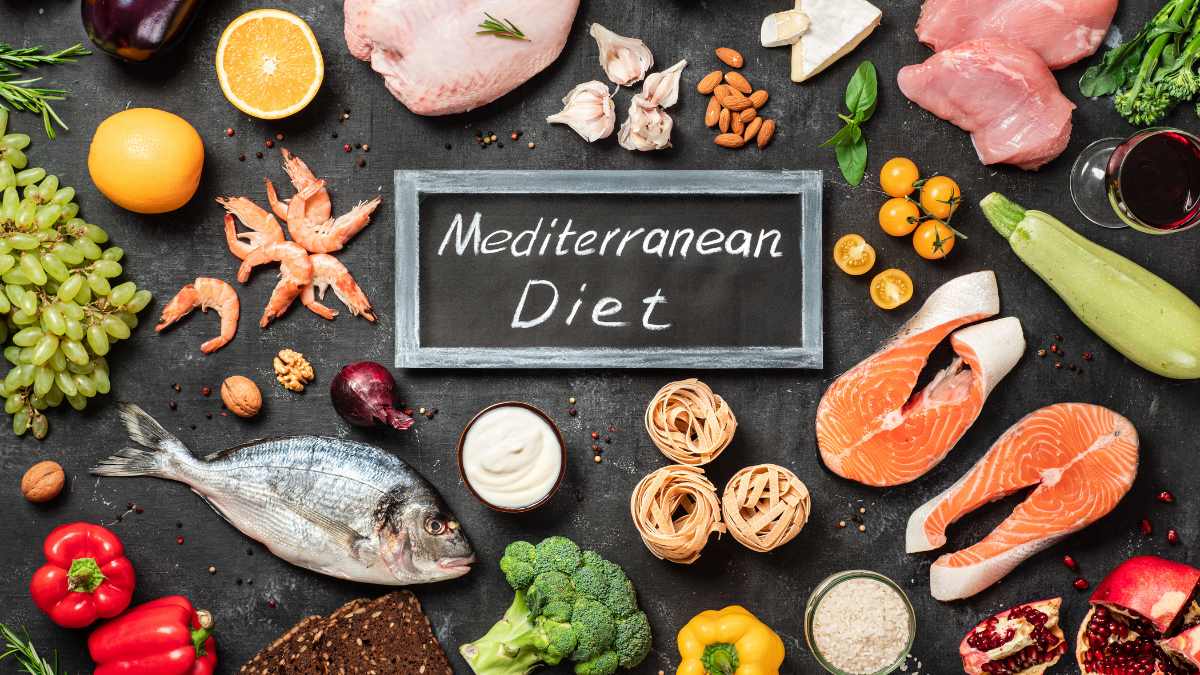
The Mediterranean diet emphasizes plant-based foods, healthy fats, and lean proteins, making almond milk a fitting addition. This diet is renowned for its health benefits, including reduced risks of cardiovascular diseases, improved cognitive function, and enhanced longevity. Almond milk, with its low calorie and fat content, complements these benefits, making it an ideal choice for those adhering to this dietary pattern.
Moreover, almond milk is naturally lactose-free, making it suitable for individuals with lactose intolerance or those seeking to reduce dairy consumption. Its versatility allows it to be used in various culinary applications, from smoothies and coffee to sauces and baked goods, seamlessly integrating into the Mediterranean diet.
The Mediterranean diet also emphasizes the consumption of whole, minimally processed foods. Almond milk, particularly when homemade or sourced from brands that avoid additives and preservatives, aligns well with this principle. It provides a clean, plant-based option that supports overall health and well-being.
Furthermore, almond milk is rich in vitamins and minerals, contributing to the nutrient density of the Mediterranean diet. It is a good source of vitamin E, magnesium, and calcium, which are essential for maintaining healthy skin, bones, and overall bodily functions.
In summary, almond milk’s historical roots, nutritional profile, and versatility make it a valuable component of the Mediterranean diet. Its alignment with the diet’s principles and health benefits further solidify its place in this renowned dietary pattern.
Nutritional Profile of Almond Milk
Almond milk boasts a unique nutritional profile that sets it apart from other milk alternatives. One of its most notable characteristics is its low calorie content. A typical serving of unsweetened almond milk contains only 30-50 calories, making it an excellent choice for those looking to manage their caloric intake without sacrificing flavor or nutrition.
In addition to being low in calories, almond milk is also low in fat. Most of the fat present in almond milk is unsaturated, which is beneficial for heart health. This makes it a suitable option for individuals aiming to reduce their intake of saturated fats, commonly found in dairy milk.
Almond milk is a rich source of vitamin E, an antioxidant that helps protect cells from oxidative damage. A single serving can provide up to 50% of the recommended daily intake of vitamin E, supporting skin health, immune function, and overall well-being.
Calcium is another essential nutrient found in fortified almond milk. While almonds themselves are not particularly high in calcium, many commercial almond milk products are fortified to provide comparable calcium levels to dairy milk. This fortification helps support bone health and prevent conditions like osteoporosis.
Magnesium, a mineral involved in over 300 biochemical reactions in the body, is also present in almond milk. It plays a crucial role in muscle function, nerve signaling, and energy production. A serving of almond milk can contribute to meeting the daily magnesium requirements, promoting overall health.
Lastly, almond milk is naturally lactose-free and contains no cholesterol, making it a heart-healthy alternative to dairy milk. Its nutrient profile, combined with its low calorie and fat content, makes almond milk a nutritionally advantageous choice for those following the Mediterranean diet.
Health Benefits of Almond Milk
Almond milk offers a plethora of health benefits, making it a valuable addition to any diet, particularly the Mediterranean diet. One of the primary benefits is its potential to support heart health. The unsaturated fats in almond milk can help reduce bad cholesterol levels, thereby lowering the risk of cardiovascular diseases.
The high vitamin E content in almond milk acts as a powerful antioxidant, protecting cells from damage caused by free radicals. This antioxidant property can help reduce inflammation and support overall immune function, contributing to better health and disease prevention.
For individuals with lactose intolerance, almond milk serves as an excellent alternative to dairy milk. It provides a similar creamy texture and can be used in various recipes without causing digestive discomfort. This makes it easier for lactose-intolerant individuals to enjoy milk-based dishes without adverse effects.
Almond milk is also beneficial for those looking to manage their weight. Its low calorie content means that it can be consumed without significantly impacting daily caloric intake. Additionally, the healthy fats and protein in almond milk can help promote satiety, reducing the likelihood of overeating.
Bone health is another area where almond milk can make a positive impact. Fortified almond milk contains calcium and vitamin D, both of which are essential for maintaining strong bones. Regular consumption can help prevent bone-related issues such as osteoporosis, particularly in older adults.
Lastly, almond milk can contribute to better skin health. The vitamin E in almond milk helps to nourish and protect the skin from oxidative stress, promoting a healthy, youthful appearance. Regular consumption can lead to improved skin texture and reduced signs of aging.
Integrating Almond Milk into Daily Meals
Incorporating almond milk into daily meals is both easy and versatile, making it a seamless addition to the Mediterranean diet. One of the simplest ways to start is by using almond milk as a base for smoothies. Its creamy texture and mild flavor blend well with fruits, vegetables, and other ingredients, creating nutritious and delicious beverages.
Almond milk can also be used as a substitute for dairy milk in coffee and tea. Its ability to froth makes it an excellent choice for lattes and cappuccinos, providing a dairy-free alternative that doesn’t compromise on taste or texture. This can be particularly beneficial for those looking to reduce their dairy intake without giving up their favorite beverages.
In cooking, almond milk can replace dairy milk in a variety of recipes. It can be used in soups, sauces, and casseroles, adding a creamy consistency without the added calories and fat of dairy milk. For example, almond milk can be used to create a rich and velvety béchamel sauce, perfect for Mediterranean dishes like moussaka or lasagna.
Baking with almond milk is another excellent way to integrate it into daily meals. It can be used in place of dairy milk in recipes for cakes, muffins, and bread, providing a moist and tender crumb. Almond milk can also be used to make dairy-free versions of traditional Mediterranean desserts, such as rice pudding or custard.
For breakfast, almond milk can be poured over cereals or used to make oatmeal. Its mild flavor complements a variety of grains and can be enhanced with the addition of fruits, nuts, and spices. This creates a nutritious and satisfying start to the day, aligning with the principles of the Mediterranean diet.
Lastly, almond milk can be enjoyed on its own as a refreshing beverage. Whether served chilled or warmed with a touch of honey and cinnamon, it provides a delicious and nutritious option for those seeking a dairy-free alternative. Its versatility and ease of use make almond milk a valuable addition to daily meals.
Comparing Almond Milk with Dairy Milk
When comparing almond milk with dairy milk, several key differences emerge, each with its own set of advantages and disadvantages. One of the most notable differences is the calorie content. Unsweetened almond milk typically contains fewer calories than dairy milk, making it a suitable option for those looking to reduce their caloric intake.
In terms of fat content, almond milk is generally lower in saturated fats compared to dairy milk. Most of the fat in almond milk is unsaturated, which is beneficial for heart health. On the other hand, dairy milk contains higher levels of saturated fats, which can contribute to increased cholesterol levels and a higher risk of cardiovascular diseases.
Protein content is another area where dairy milk has an advantage. Dairy milk is a rich source of high-quality protein, providing essential amino acids needed for muscle growth and repair. Almond milk, however, contains significantly less protein, which may be a consideration for those relying on milk as a primary protein source.
Lactose intolerance is a common issue that affects many individuals. Almond milk is naturally lactose-free, making it a suitable alternative for those who cannot digest lactose found in dairy milk. This can help prevent digestive discomfort and other symptoms associated with lactose intolerance.
Nutrient fortification is another factor to consider. While dairy milk naturally contains calcium and vitamin D, many commercial almond milk products are fortified with these nutrients to provide similar benefits. This fortification helps support bone health and overall well-being, making almond milk a viable alternative to dairy milk.
Lastly, the environmental impact of almond milk production is generally lower than that of dairy milk. Almond milk production requires less land and generates fewer greenhouse gas emissions compared to dairy farming. However, it is important to note that almond cultivation requires significant water resources, which can have environmental implications, particularly in regions prone to drought.
Sustainability and Almond Milk Production
The sustainability of almond milk production is a topic of growing interest, particularly as consumers become more environmentally conscious. One of the primary advantages of almond milk production is its lower greenhouse gas emissions compared to dairy milk. Almond trees absorb carbon dioxide, helping to offset some of the emissions associated with their cultivation and processing.
Land use is another area where almond milk production has an advantage. Almond trees require less land than dairy farming, which involves raising and feeding livestock. This reduced land use can help preserve natural habitats and reduce deforestation, contributing to overall environmental sustainability.
However, water usage is a significant concern in almond milk production. Almond trees require a substantial amount of water, particularly during the growing season. This can be problematic in regions prone to drought or where water resources are already scarce. Sustainable water management practices are essential to mitigate the environmental impact of almond cultivation.
Efforts are being made to improve the sustainability of almond milk production. Some almond growers are adopting more efficient irrigation techniques, such as drip irrigation, to reduce water usage. Additionally, research is being conducted to develop drought-resistant almond varieties that require less water.
Another aspect of sustainability is the use of by-products from almond milk production. The almond pulp left over after milk extraction can be used in various applications, such as animal feed, compost, or as an ingredient in baked goods. This helps reduce waste and makes the production process more sustainable.
Lastly, consumers can contribute to the sustainability of almond milk by choosing products from brands that prioritize environmentally friendly practices. This includes selecting almond milk made from sustainably sourced almonds and supporting companies that invest in sustainable agriculture and production methods.
Conclusion: Almond milk is a versatile and nutritious alternative to dairy milk that aligns well with the principles of the Mediterranean diet. Its low calorie and fat content, combined with its rich nutrient profile, make it a valuable addition to a healthy diet. While there are some environmental concerns associated with its production, efforts are being made to improve sustainability. By making informed choices, consumers can enjoy the benefits of almond milk while minimizing its environmental impact.
Read More…
-
Harvard T.H. Chan School of Public Health – The Nutrition Source: This source provides comprehensive information on the nutritional benefits of almonds and almond-based products, including almond milk.
-
Mayo Clinic – Almond Milk: Benefits and Considerations: This article from Mayo Clinic offers insights into the health benefits and potential drawbacks of consuming almond milk.
-
Environmental Working Group – Almond Milk and Sustainability: The EWG provides detailed reports on the environmental impact of almond milk production, including water usage and sustainable farming practices.
-
National Osteoporosis Foundation – Calcium and Vitamin D in Almond Milk: This resource discusses the importance of calcium and vitamin D for bone health and how fortified almond milk can contribute to meeting daily requirements.
-
American Heart Association – Plant-Based Milks and Heart Health: The AHA explores the cardiovascular benefits of plant-based milks, including almond milk, and provides guidelines for incorporating them into a heart-healthy diet.