

Introduction:
The Mediterranean diet is celebrated for its health benefits and emphasis on whole, minimally processed foods. This dietary pattern, rooted in the traditional eating habits of countries bordering the Mediterranean Sea, includes a variety of fruits, vegetables, whole grains, legumes, nuts, and healthy fats, particularly olive oil. As individuals explore the components of this diet, one common question arises: Are bananas included in the Mediterranean diet? To answer this, we must first understand the core principles of the Mediterranean diet, analyze the nutritional profile of bananas, and evaluate their role within this dietary framework.
Understanding the Mediterranean Diet: Key Components Explained
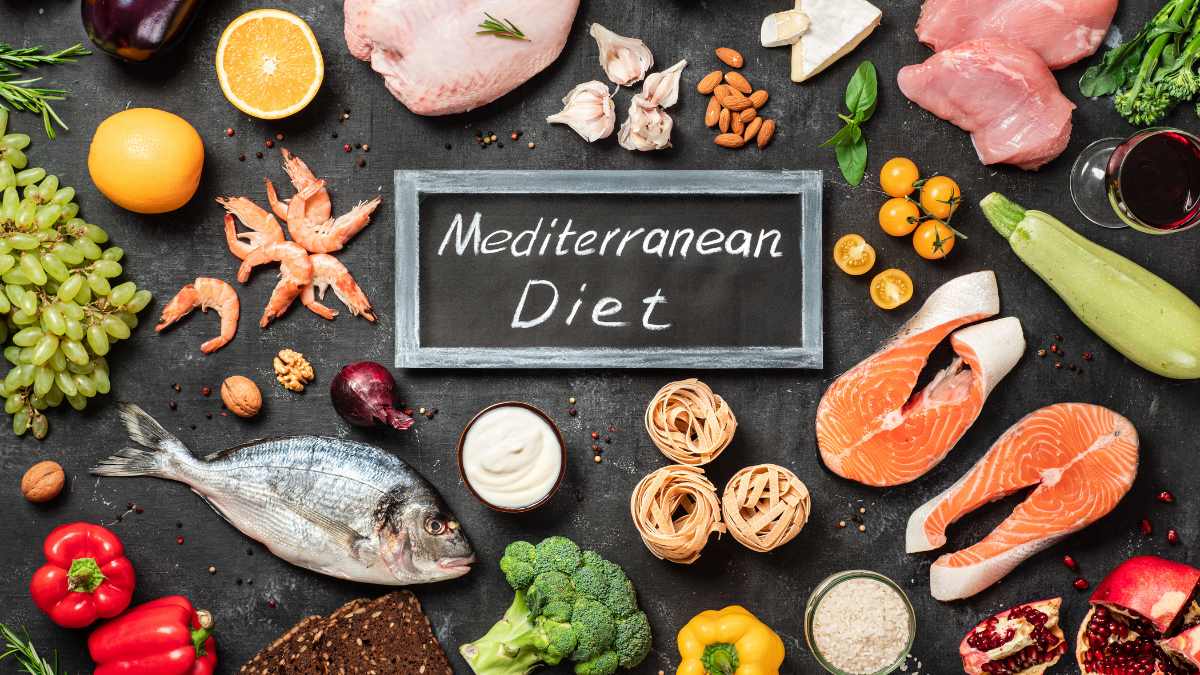
The Mediterranean diet is characterized by its focus on whole foods and a strong emphasis on plant-based ingredients. Central to this diet are fruits and vegetables, which provide essential vitamins, minerals, and antioxidants. Whole grains, such as whole wheat bread, brown rice, and barley, serve as primary sources of carbohydrates, offering sustained energy and fiber. Legumes, including lentils and chickpeas, are also staples, providing protein and additional fiber.
Another key component is the inclusion of healthy fats, particularly from olive oil, which is rich in monounsaturated fats. These fats are known to support heart health and reduce inflammation. Additionally, the Mediterranean diet encourages the consumption of fish and seafood, which are excellent sources of omega-3 fatty acids. Red meat is consumed sparingly, while dairy products, particularly yogurt and cheese, are included in moderation.
The Mediterranean diet is not just about food choices; it also emphasizes lifestyle factors such as social interactions and physical activity. Meals are often enjoyed with family and friends, promoting a sense of community and well-being. This holistic approach to eating and living contributes to the overall health benefits associated with the Mediterranean diet.
Finally, the Mediterranean diet is flexible and adaptable, allowing for a variety of foods based on regional availability and personal preferences. This adaptability raises the question of whether bananas, a tropical fruit, fit within this dietary framework.
Nutritional Profile of Bananas: A Detailed Analysis
Bananas are a nutrient-dense fruit that provides a range of essential vitamins and minerals. A medium-sized banana contains approximately 105 calories, making it a low-calorie snack option. They are particularly high in potassium, with one banana providing about 422 mg, which is crucial for maintaining healthy blood pressure and proper muscle function.
In addition to potassium, bananas are a good source of vitamin C, vitamin B6, and dietary fiber. Vitamin C acts as an antioxidant, supporting the immune system, while vitamin B6 plays a vital role in brain health and metabolism. The fiber content in bananas, primarily in the form of pectin, aids digestion and contributes to feelings of fullness, which can be beneficial for weight management.
Bananas also contain natural sugars, primarily fructose, glucose, and sucrose, which provide a quick source of energy. This makes them an ideal snack for athletes or those needing a rapid energy boost. However, the sugar content may raise concerns for individuals monitoring their carbohydrate intake, particularly those with diabetes.
Overall, the nutritional profile of bananas highlights their role as a healthy, convenient food option. However, their inclusion in the Mediterranean diet must be evaluated in the context of overall dietary patterns and individual health goals.
Bananas in the Context of Mediterranean Dietary Patterns
While bananas are not native to the Mediterranean region, they can still be incorporated into the Mediterranean diet. The diet’s emphasis on variety and flexibility allows for the inclusion of fruits that are not traditionally grown in the area, including bananas. This adaptability aligns with the Mediterranean diet’s principle of enjoying a wide range of foods to ensure a balanced intake of nutrients.
In Mediterranean countries, bananas are often available in supermarkets and markets, reflecting their global popularity. They can be enjoyed fresh, added to smoothies, or used in desserts, making them a versatile fruit that complements many dishes. Furthermore, bananas can serve as a convenient snack option, aligning with the Mediterranean diet’s focus on whole, minimally processed foods.
However, it is essential to consider the overall balance of the diet. While bananas can be included, they should not replace other fruits that are more traditional to the Mediterranean region, such as oranges, figs, and grapes. These fruits provide unique flavors and nutrients that contribute to the diet’s health benefits.
Ultimately, the inclusion of bananas in the Mediterranean diet reflects the broader principle of embracing diverse foods while maintaining a focus on health and well-being. As long as they are consumed in moderation and alongside a variety of other fruits and vegetables, bananas can fit seamlessly into this dietary pattern.
Health Benefits of Bananas: A Mediterranean Perspective
From a health perspective, bananas offer several benefits that align with the principles of the Mediterranean diet. The high potassium content in bananas supports cardiovascular health by helping to regulate blood pressure. This is particularly important in the context of the Mediterranean diet, which emphasizes heart-healthy foods and lifestyle choices.
Moreover, the dietary fiber found in bananas aids in digestive health, promoting regular bowel movements and preventing constipation. Fiber is a key component of the Mediterranean diet, which is rich in plant-based foods. By including bananas, individuals can enhance their fiber intake, contributing to overall digestive wellness.
Bananas are also a source of antioxidants, which help combat oxidative stress and inflammation in the body. This aligns with the Mediterranean diet’s focus on foods rich in antioxidants, such as fruits, vegetables, and whole grains. The anti-inflammatory properties of bananas may further support the diet’s potential to reduce the risk of chronic diseases, including heart disease and diabetes.
Additionally, the natural sugars in bananas provide a quick energy source, making them an excellent choice for pre- or post-workout snacks. This aligns with the Mediterranean lifestyle, which encourages physical activity and a balanced approach to nutrition.
Potential Drawbacks of Including Bananas in the Diet
Despite their many benefits, there are potential drawbacks to consider when including bananas in the Mediterranean diet. One concern is their relatively high sugar content compared to other fruits. For individuals with diabetes or those monitoring their sugar intake, consuming bananas in moderation is crucial to avoid spikes in blood sugar levels.
Another consideration is the calorie content of bananas. While they are low in calories compared to many processed snacks, they are still higher in calories than some other fruits, such as berries or melons. For those aiming for weight loss or calorie restriction, it is essential to account for the caloric contribution of bananas within the overall dietary context.
Additionally, bananas are often transported from tropical regions, which may raise concerns about their environmental impact and sustainability. The Mediterranean diet emphasizes local and seasonal foods, so relying heavily on imported bananas may not align with this principle. Opting for locally grown fruits when available can help maintain the diet’s sustainability focus.
Lastly, some individuals may experience digestive discomfort from consuming bananas, particularly if they are sensitive to certain fibers or sugars. It is essential to listen to one’s body and adjust fruit intake accordingly to ensure a comfortable and enjoyable dietary experience.
Conclusions: Bananas and Their Role in Mediterranean Eating
In conclusion, bananas can indeed play a role in the Mediterranean diet, provided they are consumed in moderation and as part of a balanced dietary pattern. Their nutritional profile, rich in potassium, vitamins, and fiber, offers several health benefits that align with the principles of the Mediterranean lifestyle. However, it is essential to consider individual health goals, potential drawbacks, and the overall diversity of the diet.
The Mediterranean diet’s flexibility allows for the inclusion of a wide range of foods, making it possible to enjoy bananas alongside traditional Mediterranean fruits and vegetables. As with any dietary choice, the key lies in balance and moderation, ensuring that the diet remains rich in nutrients while promoting overall health and well-being.
Read more:
- Mediterranean Diet Overview – A comprehensive guide to the Mediterranean diet, its components, and health benefits.
- Nutritional Benefits of Bananas – An in-depth look at the nutritional profile and health benefits of bananas.
- The Role of Potassium in Health – A scientific exploration of potassium’s importance in maintaining health.
- Fiber and Digestive Health – A detailed study on the role of dietary fiber in digestive health and overall well-being.
- Sustainable Eating in the Mediterranean – An article discussing the sustainability aspects of the Mediterranean diet and the importance of local food sources.