

Introduction:
The Mediterranean diet is renowned for its health benefits, promoting longevity and reducing the risk of chronic diseases through a balanced intake of nutrients. It emphasizes whole foods, healthy fats, and a variety of plant-based ingredients. However, as individuals seek to adhere to this dietary pattern, questions often arise about the compatibility of certain processed foods, such as crackers. This article aims to explore the relationship between crackers and the Mediterranean diet, providing a comprehensive analysis of their nutritional composition, types, portion control, and practical tips for mindful incorporation.
Understanding the Mediterranean Diet: Key Principles Explained
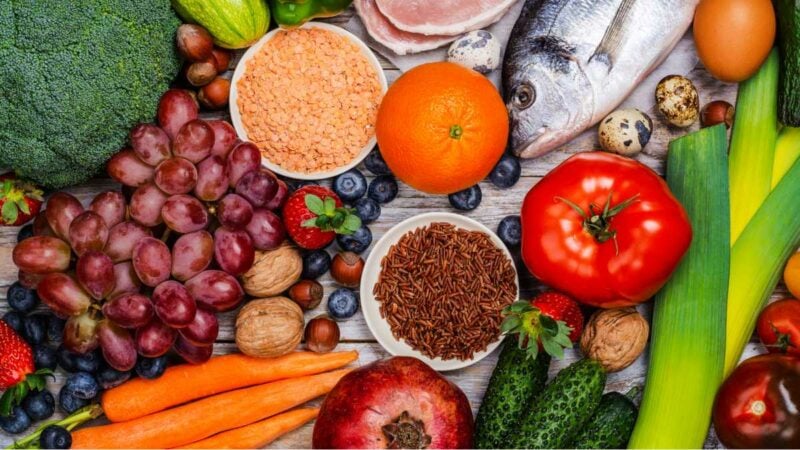
The Mediterranean diet is rooted in the traditional eating habits of countries bordering the Mediterranean Sea, such as Greece, Italy, and Spain. Key principles include a high consumption of fruits, vegetables, whole grains, legumes, nuts, and seeds, alongside moderate intake of fish and poultry. Red meat and sweets are limited, and the diet is characterized by the use of healthy fats, primarily olive oil. This dietary pattern is not just about food choices; it also encompasses lifestyle factors, such as enjoying meals with family and friends and engaging in regular physical activity.
Central to the Mediterranean diet is the concept of balance. It encourages a variety of foods that provide essential nutrients while minimizing processed items high in sugars, unhealthy fats, and additives. The diet is also rich in antioxidants, fiber, and omega-3 fatty acids, contributing to its reputation for promoting heart health and overall wellness. Understanding these principles is crucial when evaluating the role of crackers, which may vary significantly in their ingredients and nutritional value.
Moreover, the Mediterranean diet is adaptable, allowing for regional and seasonal variations. This flexibility can lead to the inclusion of various foods, raising questions about the place of snacks, such as crackers, within this framework. As we delve into the specifics of crackers, it’s essential to assess how they align with the fundamental tenets of the Mediterranean lifestyle.
In summary, the Mediterranean diet is a holistic approach to eating that emphasizes whole, minimally processed foods and healthy fats. Its principles provide a foundation for evaluating the compatibility of various snacks, including crackers, with this dietary pattern.
Nutritional Composition of Crackers: A Detailed Analysis
Crackers are often perceived as a convenient snack option, but their nutritional composition can vary widely depending on the ingredients used. Traditional crackers are typically made from refined flour, which may lead to a higher glycemic index and lower fiber content. This can contribute to rapid spikes in blood sugar levels, which is not aligned with the Mediterranean diet’s focus on stable energy sources.
On the other hand, whole grain crackers are made from whole wheat or other whole grains, retaining the bran and germ, which are rich in fiber, vitamins, and minerals. These components are beneficial for digestive health and can help maintain a feeling of fullness, making them a more suitable option for those following the Mediterranean diet. Additionally, whole grain crackers often contain healthy fats from seeds or nuts, further enhancing their nutritional profile.
Another important aspect to consider is the presence of added sugars and unhealthy fats in some cracker varieties. Many commercially available crackers contain preservatives, artificial flavors, and trans fats, which can detract from their health benefits. Thus, it is crucial to read labels carefully to ensure that the selected crackers align with the principles of the Mediterranean diet.
In conclusion, while crackers can vary significantly in their nutritional composition, choosing whole grain options with minimal additives can provide a more compatible snack choice for those adhering to the Mediterranean diet.
Are Crackers Compatible with Mediterranean Diet Guidelines?
The compatibility of crackers with the Mediterranean diet largely depends on their ingredients and how they are consumed. Whole grain crackers, when chosen wisely, can fit within the guidelines of this dietary pattern. They can serve as a vehicle for healthy toppings, such as hummus, avocado, or tzatziki, which are staples in Mediterranean cuisine.
However, refined crackers, which are often devoid of essential nutrients, may not align with the Mediterranean diet’s emphasis on whole foods. These types of crackers can lead to overconsumption due to their lower fiber content, which may not promote satiety in the same way that whole grain options do. Therefore, it is essential to consider the type of cracker being consumed and its overall contribution to the diet.
Moreover, the Mediterranean diet encourages mindful eating practices, which can influence how crackers are integrated into meals and snacks. Enjoying crackers in moderation, alongside nutrient-dense toppings, can enhance their compatibility with the diet. This approach not only aligns with the Mediterranean principles but also fosters a more satisfying eating experience.
In summary, while crackers can be included in the Mediterranean diet, it is crucial to choose whole grain varieties and consume them mindfully to ensure they complement the overall dietary goals.
Types of Crackers: Whole Grain vs. Refined Options
When evaluating crackers for inclusion in the Mediterranean diet, the distinction between whole grain and refined options is paramount. Whole grain crackers are made from grains that have not been stripped of their bran and germ, preserving their natural fiber and nutrient content. These crackers typically offer higher levels of vitamins, minerals, and antioxidants, making them a more nutritious choice.
In contrast, refined crackers are often made from white flour, which has been processed to remove the bran and germ. This process not only diminishes the fiber content but also strips away essential nutrients. Refined crackers can lead to quicker digestion and a subsequent spike in blood sugar levels, which is contrary to the Mediterranean diet’s focus on maintaining stable energy levels.
Additionally, whole grain crackers often contain seeds and nuts, which provide healthy fats and additional fiber. These components can enhance heart health and contribute to overall well-being. On the other hand, many refined crackers may contain unhealthy fats and additives, further distancing them from the Mediterranean diet’s principles.
In conclusion, when selecting crackers, opting for whole grain varieties is advisable. They align more closely with the Mediterranean diet’s emphasis on whole, nutrient-dense foods and can be enjoyed in moderation as part of a balanced diet.
Portion Control: How Many Crackers Fit the Diet?
Portion control is a critical aspect of any dietary plan, including the Mediterranean diet. While whole grain crackers can be a healthy snack, it is essential to consume them in moderation to avoid excess calorie intake. A typical serving size for crackers is often around 5 to 10 pieces, depending on their size and thickness. This portion can provide a satisfying snack without overindulging.
Mindful eating practices can help individuals gauge their hunger levels and prevent overeating. Pairing crackers with nutrient-dense toppings, such as hummus or a spread made from olives, can enhance satiety and provide a more balanced snack. This approach allows for the enjoyment of crackers while still adhering to the principles of the Mediterranean diet.
Furthermore, it is essential to consider the overall composition of the diet throughout the day. If crackers are consumed as a snack, it is crucial to balance them with other food groups, such as fruits, vegetables, and proteins, to ensure a well-rounded intake of nutrients. This balance is fundamental to the Mediterranean diet, which emphasizes variety and moderation.
In summary, while crackers can be included in the Mediterranean diet, practicing portion control and pairing them with healthy toppings can help maintain a balanced and nutritious eating pattern.
Practical Tips for Incorporating Crackers Mindfully
Incorporating crackers into a Mediterranean diet can be done mindfully with a few practical tips. First, select whole grain options that are low in added sugars and unhealthy fats. Reading ingredient labels can help identify crackers that align with the Mediterranean principles, ensuring a healthier snack choice.
Second, consider using crackers as a base for nutrient-dense toppings. Spreads like hummus, tzatziki, or guacamole can enhance the nutritional value of crackers, providing healthy fats, proteins, and additional fiber. This not only makes for a more satisfying snack but also aligns with the Mediterranean diet’s emphasis on whole foods.
Another tip is to practice mindful eating by paying attention to hunger cues and savoring each bite. Taking the time to enjoy the flavors and textures of the crackers and their toppings can enhance the eating experience and prevent overeating. This approach fosters a deeper connection to food, which is a significant aspect of the Mediterranean lifestyle.
Lastly, consider incorporating crackers into meals rather than treating them solely as snacks. They can be served alongside soups, salads, or cheese platters, adding texture and variety to the meal. This versatility allows for creative culinary applications while adhering to the Mediterranean diet’s principles.
Conclusions:
Incorporating crackers into the Mediterranean diet can be a feasible option when mindful choices are made. Whole grain crackers can complement this dietary pattern, providing a source of fiber and essential nutrients. However, it is crucial to avoid refined options that may detract from the diet’s health benefits. Practicing portion control and pairing crackers with nutrient-dense toppings can further enhance their compatibility with the Mediterranean lifestyle. Ultimately, the key lies in making informed choices that align with the principles of this celebrated dietary approach.
Read more
- Mediterranean Diet: A Comprehensive Guide – An in-depth overview of the Mediterranean diet, including its health benefits and key principles.
- The Nutritional Value of Crackers – A detailed analysis of the nutritional composition of various types of crackers.
- Mindful Eating Practices – Tips and strategies for practicing mindful eating to improve overall dietary habits.
- Portion Control Strategies – Guidelines on portion control to help manage calorie intake and promote a balanced diet.