

Introduction:
The Mediterranean diet is renowned for its health benefits, including heart health, weight management, and longevity. Rooted in the traditional eating habits of countries bordering the Mediterranean Sea, this diet emphasizes whole grains, fruits, vegetables, legumes, nuts, and healthy fats, particularly olive oil. A common question that arises is whether indulgences like chocolate can fit into this dietary pattern. In this article, we will explore the compatibility of chocolate with the Mediterranean diet, its nutritional profile, health benefits, and practical tips for including it in your diet.
Understanding the Mediterranean Diet Basics
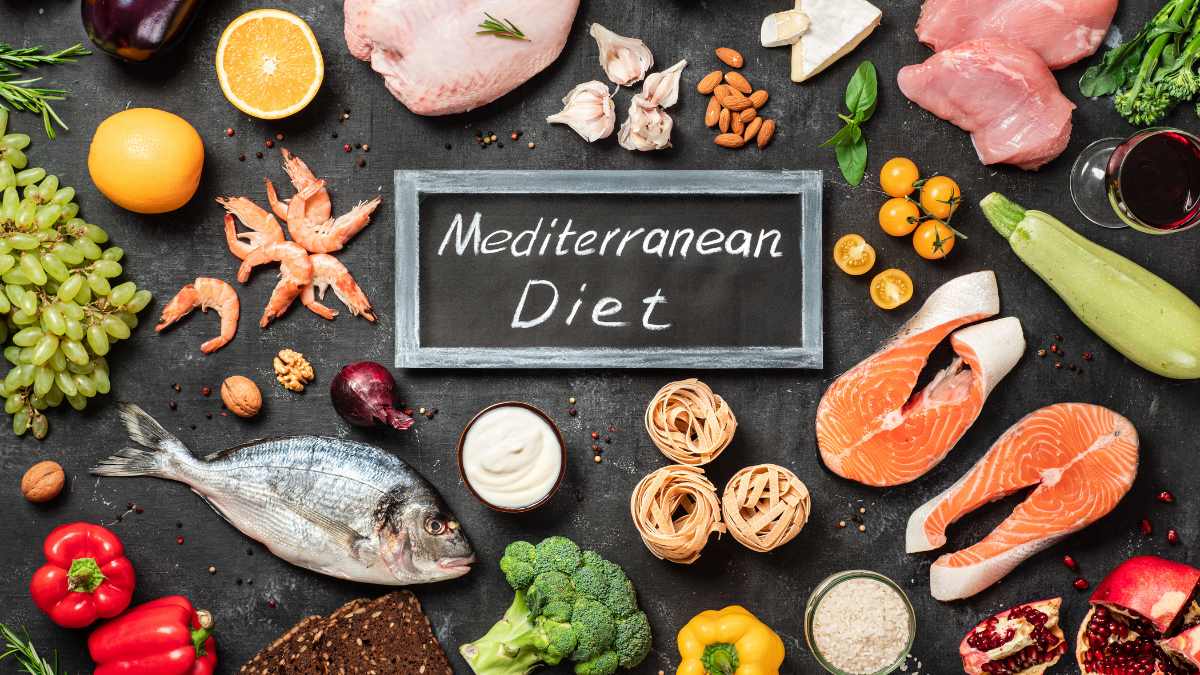
The Mediterranean diet is more than just a diet; it’s a lifestyle that promotes overall well-being. It focuses on consuming a variety of nutrient-rich foods, including plenty of fruits and vegetables, whole grains, and lean proteins like fish and poultry. Healthy fats, particularly from olive oil, nuts, and seeds, are a cornerstone of this diet. Additionally, moderate consumption of dairy, such as yogurt and cheese, and occasional red wine are also part of the Mediterranean eating pattern.
One of the key principles of the Mediterranean diet is the emphasis on minimally processed foods. This means choosing whole foods over refined or highly processed options. Freshness and seasonality are also important, as the diet encourages eating locally grown produce that is in season. This not only enhances the nutritional value of the food but also supports local agriculture.
The Mediterranean diet also promotes a balanced approach to eating, where moderation is key. Portion control and mindful eating are encouraged, helping individuals to enjoy their meals without overindulgence. This balanced approach extends to all food groups, including sweets and treats.
Physical activity and social connections are integral components of the Mediterranean lifestyle. Regular exercise, such as walking, and sharing meals with family and friends are encouraged. These practices contribute to overall health and well-being, complementing the dietary aspects of the Mediterranean diet.
The Mediterranean diet has been extensively studied and is associated with numerous health benefits. Research has shown that it can reduce the risk of heart disease, stroke, and certain cancers. It is also linked to improved cognitive function and a lower risk of developing Alzheimer’s disease.
In summary, the Mediterranean diet is a holistic approach to eating and living that emphasizes whole, nutrient-dense foods, moderation, physical activity, and social connections. It is a sustainable and enjoyable way to promote long-term health and well-being.
Nutritional Profile of Chocolate
Chocolate, particularly dark chocolate, is rich in several nutrients that can contribute to a healthy diet when consumed in moderation. It contains a good amount of iron, magnesium, copper, and manganese. These minerals play vital roles in various bodily functions, including oxygen transport, energy production, and antioxidant defense.
One of the most notable components of chocolate is its flavonoid content. Flavonoids are a group of plant-based antioxidants that have been shown to have numerous health benefits. Dark chocolate, in particular, is high in flavonoids, especially a type called flavanols. These compounds have been linked to improved heart health, reduced inflammation, and better blood flow.
Chocolate also contains a small amount of fiber, which can aid in digestion and help maintain a healthy gut. The fiber content is higher in dark chocolate compared to milk chocolate, as dark chocolate has a higher cocoa content and less added sugar and milk solids.
Despite its nutritional benefits, chocolate is also high in calories and fat. The fat in chocolate is primarily saturated fat, but it also contains stearic acid, a type of saturated fat that does not raise cholesterol levels. However, it’s important to consume chocolate in moderation to avoid excessive calorie intake, which can lead to weight gain.
Another component of chocolate is caffeine, although the amount is relatively small compared to coffee or tea. The caffeine content can provide a mild stimulant effect, which some people find beneficial for improving alertness and concentration.
In addition to its physical health benefits, chocolate can also have positive effects on mental health. The consumption of chocolate has been associated with the release of endorphins, the body’s natural feel-good chemicals. This can help improve mood and reduce stress levels.
Compatibility of Chocolate with Mediterranean Diet
The Mediterranean diet allows for occasional indulgences, making it possible to include chocolate in moderation. The key is to choose high-quality dark chocolate with a high cocoa content, as it offers more health benefits and less sugar compared to milk chocolate. Dark chocolate’s rich flavonoid content aligns well with the diet’s emphasis on antioxidant-rich foods.
Incorporating chocolate into the Mediterranean diet should be done mindfully. It’s essential to balance chocolate consumption with other nutrient-dense foods. For example, pairing a small piece of dark chocolate with a handful of nuts or fresh fruit can enhance the overall nutritional value of the snack while satisfying sweet cravings.
The Mediterranean diet’s focus on whole, minimally processed foods means that highly processed chocolate products, such as those with added sugars, artificial flavors, and preservatives, should be avoided. Instead, opt for pure dark chocolate or products with minimal ingredients to stay true to the diet’s principles.
Moderation is crucial when including chocolate in the Mediterranean diet. While dark chocolate has health benefits, it is also calorie-dense. Consuming small portions, such as a few squares of dark chocolate, can help prevent excessive calorie intake while still allowing you to enjoy its benefits.
The Mediterranean diet also emphasizes the importance of enjoying food and eating mindfully. Taking the time to savor a piece of high-quality dark chocolate can enhance the eating experience and help you feel more satisfied with smaller amounts. This mindful approach aligns with the diet’s overall philosophy of balanced and enjoyable eating.
In summary, chocolate can be compatible with the Mediterranean diet when chosen wisely and consumed in moderation. By selecting high-quality dark chocolate and balancing it with other nutrient-rich foods, you can enjoy the health benefits of chocolate without compromising the principles of the Mediterranean diet.
Health Benefits of Chocolate in Moderation
When consumed in moderation, dark chocolate can offer several health benefits that complement the Mediterranean diet. One of the most well-known benefits is its positive impact on heart health. The flavonoids in dark chocolate have been shown to improve blood flow, reduce blood pressure, and lower the risk of heart disease.
Dark chocolate’s antioxidant properties also contribute to its health benefits. Antioxidants help neutralize free radicals in the body, which can cause oxidative stress and damage to cells. By reducing oxidative stress, dark chocolate can help protect against chronic diseases and support overall health.
Another benefit of dark chocolate is its potential to improve brain function. The flavonoids in dark chocolate can enhance cognitive function by increasing blood flow to the brain. Studies have suggested that regular consumption of dark chocolate may improve memory, attention, and problem-solving skills.
Dark chocolate can also have a positive effect on mental health. The consumption of dark chocolate has been linked to the release of endorphins and serotonin, which can improve mood and reduce symptoms of depression and anxiety. This makes dark chocolate a potential ally in maintaining mental well-being.
In addition to its cardiovascular and cognitive benefits, dark chocolate can also support skin health. The antioxidants in dark chocolate can help protect the skin from damage caused by UV rays and improve skin hydration and elasticity. This can contribute to a healthier and more youthful appearance.
Finally, dark chocolate can aid in weight management when consumed in moderation. Its rich flavor and satisfying texture can help curb cravings for less healthy sweets and snacks. By enjoying small portions of dark chocolate, you can satisfy your sweet tooth without overindulging in high-calorie, nutrient-poor foods.
Choosing the Right Type of Chocolate
When incorporating chocolate into the Mediterranean diet, it’s important to choose the right type to maximize health benefits and stay true to the diet’s principles. Dark chocolate is the best option, as it contains higher levels of cocoa and flavonoids compared to milk chocolate. Look for dark chocolate with at least 70% cocoa content for optimal benefits.
Reading the ingredient list is crucial when selecting chocolate. Choose products with minimal ingredients, such as cocoa mass, cocoa butter, and a small amount of sugar. Avoid chocolates with added artificial flavors, preservatives, and high amounts of sugar, as these can negate the health benefits and contradict the Mediterranean diet’s emphasis on whole, minimally processed foods.
Organic and fair-trade chocolate options are also worth considering. Organic chocolate is made from cocoa beans that are grown without synthetic pesticides and fertilizers, which aligns with the Mediterranean diet’s focus on natural and wholesome foods. Fair-trade chocolate ensures that the cocoa farmers receive fair compensation for their work, promoting ethical and sustainable practices.
Another factor to consider is the presence of additional ingredients in the chocolate. Some dark chocolates include nuts, dried fruits, or spices, which can enhance the flavor and nutritional value. However, it’s important to choose chocolates with high-quality additions and avoid those with sugary or highly processed ingredients.
Portion control is essential when enjoying chocolate on the Mediterranean diet. Dark chocolate is calorie-dense, so it’s important to consume it in small amounts. A few squares of dark chocolate or a small piece can provide the health benefits without contributing to excessive calorie intake.
In summary, choosing the right type of chocolate involves selecting high-quality dark chocolate with a high cocoa content, minimal ingredients, and ethical sourcing. By making informed choices, you can enjoy the health benefits of chocolate while staying true to the principles of the Mediterranean diet.
Practical Tips for Including Chocolate
Incorporating chocolate into the Mediterranean diet can be both enjoyable and beneficial when done mindfully. Here are some practical tips for including chocolate in your diet while adhering to the principles of the Mediterranean lifestyle.
First, consider using dark chocolate as an ingredient in healthy recipes. You can add small pieces of dark chocolate to homemade granola, oatmeal, or yogurt for a nutritious and satisfying breakfast or snack. This allows you to enjoy the flavor of chocolate while also benefiting from the nutrients in other Mediterranean diet staples.
Another way to include chocolate is by pairing it with fruits and nuts. Dark chocolate pairs well with a variety of fruits, such as berries, oranges, and bananas. You can create a simple and delicious dessert by dipping fruit slices in melted dark chocolate or sprinkling dark chocolate shavings over a fruit salad. Adding a handful of nuts, such as almonds or walnuts, can enhance the nutritional value and provide a satisfying crunch.
Consider making your own chocolate treats at home to control the ingredients and portion sizes. For example, you can make dark chocolate bark with nuts and dried fruits or create energy balls with dark chocolate, oats, and nut butter. Homemade treats allow you to enjoy chocolate in a healthier way and avoid the added sugars and preservatives found in many store-bought options.
Mindful eating is an important aspect of the Mediterranean diet, and it applies to chocolate consumption as well. Take the time to savor and enjoy each piece of chocolate, focusing on its rich flavor and texture. Eating slowly and mindfully can help you feel more satisfied with smaller portions and prevent overindulgence.
It’s also helpful to set specific guidelines for chocolate consumption. For example, you might decide to enjoy a small piece of dark chocolate after dinner as a treat. Establishing a routine can help you incorporate chocolate into your diet in a controlled and mindful manner.
Finally, remember that balance is key. While dark chocolate can be a healthy addition to the Mediterranean diet, it should not replace other nutrient-dense foods. Ensure that your overall diet remains varied and balanced, with plenty of fruits, vegetables, whole grains, lean proteins, and healthy fats.
Conclusion:
In conclusion, chocolate, particularly dark chocolate, can be a delightful and healthful addition to the Mediterranean diet when consumed in moderation. By understanding the nutritional profile of chocolate, choosing high-quality options, and incorporating it mindfully into your diet, you can enjoy its numerous health benefits without compromising the principles of the Mediterranean lifestyle. Remember to balance chocolate consumption with other nutrient-rich foods and savor each bite mindfully to fully appreciate its flavor and benefits.
Read More…
- Mayo Clinic – Mediterranean Diet: A Heart-Healthy Eating Plan: This comprehensive guide provides an overview of the Mediterranean diet, its health benefits, and practical tips for following it.
- Harvard T.H. Chan School of Public Health – The Nutrition Source: Mediterranean Diet: This resource offers detailed information on the Mediterranean diet, including its components, health benefits, and scientific evidence supporting its effectiveness.
- Healthline – 7 Proven Health Benefits of Dark Chocolate: This article explores the health benefits of dark chocolate, supported by scientific research, and provides insights into its nutritional profile.
- Cleveland Clinic – Is Dark Chocolate Good for You?: This resource discusses the potential health benefits of dark chocolate, including its impact on heart health, brain function, and mood.
- American Heart Association – Understanding the Mediterranean Diet: This guide explains the principles of the Mediterranean diet, its health benefits, and practical advice for incorporating it into your lifestyle.