
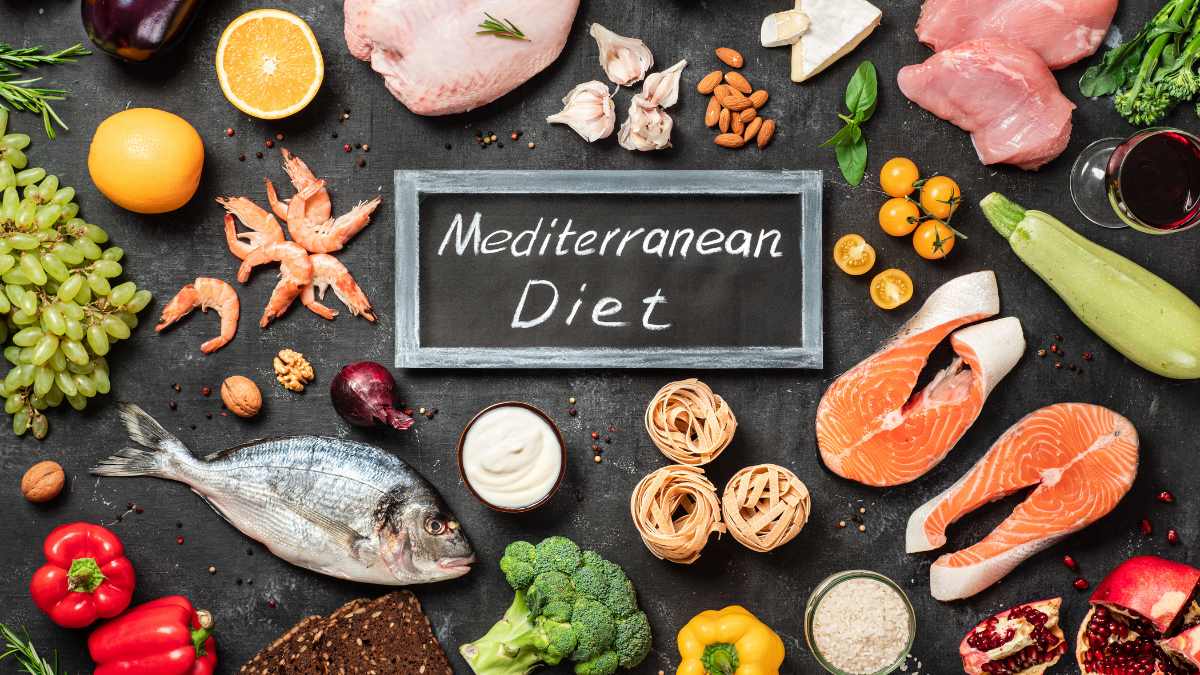

Introduction: The Mediterranean diet is renowned for its health benefits, including improved heart health, weight management, and longevity. This dietary pattern emphasizes whole foods like fruits, vegetables, whole grains, nuts, and olive oil, while limiting processed foods and red meat. However, many people wonder if they can still enjoy certain indulgences, such as bacon, while adhering to this diet. This article explores whether bacon can fit into the Mediterranean diet and how to balance its consumption with the diet’s principles.
Understanding the Mediterranean Diet Basics
The Mediterranean diet is inspired by the traditional eating patterns of countries bordering the Mediterranean Sea, such as Greece, Italy, and Spain. It focuses on consuming a variety of nutrient-dense foods that promote overall health and well-being. Key components include an abundance of fruits and vegetables, whole grains, legumes, nuts, and seeds. Olive oil is the primary source of fat, and moderate consumption of fish and poultry is encouraged.
Dairy products, particularly yogurt and cheese, are consumed in moderation, while red meat is limited to occasional servings. The diet also emphasizes the importance of physical activity and enjoying meals with family and friends, which contribute to a holistic approach to health. Wine, particularly red wine, is consumed in moderation, usually with meals.
One of the fundamental principles of the Mediterranean diet is its emphasis on minimally processed foods. This means that foods are consumed in their most natural state, preserving their nutritional integrity. Processed meats, like bacon, do not traditionally fit into this category, raising questions about their place in the diet.
The Mediterranean diet is not just a set of dietary guidelines but a lifestyle that promotes balance and moderation. It encourages mindful eating and savoring the flavors and textures of food, which can lead to greater satisfaction and reduced overeating. This approach contrasts sharply with the fast-paced, convenience-oriented eating habits common in many Western diets.
The diet’s emphasis on plant-based foods and healthy fats has been linked to numerous health benefits, including reduced risk of chronic diseases such as heart disease, diabetes, and certain cancers. It also supports weight management and overall longevity. Given these benefits, it’s important to consider how any deviations from the diet, such as the inclusion of bacon, might impact these outcomes.
Nutritional Profile of Bacon
Bacon is a type of processed meat made from pork belly that has been cured, smoked, and often seasoned. It is known for its rich, savory flavor and crispy texture, making it a popular addition to many dishes. However, its nutritional profile is a point of concern for those following health-conscious diets.
A typical serving of bacon (about three slices) contains approximately 150 calories, 12 grams of fat (including 4 grams of saturated fat), 30 milligrams of cholesterol, and 450 milligrams of sodium. It also provides about 10 grams of protein. While bacon does offer some protein, its high fat and sodium content are noteworthy, especially for those monitoring their intake of these nutrients.
The saturated fat content in bacon is particularly concerning because it has been linked to increased levels of LDL (bad) cholesterol, which can contribute to heart disease. Additionally, the sodium content in bacon can contribute to high blood pressure, another risk factor for cardiovascular issues. These factors make bacon a less-than-ideal choice for those looking to maintain heart health.
Bacon also contains nitrates and nitrites, which are used in the curing process to preserve the meat and enhance its flavor. While these compounds are generally considered safe in small amounts, excessive consumption has been linked to an increased risk of certain cancers, particularly colorectal cancer. This adds another layer of complexity when considering bacon’s place in a healthy diet.
Despite its drawbacks, bacon does provide some essential nutrients, such as B vitamins (including B1, B2, B3, B6, and B12), selenium, and phosphorus. These nutrients are important for various bodily functions, including energy production, DNA synthesis, and maintaining a healthy immune system. However, these benefits must be weighed against the potential health risks associated with bacon consumption.
Given its nutritional profile, bacon is best consumed in moderation, if at all, within the context of a balanced diet. For those following the Mediterranean diet, it is crucial to consider how bacon fits into the overall dietary pattern and whether its inclusion aligns with the diet’s principles of promoting health and well-being.
Health Implications of Eating Bacon
The health implications of eating bacon are multifaceted, involving both its nutritional content and the potential risks associated with processed meats. One of the primary concerns is the high saturated fat content, which can contribute to elevated LDL cholesterol levels. High LDL cholesterol is a significant risk factor for heart disease, the leading cause of death worldwide.
In addition to saturated fat, bacon’s high sodium content can pose health risks. Excessive sodium intake is associated with high blood pressure, which can lead to cardiovascular diseases, including heart attacks and strokes. The American Heart Association recommends limiting sodium intake to no more than 2,300 milligrams per day, with an ideal limit of 1,500 milligrams for most adults. A few slices of bacon can quickly contribute to exceeding these limits.
The presence of nitrates and nitrites in bacon is another health concern. While these compounds help preserve the meat and prevent bacterial growth, they can form nitrosamines in the body, which are carcinogenic. Studies have linked high consumption of processed meats, including bacon, to an increased risk of colorectal cancer. This risk underscores the importance of moderating bacon intake.
Bacon’s impact on health is not solely negative; it does provide some beneficial nutrients, such as protein and B vitamins. However, these benefits are often overshadowed by the potential risks, particularly when bacon is consumed frequently or in large quantities. For individuals following the Mediterranean diet, which prioritizes heart health and cancer prevention, these risks are particularly relevant.
It’s also worth noting that the method of cooking bacon can influence its health impact. Cooking bacon at high temperatures can produce harmful compounds called advanced glycation end products (AGEs) and polycyclic aromatic hydrocarbons (PAHs), both of which have been linked to inflammation and an increased risk of chronic diseases. Opting for lower-temperature cooking methods can help mitigate some of these risks.
Ultimately, the health implications of eating bacon depend on the context in which it is consumed. For those adhering to the Mediterranean diet, which emphasizes plant-based foods and healthy fats, the inclusion of bacon should be carefully considered. Moderation is key, and it may be beneficial to explore healthier alternatives that align more closely with the diet’s principles.
Integrating Bacon into Mediterranean Meals
While bacon is not a traditional component of the Mediterranean diet, it is possible to incorporate it into meals in a way that aligns with the diet’s principles of moderation and balance. The key is to use bacon sparingly and to pair it with nutrient-dense, whole foods that are staples of the Mediterranean diet.
One approach is to use bacon as a flavor enhancer rather than a primary ingredient. For example, a small amount of crumbled bacon can add a savory depth to a Mediterranean salad composed of fresh vegetables, olives, feta cheese, and a drizzle of olive oil. This allows you to enjoy the taste of bacon without consuming large quantities.
Another option is to incorporate bacon into vegetable-based dishes. For instance, you can add a few pieces of bacon to a sautéed spinach or kale dish, providing a smoky flavor that complements the greens. This method ensures that the bulk of the dish remains plant-based, in line with Mediterranean diet principles.
Bacon can also be used to enhance the flavor of legumes, such as lentils or chickpeas. Adding a small amount of bacon to a lentil stew or chickpea salad can provide a satisfying taste without overwhelming the dish’s nutritional benefits. This approach maintains the focus on plant-based proteins while allowing for occasional indulgence.
When integrating bacon into Mediterranean meals, it’s important to choose high-quality, minimally processed bacon whenever possible. Look for options that are free from added nitrates and nitrites, and consider organic or pasture-raised varieties. These choices can help reduce some of the health risks associated with conventional bacon.
Portion control is crucial when incorporating bacon into the Mediterranean diet. Limiting bacon to small amounts and balancing it with plenty of vegetables, whole grains, and healthy fats can help mitigate its potential negative health impacts. This approach aligns with the Mediterranean diet’s emphasis on moderation and variety.
By thoughtfully incorporating bacon into Mediterranean meals, it is possible to enjoy its flavor while adhering to the diet’s health-promoting principles. The focus should remain on whole, minimally processed foods, with bacon serving as an occasional treat rather than a dietary staple.
Expert Opinions on Bacon Consumption
Experts in nutrition and dietetics generally advise caution when it comes to bacon consumption, particularly for those following health-conscious diets like the Mediterranean diet. The consensus is that while bacon can be enjoyed occasionally, it should not be a regular part of one’s diet due to its high saturated fat, sodium, and nitrate content.
Dr. Walter Willett, a professor of epidemiology and nutrition at Harvard T.H. Chan School of Public Health, emphasizes the importance of limiting processed meats. He notes that the health risks associated with frequent consumption of processed meats, including bacon, outweigh the potential benefits. Dr. Willett recommends focusing on plant-based proteins and healthy fats, which are central to the Mediterranean diet.
Registered dietitian and nutritionist Sharon Palmer also advises moderation when it comes to bacon. She suggests that if individuals choose to include bacon in their diet, it should be done sparingly and balanced with plenty of fruits, vegetables, and whole grains. Palmer highlights the importance of adhering to the Mediterranean diet’s principles, which prioritize whole, minimally processed foods.
Dr. David Katz, founder of the Yale-Griffin Prevention Research Center, underscores the risks associated with processed meats, particularly their link to cancer and cardiovascular disease. He advises that while occasional consumption of bacon is unlikely to cause significant harm, it should not be a regular part of a health-promoting diet like the Mediterranean diet.
Nutrition expert Dr. Michael Greger, author of "How Not to Die," is more stringent in his recommendations. He advises avoiding processed meats altogether due to their association with chronic diseases. Dr. Greger advocates for a plant-based approach, which aligns closely with the Mediterranean diet’s emphasis on fruits, vegetables, legumes, and whole grains.
While opinions on bacon consumption may vary slightly among experts, the overarching theme is clear: moderation is key. For those following the Mediterranean diet, which is renowned for its health benefits, it is advisable to limit bacon intake and focus on the diet’s core components. This approach helps ensure that the diet’s health-promoting effects are not compromised.
Balancing Tradition and Modern Dietary Choices
Balancing tradition and modern dietary choices is a common challenge for many people, particularly when it comes to integrating beloved foods like bacon into health-conscious diets. The Mediterranean diet, with its emphasis on whole, minimally processed foods, provides a framework for making thoughtful dietary choices that promote long-term health.
One way to strike this balance is to adhere to the Mediterranean diet’s core principles while allowing for occasional indulgences. This means prioritizing fruits, vegetables, whole grains, legumes, nuts, and healthy fats in daily meals, while enjoying foods like bacon in moderation. This approach aligns with the diet’s emphasis on balance and variety.
Another strategy is to explore healthier alternatives to traditional bacon. For example, turkey bacon or plant-based bacon substitutes can provide a similar flavor and texture with fewer health risks. These alternatives often contain less saturated fat and sodium, making them more compatible with the Mediterranean diet’s health-focused principles.
It’s also important to consider the cultural and social aspects of food. The Mediterranean diet emphasizes the enjoyment of meals with family and friends, which can enhance the overall eating experience. Sharing a meal that includes a small amount of bacon as a special treat can be part of a balanced approach, provided it is not a frequent occurrence.
Education and mindfulness are key components of balancing tradition and modern dietary choices. Understanding the nutritional profile and health implications of foods like bacon can inform better decision-making. Practicing mindful eating, savoring each bite, and paying attention to hunger and fullness cues can also help prevent overindulgence.
Ultimately, the goal is to create a sustainable and enjoyable dietary pattern that supports long-term health. This means being flexible and adaptable, making informed choices, and prioritizing the overall quality of the diet. By focusing on the Mediterranean diet’s core principles and allowing for occasional indulgences, it is possible to enjoy a variety of foods while maintaining optimal health.
Conclusion: The Mediterranean diet is celebrated for its health benefits and emphasis on whole, minimally processed foods. While bacon is not a traditional component of this diet, it can be enjoyed in moderation with careful consideration of its nutritional profile and health implications. By integrating bacon thoughtfully into Mediterranean meals and prioritizing the diet’s core principles, individuals can strike a balance between tradition and modern dietary choices. Expert opinions generally advise caution and moderation when it comes to bacon consumption, highlighting the importance of maintaining the diet’s health-promoting effects.
Read More…
-
Harvard T.H. Chan School of Public Health – The Nutrition Source: Mediterranean Diet
- An in-depth overview of the Mediterranean diet, its components, and health benefits.
-
American Heart Association – Processed Meats and Heart Health
- A discussion on the risks associated with processed meats, including bacon, and their impact on heart health.
-
World Health Organization – Q&A on the carcinogenicity of the consumption of red meat and processed meat
- Information on the link between processed meats and cancer risk, based on WHO findings.
-
Mayo Clinic – Mediterranean Diet: A Heart-Healthy Eating Plan
- A detailed guide to the Mediterranean diet, including tips for incorporating its principles into daily life.
-
National Institutes of Health – Dietary Patterns and Cardiovascular Disease Risk
- A scientific review of dietary patterns, including the Mediterranean diet, and their impact on cardiovascular disease risk.