
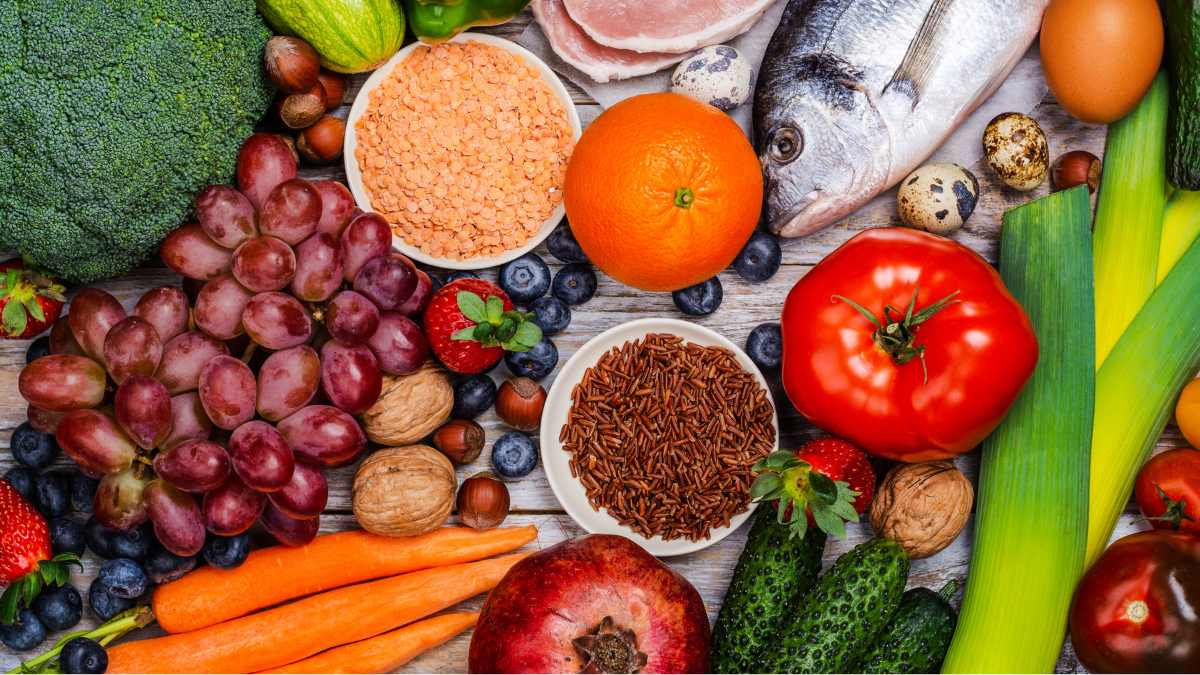

Introduction: The Mediterranean diet is renowned for its numerous health benefits, including reduced risks of heart disease, stroke, and certain cancers. Rooted in the traditional eating patterns of countries bordering the Mediterranean Sea, this diet emphasizes whole foods, healthy fats, and a balanced intake of nutrients. But what about fruits like bananas? Can they fit into this celebrated dietary pattern? This article explores the compatibility of bananas with the Mediterranean diet, examining their nutritional profile, health benefits, potential drawbacks, and expert recommendations.
Introduction to the Mediterranean Diet
The Mediterranean diet is more than just a diet; it’s a lifestyle. Originating from the eating habits of people in countries like Greece, Italy, and Spain, this diet focuses on whole, minimally processed foods. Key components include an abundance of fruits, vegetables, whole grains, legumes, nuts, and seeds. Olive oil is the primary source of fat, while fish and poultry are preferred over red meat. Dairy products are consumed in moderation, and herbs and spices are used to flavor food instead of salt.
One of the hallmarks of the Mediterranean diet is its emphasis on healthy fats, particularly from olive oil, which is rich in monounsaturated fatty acids. These fats are known to improve heart health by lowering bad cholesterol levels. Additionally, the diet includes a moderate intake of wine, typically red, which is consumed with meals and is believed to contribute to cardiovascular health.
The Mediterranean diet is also rich in antioxidants and anti-inflammatory compounds. Fruits and vegetables provide a wealth of vitamins, minerals, and phytonutrients, while whole grains and legumes offer fiber and essential nutrients. This combination of foods helps to reduce inflammation in the body, which is linked to chronic diseases like heart disease and diabetes.
Physical activity and social interactions are also integral to the Mediterranean lifestyle. Meals are often enjoyed with family and friends, fostering a sense of community and well-being. Regular physical activity, whether through structured exercise or daily activities, is encouraged to maintain a healthy weight and overall fitness.
Scientific research has consistently shown that the Mediterranean diet can lead to various health benefits. Studies have linked it to a lower risk of cardiovascular diseases, improved mental health, and increased longevity. Its balanced approach to eating makes it a sustainable and enjoyable way to maintain health and prevent disease.
In summary, the Mediterranean diet is a holistic approach to eating and living that promotes overall health and well-being. Its focus on whole, nutrient-dense foods, healthy fats, and an active lifestyle makes it one of the most recommended dietary patterns by health professionals worldwide.
Nutritional Profile of Bananas
Bananas are one of the most popular fruits globally, known for their sweet taste and convenience. They are a rich source of essential nutrients, making them a valuable addition to any diet. A medium-sized banana (about 118 grams) provides approximately 105 calories, making it a relatively low-calorie snack.
Bananas are particularly high in potassium, with a medium-sized banana containing around 422 milligrams of this essential mineral. Potassium is crucial for maintaining proper heart function, regulating blood pressure, and balancing fluids in the body. It also helps with muscle contractions and nerve signals.
In addition to potassium, bananas are a good source of vitamin C, vitamin B6, and dietary fiber. Vitamin C is an antioxidant that supports the immune system, skin health, and wound healing. Vitamin B6 plays a vital role in brain development and function, as well as in the production of serotonin and norepinephrine, which regulate mood.
Dietary fiber in bananas contributes to digestive health by promoting regular bowel movements and preventing constipation. A medium banana provides about 3 grams of fiber, which is approximately 10% of the daily recommended intake. The fiber in bananas also helps to stabilize blood sugar levels and can aid in weight management by promoting a feeling of fullness.
Bananas contain several types of antioxidants, including dopamine and catechins. These compounds help to protect the body from oxidative stress and inflammation, which are linked to various chronic diseases. The antioxidants in bananas may also contribute to heart health and reduce the risk of certain cancers.
Overall, bananas are a nutrient-dense fruit that offers a range of health benefits. Their high potassium content, along with essential vitamins and fiber, makes them a valuable addition to a balanced diet. However, it’s essential to consider their compatibility with specific dietary patterns, such as the Mediterranean diet.
Compatibility of Bananas with Mediterranean Diet
The Mediterranean diet emphasizes whole, minimally processed foods, making fruits a staple component. Bananas, with their rich nutritional profile, fit well within this framework. They provide essential nutrients that complement the diet’s focus on health and well-being.
Bananas’ high potassium content aligns with the Mediterranean diet’s emphasis on heart health. Potassium helps to regulate blood pressure, reducing the risk of hypertension and cardiovascular diseases. Given that the Mediterranean diet already includes potassium-rich foods like leafy greens and legumes, bananas can further enhance this benefit.
The dietary fiber in bananas supports the Mediterranean diet’s goal of promoting digestive health. Fiber-rich foods are crucial for maintaining regular bowel movements and preventing digestive issues. The inclusion of bananas can contribute to the overall fiber intake, which is essential for a healthy gut.
Bananas also provide a natural source of sweetness, which can be beneficial for those following the Mediterranean diet. The diet encourages the consumption of fruits for their natural sugars, as opposed to refined sugars found in processed foods. Bananas can be used in various recipes, from smoothies to desserts, adding sweetness without compromising the diet’s principles.
Moreover, bananas are versatile and can be easily incorporated into Mediterranean-style meals. They can be added to breakfast dishes like yogurt and oatmeal, used in salads, or enjoyed as a snack. Their convenience and portability make them an excellent option for those following the Mediterranean diet.
However, it’s essential to consider portion sizes and overall fruit intake. While bananas are nutritious, consuming them in moderation is key to maintaining a balanced diet. The Mediterranean diet encourages a variety of fruits, so it’s important to include a diverse range of options to ensure a broad spectrum of nutrients.
In conclusion, bananas are compatible with the Mediterranean diet and can be a valuable addition to it. Their nutritional benefits align with the diet’s principles, and their versatility allows for easy incorporation into meals and snacks. As with any food, moderation and variety are essential to achieving a balanced and healthy diet.
Health Benefits of Including Bananas
Including bananas in your diet can offer numerous health benefits, many of which align with the goals of the Mediterranean diet. One of the most significant advantages is their impact on heart health. The high potassium content in bananas helps to regulate blood pressure, reducing the risk of hypertension and associated cardiovascular diseases.
Bananas are also beneficial for digestive health due to their fiber content. The dietary fiber in bananas promotes regular bowel movements and prevents constipation. It also supports a healthy gut microbiome, which is essential for overall digestive health and can help prevent conditions like irritable bowel syndrome (IBS).
The antioxidants found in bananas, such as dopamine and catechins, offer protective effects against oxidative stress and inflammation. These antioxidants can help reduce the risk of chronic diseases, including heart disease and certain cancers. The anti-inflammatory properties of bananas also contribute to overall health and well-being.
Bananas are a good source of vitamin B6, which plays a crucial role in brain health. Vitamin B6 is involved in the production of neurotransmitters like serotonin and dopamine, which regulate mood and cognitive function. Adequate intake of vitamin B6 can help improve mental health and reduce the risk of depression and other mood disorders.
The natural sugars in bananas provide a quick source of energy, making them an excellent choice for pre- or post-workout snacks. Unlike refined sugars, the natural sugars in bananas are accompanied by fiber, which helps to stabilize blood sugar levels and provide sustained energy. This makes bananas a healthier alternative to sugary snacks and drinks.
In summary, including bananas in your diet can offer a range of health benefits, from improved heart and digestive health to enhanced mental well-being. Their nutrient-dense profile and natural sweetness make them a valuable addition to the Mediterranean diet, supporting its goals of promoting overall health and preventing chronic diseases.
Potential Drawbacks of Eating Bananas
While bananas offer numerous health benefits, it’s essential to consider potential drawbacks, especially for those following specific dietary patterns like the Mediterranean diet. One of the primary concerns is their sugar content. Although bananas contain natural sugars, consuming them in excess can lead to increased blood sugar levels, which may be problematic for individuals with diabetes or insulin resistance.
Bananas are also relatively high in carbohydrates compared to other fruits. A medium-sized banana contains about 27 grams of carbohydrates, which can contribute to overall carbohydrate intake. For those following a low-carb or ketogenic diet, this may be a consideration, although it’s less of a concern for those on the Mediterranean diet.
Another potential drawback is the risk of overconsumption. Bananas are easy to eat and can be consumed quickly, leading to the possibility of eating more than intended. Overeating bananas can contribute to an excessive intake of calories and carbohydrates, which may impact weight management and overall health.
Some individuals may also experience digestive issues when consuming bananas. While the fiber in bananas is generally beneficial for digestive health, it can cause bloating and gas in some people, particularly if consumed in large quantities. Those with sensitive digestive systems should monitor their banana intake and adjust accordingly.
Bananas are also relatively low in certain nutrients compared to other fruits. For example, they are not particularly high in vitamin A or vitamin K, which are essential for various bodily functions. Relying solely on bananas for fruit intake may result in nutrient imbalances, so it’s important to include a variety of fruits in the diet.
In conclusion, while bananas are a nutritious and versatile fruit, it’s important to consume them in moderation and be aware of potential drawbacks. Balancing banana intake with other nutrient-dense fruits and monitoring portion sizes can help mitigate these concerns and ensure a well-rounded diet.
Expert Recommendations on Banana Consumption
Experts generally agree that bananas can be a valuable part of a healthy diet, including the Mediterranean diet, when consumed in moderation. Registered dietitians and nutritionists often recommend incorporating bananas as part of a balanced fruit intake, emphasizing the importance of variety to ensure a broad spectrum of nutrients.
The American Heart Association suggests that adults consume at least 4,700 milligrams of potassium daily to maintain heart health. Given that a medium-sized banana provides around 422 milligrams of potassium, including bananas in the diet can help achieve this goal. However, experts caution against relying solely on bananas for potassium intake and recommend including other potassium-rich foods like leafy greens, legumes, and avocados.
For individuals with diabetes or insulin resistance, experts advise monitoring banana consumption due to their natural sugar content. Pairing bananas with protein or healthy fats, such as nuts or yogurt, can help stabilize blood sugar levels and provide a more balanced snack. Consulting with a healthcare provider or registered dietitian can offer personalized guidance based on individual health needs.
Experts also highlight the importance of portion control when consuming bananas. While they are a healthy fruit, eating them in excess can contribute to an imbalance in overall nutrient intake. Aiming for one to two bananas per day, as part of a varied fruit intake, is generally recommended to maintain a balanced diet.
In terms of digestive health, experts suggest that individuals with sensitive digestive systems start with smaller portions of bananas and gradually increase their intake. This approach can help minimize potential digestive discomfort and allow the body to adjust to the fiber content in bananas.
In summary, expert recommendations emphasize the benefits of including bananas in a balanced diet while highlighting the importance of moderation and variety. By following these guidelines, individuals can enjoy the nutritional benefits of bananas without compromising their overall health and dietary goals.
Conclusion: Bananas are a nutritious and versatile fruit that can be a valuable addition to the Mediterranean diet. Their high potassium content, dietary fiber, and array of vitamins and antioxidants align well with the diet’s principles of promoting heart health, digestive well-being, and overall health. However, it’s essential to consume bananas in moderation and be mindful of potential drawbacks, such as their sugar and carbohydrate content. Expert recommendations underscore the importance of variety and portion control to ensure a balanced and nutrient-rich diet. By incorporating bananas thoughtfully, individuals can enjoy their health benefits while adhering to the Mediterranean diet’s guidelines.
Read More…
-
American Heart Association – Potassium and Heart Health
- This resource provides detailed information on the importance of potassium for heart health and how to incorporate potassium-rich foods into your diet.
-
Harvard T.H. Chan School of Public Health – The Nutrition Source: Mediterranean Diet
- An in-depth overview of the Mediterranean diet, including its health benefits, key components, and scientific research supporting its efficacy.
-
Mayo Clinic – Mediterranean Diet: A Heart-Healthy Eating Plan
- This article explains the principles of the Mediterranean diet and offers practical tips for incorporating its elements into daily life.
-
National Institutes of Health (NIH) – Dietary Fiber: Essential for a Healthy Diet
- A comprehensive guide on the importance of dietary fiber, including its health benefits and sources, such as bananas.
-
Diabetes UK – Bananas and Diabetes
- This resource provides insights into how bananas can fit into a diabetic diet, offering tips on portion control and pairing with other foods to manage blood sugar levels.