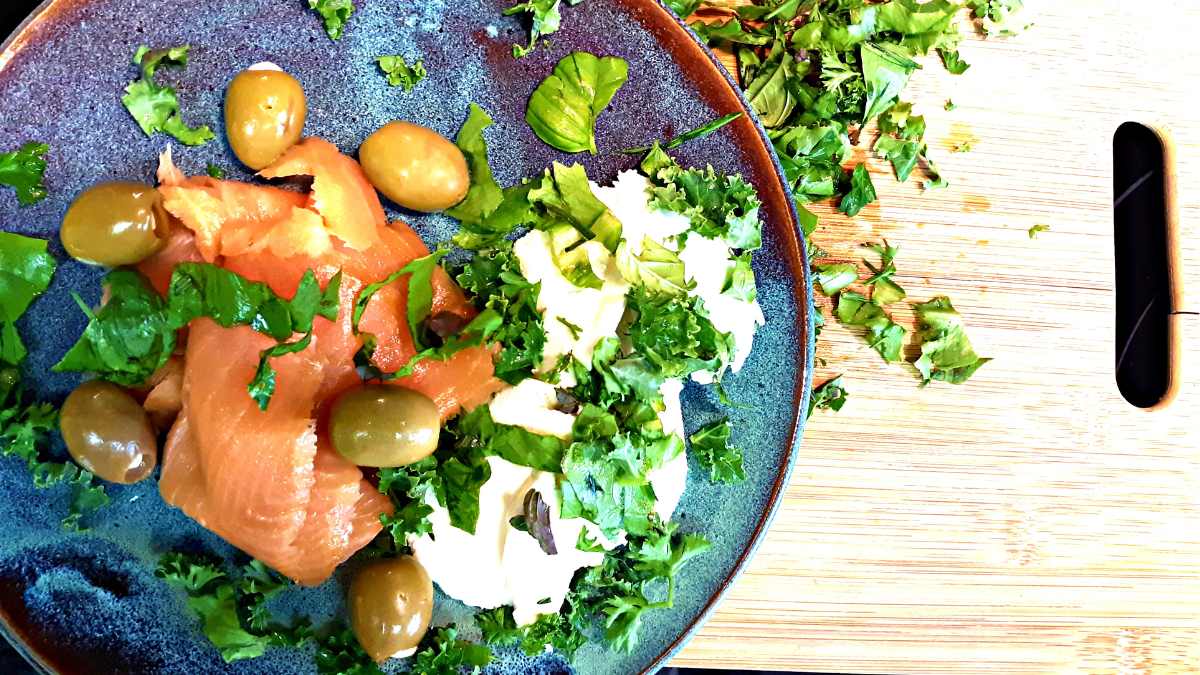


Introduction:
The Mediterranean diet is celebrated for its health benefits and emphasis on whole foods, rich flavors, and a balanced lifestyle. A common question arises among those interested in this dietary pattern: can canned tuna fit into the Mediterranean diet? This article explores the principles of the Mediterranean diet, the nutritional profile of canned tuna, its health benefits, potential risks, and how to incorporate it into meal plans effectively.
Understanding the Mediterranean Diet: Key Principles Explained
The Mediterranean diet is not just a meal plan; it is a lifestyle that emphasizes whole, minimally processed foods. Central to this diet are fruits, vegetables, whole grains, legumes, nuts, and seeds, complemented by healthy fats, particularly olive oil. The consumption of fish and seafood is encouraged, while red meat and processed foods are limited. This dietary pattern is rooted in the traditional eating habits of countries bordering the Mediterranean Sea, where the focus is on seasonal and local ingredients.
A key principle of the Mediterranean diet is the balance of macronutrients. It promotes a higher intake of healthy fats (about 25-35% of total calories), moderate carbohydrates (45-65%), and adequate protein (10-35%). This balance is essential for maintaining energy levels and overall health. The diet also encourages mindful eating, which involves savoring meals and enjoying them in a social context, contributing to both physical and mental well-being.
Another essential aspect is the variety of foods consumed. The Mediterranean diet is rich in antioxidants, vitamins, and minerals, thanks to the diverse range of fruits and vegetables included. This variety not only enhances flavor but also ensures a broad spectrum of nutrients that support various bodily functions. The inclusion of herbs and spices instead of salt further enhances the diet’s health benefits.
Lastly, the Mediterranean diet promotes physical activity as a crucial component of a healthy lifestyle. Regular exercise, combined with a diet rich in whole foods, contributes to better cardiovascular health, weight management, and overall longevity. This holistic approach makes the Mediterranean diet more than just a way of eating; it is a comprehensive lifestyle choice.
Nutritional Profile of Canned Tuna: A Comprehensive Overview
Canned tuna is a convenient and versatile source of protein, making it a popular choice for many. It is rich in high-quality protein, providing essential amino acids necessary for muscle repair and overall health. A typical serving of canned tuna (about 3 ounces) contains approximately 20-25 grams of protein, making it an excellent option for those looking to increase their protein intake without excessive calories.
In addition to protein, canned tuna is a significant source of omega-3 fatty acids, particularly EPA and DHA, which are known for their anti-inflammatory properties and benefits for heart health. These fatty acids are crucial for maintaining cardiovascular health, reducing the risk of chronic diseases, and supporting brain function. A serving of canned tuna can provide a substantial portion of the recommended daily intake of omega-3s.
Canned tuna also contains essential vitamins and minerals, including B vitamins (such as B12 and niacin), selenium, and phosphorus. These nutrients play vital roles in energy metabolism, immune function, and bone health. The presence of selenium, in particular, is noteworthy as it acts as a powerful antioxidant, helping to protect cells from oxidative stress.
However, it is essential to consider the type of canned tuna selected, as there are various options available, including albacore, skipjack, and light tuna. Each type has a different nutritional profile, particularly concerning mercury levels and fat content. Light tuna generally contains lower mercury levels and is often recommended for more frequent consumption, while albacore tuna has higher mercury levels and should be eaten in moderation.
Health Benefits of Canned Tuna in Mediterranean Cuisine
Incorporating canned tuna into the Mediterranean diet can offer numerous health benefits. One of the most notable advantages is its contribution to heart health. The omega-3 fatty acids found in tuna are known to lower triglyceride levels, reduce blood pressure, and decrease the risk of heart disease. Regular consumption of fish, including canned tuna, is associated with improved cardiovascular outcomes.
Canned tuna also supports weight management. Its high protein content can promote satiety, helping individuals feel full for longer periods. This can be particularly beneficial for those looking to maintain or lose weight while adhering to a balanced diet. Additionally, tuna is relatively low in calories, making it an excellent choice for nutritious meals without excessive caloric intake.
Moreover, the inclusion of canned tuna in Mediterranean cuisine can enhance nutrient diversity. Tuna can be easily added to salads, pasta dishes, or grain bowls, providing a quick and nutritious protein source. This versatility allows for creative meal preparation while ensuring that individuals receive a wide array of nutrients from various food groups.
Finally, canned tuna can contribute to sustainable eating practices. When sourced responsibly, tuna can be a more environmentally friendly choice compared to other protein sources. Opting for brands that prioritize sustainable fishing practices can help consumers make informed choices that align with both their health goals and environmental concerns.
Potential Risks of Consuming Canned Tuna Regularly
Despite its numerous health benefits, there are potential risks associated with the regular consumption of canned tuna. One of the primary concerns is mercury exposure. Tuna, particularly larger species like albacore and bluefin, can accumulate higher levels of mercury due to their position in the food chain. High mercury levels can pose health risks, particularly for vulnerable populations such as pregnant women, nursing mothers, and young children.
To mitigate the risk of mercury exposure, it is advisable to limit the intake of certain types of tuna. The FDA recommends that individuals consume no more than 6 ounces of albacore tuna per week and encourages the consumption of light tuna, which generally has lower mercury levels. Awareness of these guidelines is essential for maintaining a healthy balance while enjoying canned tuna.
Another potential risk is the sodium content found in some canned tuna products. Many brands add salt during the canning process, which can contribute to excessive sodium intake if consumed in large quantities. High sodium intake is associated with elevated blood pressure and increased risk of cardiovascular disease. Choosing low-sodium or no-salt-added options can help mitigate this risk while still enjoying the benefits of canned tuna.
Lastly, individuals with specific dietary restrictions or allergies should exercise caution when consuming canned tuna. Some products may contain added ingredients or preservatives that could trigger allergic reactions or sensitivities. Reading labels carefully and opting for products with minimal additives is crucial for those with dietary concerns.
Incorporating Canned Tuna into Mediterranean Meal Plans
Incorporating canned tuna into Mediterranean meal plans can be both simple and delicious. One popular option is to create a Mediterranean tuna salad, combining canned tuna with ingredients like cherry tomatoes, cucumbers, red onion, olives, and a drizzle of olive oil and lemon juice. This salad can be served on a bed of greens or as a filling for whole-grain pita bread.
Another way to enjoy canned tuna is by adding it to pasta dishes. A quick and healthy option is to toss whole-grain pasta with canned tuna, sautéed garlic, spinach, and cherry tomatoes, finishing with a sprinkle of feta cheese and fresh herbs. This dish not only provides a balanced meal but also incorporates various food groups typical of the Mediterranean diet.
Canned tuna can also be used in grain bowls, where it serves as a protein source alongside quinoa, brown rice, or farro. Topping the bowl with roasted vegetables, avocado, and a tahini dressing can create a nourishing and satisfying meal. This approach allows for endless variations, making it easy to incorporate seasonal produce and personal preferences.
Lastly, for those who enjoy snacks, canned tuna can be transformed into tuna spreads or dips. Mixing canned tuna with Greek yogurt, mustard, and herbs creates a protein-packed spread that can be enjoyed with whole-grain crackers or vegetable sticks. This snack option aligns well with the Mediterranean diet’s focus on healthy, whole foods.
Conclusions:
Canned tuna can indeed play a valuable role in a balanced Mediterranean diet. Its high protein content, omega-3 fatty acids, and versatility make it a convenient option for those seeking to enhance their meals with nutritious ingredients. However, it is essential to be mindful of potential risks, such as mercury exposure and sodium content, and to choose products wisely. By incorporating canned tuna thoughtfully into meal plans, individuals can enjoy its benefits while adhering to the Mediterranean diet’s principles of health and well-being.
Read more
- Mediterranean Diet Overview – A comprehensive guide to the Mediterranean diet, its principles, and health benefits.
- Nutritional Information of Canned Tuna – USDA FoodData Central provides detailed nutritional profiles for various food items, including canned tuna.
- Mercury Levels in Fish – FDA guidelines on mercury levels in fish and recommendations for safe consumption.
- Health Benefits of Omega-3 Fatty Acids – A scientific article discussing the health benefits of omega-3 fatty acids found in fish like tuna.
- Sustainable Seafood Guide – A resource for consumers to make informed choices about sustainable seafood options, including canned tuna.