

Introduction:
The Mediterranean diet, celebrated for its health benefits and emphasis on whole foods, has gained global recognition. Central to this dietary pattern is the inclusion of a variety of foods, including fruits, vegetables, whole grains, nuts, seeds, and healthy fats, particularly olive oil. Among the protein sources, eggs often spark curiosity regarding their consumption levels. This article delves into how many eggs one can eat while adhering to the Mediterranean diet, exploring nutritional values, regional variations, and practical tips for incorporation.
Understanding the Mediterranean Diet and Its Principles
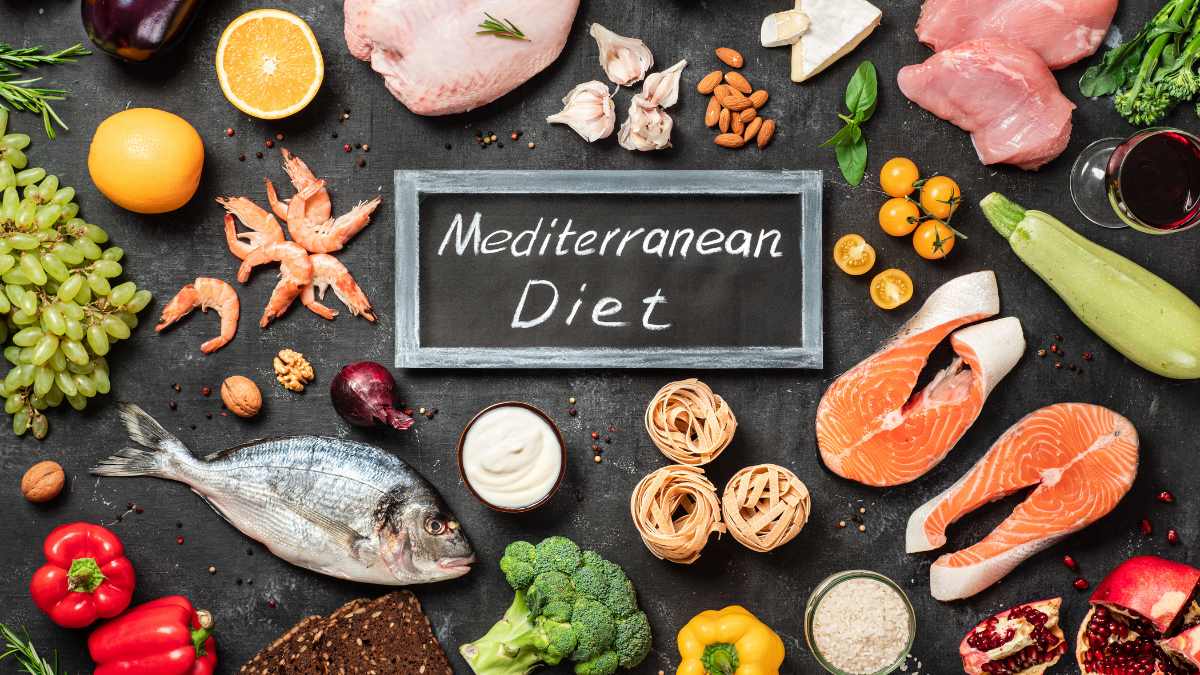
The Mediterranean diet is not just a meal plan; it is a lifestyle that emphasizes the consumption of fresh, seasonal, and local foods. Core principles include a high intake of plant-based foods, moderate consumption of fish and poultry, and limited intake of red meat and processed foods. This diet is also characterized by the use of olive oil as the primary fat source, which is rich in monounsaturated fats and antioxidants.
Another essential aspect of the Mediterranean diet is the balance of macronutrients. It typically comprises 40-50% carbohydrates, 30-40% fats, and 15-20% proteins. This balance supports overall health and weight management while providing essential nutrients. The diet is also known for its anti-inflammatory properties, which can help reduce the risk of chronic diseases.
Social and cultural practices play a significant role in the Mediterranean lifestyle. Meals are often enjoyed with family and friends, fostering a sense of community and promoting mindful eating. This social aspect encourages individuals to savor their food, which can lead to better digestion and satisfaction.
Lastly, the Mediterranean diet is adaptable, allowing for regional variations based on local food availability and cultural preferences. This adaptability makes it easier for individuals worldwide to incorporate its principles into their daily lives.
Nutritional Composition of Eggs in the Mediterranean Context
Eggs are a nutrient-dense food, providing high-quality protein, essential vitamins, and minerals. One large egg contains about 6 grams of protein, along with significant amounts of vitamin B12, riboflavin, and selenium. Additionally, eggs are a source of healthy fats, with approximately 5 grams of fat per egg, predominantly unsaturated fats.
In the context of the Mediterranean diet, eggs are often viewed as a versatile protein source. They can be prepared in various ways, from boiled and poached to scrambled or baked, making them easy to incorporate into different meals. Their rich nutrient profile complements the diet’s emphasis on whole foods and balanced nutrition.
Moreover, eggs contain choline, a nutrient essential for brain health and development. This makes them particularly beneficial for individuals looking to support cognitive function and overall well-being. The presence of antioxidants like lutein and zeaxanthin in egg yolks also contributes to eye health, aligning with the Mediterranean diet’s focus on nutrient-rich foods.
Despite their nutritional benefits, eggs have been subject to scrutiny regarding cholesterol content. However, recent studies suggest that moderate egg consumption does not significantly impact heart disease risk for most individuals, particularly when consumed as part of a balanced diet.
Recommended Egg Consumption for Optimal Health Benefits
While the Mediterranean diet does not prescribe strict limits on egg consumption, many nutritionists recommend a moderate intake of about three to four eggs per week. This amount allows individuals to enjoy the health benefits of eggs while minimizing potential risks associated with high cholesterol levels.
Incorporating eggs into a balanced diet can provide essential nutrients without displacing other important food groups. For instance, pairing eggs with vegetables, whole grains, and healthy fats can create a well-rounded meal. This approach aligns with the Mediterranean diet’s principles of variety and balance.
It’s essential to consider individual health conditions when determining egg consumption. For individuals with specific dietary restrictions or health concerns, such as hypercholesterolemia, consulting a healthcare professional or registered dietitian can provide personalized guidance. They can help assess individual needs and recommend appropriate egg intake.
Ultimately, the key is to enjoy eggs as part of a diverse diet rich in fruits, vegetables, whole grains, and healthy fats. This balance not only supports overall health but also aligns with the Mediterranean lifestyle.
Factors Influencing Egg Intake on the Mediterranean Diet
Several factors influence egg consumption within the Mediterranean diet, including cultural practices, regional availability, and personal preferences. In some Mediterranean countries, eggs are a staple food, often featured in traditional dishes. For example, in Spain, the famous Spanish omelet (tortilla) is a popular dish that highlights the versatility of eggs.
Seasonality also plays a role in egg consumption. In regions where eggs are produced locally, they are more likely to be incorporated into daily meals. This aligns with the Mediterranean diet’s emphasis on eating seasonal and local foods, which enhances flavor and nutritional value.
Economic factors can also affect egg intake. In areas where eggs are more affordable, they may be consumed more frequently. Conversely, in regions where eggs are considered a luxury item, consumption may be limited. This economic disparity can influence dietary patterns and overall health outcomes.
Finally, personal dietary choices and health beliefs can impact egg consumption. Some individuals may choose to limit or eliminate eggs due to dietary preferences, such as vegetarianism or veganism. Understanding these factors can help individuals make informed decisions about their egg intake within the framework of the Mediterranean diet.
Comparing Egg Consumption Across Mediterranean Regions
Egg consumption varies significantly across different Mediterranean countries and regions. For instance, in Greece, eggs are commonly used in traditional dishes such as avgolemono, a lemony chicken soup thickened with egg. In contrast, Italian cuisine often features eggs in pasta dishes and frittatas, showcasing their versatility.
In Spain, eggs are a central ingredient in many popular dishes, including the aforementioned tortilla. The high consumption of eggs in Spain reflects cultural preferences and culinary traditions that celebrate this ingredient. This regional variation highlights how local customs and food practices shape dietary habits.
Conversely, in some Mediterranean regions, such as parts of North Africa, egg consumption may be lower due to dietary restrictions or cultural practices. In these areas, other protein sources, such as legumes and fish, may take precedence. Understanding these regional differences provides insight into the diverse ways the Mediterranean diet is practiced.
Additionally, the availability of eggs and their cost can influence consumption patterns. In regions where eggs are produced locally and are inexpensive, they are more likely to be consumed regularly. This accessibility contributes to their integration into the local diet.
Practical Tips for Incorporating Eggs into Your Diet
Incorporating eggs into your Mediterranean diet can be both enjoyable and nutritious. One practical tip is to experiment with different cooking methods. Try boiling, poaching, or scrambling eggs, and consider adding them to salads, grain bowls, or vegetable stir-fries for added protein and flavor.
Another way to enjoy eggs is by pairing them with other Mediterranean staples. For example, serve a poached egg over a bed of sautéed spinach and whole grain toast, drizzled with olive oil and topped with feta cheese. This combination not only enhances the nutritional profile but also adds a burst of flavor.
Meal prepping can also help you incorporate eggs into your diet more easily. Prepare a batch of hard-boiled eggs at the beginning of the week for a quick snack or a convenient addition to salads and sandwiches. This strategy ensures that you have healthy options readily available, making it easier to stick to your dietary goals.
Finally, consider the social aspect of eating eggs. Share meals with family and friends, and explore traditional Mediterranean recipes that highlight eggs. This approach not only enhances the enjoyment of food but also fosters a sense of community and connection, central to the Mediterranean lifestyle.
Conclusions:
In summary, the Mediterranean diet allows for moderate egg consumption, typically recommended at three to four eggs per week. Eggs are a nutrient-dense food that can be easily incorporated into various meals, supporting the diet’s principles of balance and variety. Regional variations and cultural practices influence egg intake, highlighting the adaptability of the Mediterranean diet. By experimenting with different cooking methods and meal combinations, individuals can enjoy the health benefits of eggs while embracing the Mediterranean lifestyle.
Read more
- Mediterranean Diet Basics – A comprehensive overview of the Mediterranean diet, its principles, and health benefits.
- Egg Nutrition – An in-depth look at the nutritional composition of eggs and their role in a balanced diet.
- The Mediterranean Diet and Heart Health – Insights into how the Mediterranean diet, including egg consumption, can impact heart health.
- Eggs and Cholesterol: What You Need to Know – A scientific review discussing the relationship between egg consumption and cholesterol levels.
- Culinary Traditions of the Mediterranean – A resource exploring the diverse culinary practices across Mediterranean regions and their impact on dietary habits.