Introduction:
The Mediterranean diet is widely acclaimed for its health benefits and emphasis on whole foods, healthy fats, and a balanced lifestyle. Characterized by a high intake of fruits, vegetables, whole grains, legumes, nuts, and healthy fats, this dietary pattern has garnered attention for its potential to reduce the risk of chronic diseases. Among the foods that have sparked debate regarding their inclusion in this diet is the avocado. This article will explore the relationship between avocado and the Mediterranean diet through various lenses, including its nutritional profile, traditional culinary uses, health benefits, and comparisons with other fats and oils commonly used in Mediterranean cuisine.
Understanding the Mediterranean Diet: Key Components Explained
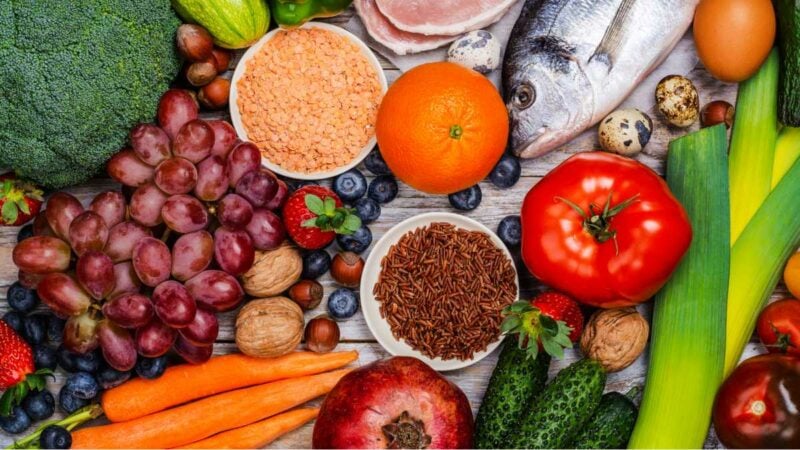
The Mediterranean diet is a nutritional model inspired by the traditional eating habits of countries bordering the Mediterranean Sea, such as Greece, Italy, and Spain. It emphasizes a variety of whole, minimally processed foods and encourages the consumption of plant-based ingredients. Key components include a high intake of fruits and vegetables, whole grains, legumes, nuts, and seeds, complemented by moderate consumption of dairy, fish, and poultry. Red meat and sweets are limited, promoting a balanced approach to nutrition.
A hallmark of the Mediterranean diet is its focus on healthy fats, primarily derived from olive oil, nuts, and fish. Olive oil is particularly celebrated for its monounsaturated fatty acids and antioxidant properties, which contribute to cardiovascular health. The diet also encourages the consumption of fish rich in omega-3 fatty acids, such as sardines and salmon, which are known for their anti-inflammatory benefits.
In addition to dietary components, the Mediterranean lifestyle promotes physical activity and social connections, emphasizing the importance of enjoying meals with family and friends. This holistic approach to well-being is a significant factor contributing to the diet’s success in promoting longevity and reducing the risk of chronic diseases.
As the Mediterranean diet gains popularity worldwide, questions arise regarding the inclusion of foods like avocado, which, while not traditionally Mediterranean, has become a staple in many modern diets. Understanding the core principles of the Mediterranean diet is essential in evaluating whether avocado fits within this dietary framework.
Nutritional Profile of Avocado: A Comprehensive Analysis
Avocado is often lauded for its rich nutritional profile, making it a popular choice among health-conscious individuals. It is an excellent source of monounsaturated fats, particularly oleic acid, which is known for its heart-health benefits. A typical avocado contains about 15 grams of fat per 100 grams, with approximately 10 grams being monounsaturated fat. This makes it a valuable addition to a diet that prioritizes healthy fats.
In addition to healthy fats, avocados are rich in essential vitamins and minerals. They provide significant amounts of vitamin K, vitamin E, vitamin C, and several B vitamins, including folate. These nutrients play vital roles in various bodily functions, including immune support, skin health, and energy metabolism. Avocados are also a good source of potassium, which is critical for maintaining healthy blood pressure levels.
Moreover, avocados are high in dietary fiber, with about 7 grams per 100 grams. This fiber content aids in digestion, promotes satiety, and can help regulate blood sugar levels. The combination of healthy fats, vitamins, and fiber makes avocado a nutrient-dense food that can contribute positively to overall health.
Despite its numerous health benefits, the caloric density of avocado—approximately 160 calories per 100 grams—means that portion control is essential, especially for those monitoring their caloric intake. Understanding the nutritional profile of avocado is crucial in assessing its compatibility with the Mediterranean diet.
Avocado’s Role in Traditional Mediterranean Cuisine
While avocado is not a traditional ingredient in Mediterranean cuisine, its popularity has surged in recent years, particularly in modern interpretations of Mediterranean dishes. Traditionally, Mediterranean diets relied heavily on ingredients such as olives, nuts, and seeds for healthy fats. However, the global rise of avocado consumption has led to its incorporation into various dishes, including salads, spreads, and even as a topping for toast.
In Mediterranean countries, avocados are often paired with local ingredients, such as tomatoes, citrus, and herbs, creating fresh and vibrant dishes. For instance, an avocado salad with tomatoes, feta cheese, and a drizzle of olive oil reflects the Mediterranean ethos of using fresh, seasonal ingredients. This fusion demonstrates how avocado can complement traditional flavors while maintaining the essence of Mediterranean cooking.
Moreover, the versatility of avocado allows it to be used in both savory and sweet dishes. It can be blended into smoothies, used as a creamy base for dressings, or even incorporated into desserts like chocolate mousse. This adaptability has made avocado a popular choice among chefs and home cooks alike, expanding its role in contemporary Mediterranean cuisine.
Despite its non-traditional status, the inclusion of avocado in Mediterranean-inspired meals can enhance the overall nutritional profile of dishes, providing additional healthy fats and nutrients. As culinary boundaries continue to blur, the avocado’s presence in Mediterranean cuisine reflects a broader trend of embracing diverse ingredients while honoring traditional dietary principles.
Health Benefits of Avocado in the Mediterranean Context
The health benefits of avocado align well with the principles of the Mediterranean diet, which is associated with numerous positive health outcomes. Research suggests that incorporating avocados into a balanced diet can contribute to improved heart health. The high monounsaturated fat content of avocados can help lower LDL cholesterol levels while raising HDL cholesterol, promoting a healthier lipid profile.
Additionally, avocados are rich in antioxidants, such as lutein and zeaxanthin, which are beneficial for eye health. These compounds help protect the eyes from oxidative stress and may reduce the risk of age-related macular degeneration. In the context of the Mediterranean diet, which emphasizes the consumption of colorful fruits and vegetables, avocados can further enhance the antioxidant intake.
The fiber content in avocados also plays a crucial role in digestive health. A high-fiber diet is linked to a lower risk of gastrointestinal disorders and can aid in weight management by promoting feelings of fullness. This aligns with the Mediterranean diet’s focus on whole, unprocessed foods that support healthy digestion and weight control.
Moreover, the anti-inflammatory properties of avocados can contribute to the overall health benefits associated with the Mediterranean diet. Chronic inflammation is a risk factor for various diseases, including heart disease and diabetes. By incorporating avocados into meals, individuals can potentially reduce inflammation and enhance their overall well-being.
Comparing Avocado with Other Mediterranean Fats and Oils
When evaluating the role of avocado in the Mediterranean diet, it is essential to compare it with other sources of fats commonly used in this dietary pattern. Olive oil, often regarded as the cornerstone of the Mediterranean diet, is rich in monounsaturated fats and antioxidants. It has been extensively studied for its cardiovascular benefits and is a primary source of healthy fat in Mediterranean cooking.
While avocado also provides healthy monounsaturated fats, it differs in its nutrient composition. For instance, olive oil is primarily composed of fat, while avocado contains a broader spectrum of nutrients, including fiber, vitamins, and minerals. This makes avocado a more nutrient-dense option, although olive oil is still favored for its culinary versatility and flavor.
Nuts and seeds are another significant source of healthy fats in the Mediterranean diet. Almonds, walnuts, and sunflower seeds offer a range of nutrients, including protein, fiber, and essential fatty acids. Avocado can complement these foods in a balanced diet, providing additional healthy fats and a creamy texture to dishes.
Ultimately, the choice between avocado and traditional Mediterranean fats may come down to personal preference and dietary goals. Both options offer unique health benefits and can be incorporated into a well-rounded Mediterranean diet. The key is to maintain a balance and variety of healthy fats to maximize the nutritional benefits of this dietary pattern.
Conclusions:
The inclusion of avocado in the Mediterranean diet is a topic of ongoing debate. While it is not a traditional component of Mediterranean cuisine, its nutritional profile and health benefits align well with the principles of this dietary pattern. Avocado offers a rich source of monounsaturated fats, vitamins, and fiber, making it a valuable addition to a balanced diet.
As culinary trends evolve, the fusion of traditional Mediterranean flavors with modern ingredients like avocado reflects the adaptability of this dietary model. By incorporating avocado into Mediterranean-inspired dishes, individuals can enhance their nutrient intake while enjoying the flavors and benefits of this celebrated diet.
In conclusion, while avocado may not be a staple in traditional Mediterranean cooking, its health benefits and versatility make it a worthy consideration for those following or adopting the Mediterranean diet. The key lies in moderation and balance, ensuring that the essence of the Mediterranean lifestyle is preserved while embracing new and nutritious foods.
Read more
- Mediterranean Diet Basics – A comprehensive overview of the Mediterranean diet, including its key components and health benefits.
- Nutritional Profile of Avocado – An in-depth analysis of the nutritional content of avocados and their health implications.
- Health Benefits of Avocados – A detailed look at the various health benefits associated with avocado consumption.
- Olive Oil vs. Avocado Oil – A comparison of olive oil and avocado oil, discussing their nutritional profiles and culinary uses.
- The Role of Healthy Fats in the Mediterranean Diet – An exploration of the importance of healthy fats in the Mediterranean diet and their impact on health outcomes.