
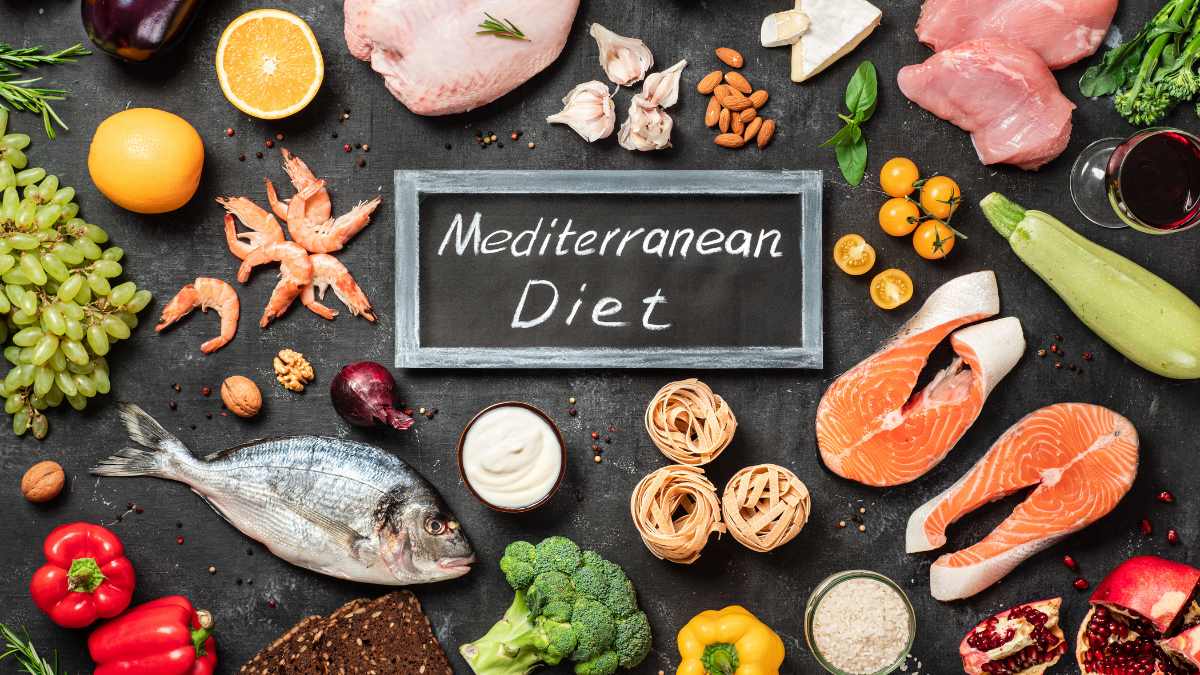

Introduction: The Mediterranean diet is often hailed as one of the healthiest dietary patterns in the world. Characterized by its emphasis on fruits, vegetables, whole grains, and healthy fats, this diet has been linked to numerous health benefits, including reduced risk of chronic diseases. One of the staple components of this diet is bread, which has been a fundamental part of Mediterranean cuisine for centuries. In this article, we will explore whether bread is indeed a component of the Mediterranean diet by examining its role, nutritional profile, historical context, health benefits, and the various bread varieties found in the region.
Introduction to the Mediterranean Diet
The Mediterranean diet is inspired by the traditional eating habits of countries bordering the Mediterranean Sea, such as Greece, Italy, and Spain. This diet emphasizes the consumption of plant-based foods, healthy fats, and lean proteins, while minimizing the intake of processed foods and red meat. Key components include olive oil, fruits, vegetables, legumes, nuts, seeds, whole grains, and moderate amounts of fish and poultry.
One of the distinguishing features of the Mediterranean diet is its focus on whole, minimally processed foods. This approach not only provides essential nutrients but also supports overall health and well-being. The diet is rich in antioxidants, fiber, and healthy fats, which contribute to its numerous health benefits, including reduced inflammation, improved heart health, and better weight management.
The Mediterranean diet is also known for its cultural and social aspects. Meals are often enjoyed with family and friends, and there is an emphasis on mindful eating and savoring the flavors of the food. This holistic approach to eating promotes a healthy relationship with food and encourages a balanced lifestyle.
Research has shown that adherence to the Mediterranean diet is associated with a lower risk of chronic diseases, such as cardiovascular disease, type 2 diabetes, and certain cancers. The diet’s emphasis on whole foods and healthy fats, particularly from olive oil, is believed to be a key factor in its protective effects.
In addition to its health benefits, the Mediterranean diet is also environmentally sustainable. The focus on plant-based foods and reduced consumption of animal products aligns with recommendations for a more sustainable and eco-friendly diet. This makes the Mediterranean diet not only beneficial for individual health but also for the planet.
Overall, the Mediterranean diet is a well-rounded and balanced eating pattern that promotes long-term health and well-being. Its emphasis on whole, minimally processed foods, healthy fats, and social aspects of eating make it a sustainable and enjoyable way to nourish the body and mind.
The Role of Bread in Mediterranean Cuisine
Bread has been a staple food in Mediterranean cuisine for thousands of years. It is often served at every meal, from breakfast to dinner, and is used in a variety of dishes, from simple sandwiches to elaborate feasts. In Mediterranean cultures, bread is not just a source of sustenance but also a symbol of hospitality and community.
In many Mediterranean countries, bread is made using traditional methods and ingredients, such as whole grains and sourdough starters. This results in bread that is not only delicious but also nutritious. Whole grain breads, in particular, are rich in fiber, vitamins, and minerals, making them a healthy choice for those following the Mediterranean diet.
Bread is often used as a vehicle for other healthy foods in the Mediterranean diet. For example, it is commonly paired with olive oil, which is a rich source of monounsaturated fats and antioxidants. Dipping bread in olive oil is a simple yet flavorful way to enjoy the health benefits of both foods.
In addition to being a staple food, bread also plays a role in various traditional dishes and culinary practices in the Mediterranean region. For example, in Greece, bread is often used to make "dakos," a traditional dish made with barley rusk, tomatoes, olive oil, and feta cheese. In Italy, bread is used to make "bruschetta," a popular appetizer made with toasted bread, garlic, tomatoes, and olive oil.
Bread is also an important part of religious and cultural rituals in the Mediterranean region. For example, in many Mediterranean countries, special breads are made for religious holidays and celebrations. These breads are often rich in symbolism and are used in various rituals and ceremonies.
Overall, bread plays a central role in Mediterranean cuisine and culture. Its versatility, nutritional value, and cultural significance make it an integral part of the Mediterranean diet.
Nutritional Profile of Mediterranean Bread
Mediterranean bread, particularly when made from whole grains, offers a robust nutritional profile that aligns well with the principles of the Mediterranean diet. Whole grain breads are rich in dietary fiber, which is essential for digestive health and helps maintain steady blood sugar levels. Fiber also contributes to a feeling of fullness, which can aid in weight management.
In addition to fiber, whole grain breads provide a variety of essential vitamins and minerals. These include B vitamins, which are important for energy metabolism, and minerals such as iron, magnesium, and zinc. Iron is crucial for oxygen transport in the blood, magnesium supports muscle and nerve function, and zinc is essential for immune health.
Mediterranean bread is also a good source of complex carbohydrates, which provide a steady release of energy throughout the day. Unlike refined carbohydrates, which can cause rapid spikes and drops in blood sugar levels, the complex carbohydrates in whole grain bread are digested more slowly, providing sustained energy and helping to prevent energy crashes.
Another important aspect of Mediterranean bread is its low glycemic index (GI). Foods with a low GI are digested and absorbed more slowly, leading to a gradual rise in blood sugar levels. This can be particularly beneficial for individuals with diabetes or those looking to manage their blood sugar levels.
The fermentation process used in traditional bread-making methods, such as sourdough fermentation, can also enhance the nutritional profile of Mediterranean bread. Fermentation can increase the bioavailability of certain nutrients, making them easier for the body to absorb. It can also reduce the levels of antinutrients, such as phytic acid, which can inhibit the absorption of minerals.
Overall, the nutritional profile of Mediterranean bread makes it a valuable component of the Mediterranean diet. Its rich content of fiber, vitamins, minerals, and complex carbohydrates, along with its low glycemic index and benefits from fermentation, contribute to its health-promoting properties.
Historical Context of Bread in the Region
Bread has a long and storied history in the Mediterranean region, dating back thousands of years. Archaeological evidence suggests that bread-making practices were present in ancient civilizations such as Egypt, Greece, and Rome. These early breads were often made from barley, wheat, and other grains that were cultivated in the region.
In ancient Egypt, bread was a staple food and played a central role in the diet of both the wealthy and the poor. The Egyptians are credited with developing some of the earliest leavened breads, using natural fermentation processes. Bread was so important in ancient Egyptian society that it was often used as a form of currency and offered as a tribute to the gods.
In ancient Greece, bread was also a fundamental part of the diet. The Greeks developed various types of bread, including flatbreads and leavened loaves. Bread was often accompanied by olives, cheese, and wine, forming the basis of many traditional Greek meals. The Greeks also introduced the concept of communal bread ovens, which became a central feature of many villages and towns.
The Romans further advanced bread-making techniques, introducing new grains and refining the fermentation process. Roman bakers were highly skilled and produced a wide variety of breads, from simple flatbreads to elaborate loaves enriched with honey, milk, and spices. Bread was an essential part of the Roman diet and was often distributed to citizens as part of the "annona," a state-sponsored grain dole.
Throughout the Middle Ages and into the Renaissance, bread continued to be a staple food in the Mediterranean region. Various types of bread were developed, reflecting the diverse cultures and culinary traditions of the region. Bread-making techniques were passed down through generations, preserving the rich heritage of bread in Mediterranean cuisine.
Today, the historical significance of bread in the Mediterranean region is still evident. Traditional bread-making methods and recipes are preserved and celebrated, and bread remains a central part of the Mediterranean diet. The historical context of bread in the region highlights its enduring importance and cultural significance.
Health Benefits of Including Bread
Including bread as part of a balanced Mediterranean diet can offer several health benefits. When made from whole grains, bread provides a rich source of dietary fiber, which supports digestive health and can help prevent constipation. Fiber also plays a role in maintaining healthy cholesterol levels and reducing the risk of cardiovascular disease.
The complex carbohydrates found in whole grain bread provide a steady source of energy, which can help maintain stable blood sugar levels and prevent energy crashes. This can be particularly beneficial for individuals with diabetes or those looking to manage their blood sugar levels. The low glycemic index of whole grain bread further supports blood sugar control.
Whole grain bread is also rich in essential vitamins and minerals, including B vitamins, iron, magnesium, and zinc. These nutrients are important for various bodily functions, such as energy metabolism, oxygen transport, muscle and nerve function, and immune health. Including whole grain bread in the diet can help ensure adequate intake of these essential nutrients.
The fermentation process used in traditional bread-making methods, such as sourdough fermentation, can enhance the nutritional profile of bread. Fermentation can increase the bioavailability of certain nutrients, making them easier for the body to absorb. It can also reduce the levels of antinutrients, such as phytic acid, which can inhibit the absorption of minerals.
In addition to its nutritional benefits, bread can also contribute to a sense of satiety and satisfaction. The fiber and complex carbohydrates in whole grain bread can help promote feelings of fullness, which can aid in weight management. Including bread as part of a balanced meal can help prevent overeating and support healthy weight maintenance.
Overall, including bread as part of a balanced Mediterranean diet can offer numerous health benefits. Its rich content of fiber, vitamins, minerals, and complex carbohydrates, along with the benefits of fermentation, make it a valuable component of a healthy diet. When consumed in moderation and as part of a varied diet, bread can contribute to overall health and well-being.
Bread Varieties in Mediterranean Diet
The Mediterranean region is home to a diverse array of bread varieties, each with its unique characteristics and cultural significance. These breads are often made using traditional methods and ingredients, reflecting the rich culinary heritage of the region.
One of the most well-known bread varieties in the Mediterranean diet is "pita bread," which is commonly consumed in countries such as Greece, Turkey, and Lebanon. Pita bread is a soft, round flatbread with a pocket that can be filled with various ingredients, such as vegetables, meats, and sauces. It is often used to make popular dishes like gyros and falafel wraps.
Another popular bread variety is "focaccia," an Italian flatbread that is typically seasoned with olive oil, salt, and herbs. Focaccia can be enjoyed on its own or used as a base for sandwiches and other dishes. Its light, airy texture and rich flavor make it a favorite in Italian cuisine.
In Spain, "pan con tomate" is a traditional bread dish made with toasted bread, rubbed with ripe tomatoes, and drizzled with olive oil. This simple yet flavorful dish is often enjoyed as a tapa or appetizer and highlights the importance of bread in Spanish cuisine.
In the Middle Eastern countries, "lavash" is a traditional flatbread that is often used as a wrap for various fillings. Lavash is thin and flexible, making it ideal for rolling and wrapping. It is commonly served with kebabs, dips, and spreads, adding a delicious and versatile element to meals.
"Barbari bread" is a traditional Iranian bread that is known for its thick, chewy texture and distinctive ridged surface. It is often topped with sesame seeds and enjoyed with cheese, herbs, and other accompaniments. Barbari bread is a staple in Iranian cuisine and is often served with breakfast or as part of a traditional meal.
Finally, "daktyla" is a traditional Greek bread that is characterized by its elongated shape and soft, fluffy texture. It is often made with a mixture of wheat and barley flour and is typically enjoyed with olive oil, cheese, and other traditional Greek foods. Daktyla is a beloved bread variety in Greece and is often served at family gatherings and celebrations.
These diverse bread varieties highlight the importance of bread in the Mediterranean diet and its role in the culinary traditions of the region. Each type of bread brings its unique flavors and textures to the table, contributing to the richness and diversity of Mediterranean cuisine.
Conclusion: Bread is undoubtedly a component of the Mediterranean diet, playing a central role in the cuisine and culture of the region. Its nutritional profile, historical significance, and health benefits make it a valuable addition to a balanced diet. The diverse bread varieties found in the Mediterranean region reflect the rich culinary heritage and traditions of the area. When consumed in moderation and as part of a varied diet, bread can contribute to overall health and well-being.
Read More…
- Mediterranean Diet: A Heart-Healthy Eating Plan – Mayo Clinic provides an overview of the Mediterranean diet and its health benefits.
- The Mediterranean Diet: An Evidence-Based Overview and Update – A comprehensive review of the Mediterranean diet, published in the journal "Nutrients."
- Whole Grains and Fiber: Health Benefits – Harvard T.H. Chan School of Public Health discusses the health benefits of whole grains and fiber.
- Traditional Bread Making: The Benefits of Sourdough – An article on the benefits of traditional bread-making methods, including sourdough fermentation, published in "Frontiers in Microbiology."
- Bread in Ancient Egypt – An informative article on the historical significance of bread in ancient Egyptian society, published by Ancient History Encyclopedia.