

Se hai un abbonamento attivo ACCEDI QUI
Introduction:
The Mediterranean diet is often lauded for its health benefits, including reduced risk of heart disease, improved metabolic health, and enhanced longevity. This eating pattern emphasizes whole foods, healthy fats, and a variety of plant-based ingredients. However, one question frequently arises: is bread allowed on a Mediterranean diet? To understand this, we must delve into the principles of the Mediterranean diet, the role of bread in traditional Mediterranean cuisine, and the nutritional aspects of different types of bread.
Understanding the Mediterranean Diet: Key Principles Explained
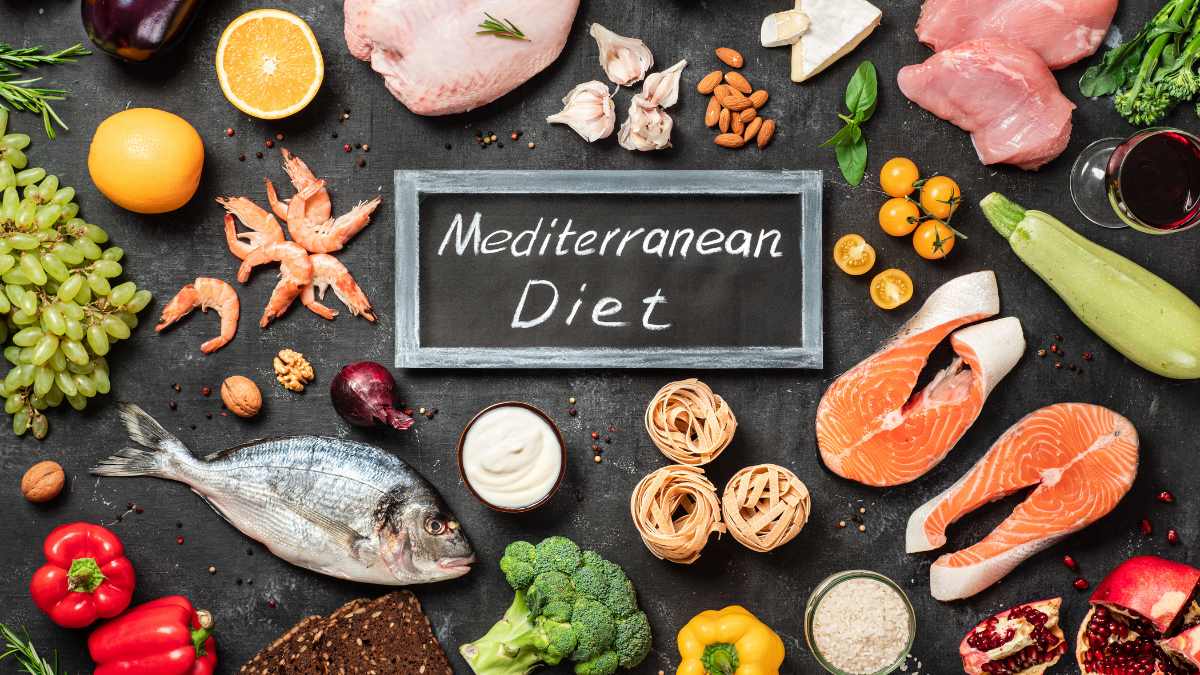
The Mediterranean diet is based on the traditional eating habits of countries bordering the Mediterranean Sea. It emphasizes the consumption of fruits, vegetables, whole grains, legumes, nuts, and healthy fats, particularly olive oil. This diet also encourages moderate consumption of fish and poultry, while limiting red meat and processed foods. Dairy products, mainly in the form of cheese and yogurt, are included in moderation.
A cornerstone of this dietary pattern is its focus on whole, minimally processed foods. This approach not only provides essential nutrients but also promotes a balanced intake of macronutrients and micronutrients. The Mediterranean diet is rich in antioxidants, fiber, and healthy fats, contributing to its reputation as a heart-healthy eating plan. Additionally, it encourages social interaction and mindful eating, which are essential components of a healthy lifestyle.
The Mediterranean diet is not just a set of food guidelines; it is a lifestyle that emphasizes enjoyment and appreciation of food. Meals are often shared with family and friends, fostering a sense of community and well-being. This cultural aspect is integral to the diet’s success in promoting long-term health benefits.
Understanding these key principles sets the stage for evaluating the role of bread within this dietary framework. Bread has been a staple in many Mediterranean cultures for centuries, and its inclusion in the diet warrants careful consideration.
The Role of Bread in Traditional Mediterranean Cuisine
In traditional Mediterranean cuisine, bread is more than just a side dish; it is often considered a fundamental component of meals. Various types of bread, such as pita, focaccia, and ciabatta, are commonly served alongside dishes like hummus, olive oil, and fresh vegetables. Bread acts as a vehicle for flavors, enhancing the overall dining experience.
Bread is also culturally significant in many Mediterranean countries. For instance, in Italy, bread is an essential part of the meal, often used to soak up sauces or accompany antipasti. In Greece, pita bread is a staple that complements dishes like gyros and souvlaki. This cultural integration of bread highlights its importance in social and culinary traditions.
However, it’s essential to distinguish between the types of bread consumed. Traditional Mediterranean breads are often made from whole grains and contain minimal additives, which aligns with the diet’s emphasis on whole foods. These breads are typically lower in sugar and refined ingredients, making them a healthier choice.
Despite its prominence, the consumption of bread should be balanced with other dietary components. The Mediterranean diet encourages variety, and while bread can be included, it should not overshadow the intake of vegetables, fruits, and proteins.
Nutritional Composition of Common Mediterranean Breads
The nutritional composition of Mediterranean breads varies significantly based on the ingredients used. Whole grain breads, such as whole wheat pita or sourdough, are rich in fiber, vitamins, and minerals. They provide essential nutrients that support digestive health and help maintain stable blood sugar levels.
In contrast, refined breads, which are made from white flour, often lack these beneficial nutrients. They are typically lower in fiber and may lead to rapid spikes in blood sugar. This difference underscores the importance of choosing the right type of bread when following a Mediterranean diet.
Many traditional Mediterranean breads also incorporate ingredients like olive oil, herbs, and seeds, enhancing their nutritional profile. For example, focaccia often includes olive oil, which adds healthy fats and contributes to the overall flavor and texture. Additionally, breads made with seeds, such as sesame or flaxseed, offer extra nutrients, including omega-3 fatty acids and protein.
Understanding the nutritional composition of these breads can help individuals make informed choices about their consumption. By opting for whole grain varieties and being mindful of portion sizes, bread can fit harmoniously into a Mediterranean diet.
Evaluating Bread Types: Whole Grain vs. Refined Options
When considering the role of bread in the Mediterranean diet, it’s crucial to evaluate the types of bread available. Whole grain breads are generally the preferred option due to their higher fiber content and nutritional value. They are made from the entire grain kernel, which retains the bran, germ, and endosperm, providing a wealth of nutrients.
On the other hand, refined breads are made from processed flour, which has been stripped of the bran and germ. This processing removes many essential nutrients, leaving behind a product that is often high in calories and low in fiber. Consuming refined breads can lead to increased hunger and cravings, making it harder to maintain a balanced diet.
The Mediterranean diet encourages the consumption of whole grains, which have been associated with numerous health benefits, including lower risks of chronic diseases. By choosing whole grain options, individuals can enhance their nutrient intake while enjoying the flavors and textures of traditional Mediterranean breads.
It’s also important to consider individual dietary needs and preferences. While whole grain breads are generally healthier, some people may have sensitivities to gluten or other ingredients. In such cases, exploring alternative options, such as gluten-free or sprouted grain breads, can be beneficial while still adhering to the principles of the Mediterranean diet.
Conclusion: Bread’s Place in a Balanced Mediterranean Diet
In conclusion, bread can indeed have a place in a balanced Mediterranean diet, provided that it is chosen wisely. Whole grain breads offer numerous health benefits and align with the diet’s emphasis on whole, minimally processed foods. By incorporating these breads in moderation, individuals can enjoy their flavors while reaping the nutritional rewards.
As with any dietary component, portion control is essential. Bread should complement a meal rather than dominate it, allowing for a diverse intake of nutrients from other food groups. By balancing bread consumption with fruits, vegetables, lean proteins, and healthy fats, individuals can adhere to the Mediterranean diet’s principles while still enjoying the pleasures of bread.
Ultimately, the Mediterranean diet is about finding a harmonious balance between enjoyment and health. Bread, when consumed thoughtfully, can enhance meals and contribute to a satisfying and nutritious eating pattern.
Conclusions:
The Mediterranean diet is a versatile and enjoyable way of eating that can accommodate various foods, including bread. By focusing on whole grain options and practicing moderation, individuals can incorporate bread into their meals without compromising their health goals.
Read more:
- Mediterranean Diet Basics – An overview of the Mediterranean diet, its principles, and health benefits.
- Whole Grains vs. Refined Grains – A detailed comparison of whole grains and refined grains, including nutritional information.
- The Health Benefits of Whole Grains – Insights into the health benefits of incorporating whole grains into your diet.
- Mediterranean Diet and Its Effects – A comprehensive study on the effects of the Mediterranean diet on health.
- Understanding Bread Types – An informative guide on different types of bread and their nutritional profiles.