Introduction:
The Mediterranean diet is often celebrated for its health benefits, emphasizing whole foods, healthy fats, and a variety of plant-based ingredients. However, the role of bread within this dietary framework raises questions for many individuals seeking to adopt this lifestyle. While some may view bread as a potential dietary villain, others argue for its place in a balanced Mediterranean diet. This article explores the nuances of bread consumption in the context of the Mediterranean diet, considering its nutritional composition, types, and overall health implications.
Understanding the Mediterranean Diet: A Brief Overview
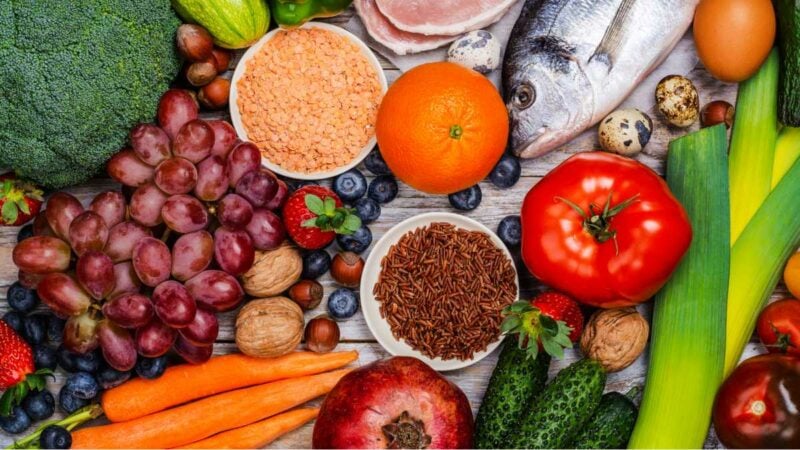
The Mediterranean diet is characterized by its emphasis on whole foods, including fruits, vegetables, legumes, nuts, seeds, and healthy fats, particularly olive oil. This diet is not merely a collection of foods but a lifestyle that promotes physical activity, social connections, and mindful eating practices. Originating from the traditional dietary patterns of countries bordering the Mediterranean Sea, it has gained global recognition for its potential to reduce the risk of chronic diseases, including heart disease and diabetes.
Central to the Mediterranean diet is the concept of balance. While it encourages the consumption of various food groups, it also emphasizes moderation. This principle extends to the inclusion of bread, which can be both a staple and a source of contention. Understanding how bread fits into the broader context of the Mediterranean diet requires a closer look at its nutritional value and the types of bread traditionally consumed in this dietary pattern.
The Mediterranean diet is not a rigid set of rules but rather a flexible framework that can be adapted to individual preferences and cultural variations. This adaptability is one reason for its widespread appeal. As people around the world embrace this diet, the question of bread consumption becomes increasingly relevant, particularly for those concerned about carbohydrates and gluten.
Ultimately, the Mediterranean diet promotes a holistic approach to eating, where the quality of food is prioritized over strict calorie counting or food restrictions. This philosophy invites an exploration of how bread, when chosen wisely, can complement a healthy lifestyle rather than detract from it.
Nutritional Composition of Bread in the Mediterranean Context
Bread, particularly in its traditional forms, can be a significant source of carbohydrates, providing energy for daily activities. The nutritional composition of bread varies widely depending on the ingredients and preparation methods used. In the Mediterranean context, bread is often made from whole grains, which retain the bran and germ, offering higher fiber content and essential nutrients compared to refined varieties.
Whole grain bread is rich in B vitamins, iron, magnesium, and antioxidants, contributing to overall health. The fiber in whole grains aids in digestion and can help regulate blood sugar levels, making it a beneficial choice for those managing their weight or blood glucose. Furthermore, the presence of complex carbohydrates in whole grain bread can provide sustained energy, making it a suitable option for active individuals.
In contrast, processed bread, often made with refined flour, lacks many of the beneficial nutrients found in whole grains. Such breads may contain added sugars, preservatives, and unhealthy fats, which can detract from their health benefits. As the Mediterranean diet emphasizes whole, minimally processed foods, the choice of bread becomes crucial in maintaining the integrity of this dietary approach.
Understanding the nutritional composition of bread is essential for making informed choices. When incorporated thoughtfully, bread can provide valuable nutrients and contribute to the overall balance of the Mediterranean diet.
The Role of Whole Grains in Mediterranean Dietary Practices
Whole grains play a pivotal role in the Mediterranean diet, serving as a primary source of carbohydrates and essential nutrients. The traditional Mediterranean diet includes a variety of whole grain products, such as whole wheat bread, barley, and farro, which are staples in many Mediterranean countries. These grains are not only nutritious but also versatile, allowing for a wide range of culinary applications.
Research indicates that the consumption of whole grains is associated with numerous health benefits, including a reduced risk of heart disease, stroke, and certain cancers. Whole grains are also linked to improved digestive health due to their high fiber content, which promotes regular bowel movements and supports a healthy gut microbiome. This aligns well with the Mediterranean diet’s focus on foods that promote long-term health and well-being.
In addition to their health benefits, whole grains contribute to the satisfaction and satiety of meals. Foods rich in fiber tend to be more filling, which can help individuals manage their appetite and reduce the likelihood of overeating. This aspect is particularly important in a diet that encourages mindful eating and enjoyment of meals, as practiced in Mediterranean cultures.
Incorporating whole grains into the Mediterranean diet can be achieved through various means, such as choosing whole grain bread over refined options, adding whole grains to salads and soups, or using them as a base for dishes. By prioritizing whole grains, individuals can enhance the nutritional quality of their meals while adhering to the principles of the Mediterranean lifestyle.
Evaluating Bread Types: Sourdough vs. Processed Varieties
When considering bread within the Mediterranean diet, the type of bread consumed is paramount. Sourdough bread, made through a natural fermentation process, is a traditional choice in many Mediterranean cultures. This method not only enhances the flavor but also improves the bread’s digestibility and nutritional profile. The fermentation process breaks down gluten and phytic acid, making nutrients more bioavailable and easier to absorb.
Sourdough bread is typically made from whole grains, which further amplifies its health benefits. The presence of beneficial bacteria in sourdough can also promote gut health, contributing to a balanced microbiome. As a result, sourdough can be a more nutritious option compared to commercially produced bread, which often contains additives and preservatives.
On the other hand, processed bread—often characterized by its soft texture and extended shelf life—can be detrimental to health when consumed in excess. These breads are frequently made from refined flours, stripped of their natural nutrients and fiber. Additionally, they may contain added sugars and unhealthy fats, which can lead to increased calorie intake without providing substantial nutritional value.
Choosing the right type of bread is essential for those following the Mediterranean diet. Opting for sourdough or other whole grain varieties can ensure that bread consumption aligns with the diet’s principles of health and balance. By being mindful of the types of bread consumed, individuals can enjoy this staple while reaping its potential health benefits.
Potential Health Benefits of Bread in Mediterranean Eating
Incorporating bread into the Mediterranean diet can offer several health benefits, particularly when whole grain or sourdough varieties are chosen. Research suggests that whole grain consumption is linked to a lower risk of chronic diseases, including cardiovascular disease and type 2 diabetes. This is largely attributed to the high fiber content, which can help regulate blood sugar levels and improve cholesterol profiles.
Moreover, bread can serve as a vehicle for other nutrient-dense foods commonly found in the Mediterranean diet. For example, whole grain bread can be paired with olive oil, tomatoes, and fresh herbs, creating a nutritious and satisfying meal. This synergy of flavors and nutrients exemplifies the Mediterranean approach to eating, where meals are designed to be both enjoyable and healthful.
The social aspect of bread consumption in Mediterranean cultures also contributes to its health benefits. Sharing meals that include bread fosters community and connection, which are vital for mental and emotional well-being. The act of gathering around the table to enjoy food can enhance the overall experience of eating, promoting mindfulness and satisfaction.
Finally, the potential benefits of bread in the Mediterranean diet extend beyond individual health. By choosing traditional bread-making practices and whole grain options, individuals can support sustainable agriculture and local economies. This aligns with the Mediterranean diet’s emphasis on seasonal, locally sourced foods, further enriching the overall experience of this dietary lifestyle.
Recommendations for Incorporating Bread in Your Diet
To effectively incorporate bread into a Mediterranean diet, it is essential to make informed choices. Start by selecting whole grain or sourdough varieties that offer higher nutritional value. Look for breads that list whole grains as the first ingredient and contain minimal additives. Reading labels can help you avoid processed options that may contain added sugars and unhealthy fats.
Portion control is also crucial. While bread can be a healthy part of the diet, moderation is key. Aim to include bread as one component of a balanced meal, rather than the main focus. Pairing bread with a variety of nutrient-dense foods, such as vegetables, lean proteins, and healthy fats, can enhance its health benefits and contribute to overall dietary balance.
Experimenting with different types of bread can add variety to your meals. Consider incorporating whole grain pita, flatbreads, or even homemade bread into your diet. These options can provide unique flavors and textures, making meals more enjoyable while adhering to the Mediterranean diet principles.
Lastly, embrace the cultural aspects of bread consumption. Share meals with family and friends, and take the time to savor each bite. By integrating bread into a broader context of healthy eating and social connection, you can fully appreciate its role in the Mediterranean diet.
Conclusions:
In conclusion, bread can indeed be a part of a healthy Mediterranean diet when chosen wisely. Whole grain and sourdough varieties offer significant nutritional benefits, aligning with the diet’s emphasis on whole, minimally processed foods. By understanding the types of bread available and incorporating them thoughtfully into meals, individuals can enjoy the flavors and health benefits that bread has to offer without compromising their dietary goals.
Read more:
- Mediterranean Diet: A Guide – A comprehensive overview of the Mediterranean diet, its principles, and health benefits.
- Whole Grains and Health – A research article discussing the health benefits of whole grains.
- Sourdough Bread Benefits – An exploration of the nutritional advantages of sourdough bread compared to other types.
- Mediterranean Diet and Heart Health – Insights into how the Mediterranean diet can benefit cardiovascular health.
- The Role of Bread in the Mediterranean Diet – A detailed examination of bread’s place within the Mediterranean dietary framework.